
“LET FOOD BE THY MEDICINE…”
Hippocrates
Grown Safely,
Without Harmful Chemicals so you can be assured your food is Safe and Healthy to eat.
Grown Regeneratively
& Sustainably. Our soil is constantly Replenished, not depleted.

Grown in Nutrient-
Rich Soil so you get Top Quality, Nutrient-Rich Veggies.

Family Owned & Operated.
Grown by People, not machines.
Shop our Selection of Over 70+ Varieties of Certified Naturally Grown Microgreens, Micro Herbs, and Micro Blends!
Disclaimer: Nutritional information and listed Health Benefits have not been evaluated by the Food and Drug Administration. This product is not intended to diagnose, treat, cure, or prevent any disease. The information on this website is for educational purposes only and not intended as medical advice.
History:
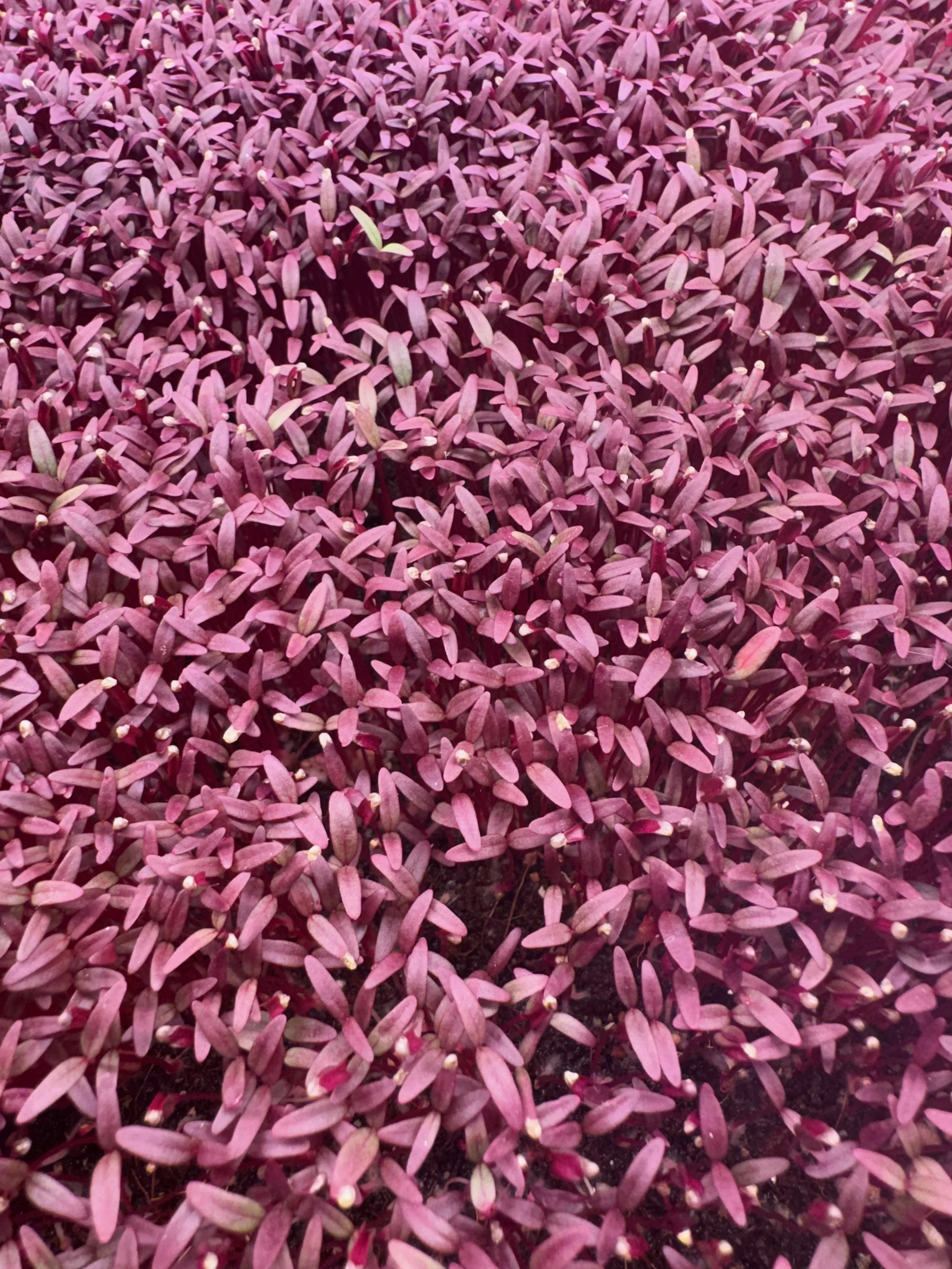
Amaranth is an ancient grain from South America. Its history can be traced back over 5000 years. It was a regular food eaten by the Incas, Mayans, and Aztecs. When amaranth grows full-size it becomes a large, beautiful deep purple plant.
Flavor Profile:
Crisp, Tender, Mild, Sweet, Earthy.
Suggested Uses:
Amaranth is a great addition to sweet or savory dishes. Also popular as a garnish.
Nutrition: *not verified by FDA
Amaranth microgreens are a versatile and nutritious addition to the diet, providing a range of essential nutrients and antioxidants. They are particularly beneficial for those seeking to improve their bone health, support their immune system, and increase their intake of plant-based protein.
Vitamins: *not verified by FDA
Vitamin K: Excellent source, essential for blood clotting and bone health
Vitamin C: Supports immune function and antioxidant activity
Vitamin A: Promotes eye health and cell growth
Folate: Crucial for cell division and fetal development
Minerals: *not verified by FDA
Iron: Essential for red blood cell production
Calcium: Supports bone health
Magnesium: Involved in muscle function and energy production
Potassium: Essential for blood pressure regulation
Antioxidants: *not verified by FDA
Beta-carotene: Protects cells from oxidative damage
Lutein: Supports eye health
Phenolic compounds: Have anti-inflammatory and antioxidant properties
Other Nutrients: *not verified by FDA
Protein: A good source of complete protein, containing all essential amino acids
Fiber: Promotes digestive health
Manganese: Supports enzyme function
Specific Nutritional Values: *not verified by FDA
Calories: 23 kcal per 100g
Protein: 2.5g per 100g
Carbohydrates: 4g per 100g
Fat: 0.3g per 100g
Vitamin K: 950% RDA per 100g
Vitamin C: 48% RDA per 100g
Iron: 6mg per 100g
Potential Health Benefits: *not verified by FDA
Rich in protein: Amaranth microgreens are a good source of complete protein, containing essential amino acids that are vital for muscle growth and overall health.
Packed with antioxidants: They are rich in antioxidants like vitamin C, vitamin E, and betalains, which help protect cells from damage caused by oxidative stress and reduce inflammation.
Helps support bone health: High levels of calcium, magnesium, and vitamin K contribute to strong bones and proper blood clotting.
Helps boost immune function: The presence of vitamin C helps strengthen the immune system, while beta-carotene converts to vitamin A, supporting immune health.
Helps promote cardiovascular health: Nutrients like potassium and magnesium can help regulate blood pressure, and antioxidants help lower inflammation, which benefits heart health.
Helps enhance eye and skin health: Beta-carotene supports vision and overall eye health, and vitamin C promotes collagen production for healthier skin.
Helps increase energy levels: The iron content helps with oxygen transport in the blood, which boosts energy and helps prevent fatigue.
Helps aid digestion: They are a good source of dietary fiber, which supports a healthy digestive system and can help prevent constipation.

Disclaimer: Nutritional information and listed Health Benefits have not been evaluated by the Food and Drug Administration. This product is not intended to diagnose, treat, cure, or prevent any disease. The information on this website is for educational purposes only and not intended as medical advice.
History:
Arugula microgreens are the young seedlings of the arugula plant, known for their intense, peppery flavor and a concentrated nutritional profile. They have over a 4000 year history and were used as an ingredient in aphrodisiac concoctions in the first century, AD in ancient Rome (Cambridge World History of Food).
Arugula microgreens contain almost eight times the calcium, five times the vitamin A, vitamin C, and vitamin K, and four times the iron as iceberg lettuce.. Key benefits include a rich concentration of vitamins C, E, and beta-carotene, as well as compounds that may have anti-cancer properties. The micro version of arugula has up to 40x the nutritional value of its full-grown compliment!
Flavor Profile:
Peppery, Somewhat Nutty Flavor
Suggested Uses:
A main ingredient in many dishes, adding a "bold kick" to salads, sandwiches, wraps, pasta, and pizzas.
For Pets: *(always consult your vet before adding microgreens to your pet’s diet)
Bearded Dragons: Arugula Microgreens are nutrient-dense and often enjoyed, but should be rotated with other greens (like collard or mustard greens) rather than used as a daily staple, due to the presence of goitrogens which can affect thyroid function in high amounts.
Cats: Arugula microgreens are generally safe for cats in small, infrequent amounts. They are non-toxic and provide vitamins A, C, and K, but should only be given as an occasional treat (1-2 small leaves, 2-3 times a week) because excessive intake can cause stomach upset or potential kidney issues.
Dogs: Arugula microgreens are safe and nutritious for dogs in moderation. Packed with vitamins, minerals, and antioxidants, they can support bone health and vitality. Introduce them slowly, ensure they are washed, and feed in small, occasional amounts (e.g., a teaspoon mixed into food) to avoid digestive upset.
Guinea Pigs: Arugula microgreens are generally safe for guinea pigs in moderation. They are high in nutrients like Vitamins A, C, and K, but also contain high calcium levels, which can lead to bladder stones if fed too frequently. They should be offered as an occasional treat, perhaps once a week, rather than a daily staple.
Rabbits: Arugula microgreens are safe for rabbits in moderation, offering a nutritious, peppery treat rich in vitamins A, C, and K. As a nutrient-dense green, they should be introduced slowly and served as part of a varied diet, rather than a staple food, to avoid potential digestive upset.
Nutrition: *not verified by FDA
Rich in nutrients: Arugula microgreens are packed with vitamins and minerals, including vitamin C, vitamin K, folate, calcium, and potassium.
Calcium: Calcium helps your blood to clot. It’s also necessary for bone health, tooth health, muscle function, and nerve function.
Potassium: This mineral and electrolyte affects heart and nerve function and helps your muscles contract. Potassium helps to reduce the negative effects of sodium, and so may be beneficial for people with high blood pressure.
Folate: This B vitamin helps support the production of DNA and other genetic material. It’s particularly important for people who are pregnant or planning to become pregnant. Folate deficiency in pregnant people may lead to spina bifida, a neural tube defect.
Vitamin C: Vitamin C is a powerful antioxidant that helps support the immune system. Also known as ascorbic acid, vitamin C is important for tissue health and the absorption of iron from food.
Vitamin K: Vitamin K helps with blood clotting. If you require a prescription blood thinner, such as warfarin (Coumadin), discuss your vitamin K intake with your doctor before changing your eating habits.
Vitamin A: This is the umbrella term for a group of fat-soluble retinoids. Vitamin A is a powerful antioxidant that supports immune function, cell growth, and overall eye health. It also works to help maintain lung, and heart function.
Antioxidants: Rich in antioxidants, including carotenoids and polyphenols.
Other: Also contain protein, fiber, and various other micronutrients like folate and zinc.
Potential Health Benefits: *not verified by FDA
Helps lower inflammation: Arugula microgreens contain compounds that may help lower inflammation in the body, which is linked to a range of chronic diseases.
Contains anti-cancer properties: Arugula microgreens contain compounds that may have anti-cancer properties. Studies have found that arugula may help inhibit the growth of cancer cells in the body.
Supports digestive health: Arugula microgreens contain fiber, which is important for digestive health. They may also help promote the growth of beneficial gut bacteria.
Helps strengthen bone health: Arugula microgreens provide calcium without the high oxalate levels found in spinach, which can block calcium absorption. They also contain vitamin K, which is important for bone density and may help reduce the risk of osteoporosis.
Loaded with antioxidants: Arugula microgreens are rich in antioxidants, which can help protect the body from damage caused by free radicals.
Immune support: Regular consumption may help boost the immune system.
Helps support heart health: Arugula microgreens may help support heart health by reducing cholesterol levels, improving blood pressure, and reducing inflammation.
Vision and eye health: They may improve vision and eye health.
Disclaimer: Nutritional information and listed Health Benefits have not been evaluated by the Food and Drug Administration. This product is not intended to diagnose, treat, cure, or prevent any disease. The information on this website is for educational purposes only and not intended as medical advice.
This item is grown to order. It is a slower growing variety and requires a 3 week lead time. We will grow a 10"x10" tray of these micros which we will cut and package for you when they are ready.
History:
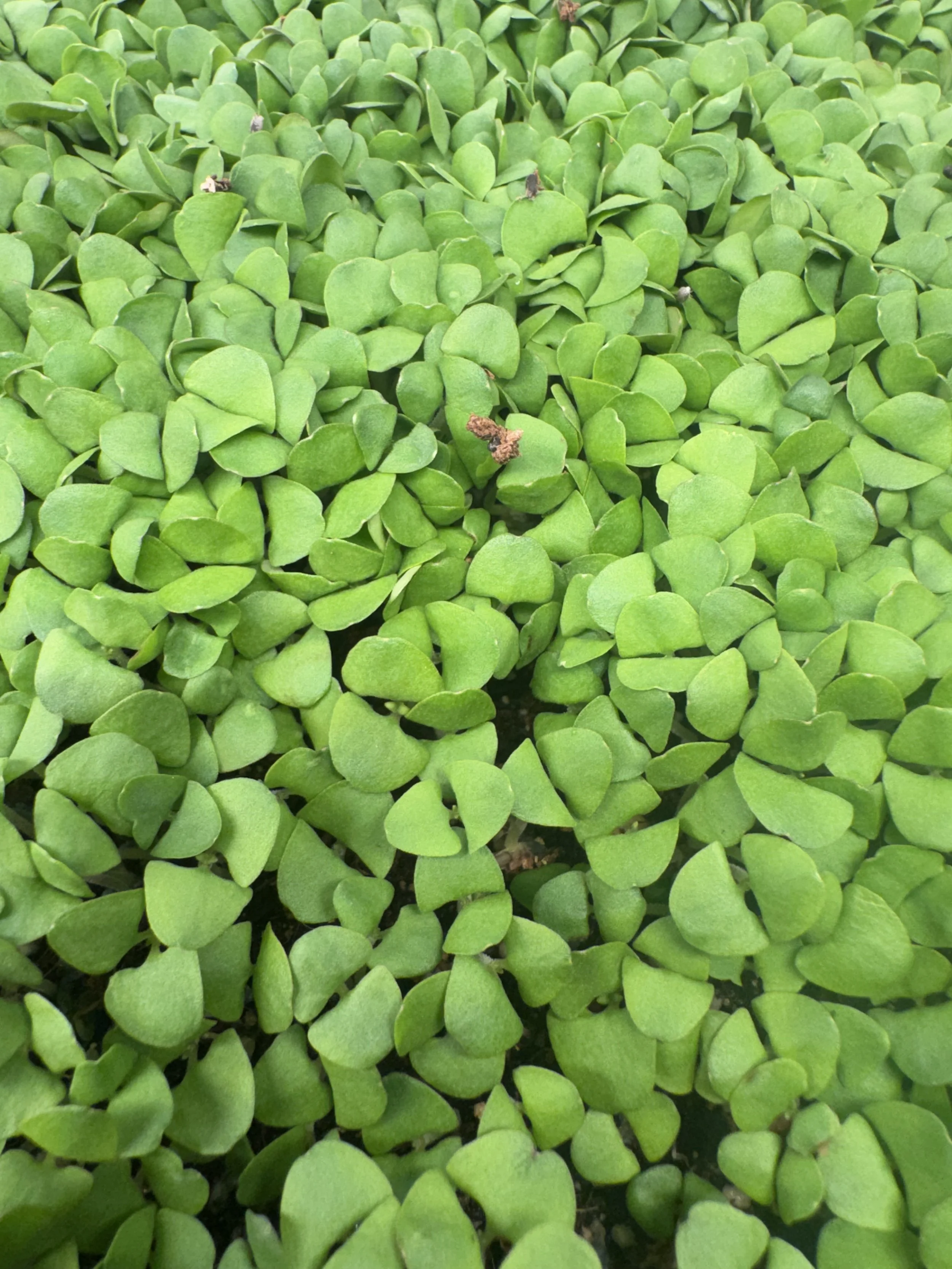
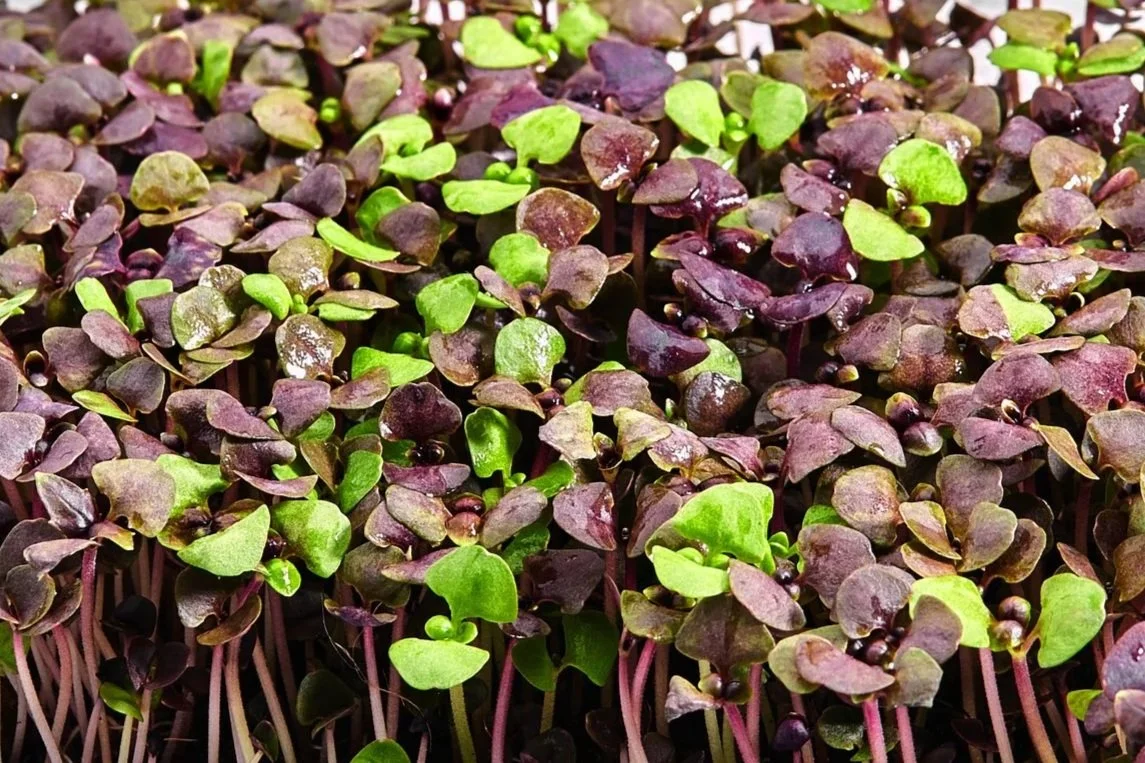
Cinnamon Basil is believed to have originated in Mexico and was developed for its distinctive cinnamon-like flavor. They are a part of a long history of sweet basil that dates back over 4000 years to ancient India, Africa and Asia. Basil was used for culinary, medicinal, and religious purposes in ancient times. It was even used to ward off evil spirits in the Middle Ages in Europe!
Flavor Profile:
Warm, spicy flavor with notes of cinnamon and anise, a hint of sweetness, and minty nuances.
Suggested Uses:
Cinnamon Basil Micros are often used in sweet dishes like fruit salads, desserts, and beverages, providing a unique twist to traditional basil uses.
Nutrition: *not verified by FDA
In general, the nutrients found in basil microgreens include various vitamins, minerals, and antioxidants. Here are some of the nutrients present in basil microgreens:
Vitamin C: Basil microgreens are rich in Vitamin C, which is essential for developing and repairing all body tissues. They contribute to various bodily functions such as collagen production, iron absorption, immunity, wound healing, and maintenance of cartilage, bones, and teeth.
Vitamin K1: They are also a good source of Vitamin K1, primarily involved in blood clotting but also contribute to bone health.
Vitamin E: Basil microgreens contain Vitamin E, a fat-soluble antioxidant that protects your cells from oxidative damage.
Beta-Carotene: They’re high in beta-carotene, which is converted to Vitamin A by the body. Good vision, a robust immune system, and good skin and mucous membranes are all necessary for vitamin A.
Lutein and Zeaxanthin: These two types of carotenoids play an essential role in your eye health.
Polyphenols: Basil microgreens are rich in polyphenols, which are compounds with antioxidant properties. They help to protect your cells against the harmful effects of free radicals.
Minerals: They contain essential minerals like calcium, iron, magnesium, phosphorus, potassium, and zinc.
Potential Health Benefits: *not verified by FDA
Medicinally, basil is used to aid digestion, alleviate coughs and colds, and even reduce stress and anxiety.
In addition, basil may treat general pain and digestive disturbances in many ways, including as an anti-inflammatory agent. It’s an antimicrobial, which can help heal wounds and infections. The active substance in basil, cinnamic acid, may help with circulation, respiration, and blood sugar.
In its microgreen form, basil retains these medicinal properties. It packs an even denser nutritional punch, making it a valuable addition to any diet.
Disclaimer:Nutritional information and listed Health Benefits have not been evaluated by the Food and Drug Administration. This product is not intended to diagnose, treat, cure, or prevent any disease. The information on this website is for educational purposes only and not intended as medical advice.
This item is grown to order. It is a slower growing variety and requires a 3 week lead time. We will grow a 10"x10" tray of these micros which we will cut and package for you when they are ready.
History:
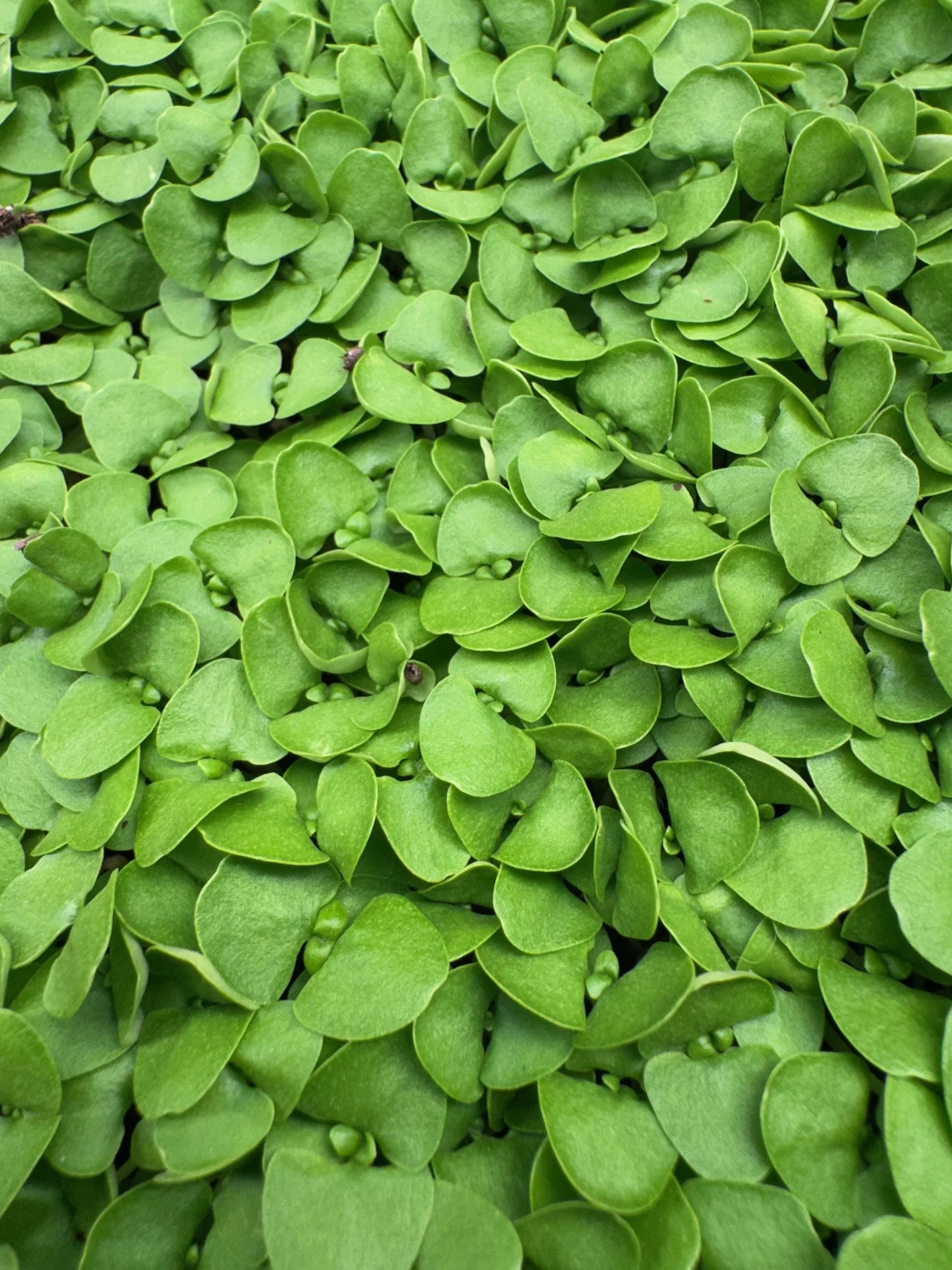
Dark Opal Basil was developed at the University of Connecticut in the 1950s and won an All-America Selections bronze medal in 1962. This heirloom variety was specifically bred for its deep purple, almost black color, which comes from high levels of anthocyanins, and for both its ornamental and culinary appeal. Dark Opal Basil was created by crossbreeding Turkish basil seeds, supplied by the United States Department of Agriculture. This served to improve the coloration of earlier purple varieties.
Flavor Profile:
Sweet, zesty, and aromatic basil flavor with hints of clove, anise, and mint.
Suggested Uses:
It can be used in fresh dishes like salads and sandwiches, blended into pesto, or infused into oils and vinegars. Dark Opal Basil's intense flavor makes them a great substitute for mature basil, and they can be used in both savory and sweet preparations. It also makes a great garnish!
Nutrition:*not verified by FDA
In general, the nutrients found in basil microgreens include various vitamins, minerals, and antioxidants. Here are some of the nutrients present in basil microgreens:
Vitamin C: Basil microgreens are rich in Vitamin C, which is essential for developing and repairing all body tissues. They contribute to various bodily functions such as collagen production, iron absorption, immunity, wound healing, and maintenance of cartilage, bones, and teeth.
Vitamin K1: They are also a good source of Vitamin K1, primarily involved in blood clotting but also contribute to bone health.
Vitamin E: Basil microgreens contain Vitamin E, a fat-soluble antioxidant that protects your cells from oxidative damage.
Beta-Carotene: They’re high in beta-carotene, which is converted to Vitamin A by the body. Good vision, a robust immune system, and good skin and mucous membranes are all necessary for vitamin A.
Lutein and Zeaxanthin: These two types of carotenoids play an essential role in your eye health.
Polyphenols: Basil microgreens are rich in polyphenols, which are compounds with antioxidant properties. They help to protect your cells against the harmful effects of free radicals.
Minerals: They contain essential minerals like calcium, iron, magnesium, phosphorus, potassium, and zinc.
Potential Health Benefits:*not verified by FDA
Medicinally, basil is used to aid digestion, alleviate coughs and colds, and even reduce stress and anxiety.
In addition, basil may treat general pain and digestive disturbances in many ways, including as an anti-inflammatory agent. It’s an antimicrobial, which can help heal wounds and infections. The active substance in basil, cinnamic acid, may help with circulation, respiration, and blood sugar.
In its microgreen form, basil retains these medicinal properties. It packs an even denser nutritional punch, making it a valuable addition to any diet.
Disclaimer:Nutritional information and listed Health Benefits have not been evaluated by the Food and Drug Administration. This product is not intended to diagnose, treat, cure, or prevent any disease. The information on this website is for educational purposes only and not intended as medical advice.
History:
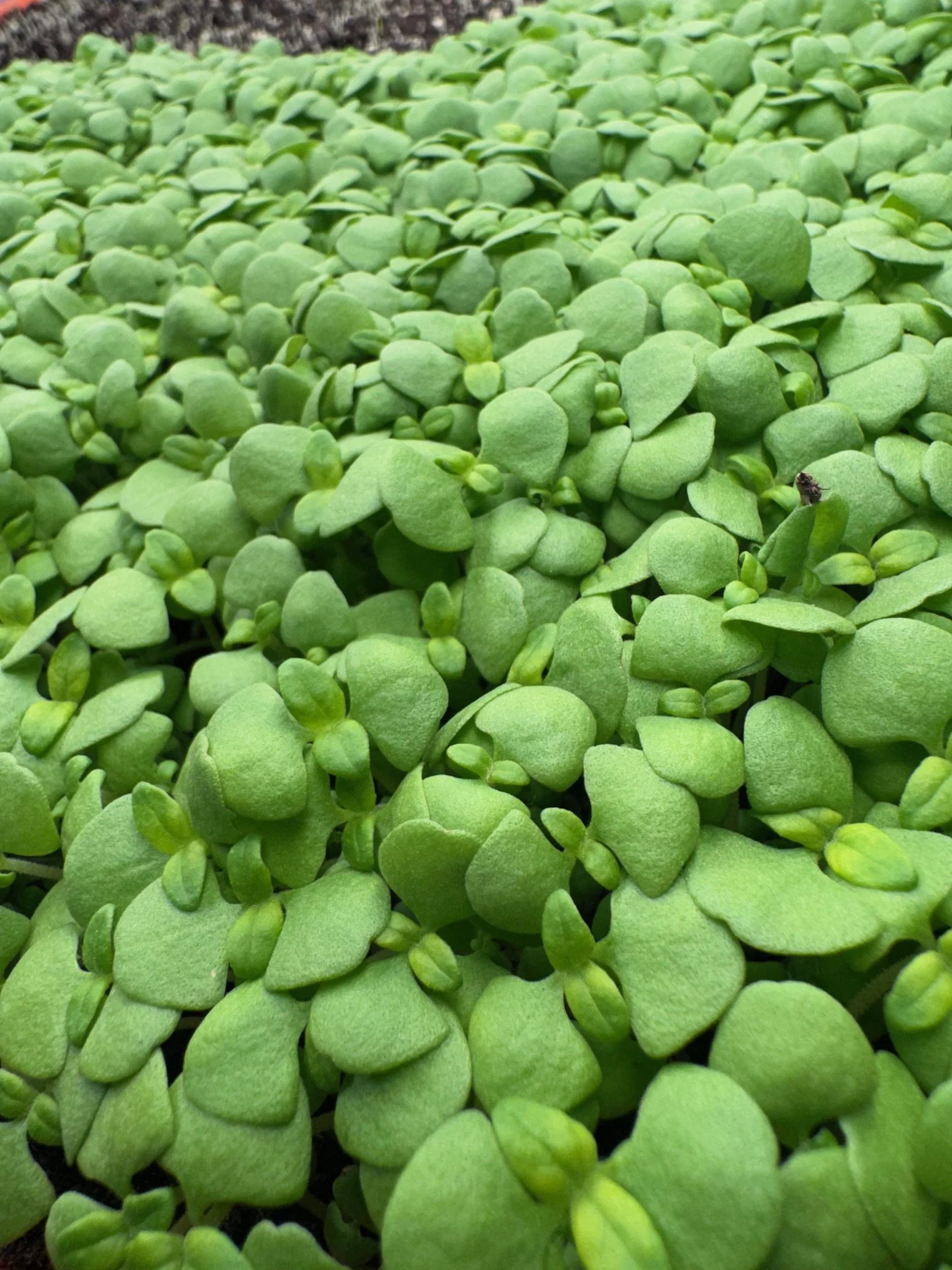
Genovese Basil, (better known as Italian Basil), is an ancient variety, native to the Genoa region of Italy, and is historically significant for its use in traditional Italian cuisine, particularly pesto alla Genovese. It is a part of a long history of sweet basil that dates back over 4000 years to ancient India, Africa and Asia. Basil was used for culinary, medicinal, and religious purposes in ancient times. It was even used to ward off evil spirits in the Middle Ages in Europe!
Flavor Profile:
Sweet, aromatic, and slightly peppery flavor, somewhat stronger than full-grown basil. It is often described as having hints of citrus, anise, and clove, along with a mild peppery taste and a tender, silky texture.
Suggested Uses:
Primarily used in pesto, but it's also a key ingredient in many other Italian dishes like pasta sauces, pizzas, and Caprese salads. Beyond its culinary applications, it can be used to add flavor to infused oils and vinegars, used in cocktails and teas, and even acts as a natural pest repellent.
Nutrition:*not verified by FDA
In general, the nutrients found in basil microgreens include various vitamins, minerals, and antioxidants. Here are some of the nutrients present in basil microgreens:
Vitamin C: Basil microgreens are rich in Vitamin C, which is essential for developing and repairing all body tissues. They contribute to various bodily functions such as collagen production, iron absorption, immunity, wound healing, and maintenance of cartilage, bones, and teeth.
Vitamin K1: They are also a good source of Vitamin K1, primarily involved in blood clotting but also contribute to bone health.
Vitamin E: Basil microgreens contain Vitamin E, a fat-soluble antioxidant that protects your cells from oxidative damage.
Beta-Carotene: They’re high in beta-carotene, which is converted to Vitamin A by the body. Good vision, a robust immune system, and good skin and mucous membranes are all necessary for vitamin A.
Lutein and Zeaxanthin: These two types of carotenoids play an essential role in your eye health.
Polyphenols: Basil microgreens are rich in polyphenols, which are compounds with antioxidant properties. They help to protect your cells against the harmful effects of free radicals.
Minerals: They contain essential minerals like calcium, iron, magnesium, phosphorus, potassium, and zinc.
Potential Health Benefits:*not verified by FDA
Medicinally, basil is used to aid digestion, alleviate coughs and colds, and even reduce stress and anxiety.
In addition, basil may treat general pain and digestive disturbances in many ways, including as an anti-inflammatory agent. It’s an antimicrobial, which can help heal wounds and infections. The active substance in basil, cinnamic acid, may help with circulation, respiration, and blood sugar.
In its microgreen form, basil retains these medicinal properties. It packs an even denser nutritional punch, making it a valuable addition to any diet.
Disclaimer: Nutritional information and listed Health Benefits have not been evaluated by the Food and Drug Administration. This product is not intended to diagnose, treat, cure, or prevent any disease. The information on this website is for educational purposes only and not intended as medical advice.
History:
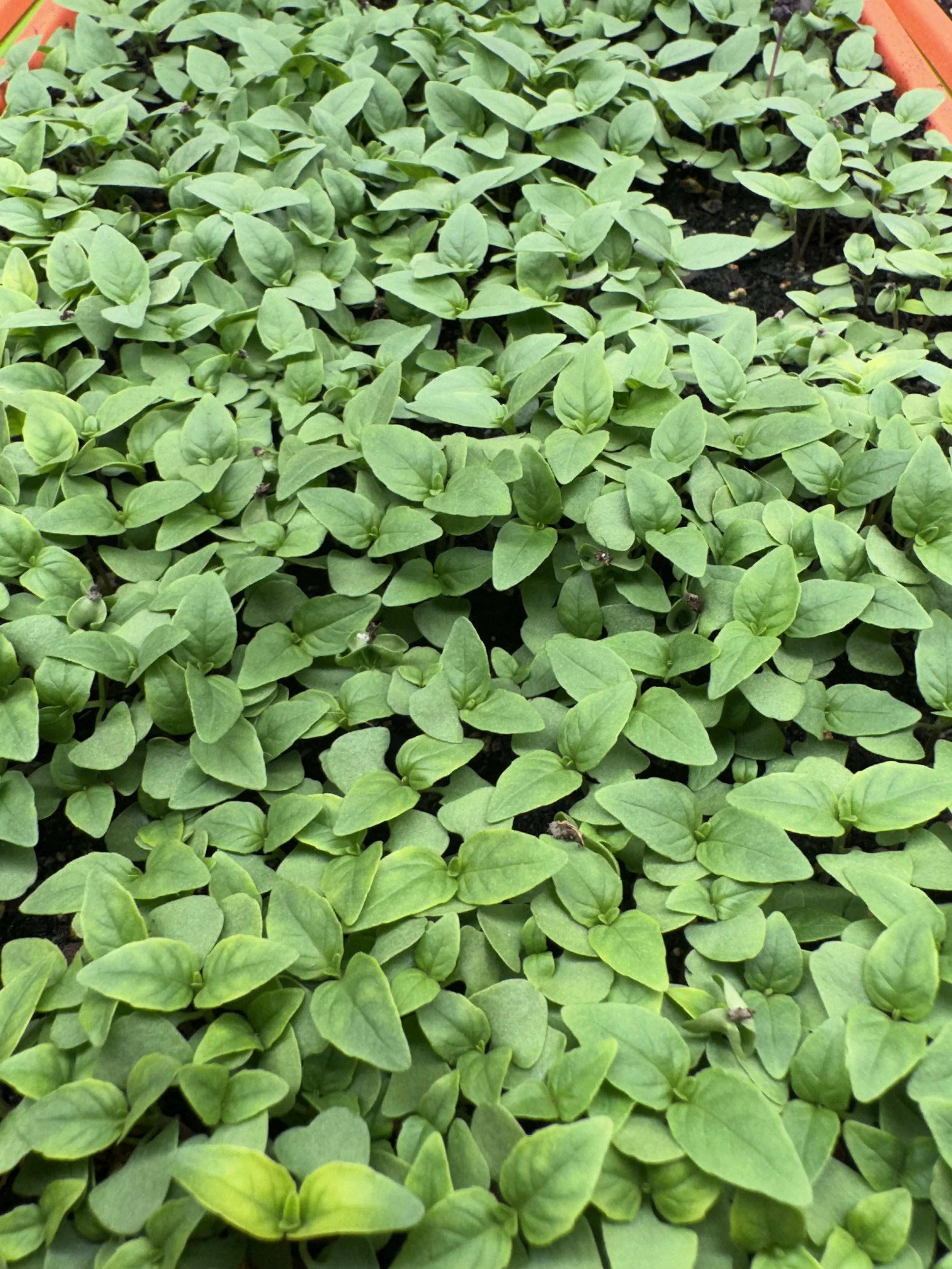
Lemon Basil believed to be native to Southeast Asia and Africa, was introduced to North America in the 17th century. It is a part of a long history of sweet basil that dates back over 4000 years to ancient India, Africa and Asia. Basil was used for culinary, medicinal, and religious purposes in ancient times. It was even used to ward off evil spirits in the Middle Ages in Europe!
Flavor Profile:
Lemon basil microgreens have a refreshing citrusy scent and taste.
Suggested Uses:
Best used fresh and can be incorporated into salads, sandwiches, tacos, soups, pasta, smoothies, and even desserts and cocktails. They pair well with seafood, chicken, tomatoes, and many fruits like strawberries and peaches. Lemon basil is famous for making infused oils, teas, and lemonade. It can also be used as a garish on savory or sweet dishes.
Nutrition:*not verified by FDA
In general, the nutrients found in basil microgreens include various vitamins, minerals, and antioxidants. Here are some of the nutrients present in basil microgreens:
Vitamin C: Basil microgreens are rich in Vitamin C, which is essential for developing and repairing all body tissues. They contribute to various bodily functions such as collagen production, iron absorption, immunity, wound healing, and maintenance of cartilage, bones, and teeth.
Vitamin K1: They are also a good source of Vitamin K1, primarily involved in blood clotting but also contribute to bone health.
Vitamin E: Basil microgreens contain Vitamin E, a fat-soluble antioxidant that protects your cells from oxidative damage.
Beta-Carotene: They’re high in beta-carotene, which is converted to Vitamin A by the body. Good vision, a robust immune system, and good skin and mucous membranes are all necessary for vitamin A.
Lutein and Zeaxanthin: These two types of carotenoids play an essential role in your eye health.
Polyphenols: Basil microgreens are rich in polyphenols, which are compounds with antioxidant properties. They help to protect your cells against the harmful effects of free radicals.
Minerals: They contain essential minerals like calcium, iron, magnesium, phosphorus, potassium, and zinc.
Potential Health Benefits:*not verified by FDA
Medicinally, basil is used to aid digestion, alleviate coughs and colds, and even reduce stress and anxiety.
In addition, basil may treat general pain and digestive disturbances in many ways, including as an anti-inflammatory agent. It’s an antimicrobial, which can help heal wounds and infections. The active substance in basil, cinnamic acid, may help with circulation, respiration, and blood sugar.
In its microgreen form, basil retains these medicinal properties. It packs an even denser nutritional punch, making it a valuable addition to any diet.
Disclaimer: Nutritional information and listed Health Benefits have not been evaluated by the Food and Drug Administration. This product is not intended to diagnose, treat, cure, or prevent any disease. The information on this website is for educational purposes only and not intended as medical advice.
This item is grown to order. It is a slower growing variety and requires a 3 week lead time. We will grow a 10"x10" tray of these micros which we will cut and package for you when they are ready.
History:
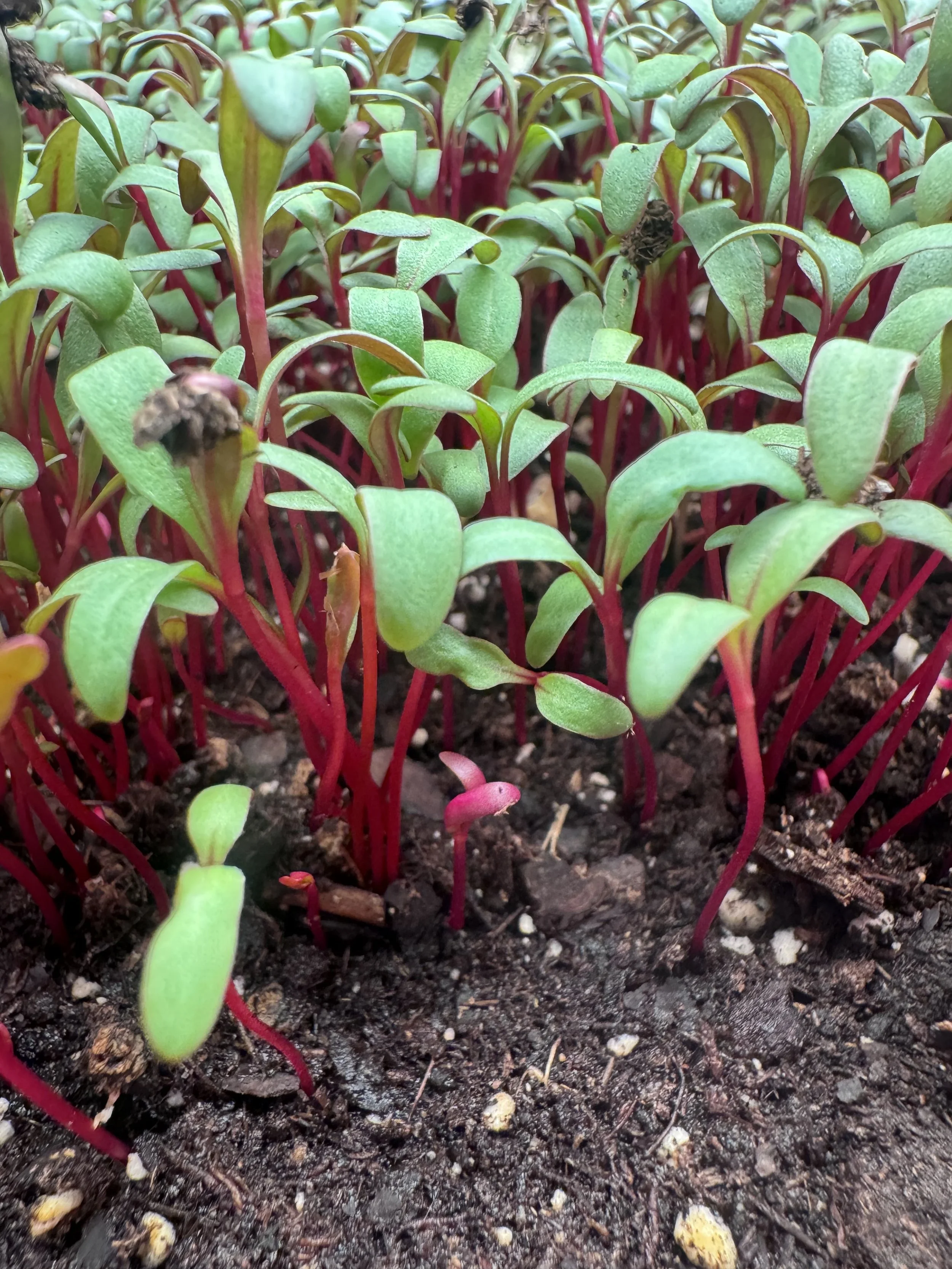
Thai Basil Thai basil originated in Southeast Asia and has a cultivation history of at least 5,000 years, possibly starting in India before spreading to other parts of the world. It was brought to the US by the early colonists and was an important flavoring agent in American cuisine.
Flavor Profile:
Bold, spicy flavor with a prominent anise or licorice-like note.
Suggested Uses:
Thai basil gets its name from its popularity in Thai cuisine, but it is equally popular in Cambodian, Vietnamese, and Laotian cuisines. Thai basil can withstand prolonged cooking heat so the leaves work well with chicken or beef stir fried dishes. Thai basil also is used in Pad Thai, Vietnamese Pho, spring rolls, curries, and noodle dishes.
Nutrition:*not verified by FDA
In general, the nutrients found in basil microgreens include various vitamins, minerals, and antioxidants. Here are some of the nutrients present in basil microgreens:
Vitamin C: Basil microgreens are rich in Vitamin C, which is essential for developing and repairing all body tissues. They contribute to various bodily functions such as collagen production, iron absorption, immunity, wound healing, and maintenance of cartilage, bones, and teeth.
Vitamin K1: They are also a good source of Vitamin K1, primarily involved in blood clotting but also contribute to bone health.
Vitamin E: Basil microgreens contain Vitamin E, a fat-soluble antioxidant that protects your cells from oxidative damage.
Beta-Carotene: They’re high in beta-carotene, which is converted to Vitamin A by the body. Good vision, a robust immune system, and good skin and mucous membranes are all necessary for vitamin A.
Lutein and Zeaxanthin: These two types of carotenoids play an essential role in your eye health.
Polyphenols: Basil microgreens are rich in polyphenols, which are compounds with antioxidant properties. They help to protect your cells against the harmful effects of free radicals.
Minerals: They contain essential minerals like calcium, iron, magnesium, phosphorus, potassium, and zinc.
Potential Health Benefits:*not verified by FDA
Medicinally, basil is used to aid digestion, alleviate coughs and colds, and even reduce stress and anxiety.
In addition, basil may treat general pain and digestive disturbances in many ways, including as an anti-inflammatory agent. It’s an antimicrobial, which can help heal wounds and infections. The active substance in basil, cinnamic acid, may help with circulation, respiration, and blood sugar.
In its microgreen form, basil retains these medicinal properties. It packs an even denser nutritional punch, making it a valuable addition to any diet.
Disclaimer: Nutritional information and listed Health Benefits have not been evaluated by the Food and Drug Administration. This product is not intended to diagnose, treat, cure, or prevent any disease. The information on this website is for educational purposes only and not intended as medical advice.
This item is grown to order and requires a 2 week lead time. We will grow a 10"x10" tray of these micros which we will cut and package for you when they are ready.
History:
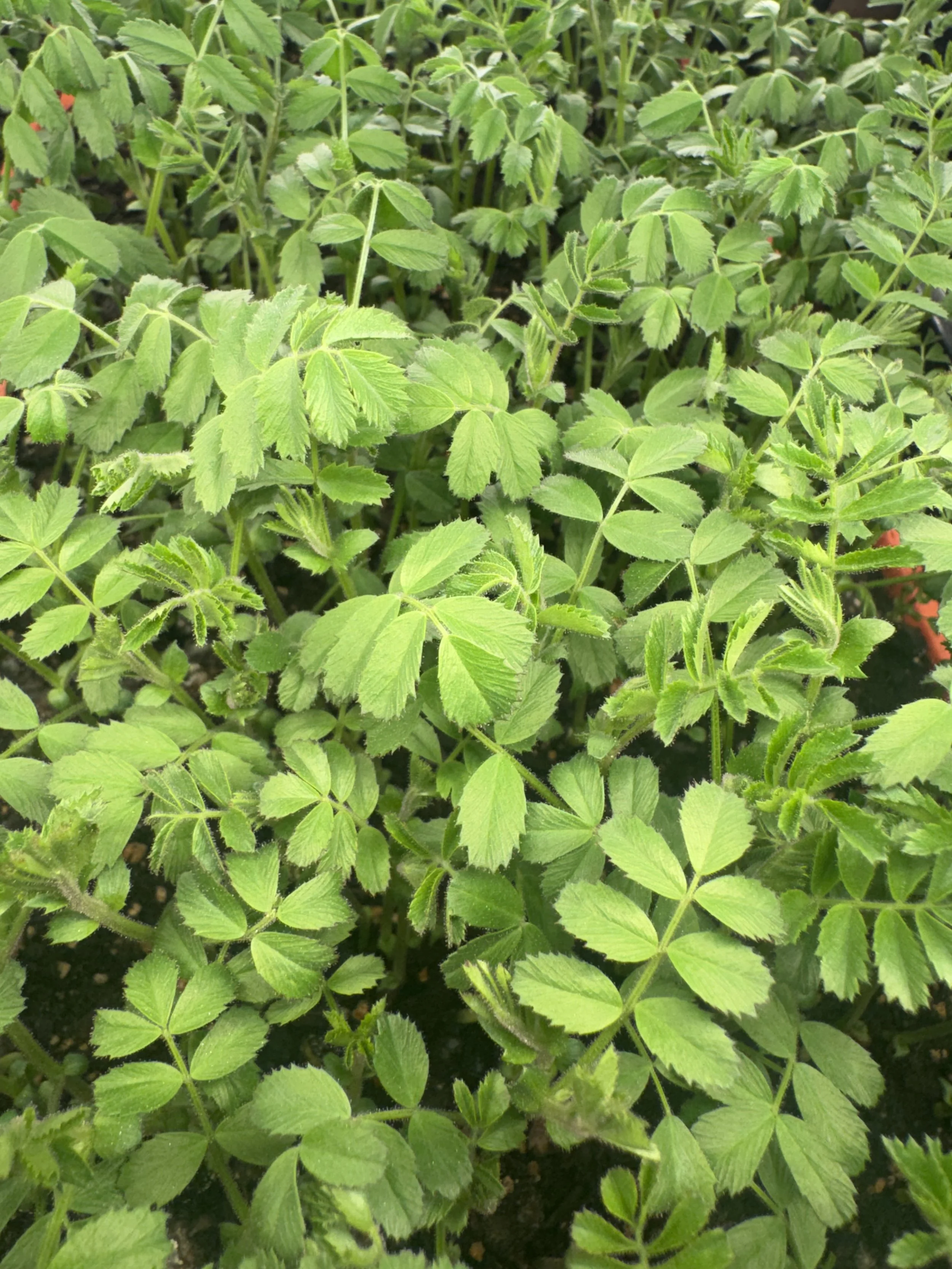
Beet microgreens are part of a rich history of the full-grown beet vegetable which dates back to ancient times. They Originated in the Mediterranean region, they were initially grown for their leaves, with the Romans being the first to cultivate them for their roots. Over centuries, beets spread across Europe and Asia, where they were used for both culinary and medicinal purposes.
Flavor Profile:
Mild, earthy flavor reminiscent of cooked beetroot, with a fresher, more delicate twist.
Suggested Uses:
Adds a nutrient-rich, earthy-sweet flavor and vibrant color to salads, sandwiches, and garnishes. They can be eaten raw, stir-fried, or lightly steamed, and are also incorporated into juices for a health boost.
Nutrition:*not verified by FDA
Beet microgreens are nutrient-rich seedlings harvested shortly after germination. They are an excellent source of:
Vitamins: *not verified by FDA
Vitamin K, Vitamin A, Vitamin C, Vitamin E, and B vitamins (thiamine, riboflavin, niacin).
Minerals: *not verified by FDA
Iron, magnesium, potassium, calcium, and copper.
Antioxidants:*not verified by FDA
Betalain pigments (betacyanin and pelargin), Lutein, and Zeaxanthin.
Other Nutrients:*not verified by FDA
Fiber, protein, and citric acid.
Potential Health Benefits: *not verified by FDA
High in iron: Beet microgreens are an excellent source of iron, essential for red blood cell production and preventing anemia.
Rich in antioxidants: The betalain pigments in beet microgreens have potent antioxidant properties that may help protect against oxidative stress and inflammation.
Good source of vitamin K: Vitamin K is crucial for bone health and blood clotting.
May support heart health: Beet microgreens contain nitrates, which can convert to nitric oxide in the body and help lower blood pressure.
Low in calories: Beet microgreens are low in calories and fat, making them a healthy addition to salads, soups, and smoothies.
Disclaimer: Nutritional information and listed Health Benefits have not been evaluated by the Food and Drug Administration. This product is not intended to diagnose, treat, cure, or prevent any disease. The information on this website is for educational purposes only and not intended as medical advice.
This item is grown to order and requires a 2 week lead time. We will grow a 10"x10" tray of these micros which we will cut and package for you when they are ready.
History:
Black garbanzo beans, often referred to as Black Kabouli or desi chickpeas (Cicer arietinum), are an ancient, nutrient-dense heirloom variety with origins in Afghanistan, Turkey, and the Middle East, with cultivation dating back over 8,000–10,000 years. They are smaller, darker, firmer, and have a more robust, nutty/smoky flavor compared to common beige chickpeas.
Flavor Profile:
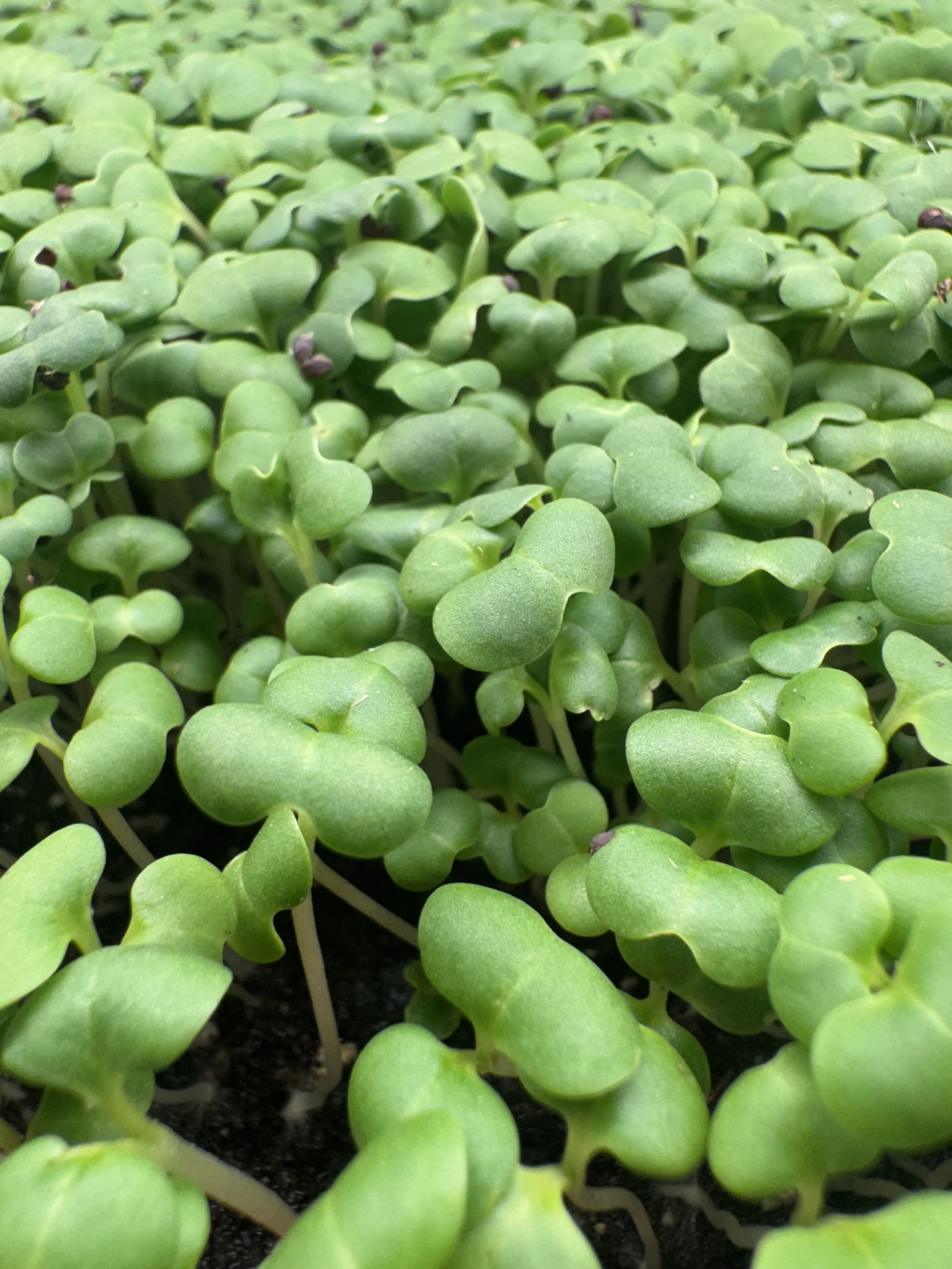
Distinct, vibrant, and earthy, nutty flavor profile with a surprising hint of sweetness and a zesty finish. Often compared to tender garden pea shoots.
Suggested Uses:
Black garbanzo bean shoots are packed with protein, fiber, and vitamins, making them ideal for raw salads, sandwiches, tacos, and smoothies. They can also be used as a garnish for soups, stir-fries, and as a healthy, crunchy topping for dishes like chaat or poha.
Salads and Bowls: Provide a fresh, nutty crunch to salads and grain bowls.
Sandwiches and Wraps: Add texture and nutritional value to sandwiches, wraps, and toast.
Garnish: Used by chefs to add color and flavor to dishes like pizza or savory meals.
Stir-fries: Added at the end of cooking to maintain a crisp texture.
Smoothies: Blended into green smoothies for extra protein and nutrients.
Nutrition:*not verified by FDA
Black garbanzo bean (black chickpea) microgreens are a highly nutritious, crunchy, sweet, and citrusy green packed with vitamins A, C, and K, as well as essential minerals including calcium, iron, and phosphorus. They provide a robust, plant-based source of protein, fiber, and manganese, with one study indicating bean microgreens are exceptionally high in potassium.
Protein: Approximately 9g–20g
Fiber: High in dietary fiber (up to 7.6g–12g)
Vitamins: Rich in C, K, A, and folate
Minerals: High in Iron, Calcium, Phosphorus, Manganese, and Potassium
Antioxidants: High in ascorbic acid (Vitamin C)
Potential Health Benefits:*not verified by FDA
Black garbanzo bean (kala chana) microgreens may help support heart health, aid in blood sugar regulation, improve digestion, and provide an energy boost, making them ideal for managing diabetes and enhancing overall wellness.
Rich in Iron & Protein: These microgreens are excellent for enhancing energy and stamina, supporting muscle growth, and addressing iron deficiencies (anemia) due to their high iron and protein content.
Blood Sugar Management: With a low glycemic index, they are effective at helping to manage diabetes by helping to stabilize blood sugar levels.
Heart Health & Cholesterol: High in fiber, potassium, and magnesium, they assist in improving blood circulation, lowering bad cholesterol and controlling blood pressure.
Improved Digestion & Gut Health: As a high-fiber food, they aid digestion, promote regular bowel movements, and may reduce bloating.
Weight Loss Aid: The high fiber content keeps you feeling full longer, which can help manage appetite and reduce overall calorie intake.
Antioxidant & Anti-inflammatory: Packed with antioxidants and polyphenols, they combat oxidative stress, protect cells from damage, and may have anti-cancer properties.
Skin and Hair Health: The nutrients in black chickpeas help fight free radicals that cause cellular damage, supporting healthy skin and strengthening hair.
Disclaimer:Nutritional information and listed Health Benefits have not been evaluated by the Food and Drug Administration. This product is not intended to diagnose, treat, cure, or prevent any disease. The information on this website is for educational purposes only and not intended as medical advice.
History:
Bok Choy (or Pak Choy) is a nutrient-dense cruciferous vegetable, cultivated in China for over 5,000 years, with evidence dating back to the 5th century (or earlier, ~6,000 years ago) in the Yangtze River Delta. As a staple in Asian cuisine, it spread to Korea in the 14th century, Southeast Asia in the 16th century, and was introduced to North America by Chinese immigrants in the 19th century.
Flavor Profile:
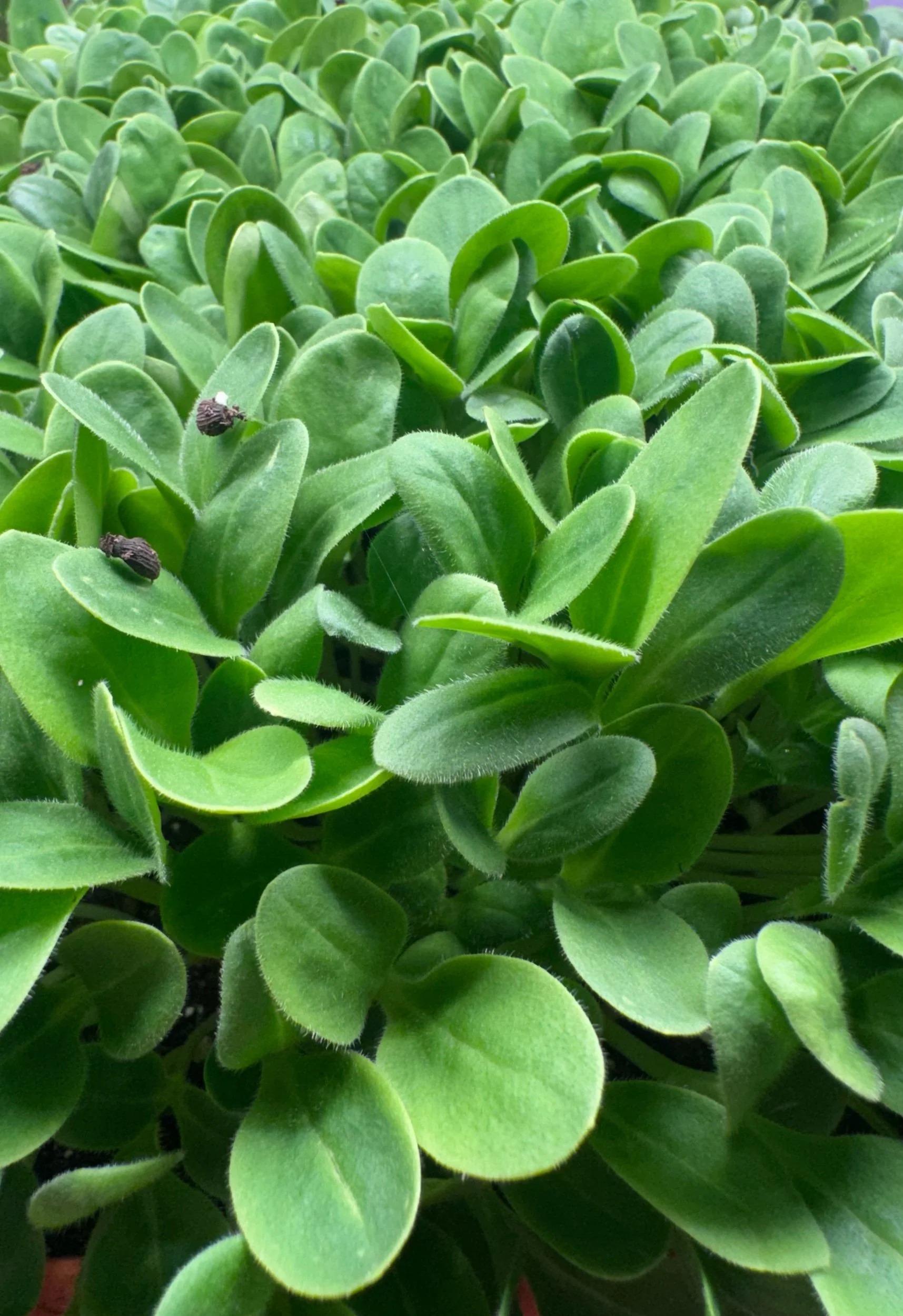
Mild, fresh, and slightly sweet flavor with subtle cabbage or turnip notes and a mild, peppery finish. They are crisp and tender with a succulent texture. Often used as a mild, crunchy garnish, they are popular in salads, soups, and Asian dishes.
Suggested Uses:
Bok Choy (Pak Choy) microgreens are mild, slightly sweet, and crunchy greens, making them an ideal, nutrient-dense addition to salads, sandwiches, and wraps. Due to their delicate texture, they are best used raw as a garnish on soups (like ramen or miso), stir-fries, and spring rolls to add fresh flavor and texture.
Salads & Mixes: Their mild flavor makes them a great base or addition to salads.
Garnish: Enhances stir-fries, curries, and steamed dishes with a fresh, crisp touch.
Sandwiches & Wraps: Provides a crunchy, refreshing alternative to lettuce.
Soups: Perfect for topping ramen, miso, or pho.
Smoothies: A nutrient-packed addition for a mild green smoothie.
For Pets: *(always consult a vet before adding microgreens to your pet’s diet)
Bearded Dragons: Bok Choy (Pak Choy) microgreens are safe and nutritious for bearded dragons, offering a nutrient-dense snack rich in vitamins A and C. They are considered highly digestible and safe to be incorporated into a balanced diet. However, because they contain goitrogens, they should be offered as part of a varied, rotational salad rather than a daily staple.
Cats: Bok Choy microgreens (also known as Pak Choy) are generally safe for cats in moderation. They are non-toxic and provide a nutritious, fibre-rich treat for indoor cats looking to graze, aiding in digestion. However, avoid feeding them to cats with thyroid problems, as they contain compounds that can interfere with thyroid function.
Dogs: Bok Choy (Pak Choy) microgreens are safe and nutritious for dogs in moderation. They provide a dense source of vitamins A, C, and K, along with calcium and fiber to support immunity, eye health, and digestion. They are not considered toxic and can be served raw or steamed as a nutritional boost.
Guinea Pigs: Bok Choy (Pak Choy) microgreens are safe for guinea pigs to eat in moderation. They are highly nutritious, providing essential vitamins and minerals like Vitamin C, which is vital for immune health and preventing scurvy.
Rabbits: Bok Choy (Pak Choy) microgreens are safe for rabbits and can be a nutritious part of their diet, provided they are introduced gradually. While safe, they should be fed in moderation as part of a varied salad (10% of their diet), as they can cause gas in some rabbits.
Nutrition:*not verified by FDA
Bok Choy (Pak Choy) microgreens are nutrient-dense, baby leafy greens offering high concentrations of vitamins C, E, K, and A, alongside minerals like calcium, iron, potassium, and magnesium.
Vitamins: High in Vitamin C (immune health), Vitamin K1 (bone health/blood clotting), Vitamin A (vision), and B-complex vitamins.
Minerals: Excellent source of Calcium, Iron, Magnesium, Potassium, and Phosphorus.
Antioxidants: Contains beta-carotene, lutein, and zeaxanthin, which protect cells and support eye health.
Low Calorie/High Fiber: A low-calorie food (approx. 22-28 kcal per 100g) that provides fiber and protein.
Health Benefits:*not verified by FDA
Bok Choy (Pak Choy) microgreens are nutrient-dense superfoods packed with vitamins A, C, K, iron, and calcium, offering high antioxidant and anti-inflammatory properties that boost immunity, improve heart health, and strengthen bones. These young, mild-tasting greens are rich in glucosinolates for cancer prevention, aid in detoxification, and are low-calorie.
Immune System Boost: Extremely high in Vitamin C and antioxidants, which help fight infections and strengthen the immune system.
Bone Health: Excellent source of Calcium and Vitamin K, which are essential for bone density and strength, reducing the risk of osteoporosis.
Heart Health & Blood Pressure: Contain potassium and magnesium, which help regulate blood pressure, while low-sodium levels support cardiovascular function.
Anti-Cancer Properties: As a brassica, they are rich in glucosinolates (converting to sulforaphane), which are linked to reducing cancer risk.
Eye and Skin Health: Rich in beta-carotene and Vitamin A, which are vital for maintaining good vision and healthy skin.
Digestive and Metabolic Health: High in fiber to aid digestion and contain iron to help fight anemia.
Nutrient-Dense: They provide high amounts of iron, phosphorus, manganese, and Vitamin K in small servings.
Disclaimer: Nutritional information and listed Health Benefits have not been evaluated by the Food and Drug Administration. This product is not intended to diagnose, treat, cure, or prevent any disease. The information on this website is for educational purposes only and not intended as medical advice.
History:
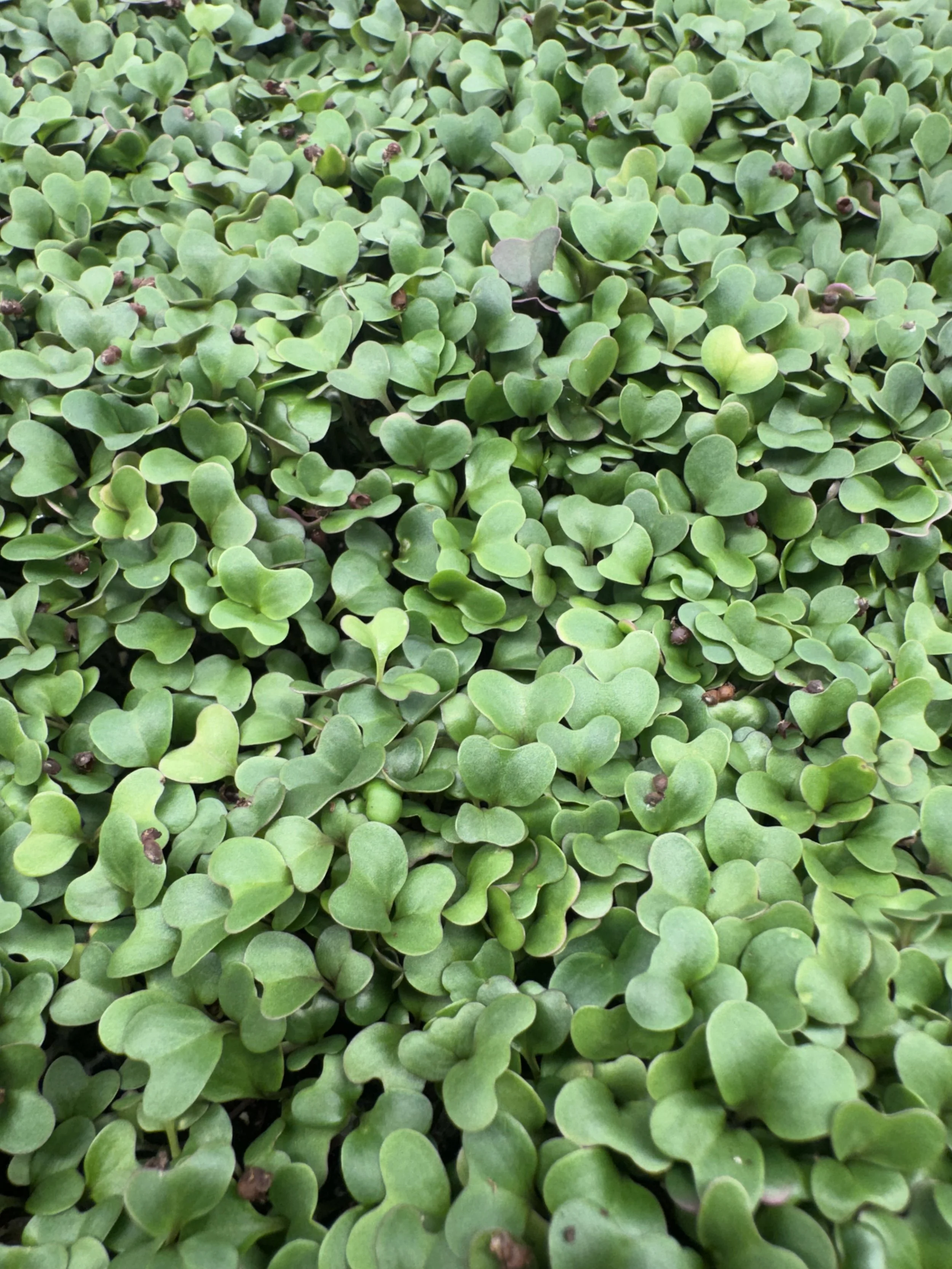
Borage, native to the eastern Mediterranean, has a history dating back to ancient Rome, where it was believed to grant courage, and was used in traditional medicine to treat various ailments like fever and depression. The plant was introduced and cultivated across Europe during the Middle Ages and became especially popular in the British Isles during the Victorian era. Borage made its way to the Americas in the 17th century, where it was incorporated into home gardens.
Flavor Profile:
Refreshing, cucumber-like flavor with hints of sweetness and sometimes melon.
Suggested Uses:
Common uses include garnishing salads, soups, and sandwiches, adding them to smoothies and wraps, and using them in cocktails or infused water. They can also be stirred into sauces or pasta dishes.
Medicinally, traditional borage leaves were used to treat fevers, coughs, and respiratory issues.
Nutrition:*not verified by FDA
Borage microgreens are rich in vitamins A, C, and K, as well as B vitamins like folate. They also provide essential minerals such as calcium, iron, potassium, and magnesium, and beneficial compounds like antioxidants and omega-3 and omega-6 fatty acids. These nutrients support immune function, vision, and bone health, while the fatty acids have anti-inflammatory properties.
Vitamins: Rich in vitamins A, C, and K, as well as B vitamins like folic acid and riboflavin.
Minerals: A good source of calcium, potassium, magnesium, and iron.
Antioxidants: Contain antioxidants that help combat oxidative stress.
Fatty acids: Provide omega-6 fatty acids, including gamma-linolenic acid (GLA), which has anti-inflammatory effects.
Potential Health Benefits:*not verified by FDA
Immune support: Vitamin C supports immune system function.
Wound healing: Vitamin K plays a role in blood clotting and wound healing.
Cellular health: B vitamins, like folic acid, are essential for DNA development.
Anti-inflammatory: GLA has been shown to have anti-inflammatory properties.
Disclaimer:Nutritional information and listed Health Benefits have not been evaluated by the Food and Drug Administration. This product is not intended to diagnose, treat, cure, or prevent any disease. The information on this website is for educational purposes only and not intended as medical advice.
History:
Broccoli has its roots in the Mediterranean, developed from wild cabbage by the Etruscans and Romans as early as the 6th century BCE. Originally cultivated in Southern Italy, it was known for its nutritional value and was introduced to England and America in the 18th century, with significant U.S. commercial popularity arriving only after 1920.
Flavor Profile:
fresh, mild, and slightly sweet flavor, often described as a delicate, grassy, or nutty version of broccoli, with a subtle peppery finish.
Suggested Uses:
Broccoli microgreens are best used raw to maximize their, mild, slightly nutty, and earthy flavor.
Add them as a fresh, crunchy topping for salads, sandwiches, wraps, and avocado toast. They also serve as a nutritious garnish on soups, pizzas, and stir-fries, or blended into smoothies.
Raw & Fresh: Top sandwiches, burgers, or wraps with a handful for crunch, acting as a more nutritious alternative to lettuce.
Salads & Bowls: Mix into salads or use as a base for grain bowls.
Breakfasts: Top avocado toast, scrambled eggs, omelets, or frittatas with raw greens.
Soups & Garnish: Add as a garnish to soups or pasta, preferably just before serving to maintain texture and nutrients.
Smoothies: Blend into fruit or green smoothies for a nutrient boost that doesn't alter the flavor significantly.
Snacks: Pair with hummus, put in sushi, or add to tuna salad.
For Pets: *(always consult a vet before adding microgreens to your pet’s diet)
Bearded Dragons: Broccoli microgreens are generally safe for bearded dragons to eat as a nutritious, nutrient-dense addition to their diet. However, they should be fed in moderation as part of a varied salad, rather than a staple food, due to their potential to interfere with calcium absorption.
Cats: Cats can safely eat broccoli microgreens in moderation. They are a nutrient-dense, non-toxic addition to a cat's diet, providing fiber, vitamins, and antioxidants that aid digestion. Broccoli microgreens are considered safe, but should only be given occasionally or in small amounts (around 5% of their diet) because cats are carnivores.
Dogs: Broccoli microgreens are not only safe for dogs but are considered a highly nutritious superfood for them. They are actually often better for dogs than mature broccoli because they are easier to digest and contain significantly higher concentrations of beneficial compounds.
Guinea Pigs: Broccoli microgreens are generally safe and nutritious for guinea pigs to eat in small, moderate amounts as part of a varied diet. They are rich in vitamins, especially Vitamin C, which is crucial for guinea pig health. However, they should be fed sparingly because they can cause gas or bloating.
Rabbits: Broccoli microgreens are generally safe and nutritious for rabbits, offering packed vitamins and minerals, though they should be fed in moderation. Like other cruciferous veggies, they may cause gas or digestive upset in some rabbits if overfed. Introduce them slowly, ensure they are part of a varied diet, and monitor for changes in stool.
Nutrition:*not verified by FDA
Broccoli microgreens are exceptionally nutrient-dense, containing up to 40 times more vitamins, minerals, and antioxidant compounds (like sulforaphane) than mature broccoli. Harvested 7–14 days after germination, they are rich in vitamins A, C, E, and K, along with potassium, calcium, and iron.
Key Nutritional Content *not verified by FDA
High Sulforaphane: Broccoli microgreens contain a massive concentration of sulforaphane compared to mature broccoli, which is linked to anti-cancer properties and reduced oxidative stress.
Vitamin Powerhouse: They are excellent sources of Vitamin C (approx. 70–117 mg/100g), Vitamin K (130 mcg/100g), and Vitamin A (beta-carotene).
Essential Minerals: They provide significant amounts of potassium (326 mg/100g), along with magnesium, phosphorus, iron, and zinc.
Low-Calorie Nutrition: A small serving (e.g., a few ounces) is very low in calories (<3 calories per serving) but packed with nutrients.
Nutritional Comparison (Per 100g, Approximate):*not verified by FDA
Vitamin C: 70–117 mg
Vitamin K: 130 mcg
Potassium: 326 mg
Calcium: 88 mg
Potential Health Benefits:*not verified by FDA
They are highly concentrated in antioxidants, vitamins A, C, and K, and minerals that promote cancer prevention, detoxification, heart health, improved immunity, and reduced inflammation.
Potent Cancer Prevention: They are an exceptionally high source of sulforaphane, a compound that helps detoxify harmful substances, protects cells from damage, and has been linked to reducing the growth of various cancers.
High Nutrient Concentration: They are rich in vitamins A, C, E, and K, as well as essential minerals like calcium, magnesium, and iron, providing a dense nutritional boost in small servings.
Heart and Metabolic Health: Regular consumption may help lower LDL cholesterol, reduce blood pressure, and improve cardiovascular health due to their high antioxidant levels.
Immune System Support: Packed with vitamins and phytonutrients, they help strengthen the immune system and fight off infections.
Improved Digestion and Gut Health: The fiber content aids in digestion and helps promote a healthy gut microbiome.
Reduced Inflammation and Aging: Sulforaphane and antioxidants combat oxidative stress, which may slow cellular aging and reduce chronic inflammation.

Disclaimer: Nutritional information and listed Health Benefits have not been evaluated by the Food and Drug Administration. This product is not intended to diagnose, treat, cure, or prevent any disease. The information on this website is for educational purposes only and not intended as medical advice.
History:
Despite its name, buckwheat and wheat are unrelated. Buckwheat is actually gluten free!
Since ancient times, it has been domesticated and is an everyday cuisine in many Asian nations. During the Middle Ages, cultivation spread throughout Europe, where it developed into a significant staple crop, especially in areas with poor soil.
Buckwheat was initially grown for its grain-like seeds. It has since made its way into many local cuisines. It is well-known for its usage in flour, noodles, and pancakes. But the health and wellness industry has discovered a nutritional gem in buckwheat microgreens.
Buckwheat microgreens are an attractive addition to vegetarian or vegan diets since they are an excellent source of dietary fiber and plant-based proteins.
Flavor Profile:
Buckwheat microgreens have a mild, nutty flavor with a hint of sweetness. They are often described as having a fresh and earthy taste.
Suggested Uses:
Buckwheat microgreens can be used as a flavorful and nutrient-dense addition to many dishes, including salads, sandwiches, wraps, and grain bowls, as well as being blended into smoothies or juiced for a nutritional boost. They are also used as a garnish for a variety of meals, such as soups and pizzas, and can even be incorporated into dips, pestos, and sauces.
Nutrition:*not verified by FDA
Buckwheat microgreens are a nutritious food, rich in B vitamins, vitamin C, and vitamin K. They are an excellent source of high-quality protein and fiber, and also provide a wide range of essential minerals like magnesium, copper, zinc, and manganese. These microgreens contain the antioxidant bioflavonoid rutin, which can support cardiovascular health by strengthening blood vessels and reducing LDL cholesterol oxidation.
Vitamins: B vitamins (including folic acid), C, and K.
Minerals: Magnesium, manganese, copper, zinc, iron, potassium, and calcium.
Protein: All eight essential amino acids, making it a complete protein.
Fiber: High in dietary fiber, which aids digestion.
Antioxidants: Rich in bioflavonoids like rutin, which has antioxidant and anti-inflammatory properties.
Potential Health Benefits:*not verified by FDA
Cardiovascular health: Rutin may help strengthen blood vessels, improve circulation, and lower LDL cholesterol.
Immune support: Essential vitamins and minerals like magnesium, copper, and zinc contribute to a healthy immune system.
Bone health: Minerals such as magnesium, phosphorus, and calcium are crucial for maintaining healthy bones and teeth.
Digestive health: High fiber content promotes healthy digestion and gut health.
Blood sugar regulation: Some studies suggest compounds in buckwheat may help slow glucose absorption, which could benefit people with diabetes.
Collagen production: Contains lysine, an amino acid important for collagen production.
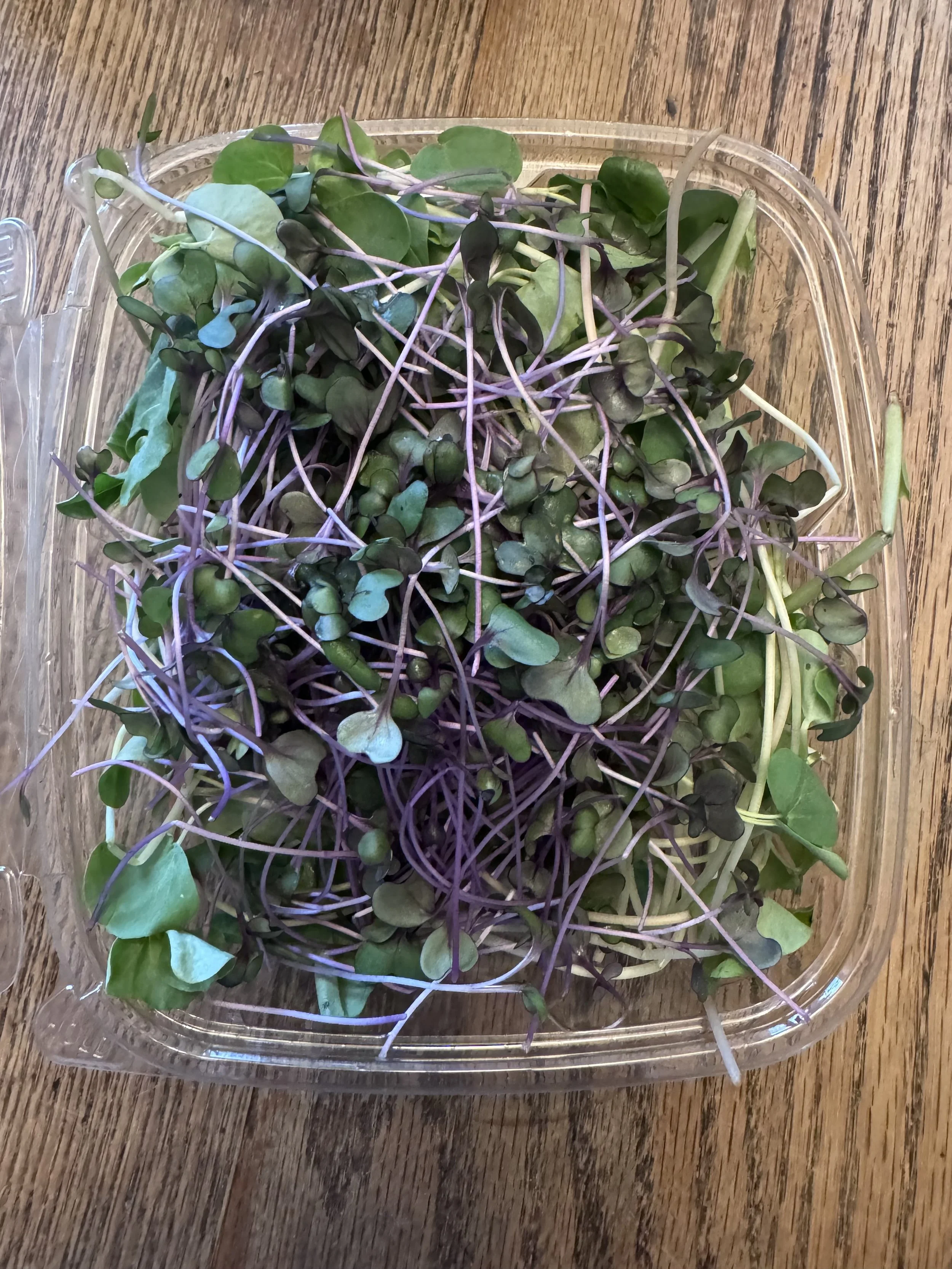
Our Famous Bucky Blend Mild! Enjoy a nutritious blend of Fava Bean micros, Buckwheat micros, and Red Cabbage micros. A hearty, healthy salad ready to eat right out of the box!
Nutrition:*not verified by FDA
Rich in vitamins A, C, E, K, and several B vitamins, as well as minerals like iron, magnesium, and potassium. They are an excellent source of plant-based protein and dietary fiber, which aids in digestion and can support heart health due to their low fat and cholesterol content. Additionally, they are high in antioxidants that help protect cells from damage.
Vitamins: Packed with vitamins A, C, E, and K, along with a variety of B vitamins, including B1, B6, and folate.
Minerals: Good source of minerals such as iron, magnesium, potassium, and copper.
Protein: A significant source of plant-based protein, with fava beans being 28% protein.
Fiber: High in dietary fiber, which promotes a healthy digestive system and can help with heart health.
Antioxidants: Contain antioxidants that help protect the body from free radical damage.
Other beneficial compounds: Contain phytonutrients like isoflavones and plant sterols, and also contain levodopa, which is a precursor to dopamine.
Potential Health Benefits:*not verified by FDA
Micros in this salad help support bone health, boost the immune system, and aid digestion due to their rich content of vitamins (A, C, K, B vitamins) and minerals like potassium, iron, and magnesium. They also contain protein and fiber, which are good for digestive health and satiety. Additionally, fava beans contain L-dopa, a compound converted to dopamine that may support mood and cognitive function.
Antioxidant Power: The anthocyanins in red cabbage microgreens protect cells from oxidative damage, reducing the risk of chronic diseases like cancer and heart disease.
Rich in vitamins: They are packed with vitamins A, C, K, and various B vitamins, which support immune function, bone health, and blood clotting.
Minerals: Fava bean microgreens provide essential minerals like potassium, iron, magnesium, and manganese, which are important for various bodily functions, including energy production and nerve function.
Enhanced Eye Health: The presence of lutein and zeaxanthin supports eye health and protects against age-related macular degeneration.
Protein and fiber: They are an excellent source of plant-based protein and fiber, which can aid digestion and help you feel full.
Antioxidants: They contain beneficial antioxidant compounds that help protect the body from damage.
Brain health: The presence of L-dopa, which the body converts to dopamine, may help with mood regulation and cognitive function.
Bone health: Fava beans contain nutrients that support bone health.
Digestive health: The fiber content promotes healthy digestion.
Immune support: Vitamins C and K, along with other nutrients, help support a healthy immune system.
Heart health: They contain compounds like fiber and protein that may help lower cholesterol and improve heart function.
Collagen production: Contains lysine, an amino acid important for collagen production.
Blood sugar regulation: Some studies suggest compounds in buckwheat may help slow glucose absorption, which could benefit people with diabetes.
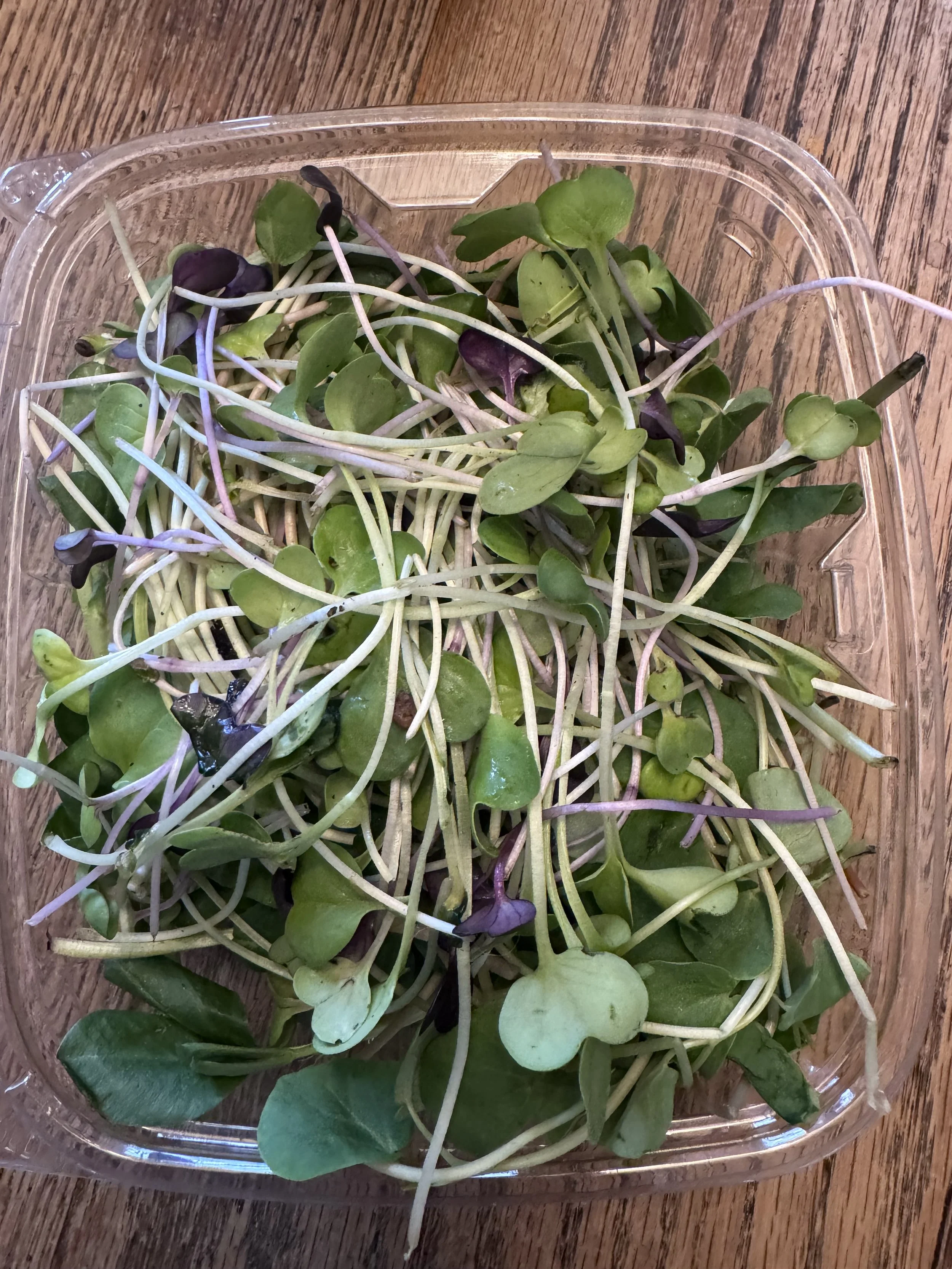
Our Famous Bucky Blend Spicy! Enjoy a nutritious blend of Fava Bean micros, Buckwheat micros, and a blend of Radish micros (Daikon Radish, China Rose Radish, and Red Rambo or Volcano Radish). A hearty salad ready to eat right out of the box!
Nutrition:*not verified by FDA
Fava bean microgreens are a nutritious food, rich in vitamins A, C, K, and several B vitamins, as well as minerals like calcium, iron, magnesium, and potassium. They are an excellent source of plant-based protein and dietary fiber, which aids in digestion and can support heart health due to their low fat and cholesterol content. Additionally, they are high in antioxidants that help protect cells from damage.
Vitamins: Packed with vitamins A, C, and K, along with a variety of B vitamins, including B1, B6, and folate.
Minerals: Good source of minerals such as calcium, iron, magnesium, potassium, and copper.
Protein: A significant source of plant-based protein, with fava beans being 28% protein.
Fiber: High in dietary fiber, which promotes a healthy digestive system and can help with heart health.
Antioxidants: Contain antioxidants that help protect the body from free radical damage.
Other beneficial compounds: Contain phytonutrients like isoflavones and plant sterols, and also contain levodopa, which is a precursor to dopamine.
Potential Health Benefits:*not verified by FDA
Micros in this salad help support bone health, boost the immune system, and aid digestion due to their rich content of vitamins (A, C, K, B vitamins) and minerals like potassium, iron, and magnesium. They also contain protein and fiber, which are good for digestive health and satiety. Additionally, fava beans contain L-dopa, a compound converted to dopamine that may support mood and cognitive function.
Rich in vitamins: They are packed with vitamins A, C, K, and various B vitamins, which support immune function, bone health, and blood clotting.
Minerals: Fava bean microgreens provide essential minerals like potassium, iron, magnesium, and manganese, which are important for various bodily functions, including energy production and nerve function.
Protein and fiber: They are an excellent source of plant-based protein and fiber, which can aid digestion and help you feel full.
Antioxidants: They contain beneficial antioxidant compounds that help protect the body from damage.
Anti-inflammatory Properties: They help reduce chronic inflammation, which is linked to various diseases.
Brain health: The presence of L-dopa, which the body converts to dopamine, may help with mood regulation and cognitive function.
Bone health: Fava beans contain nutrients that support bone health.
Digestive health: The fiber content promotes healthy digestion.
Immune support: Vitamins C and K, along with other nutrients, help support a healthy immune system.
Heart health: They contain compounds like fiber and protein that may help lower cholesterol and improve heart function.
Collagen production: Contains lysine, an amino acid important for collagen production.
Blood sugar regulation: Some studies suggest compounds in buckwheat may help slow glucose absorption, which could benefit people with diabetes.
Disclaimer:Nutritional information and listed Health Benefits have not been evaluated by the Food and Drug Administration. This product is not intended to diagnose, treat, cure, or prevent any disease. The information on this website is for educational purposes only and not intended as medical advice.
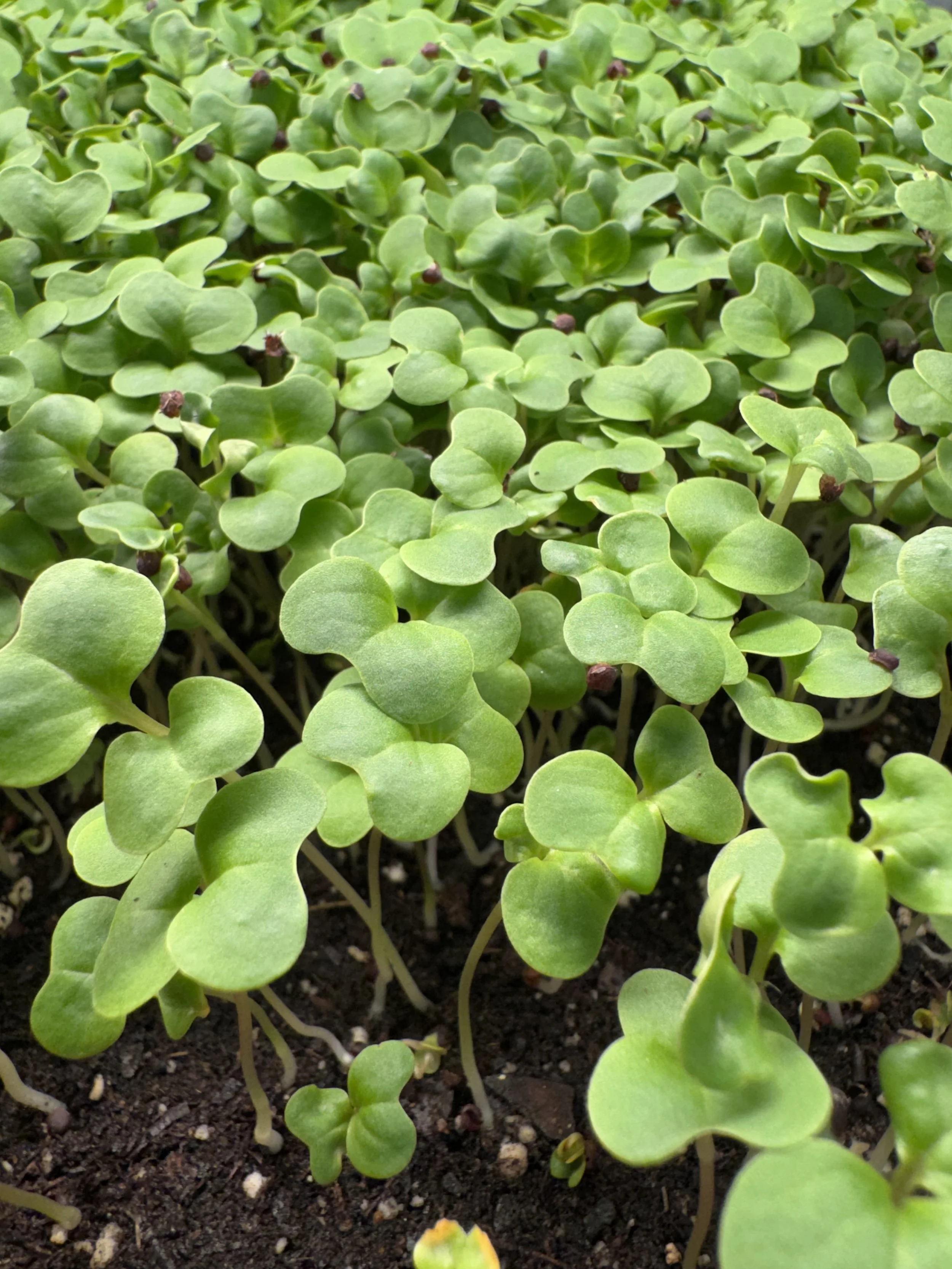
This item is grown to order and requires a 2 week lead time. We will grow a 10"x10" tray of these micros which we will cut and package for you when they are ready.
History:
Canola was developed in Canada during the 1970s by plant breeders who used traditional cross-breeding to create a new type of rapeseed with low levels of erucic acid and glucosinolates. This new crop, named "canola" (a contraction of "CANada Oil Low Acid"), was intended for human consumption and animal feed, and was marketed by the late 1970s to differentiate it from the parent rapeseed plant, which was previously used primarily for industrial lubricants.
Flavor Profile:
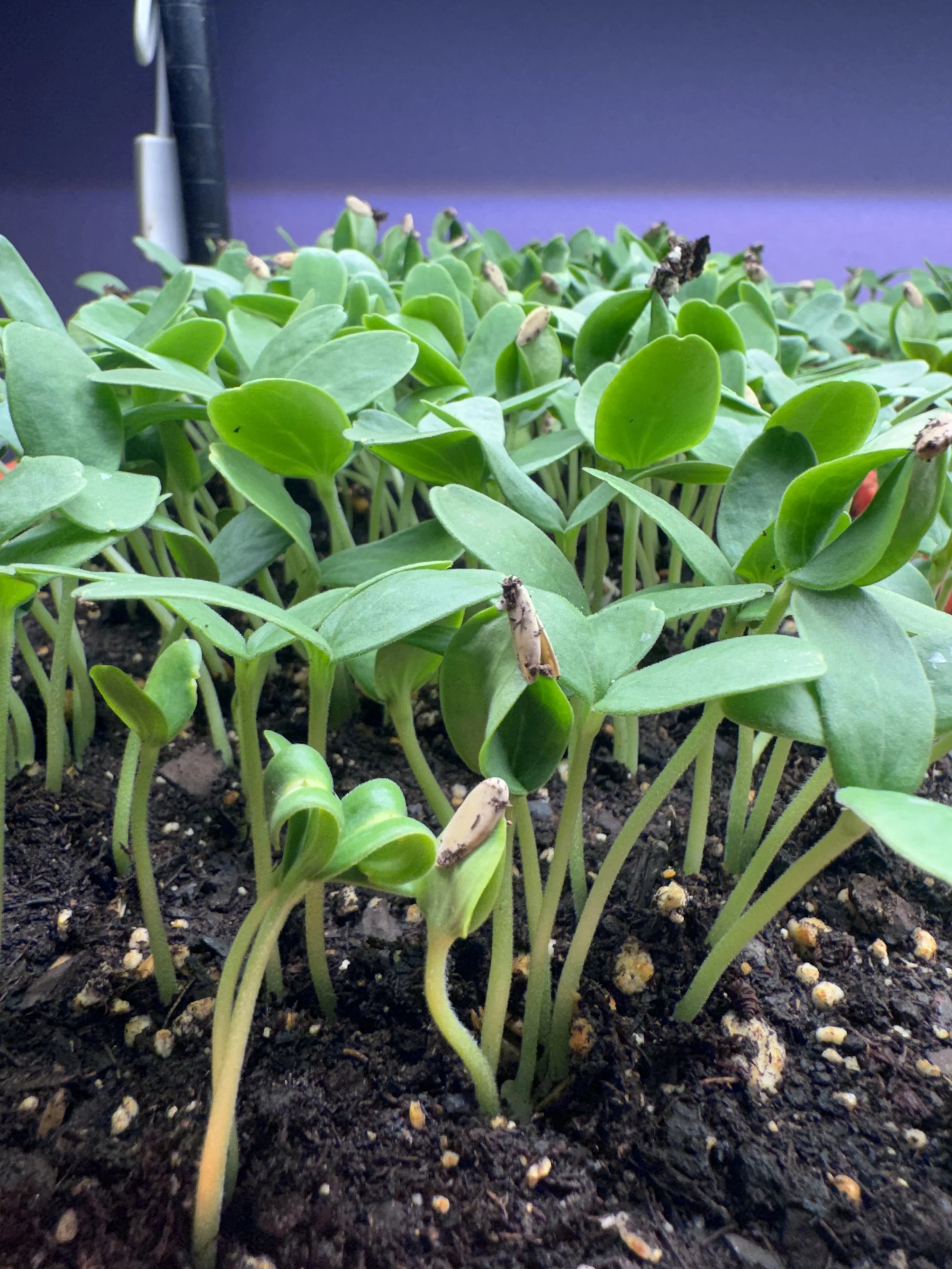
Canola microgreens have a crunchy, tender texture with a mild, fresh, and slightly spicy flavor that is comparable to kale or mustard greens.
Suggested Uses:
Canola is a versatile microgreen that can be used in salads, soups, smoothies, or sauces to add a subtle peppery kick and a touch of mild bitterness.
Nutrition:*not verified by FDA
Canola microgreens are a nutritional powerhouse, although it is best to consume them in moderation since large amounts may be less healthy in the long run. They are rich in Vitamins A, B, C, E, and K, as well as minerals like potassium, iron, calcium, magnesium, zinc, and phosphorus. They are packed with antioxidants and can offer several health benefits, such as supporting heart health, boosting the immune system, and contributing to healthy skin.
Vitamins: Canola microgreens contain a wide array of vitamins, including a, B (B1, B2, B3, B5, B6, B9), C, E, and K.
Minerals: They are an excellent source of essential minerals like potassium, iron, calcium, magnesium, zinc, and phosphorus.
Antioxidants: They are high in antioxidants, such as polyphenols and flavonoids, which help protect the body from cell damage and chronic diseases.
Other compounds: They also contain dietary fiber, saturated fatty acids, and can be a good source of protein.
Suggested Health Benefits:*not verified by FDA
Heart health: The high levels of polyphenols may help reduce the risk of heart disease.
Immune support: The vitamins and minerals found in these microgreens strengthen the immune system.
Digestive health: They can improve the function of the gastrointestinal tract and boost metabolism, which may aid in weight management.
Blood health: They can help prevent the formation of blood clots and improve the condition of the circulatory system.
Skin health: They may help preserve the health and beauty of the skin.
Disclaimer: Nutritional information and listed Health Benefits have not been evaluated by the Food and Drug Administration. This product is not intended to diagnose, treat, cure, or prevent any disease. The information on this website is for educational purposes only and not intended as medical advice.
History:
Cantaloupe likely originated in the Middle East or India and was cultivated by ancient Egyptians and Romans before being introduced to Europe. The name "cantaloupe" comes from Cantalupo, an Italian village near Rome where the fruit was first grown in Europe. It was brought to the Americas by Spanish and Portuguese explorers, with commercial cultivation in the United States growing significantly in the late 19th century.
Cantaloupe seeds were brought to the Americas by Spanish and Portuguese explorers, likely on Christopher Columbus's voyages in the 15th century. The fruit was shared with indigenous populations and became a popular crop in many parts of the Americas.
Flavor Profile:
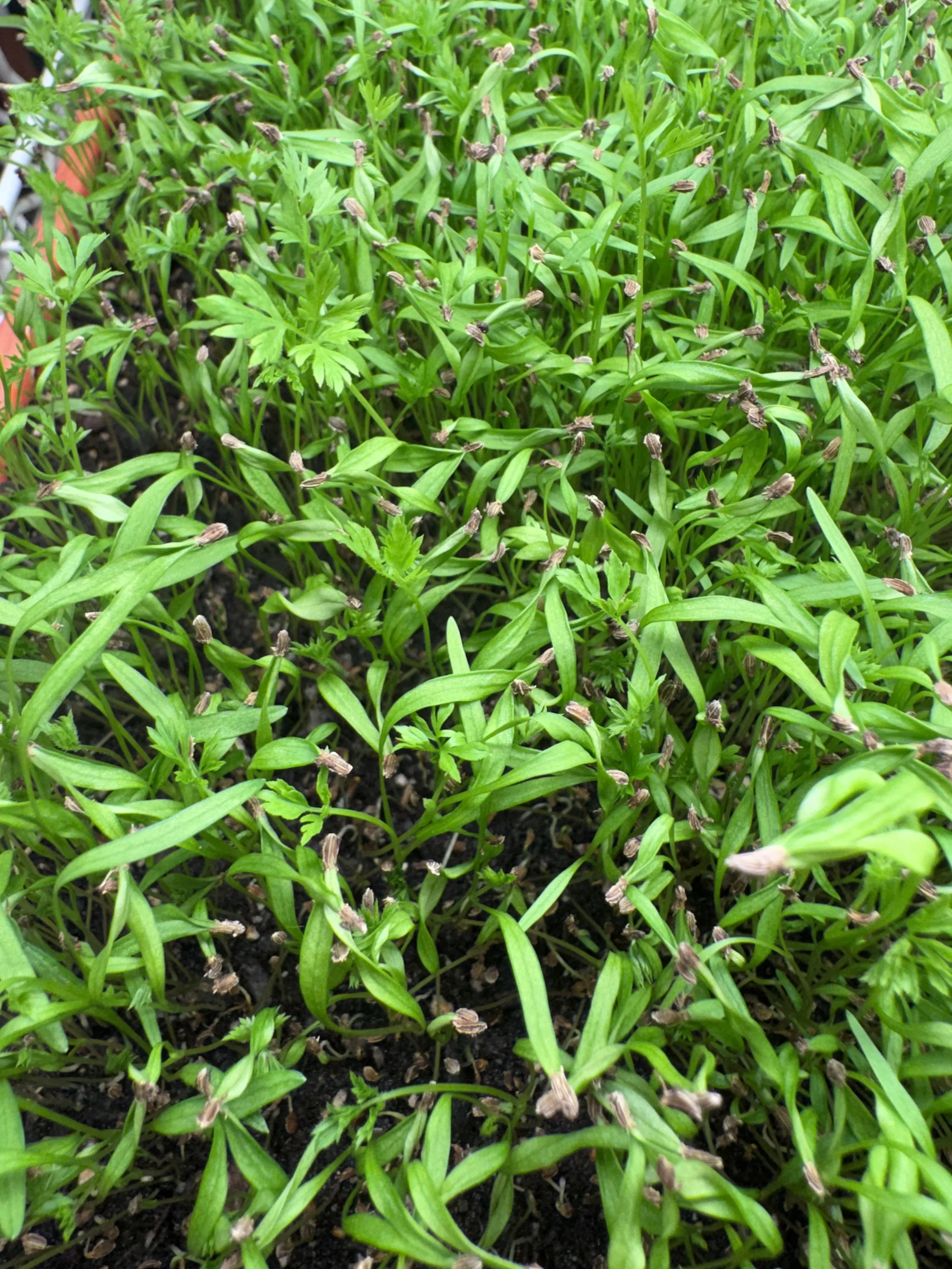
Cantaloupe microgreens have a mild, slightly sweet, and fruity flavor with notes of fresh melon and cucumber. They are light, refreshing, and aromatic, and unlike the fruit, they have a crunchy texture.
Suggested Uses:
Cantaloupe microgreens can be used in a variety of ways, including as a fresh addition to salads, sandwiches, and wraps, as a garnish for both sweet and savory dishes like desserts and cocktails, or blended into smoothies and juices for a sweet, melon-like flavor. Their sweet and subtle taste makes them versatile enough to be added to a wide range of meals.
Nutrition:*not verified by FDA
Cantaloupe microgreens are rich in vitamins A, C, and K, as well as antioxidants and minerals like potassium, folate, and magnesium. They are a nutrient-dense food with benefits for eye health (from beta-carotene), immune support (from vitamin C), and bone health (from vitamin K and calcium). They are also hydrating, contain dietary fiber, and offer a unique, subtle melon flavor.
Vitamins: High in vitamins A, C, and K. Also contain B vitamins like folate and niacin (B3).
Minerals: Excellent source of potassium and contains magnesium, copper, iron, and calcium.
Antioxidants: Rich in antioxidants like beta-carotene, carotenoids, and polyphenols, which help protect cells from damage.
Fiber: Provide dietary fiber, which aids digestion.
Protein: A good source of protein.
Potential Health Benefits:*not verified by FDA
Immune system: Vitamin C helps to boost the immune system and fight off infections.
Eye health: Beta-carotene (provitamin A) supports retina health and vision.
Bone health: Vitamins K and A, along with calcium and magnesium, support strong bones.
Heart health: Potassium helps regulate blood pressure and supports heart function.
Hydration: High water content contributes to hydration.
Cellular health: Folate is critical for DNA synthesis and repair.
Disclaimer: Nutritional information and listed Health Benefits have not been evaluated by the Food and Drug Administration. This product is not intended to diagnose, treat, cure, or prevent any disease. The information on this website is for educational purposes only and not intended as medical advice.
This item is grown to order and requires a 2 week lead time. We will grow a 10"x10" tray of these micros which we will cut and package for you when they are ready.
History:
Carrots originated in the region of modern-day Afghanistan around 5,000 years ago, initially cultivated for their aromatic leaves and seeds, not their roots. The first cultivated carrots were purple or yellow, and it wasn't until the 17th century that Dutch farmers selectively bred yellow and red varieties to create the orange carrot that is common today.
Flavor Profile:
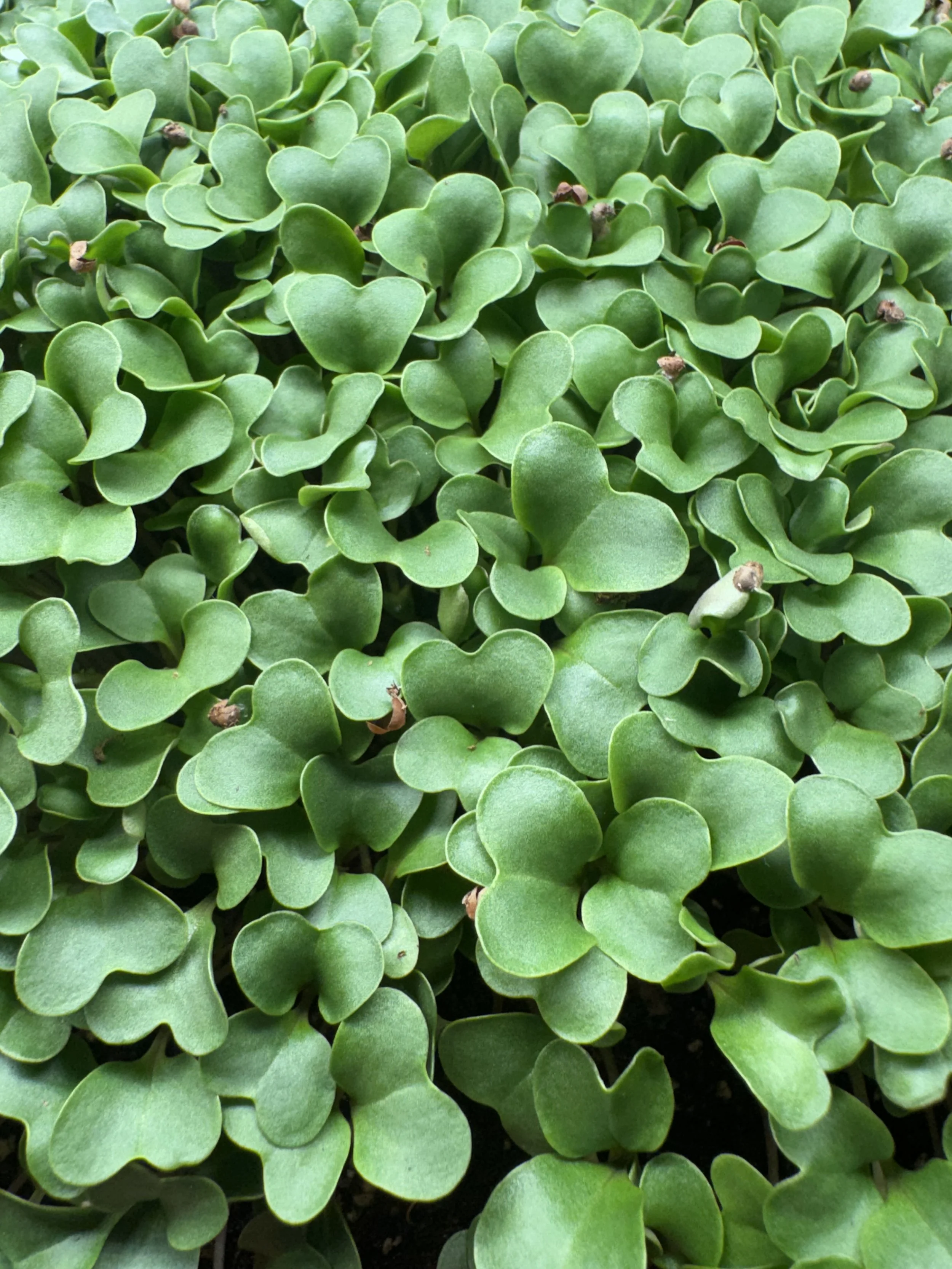
Carrot microgreens have a mild, sweet, and earthy flavor profile, similar to a young carrot. They also have a fresh, slightly nutty, and sometimes subtly spicy taste with a crisp, tender texture.
Suggested Uses:
Carrot microgreens can be used as a garnish for salads, soups, and sandwiches, added to smoothies for a nutrient boost, or incorporated into salads and other dishes for a mild, earthy flavor and crunchy texture. Their versatility allows them to be used raw as a fresh topping or blended into drinks and sauces like pesto.
For Pets: *(always consult a vet before adding microgreens to your pet’s diet)
Bearded Dragons: Carrot microgreens are safe and nutritious for bearded dragons in moderation, often enjoyed for their flavor. They are packed with essential vitamins like C, K, and B6. As a member of the carrot family, they should be treated as a nutritious addition to a salad, rather than a staple daily green, and washed thoroughly before serving.
Cats: Carrot microgreens (and the leafy greens/tops) are safe for cats to eat in moderation. They are not toxic and can provide vitamins, minerals, and fiber that aid in digestion. However, as obligate carnivores, cats do not require vegetables, so these should only be an occasional treat or food topper.
Dogs: Carrot microgreens are safe and nutritious for dogs, offering a boost of vitamins A, C, K, and folate. These young, leafy greens can be chopped or blended into their food, providing high-quality fiber and antioxidants that support immune system health. They are a healthy alternative to full-sized carrot tops, which some dogs find too bitter.
Guinea Pigs: Carrot microgreens and carrot tops are safe for guinea pigs to eat, though they should be given in moderation as a treat rather than a daily staple. They are nutrient-dense and safe to include in a varied diet, often loved by piggies.
Rabbits: Carrot microgreens and carrot tops are safe for rabbits to eat, as they are a nutritious, low-sugar leafy green option. They can be part of a daily diet, but they should be introduced gradually to ensure they do not cause digestive issues.
Nutrition:*not verified by FDA
Carrot microgreens are packed with nutrients, including vitamins A, C, and K, and minerals like potassium, calcium, and iron. They are also a good source of fiber and antioxidants, such as beta-carotene, and are low in calories.
Vitamins: Excellent source of vitamins A, C, and K, plus B vitamins and vitamin E.
Minerals: Rich in potassium, calcium, iron, and magnesium.
Antioxidants: Contain antioxidants like beta-carotene, which can help protect against cell damage.
Fiber: Provides dietary fiber, which is good for digestive health.
Potential Health Benefits:*not verified by FDA
Eye health: High vitamin A and beta-carotene content supports strong vision.
Immune system: Vitamins C and other nutrients help boost immune function.
Bone health: Vitamin K is essential for strong bones and blood clotting.
Digestive health: Fiber aids in proper digestion.
Disclaimer:Nutritional information and listed Health Benefits have not been evaluated by the Food and Drug Administration. This product is not intended to diagnose, treat, cure, or prevent any disease. The information on this website is for educational purposes only and not intended as medical advice.
This item is grown to order and requires a 2 week lead time. We will grow a 10"x10" tray of these micros which we will cut and package for you when they are ready.
History:
Cauliflower likely originated in the Mediterranean and Asia Minor regions over two thousand years ago, with cultivation records dating back to the ancient Greeks and Romans. It was later introduced to the rest of Europe by Arab traders and first appeared in France in the 1600s, followed by America around a century later. Modern cauliflower varieties have been developed from the wild cabbage plant, which is the ancestor of many other vegetables like broccoli, kale, and cabbage.
Flavor Profile:
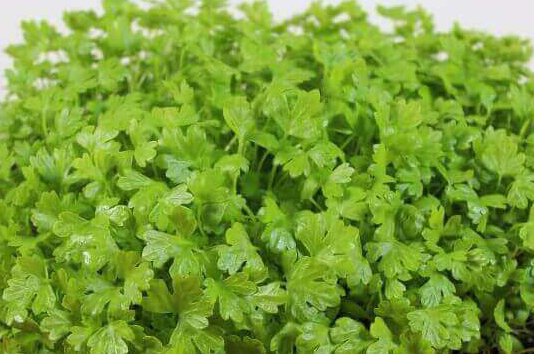
Cauliflower microgreens have a crisp, juicy, mild, slightly peppery, and nutty flavor with a hint of cabbage or cauliflower.
Suggested Uses:
Cauliflower micros can be used as a raw ingredient in salads, sandwiches, and wraps, or as a flavorful and nutritious garnish for soups, pasta, pizza, and other dishes. They are also great additions to smoothies and can be served as a side to any meal.
Nutrition:*not verified by FDA
Cauliflower microgreens are nutrient-dense, containing high levels of vitamins C and K, antioxidants, and minerals like calcium, magnesium, and iron. They also provide fiber and are low in calories, supporting benefits such as immune function, bone health, and digestion. Their nutrients are highly bioavailable, meaning they are easily absorbed by the body.
Vitamins C and K: An excellent source of these vitamins, which support immune health, collagen production, bone health, and blood clotting.
Antioxidants: Rich in antioxidants like beta-carotene and vitamin E that protect cells from damage by free radicals.
Minerals: Contain a range of essential minerals, including calcium, magnesium, iron, and potassium.
Fiber: Support digestive health and can help regulate blood sugar by slowing glucose absorption.
Sulforaphane: As a member of the Brassica family, they contain this beneficial compound, which may have cancer-fighting properties and improve insulin sensitivity.
High Bioavailability: The nutrients in microgreens are in a form that the body can more readily access and use.
Health Benefits:*not verified by FDA
Rich in antioxidants: Cauliflower microgreens contain potent antioxidants like sulforaphane, which may help combat cell damage from free radicals and reduce oxidative stress.
Helps support immune health: They are an excellent source of Vitamin C, which helps strengthen the immune system and is essential for wound healing.
Promotes heart health: The potassium in cauliflower microgreens may help regulate blood pressure, while sulforaphane may improve blood vessel function and reduce inflammation.
Helps aid digestion: The fiber in microgreens promotes healthy digestion and regular bowel movements.
Potential anti-cancer properties: Compounds like sulforaphane have been researched for their potential to prevent cancer by helping to detoxify harmful substances and inhibit cancer cell growth.
Good source of vitamins and minerals: Beyond Vitamin C, they are packed with other vitamins like K and E, and minerals such as potassium and calcium, which are vital for blood clotting, bone health, and other bodily functions.
Disclaimer:Nutritional information and listed Health Benefits have not been evaluated by the Food and Drug Administration. This product is not intended to diagnose, treat, cure, or prevent any disease. The information on this website is for educational purposes only and not intended as medical advice.
This item is grown to order and requires a longer 4 week lead time due to its slow growth rate. We will grow a 10"x10" tray of these micros which we will cut and package for you when they are ready.
History:
Celery originated as a wild herb native to the Mediterranean and was first cultivated for its culinary use around 1623 in France. Early varieties were bitter and primarily used as a flavoring, but selective breeding in Europe, particularly in Italy, France, and England, eventually led to milder, fleshier stalks used in salads and as a centerpiece. It was introduced to America by colonists, becoming a prized vegetable that was eventually mass-produced.
Flavor Profile:
Celery microgreens have an intense, concentrated celery flavor that is both bright and vegetal, with added notes of earthiness, slight bitterness, and a clean, peppery finish. They offer a crunchier texture than mature celery, without the tough strings.
Suggested Uses:
Celery microgreens are used in culinary applications like salads, sandwiches, and soups for their intense, fresh celery flavor without the tough strings of mature stalks. They can also be blended into smoothies, juices, or pesto, used as a garnish for various dishes, or incorporated into dips and other recipes.
Nutrition:*not verified by FDA
Celery microgreens are packed with nutrients, including vitamins A, B, C, and E, and minerals like calcium, iron, potassium, magnesium, phosphorus, and zinc.
Vitamins: A, B (complex), C, and E
Minerals: Calcium, iron, magnesium, phosphorus, potassium, and zinc
Other: Amino acids, antioxidants, and dietary fiber
Health Benefits:*not verified by FDA
Celery microgreens are nutrient-dense, offering benefits like antioxidant protection, immune system support, and improved digestive health due to their high concentration of vitamins (A, C, E, K), minerals (potassium, iron, calcium), and fiber. They may also help with cardiovascular health by supporting healthy blood pressure and contain anti-inflammatory compounds.
Rich in nutrients: Celery microgreens contain high levels of vitamins A, C, E, and K, as well as minerals like potassium, iron, calcium, and magnesium.
Antioxidant protection: They are packed with antioxidants, such as flavonoids, that help neutralize harmful free radicals in the body, which can reduce the risk of chronic diseases.
Immune system support: The high vitamin C content in microgreens is crucial for a healthy immune system.
Digestive health: The fiber in celery microgreens promotes a healthy gut microbiome and can aid digestion.
Cardiovascular support: Compounds in celery microgreens may help relax blood vessels, contributing to healthy blood pressure levels. The potassium and iron content also support heart health.
Anti-inflammatory properties: Some studies suggest that microgreens may have anti-inflammatory properties that can help reduce inflammation throughout the body, which is linked to various chronic diseases.
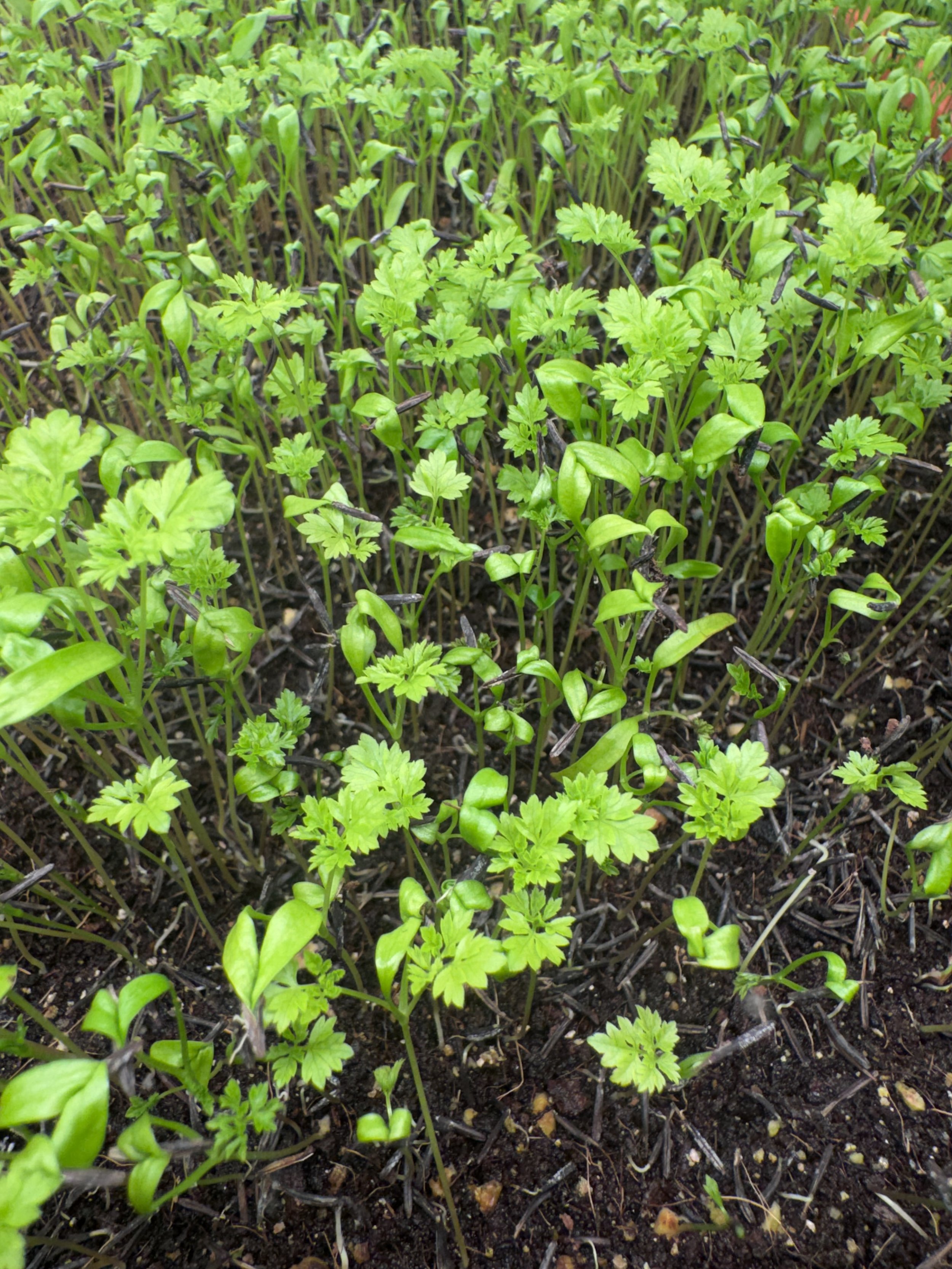
This item is grown to order and requires a 2 week lead time. We will grow a 10"x10" tray of these micros which we will cut and package for you when they are ready.
Disclaimer: Nutritional information and listed Health Benefits have not been evaluated by the Food and Drug Administration. This product is not intended to diagnose, treat, cure, or prevent any disease. The information on this website is for educational purposes only and not intended as medical advice.
History:
Chervil originated in the Caucasus region of Western Asia and was spread throughout Europe by the ancient Romans, who used it both for its flavor and believed medicinal properties. It became a staple in French cuisine, a key component of the classic herb blend fines herbes, and historically held symbolic meaning, particularly for its association with new life in spring and its link to Easter.
Chervil was highly prized by ancient civilizations for its medicinal properties and was used to treat ailments such as digestive issues, respiratory problems, and insomnia. It was also believed to have aphrodisiac properties and was used in love potions and rituals.
Flavor Profile:
Chervil microgreens have a delicate, mild, and sweet flavor with notes of anise, parsley, and sometimes a hint of mint or fennel. Their flavor is best described as a subtle anise or licorice taste without being overpowering, making them a refined garnish for many dishes.
Suggested Uses:
Chervil microgreens are best used fresh as a delicate garnish or subtle flavoring for a wide variety of dishes, including soups, salads, eggs, and fish. Their mild, slightly anise-flavored leaves add elegance and are often used in French cuisine. They can also be added to casseroles, roasted vegetables, and sauces, or even used to infuse oils.
Nutrition:*not verified by FDA
Chervil microgreens are a good source of vitamins A, C, and E, as well as minerals like iron, potassium, calcium, and magnesium. They also contain antioxidants, which help protect cells from damage and support the immune system. Due to their concentrated nutrient profile, they can offer more vitamins and minerals than the mature plant.
Potential Health Benefits:*not verified by FDA
Vitamins A, C, and E: These act as antioxidants, helping to protect cells from damage, support vision, and boost the immune system.
Reduced inflammation: The antioxidant properties of these vitamins can help reduce inflammation in the body.
Bone and blood health *not verified by FDA
Calcium and Iron: Chervil microgreens are a source of calcium for bone formation and iron for healthy red blood cell formation and oxygen transport.
Vitamin K: This vitamin contributes to strong bones and proper blood clotting.
Digestive and heart health *not verified by FDA
Digestive support: Chervil microgreens are associated with supporting healthy digestion.
Heart health: They can contribute to heart health, and studies on microgreens, in general, show potential for reducing heart disease risk factors like high LDL cholesterol and triglycerides.
Additional benefits*not verified by FDA
Other minerals: They contain other important minerals such as potassium, copper, and zinc, which are crucial for various bodily functions including nervous system and heart function.
Antibacterial and antifungal properties: They may have antibacterial and antifungal properties that help protect against infections.

Disclaimer:Nutritional information and listed Health Benefits have not been evaluated by the Food and Drug Administration. This product is not intended to diagnose, treat, cure, or prevent any disease. The information on this website is for educational purposes only and not intended as medical advice.This item is grown to order and requires a 2 week lead time. We will grow a 10"x10" tray of these micros which we will cut and package for you when they are ready.
History:
The history of Chia dates back to ancient civilizations like the Mayans and Aztecs, who used the seeds for sustenance, medicine, and religious rituals. The word "chia" comes from the Mayan word for "strength," referring to the energy the seeds provided. After being used extensively, chia seeds declined in importance after the Spanish conquest and later saw a revival in the late 20th century with a project to recover lost nutritional plants and modern commercial cultivation.
Flavor Profile:
Chia microgreens have a mild, fresh, and slightly nutty flavor with a hint of bitterness and spice. They are also described as having a tangy taste and a velvety, soft texture. Because of their mild flavor, they can be used to add freshness to a wide variety of dishes without overwhelming other ingredients.
Suggested Uses:
Chia microgreens can be used as a nutritional boost in many dishes, including salads, sandwiches, wraps, and smoothies. They are also great as a garnish for soups, eggs, and grain bowls, or as an ingredient in dips and spreads. Their mild, slightly tangy, and sometimes minty flavor adds a fresh and vibrant touch to meals.
Nutrition:*not verified by FDA
Chia microgreens are nutrient-dense, packed with vitamins A, C, E, and B, plus minerals like calcium, magnesium, iron, phosphorus, zinc, copper, and manganese. They are a significant source of omega-3 fatty acids and fiber, and the germination process increases the bioavailability of nutrients while reducing anti-nutrients like phytic acid compared to chia seeds alone.
Vitamins: A, C, E, and B vitamins (thiamin, niacin)
Minerals: Calcium, iron, magnesium, phosphorus, zinc, copper, and manganese
Fats: High in omega-3 fatty acids
Fiber: A good source of dietary fiber
Other compounds: Antioxidants, chlorophyll, and all 18 essential amino acids
Benefits of microgreens over seeds*not verified by FDA
Improved bioavailability: The germination process breaks down anti-nutrients, making minerals like iron, zinc, and calcium more easily absorbed by the body.
Higher nutrient density: Some nutrients can be present in significantly higher concentrations than in the mature seeds.
Increased vitamin C: Germination can increase vitamin C levels by up to 17 times.
Potential Health Benefits:*not verified by FDA
Rich in antioxidants: Germination significantly increases the concentration of antioxidants, which help protect against oxidative stress and chronic disease.
Increased nutrient bioavailability: The sprouting process makes vitamins and minerals like iron, zinc, and calcium more easily absorbed by the body.
High in fiber and protein: They are an excellent source of dietary fiber and protein, which supports digestion and satiety.
Chlorophyll content: Sprouted chia has high levels of chlorophyll, which can help cleanse the blood and support the body's natural detox systems.
Omega-3 fatty acids: Like the seeds, the microgreens contain beneficial omega-3 fatty acids that support cardiovascular health and brain function.
Heart health: The potassium, magnesium, and fiber help support healthy blood pressure and circulation. Omega-3s contribute to a healthy heart by stabilizing cholesterol and insulin levels.
Bone health: The high levels of calcium, magnesium, and vitamin K are essential for maintaining strong bones and preventing osteoporosis.
Brain function: Iron and folate contribute to better brain function and focus, while omega-3s are crucial for cognitive health and mood regulation.
Immune support: Vitamins C and other antioxidants help strengthen the immune system.
Digestive health: The fiber promotes healthy digestion, while the enzymes in the microgreens can aid the body's digestive process.
Vision and skin health: Beta-carotene (a precursor to vitamin A) supports healthy vision and skin renewal.
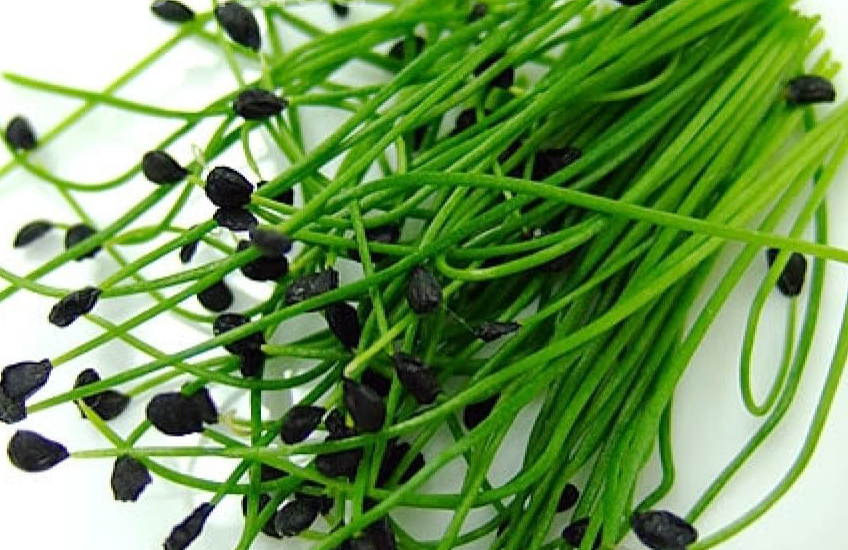
Disclaimer: Nutritional information and listed Health Benefits have not been evaluated by the Food and Drug Administration. This product is not intended to diagnose, treat, cure, or prevent any disease. The information on this website is for educational purposes only and not intended as medical advice.
This item is grown to order and requires a longer 4 week lead time due to its slow growth rate. We will grow a 10"x10" tray of these micros which we will cut and package for you when they are ready.
History:
Garlic chives (Allium tuberosum), also known as Chinese chives, are native to southwestern China and have a 4,000-year history of culinary and medicinal use. Valued for their mild, garlic-like flavor, they have been a staple in Asian cuisines (stir-fries, dumplings) and traditional medicine for aiding digestion and treating ailments.
Flavor Profile:
Garlic chive microgreens have a delicate, savory flavor that blends mild garlic with a slight, fresh onion undertone, often described as a, greener, and more refined version of mature garlic chives. They are crunchy and juicy with a, subtle, sweet, and, aromatic profile, often featuring a, hint, of, spice.
Suggested Uses:
Garlic chive microgreens offer a delicate, sweet garlic-onion flavor, perfect for elevating dishes without the harshness of mature garlic. They are ideal as a garnish for salads, soups, eggs, and seafood, or mixed into cream cheese, butter, and stir-fries for added flavor and a vibrant, elegant look.
Nutrition:*not verified by FDA
Garlic chives microgreens are nutrient-dense, flavorful, and, packed with vitamins A, C, and K, as well as essential minerals like iron, calcium, and potassium.
Protein: Approximately 20%.
Vitamins: A, B, C, E, K.
Minerals: Iron, Calcium, Potassium, Phosphorus, Magnesium.
Other Compounds: Beta-carotene, Chlorophyll, Amino Acids.
Health Benefits: *not verified by FDA
Garlic Chives provide significant immune-boosting, anti-inflammatory, and antimicrobial properties due to high levels of allicin and antioxidants, which help reduce oxidative stress and improve heart health.
Immune System Support: Rich in Vitamin C and allicin, these microgreens help fight infections and support overall immunity.
Heart Health: They contain allicin, which is associated with improving heart health by regulating blood pressure and lowering "bad" LDL cholesterol.
Anti-inflammatory & Antioxidant Action: Packed with antioxidants and compounds like kaempferol, they combat free radicals and reduce inflammation, potentially alleviating joint pain.
Improved Digestion: They act as a good source of fiber, supporting a healthy gut microbiome.
Nutrient Density: They offer a more concentrated dose of vitamins A, C, and K compared to mature plants.
Cancer Prevention Potential: Studies suggest that regular consumption of Allium species, including garlic chives, may be linked to a reduced risk of certain cancers.
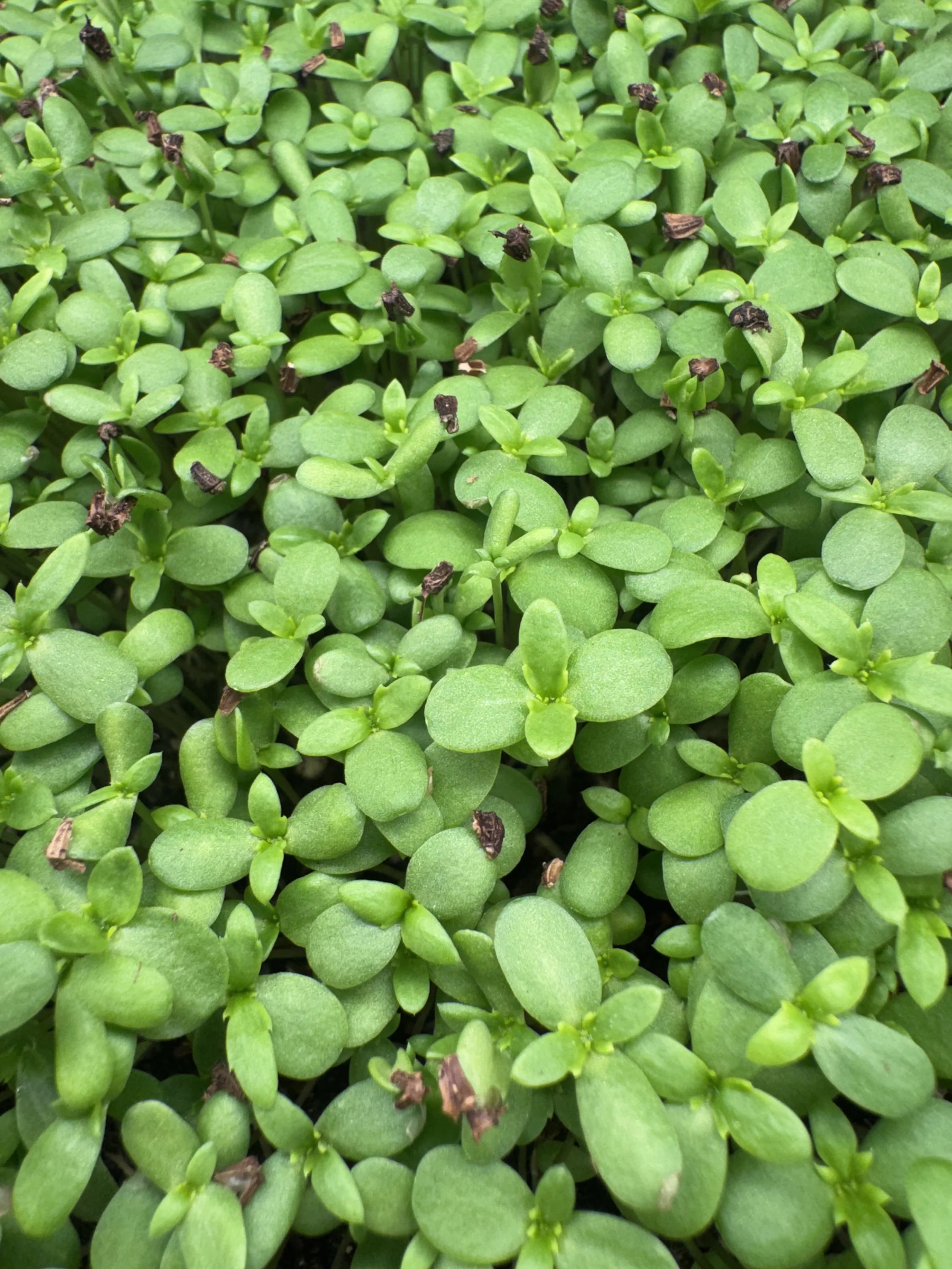
Disclaimer: Nutritional information and listed Health Benefits have not been evaluated by the Food and Drug Administration. This product is not intended to diagnose, treat, cure, or prevent any disease. The information on this website is for educational purposes only and not intended as medical advice.
This item is grown to order and requires a 2 week lead time. We will grow a 10"x10" tray of these micros which we will cut and package for you when they are ready.
History:
Chrysanthemums originated in China as a flowering herb and medicinal plant over 2,500 years ago, before spreading to Japan around the 8th century AD, where they became a national symbol. They were introduced to Europe in the 17th century and gained immense popularity in the US by the 19th century, becoming one of the most cultivated flowers globally due to their diversity, resilience, and vibrant fall colors.
The history of chrysanthemum microgreens is a modern fusion of ancient culinary use and recent microgreen cultivation, originating in China and Japan, where chrysanthemum greens have been eaten for centuries. It wasn't until the 1990s, when the broader concept of microgreens was developed in the United States, that culinary varieties like chrysanthemum were specifically grown in their young form for high-end dishes.
Flavor Profile:
Chrysanthemum microgreens have a distinct taste that is often a blend of fresh, slightly bitter, and subtly sweet notes, with a hint of citrusy or herbaceous flavor.
Allergy Alert:
People with allergies to plants in the Asteraceae family (such as ragweed, daisies, and marigolds) may have an allergic reaction to chrysanthemum greens.
Suggested Uses:
Chrysanthemum microgreens can be used in various culinary dishes, including salads, soups, and stir-fries, as well as for garnishes and tempura. They can be eaten raw or lightly cooked, but they become bitter if overcooked, so they should only be heated for about 30–60 seconds. It also pairs well with ingredients like soy sauce, sesame, and garlic.
Nutrition:*not verified by FDA
Chrysanthemum microgreens are a highly nutritious food, rich in vitamins A, C, K, and B complex, as well as minerals like potassium, calcium, and iron. They also contain dietary fiber and antioxidants such as flavonoids and carotenoids. Due to their concentrated nutrients, they can offer significant health benefits, including supporting the immune system and bones.
Vitamins: A, C, K, B complex (including B1, B2, B6), and folic acid
Minerals: Potassium, calcium, and iron
Fiber: Rich in dietary fiber
Antioxidants: Flavonoids and carotenoids
Health Benefits:*not verified by FDA
Immune system support: High concentrations of vitamins A and C strengthen the immune system and help the body fight infections.
Heart health: Potassium and antioxidants help regulate blood pressure, while other compounds may help lower bad cholesterol and triglycerides, reducing the risk of heart disease.
Digestive aid: Chrysanthemum microgreens may help ease digestion and stimulate the stomach to process fatty foods more quickly.
Anti-inflammatory properties: They contain antioxidants and polyphenols that help reduce inflammation throughout the body, which can benefit conditions like acne, eczema, and psoriasis.
Blood clotting and bone health: They are a good source of vitamin K, which is crucial for proper blood clotting and bone health.
Antioxidant and detoxification: The antioxidants help fight free radicals, reducing oxidative stress. The chlorophyll in microgreens can also aid in the body's detoxification processes.
Other potential benefits:
Vision protection: Microgreens like broccoli contain lutein, an antioxidant that can help protect against age-related macular degeneration.
Blood sugar moderation: Some studies suggest chrysanthemum greens may help moderate blood sugar levels and support weight loss.
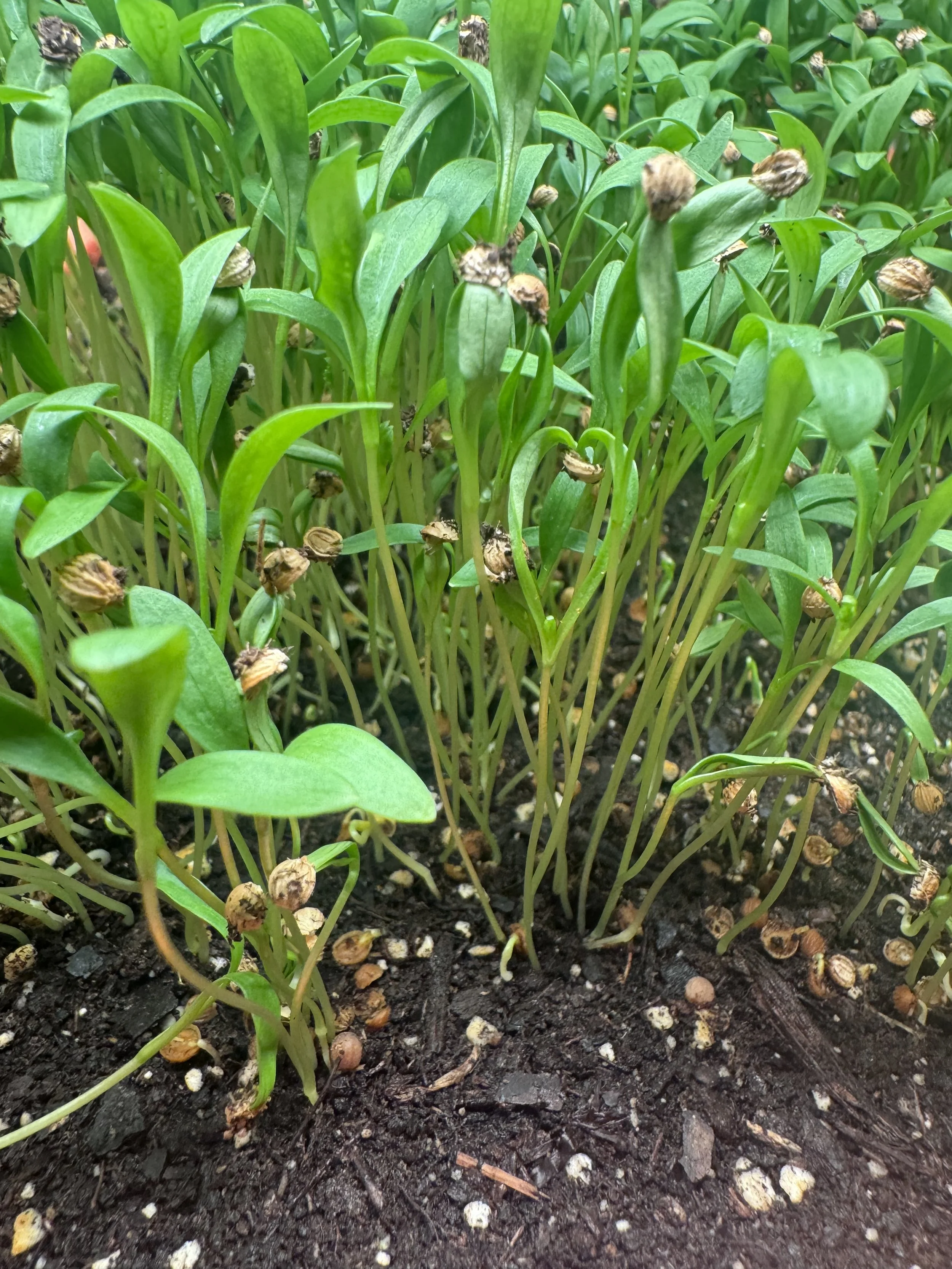
Disclaimer: Nutritional information and listed Health Benefits have not been evaluated by the Food and Drug Administration. This product is not intended to diagnose, treat, cure, or prevent any disease. The information on this website is for educational purposes only and not intended as medical advice.
History:
Cilantro has a long history dating back to ancient civilizations, with its origins possibly in the Mediterranean and southwestern Europe, where seeds were found in a cave in Israel dating to 6000 BCE. It was used by ancient Greeks and Egyptians for both culinary and medicinal purposes, and was included in the tomb of King Tutankhamun. The Spanish introduced it to the Americas in the 1500s, where it became a staple in Mexican cuisine, while it was brought to North America later by the British.
Flavor Profile:
Cilantro microgreens have a bright, citrusy, and herbal flavor that is often less intense than mature cilantro, making them a more approachable option. They are fresh, clean, and can have a slight sweetness, with less of the soapy taste some people associate with the full-grown herb. This makes them a versatile garnish or ingredient in many dishes.
Suggested Uses:
Cilantro microgreens are used as a fresh, flavorful garnish or ingredient in a wide variety of dishes, especially those from Latin, Indian, Thai, and Mediterranean cuisines. They can be added to tacos, salads, salsas, and guacamole, or used to finish soups, stir-fries, noodle dishes, and egg dishes.
Mexican and Latin American: Top tacos, burrito bowls, or enchiladas; layer into quesadillas; stir into guacamole; blend into salsas.
Salads and grains: Add to green or grain bowls for a burst of freshness.
Soups and noodles: Sprinkle over finished bowls of Thai coconut soup, ramen, pho, or curries.
Breakfast: Use in breakfast tacos, veggie scrambles, or to top avocado toast and poached eggs.
Asian cuisine: Garnish spring rolls, add to egg rolls, or finish stir-fries.
Sandwiches and wraps: Use as a flavorful filling to add brightness to sandwiches and wraps.
Beverages: Blend into juices or smoothies for a detoxifying green boost, or use as a garnish for cocktails and mocktails.
For Pets: *(always consult a vet before adding microgreens to your pet’s diet)
Bearded Dragons: Cilantro microgreens are safe for bearded dragons, but only in moderation as a treat or salad topper. While they offer beneficial nutrients like vitamins A, C, and K, their high water content and potential to cause digestive upset mean they should not be a staple, daily food.
Cats: Cilantro microgreens are safe and non-toxic for cats in moderation. They are highly nutritious, providing antioxidants, vitamins A and C, and can be used as a healthy treat or supplement to their diet. However, they should only make up a small portion of a cat's diet to avoid potential digestive upset.
Dogs: Cilantro microgreens are safe and nutritious for dogs, offering vitamins A, C, and K, as well as minerals. They are not toxic, making them a healthy, fiber-rich addition in moderation. Serve them finely chopped as a topper to enhance digestion and nutrition, keeping them to about 10% of their diet.
Guinea Pigs: Cilantro microgreens are safe and healthy for guinea pigs in moderation, offering vitamins A, C, and K. While safe, they should be treated as a varied part of a daily salad (3-5 fresh foods) rather than a staple, due to the need for a balanced nutrient intake.
Rabbits: Cilantro microgreens are safe and nutritious for rabbits, offering essential vitamins and minerals in a small package. They are low in sugar and starch, making them a good addition to a rabbit's diet in moderation, alongside other leafy greens.
Nutrition:*not verified by FDA
Cilantro microgreens are nutritionally dense, packed with vitamins A, B (including B1, B2, B3, B6), C, E, and K, along with minerals like iron, calcium, magnesium, and potassium. They are also a good source of protein, fiber, and antioxidants, offering benefits like immune system support and healthy vision. The nutritional content can be significantly higher than mature cilantro plants.
Vitamins: A, B1, B2, B3, B6, C, E, and K
Minerals: Calcium, iron, potassium, magnesium, zinc, and copper
Antioxidants: Rich in beta-carotene and vitamin E, which protect cells from damage
Protein and Fiber: Contain protein for tissue repair and fiber for digestive health
Health Benefits:*not verified by FDA
Rich in antioxidants: Cilantro microgreens are packed with antioxidants, such as polyphenols and flavonoids like quercetin, which help protect your body from cell damage caused by free radicals.
Anti-inflammatory: The flavonoids in cilantro microgreens have anti-inflammatory properties that can help reduce swelling and discomfort.
Boosts digestion: Natural oils in cilantro, like terpenes, can help boost digestive enzymes, which may reduce bloating and improve gut health.
High in vitamins: These microgreens are an excellent source of vitamins A, C, and K.
Vitamin A: Supports healthy vision and skin.
Vitamin C: Essential for immune function.
Vitamin K: Promotes proper blood clotting and bone health.
Supports bone health: The high content of vitamin K helps the body absorb calcium, which is important for strong bones.
May have detoxifying properties: Cilantro microgreens have been linked to helping the body remove heavy metals, although more research is needed.
Nutrient-dense: Cilantro microgreens can contain up to 40 times more vitamins and antioxidants than their mature counterparts, providing a powerful nutrient boost in a small serving.
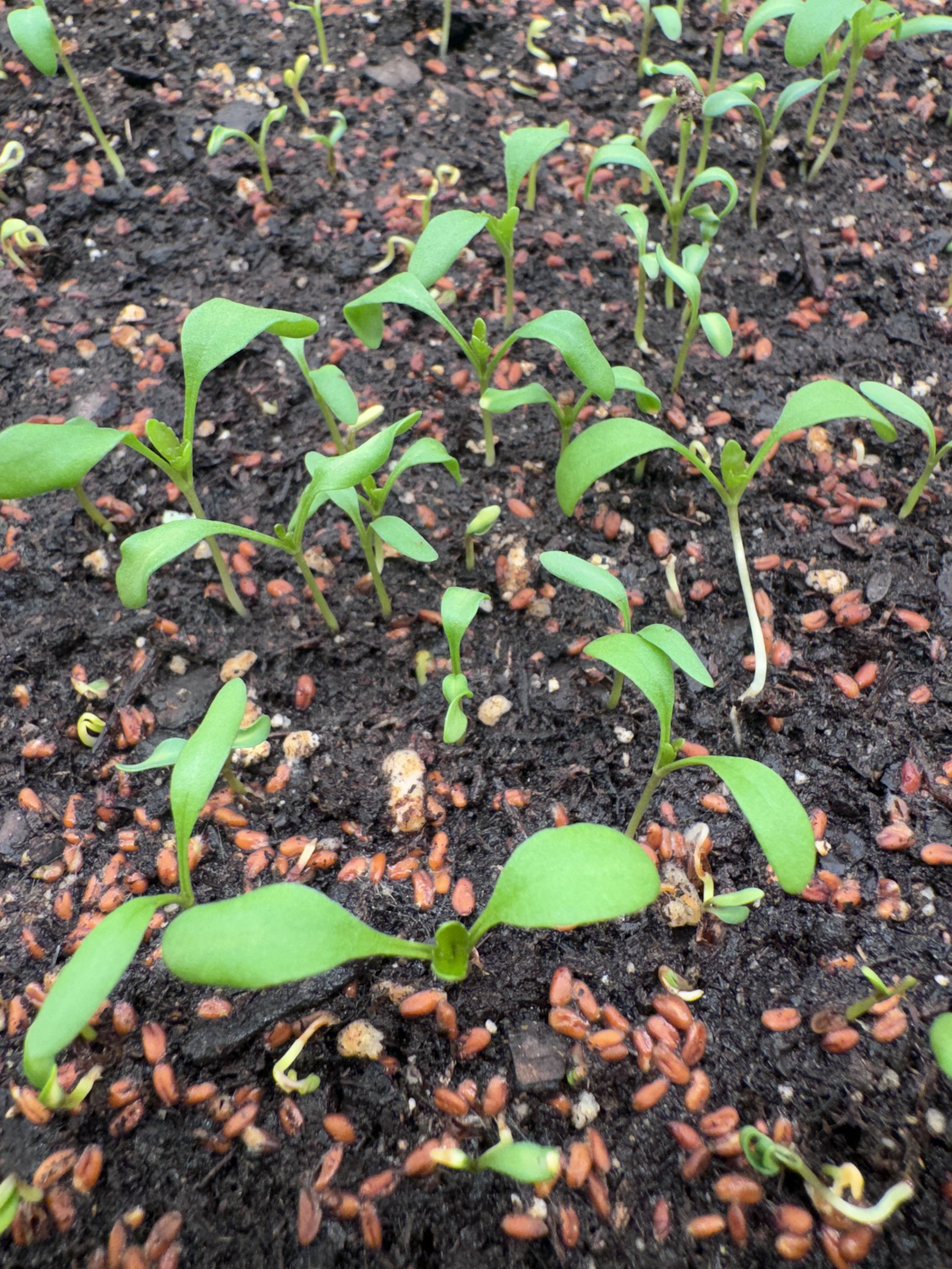
Disclaimer:Nutritional information and listed Health Benefits have not been evaluated by the Food and Drug Administration. This product is not intended to diagnose, treat, cure, or prevent any disease. The information on this website is for educational purposes only and not intended as medical advice.
This item is grown to order and requires a 2 week lead time. We will grow a 10"x10" tray of these micros which we will cut and package for you when they are ready.
History:
Cress has a long history dating back to ancient times, with the Greeks and Romans using watercress for medicinal purposes, and the Anglo-Saxons cultivating garden cress. It gained popularity in 16th-century Britain as a salad ingredient and was considered a health food by the Victorians. Today, it remains a popular ingredient in salads and other dishes.
Flavor Profile:
Cress microgreens have an intense, peppery, and tangy flavor, similar to radishes or mustard greens. They are known for their spicy, zesty kick and often have a slightly sharp taste with a clean, vegetal aftertaste. This makes them a flavorful and pungent addition to many dishes.
Suggested Uses:
Cress microgreens are used for culinary purposes, adding a peppery flavor to dishes like salads, sandwiches, and soups, and as a versatile garnish. They can also be used in recipes like smoothies, pesto, or fried rice, and provide nutritional benefits due to their vitamin and antioxidant content.
Garnish: Sprinkle on top of soups, salads, pasta, or egg dishes to add a peppery kick and visual appeal.
Salads: Toss into mixed greens for a bold flavor and a satisfying crunch.
Sandwiches and wraps: Layer them in sandwiches or wraps for a fresh, spicy bite.
Smoothies and juices: Blend them into smoothies or juices for a nutritious boost.
Pesto: Blend into pesto as a base for a flavorful, green sauce.
Fried rice: Stir into dishes like fried rice to add flavor and color.
For Pets: *(always consult a vet before adding microgreens to your pet’s diet)
Bearded Dragons: Cress microgreens are safe for bearded dragons in moderation, providing a nutrient-dense, hydrating addition to their diet. While nutritious, they should be treated as a topper or salad mixer rather than a staple food, as they can contain oxalates.
Cats: Cress microgreens are generally safe and non-toxic for cats, offering a nutritious, fiber-rich treat that can help with digestion and hairballs. They should be given in moderation (about 1 teaspoon daily) and introduced slowly. While safe, they are not a substitute for a meat-based diet.
Dogs: Cress microgreens are generally safe and nutritious for dogs to eat in moderation, providing a healthy dose of vitamins A, C, E, and K. These tiny greens are nutrient-dense, supporting digestion and overall health, but should only be a small supplement—never exceeding 10% of a dog's daily calorie intake.
Guinea Pigs: Cress microgreens are safe for guinea pigs in moderation, offering a nutrient-dense treat rich in Vitamin C. They are easy to grow and can be included as part of a varied diet, but should not be fed as a staple food because of their mineral content.
Rabbits: Cress microgreens are safe for rabbits in moderation. They are packed with vitamins A and C, offering a nutritious, zesty treat that can be included in a varied diet. However, due to their potent flavor and high nutrient concentration, they should be offered as a small supplement rather than a staple food.
Nutrition:*not verified by FDA
Cress microgreens are a nutrient-dense food, rich in vitamins A, C, and K, as well as antioxidants like glucosinolates. They are also a good source of minerals, including potassium, calcium, and iron, and contain other beneficial compounds such as folate.
Vitamins*not verified by FDA
Vitamin A: Important for vision, immune function, and cell growth.
Vitamin C: A potent antioxidant that supports immune health and skin repair.
Vitamin K: Essential for blood clotting and bone health.
Folate (Vitamin B9): Crucial for cell growth and heart health.
Other B Vitamins: Contain B1 (Thiamine), B2 (Riboflavin), B3 (Niacin), B5 (Pantothenic acid), and B6 (Pyridoxine).
Vitamin E: Another antioxidant that protects cells from damage.
Minerals*not verified by FDA
Potassium: Supports proper muscle contraction and heart function.
Calcium: Vital for strong bones and teeth.
Iron: Essential for red blood cell production and energy.
Magnesium: Plays a key role in muscle function and metabolism.
Phosphorus: Essential for the body's normal metabolic functions.
Zinc and Copper: Also present in smaller amounts.
Other beneficial compounds*not verified by FDA
Antioxidants: They are packed with antioxidants, including glucosinolates, which may help the body's detoxification process and reduce inflammation.
Fiber: Contains dietary fiber, which is important for digestion.
Phytonutrients: Rich in various phytonutrients, contributing to overall health.
Health Benefits:*not verified by FDA
Cress microgreens offer numerous health benefits due to their high content of vitamins (especially C and K), minerals, fiber, and antioxidants, which can protect cells, boost the immune system, and support heart and digestive health. They are particularly rich in nutrients and antioxidants that may help prevent chronic diseases and improve overall well-being.
Rich in vitamins and minerals: Cress microgreens are an excellent source of vitamins A, C, E, and K, as well as calcium, manganese, copper, and iron. Vitamin C is crucial for immune function and wound healing, while vitamin K supports blood clotting and bone health.
High in antioxidants: They contain antioxidants that help protect the body from cell damage caused by free radicals, which may reduce the risk of chronic diseases like cancer and heart disease.
Supports cardiovascular health: The antioxidants and polyphenols in cress may help reduce the risk of heart disease and improve blood pressure.
Aids digestion: High in dietary fiber and other compounds, cress microgreens may promote better digestion and help prevent constipation. Some research also suggests they may have antimicrobial properties that support gut health.
Promotes healthy skin: Vitamins C and E, along with other antioxidants, can improve skin health by boosting collagen production, reducing signs of aging, and protecting against damage.
May help regulate blood sugar: Some studies suggest that cress seeds may help improve blood sugar regulation and lower blood lipid levels, making it a potential aid for metabolic syndrome.
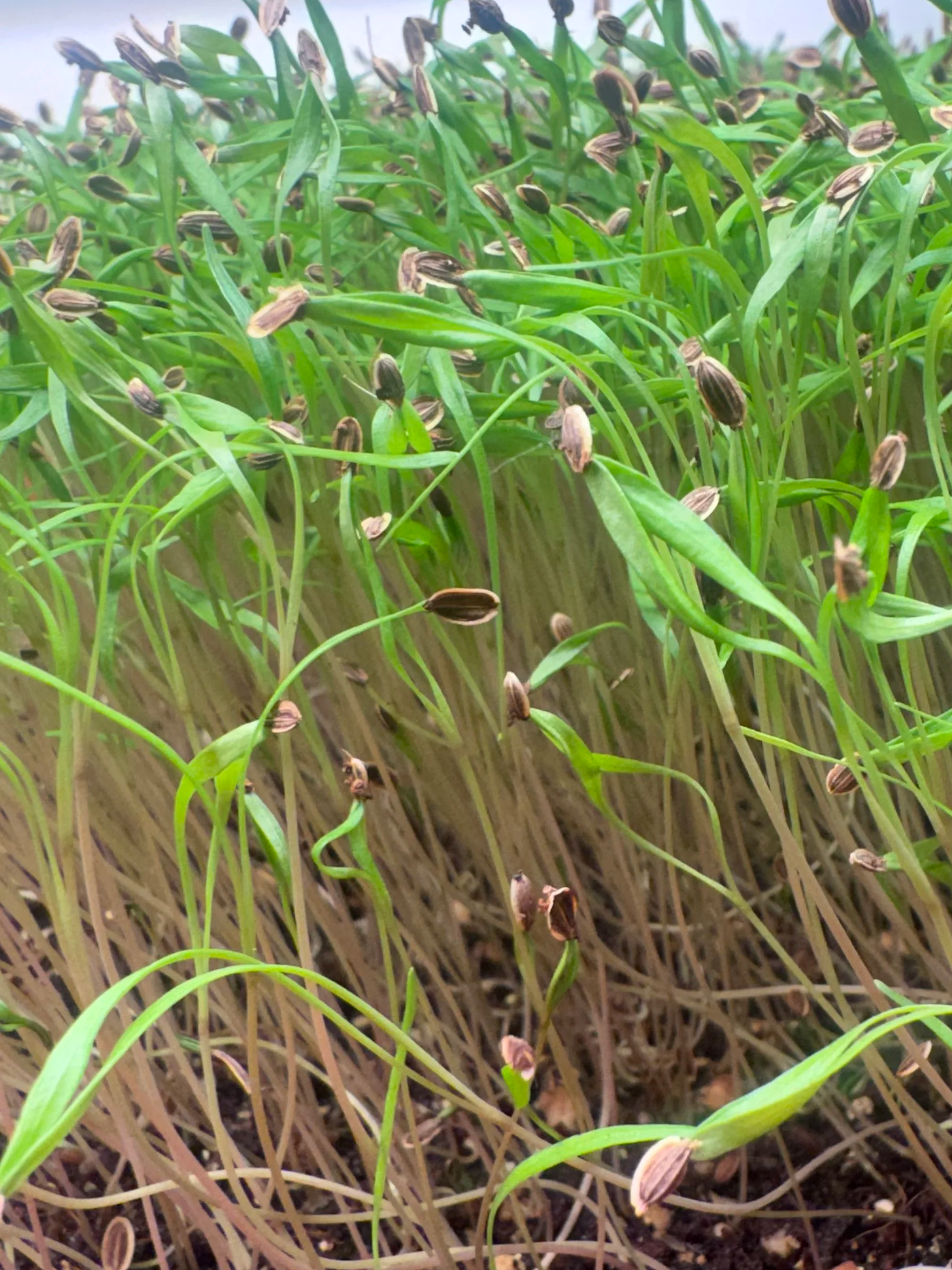
Disclaimer:Nutritional information and listed Health Benefits have not been evaluated by the Food and Drug Administration. This product is not intended to diagnose, treat, cure, or prevent any disease. The information on this website is for educational purposes only and not intended as medical advice.
History:
Dill has a long history dating back to ancient Egypt around 3000 B.C., where it was used for medicinal purposes and to ward off evil. It was considered a symbol of good luck by the Romans, who fed it to gladiators for valor, and was used in Greek mythology. The name "dill" likely comes from the Norse word "dilla," meaning to soothe, reflecting its traditional use for calming stomach issues and colic.
Flavor Profile:
Dill microgreens have a mild, sweet, and tangy flavor similar to mature dill but with a more delicate, citrusy, and herbal note. The flavor is fresh and aromatic, with hints of anise, and can be described as grassy and slightly peppery. They are less pungent than their adult counterparts but provide a concentrated and intense taste that enhances dishes.
Suggested Uses:
ill microgreens are used to add a fresh, slightly zesty flavor to many dishes, including seafood, potatoes, and salads. They can be used as a garnish, added to sandwiches, or incorporated into dressings, dips, and even pesto. They are also a nutrient-dense food, rich in vitamins and minerals.
Garnish: Sprinkle on top of dishes like smoked salmon, potatoes, or eggs to add flavor and visual appeal.
Sandwiches and wraps: Use as a fresh alternative to lettuce to add a unique flavor and texture.
Dressings and dips: Blend into creamy avocado dips or sour cream-based dips for a fresh twist.
Pesto: Incorporate into a pesto for a zesty flavor.
Canned goods: Add to homemade pickles for an enhanced dill flavor.
Soups and stews: Stir into soups and stews just before serving.
Nutrition:*not verified by FDA
Dill microgreens are packed with essential vitamins and minerals, including vitamins A, C, E, and K, and minerals like iron, potassium, magnesium, and zinc. They also contain amino acids, carotene, chlorophyll, and antioxidants that provide various health benefits.
Vitamins: Vitamins A, B, C, E, and K.
Minerals: Iron, potassium, magnesium, phosphorus, and zinc.
Other compounds: Amino acids, carotene, and chlorophyll.
Antioxidants: Rich in antioxidants that help protect cells from damage.
Health Benefits:*not verified by FDA
Vitamins: Dill microgreens are a rich source of vitamins A, C, E, and K, as well as other B vitamins and minerals like iron, zinc, and potassium.
Antioxidants: They are high in antioxidants that help protect cells from damage caused by free radicals and can help reduce inflammation.
Antimicrobial properties: The essential oils in dill have shown antimicrobial benefits.
Digestive health*not verified by FDA
Aids digestion: Dill has been historically used to soothe digestive issues and may help relieve bloating, gas, and indigestion.
Improves motility: The high fiber content in dill can also improve bowel movements.
Other benefits*not verified by FDA
Boosts immunity: The combination of vitamins and antioxidants can help support a healthy immune system.
Supports vision: They contain vitamins like Vitamin A, which is essential for healthy vision.
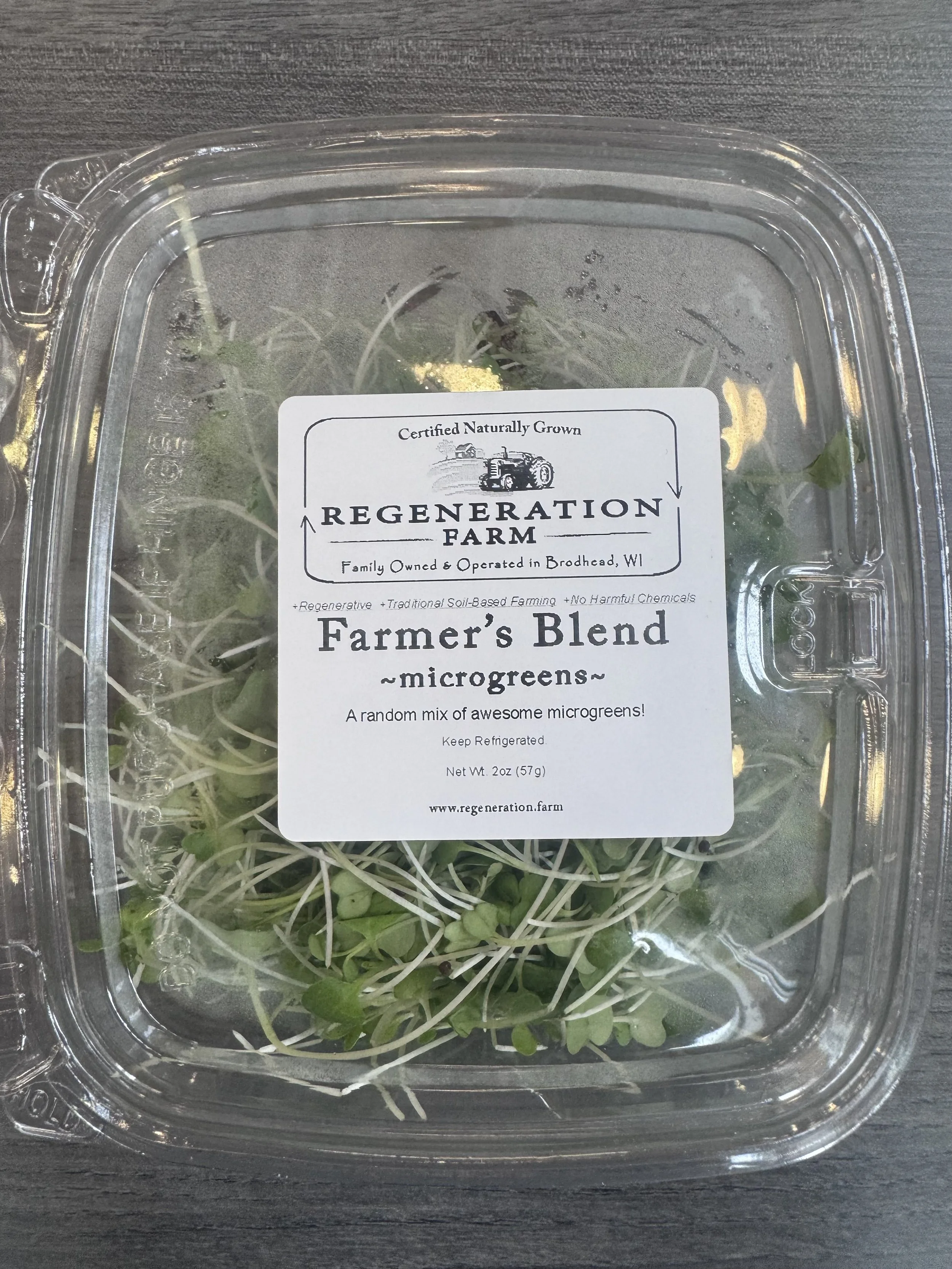
A random blend of several micros. Rarely the same twice! We take the extra micros left over from packaging our single microgreens varieties and blend them together for a unique and often amazing microgreen mix.
Due to the multiple random varieties we can’t provide nutritional info or health benefits, but rest assured it’ll be a powerhouse of many different benefits!
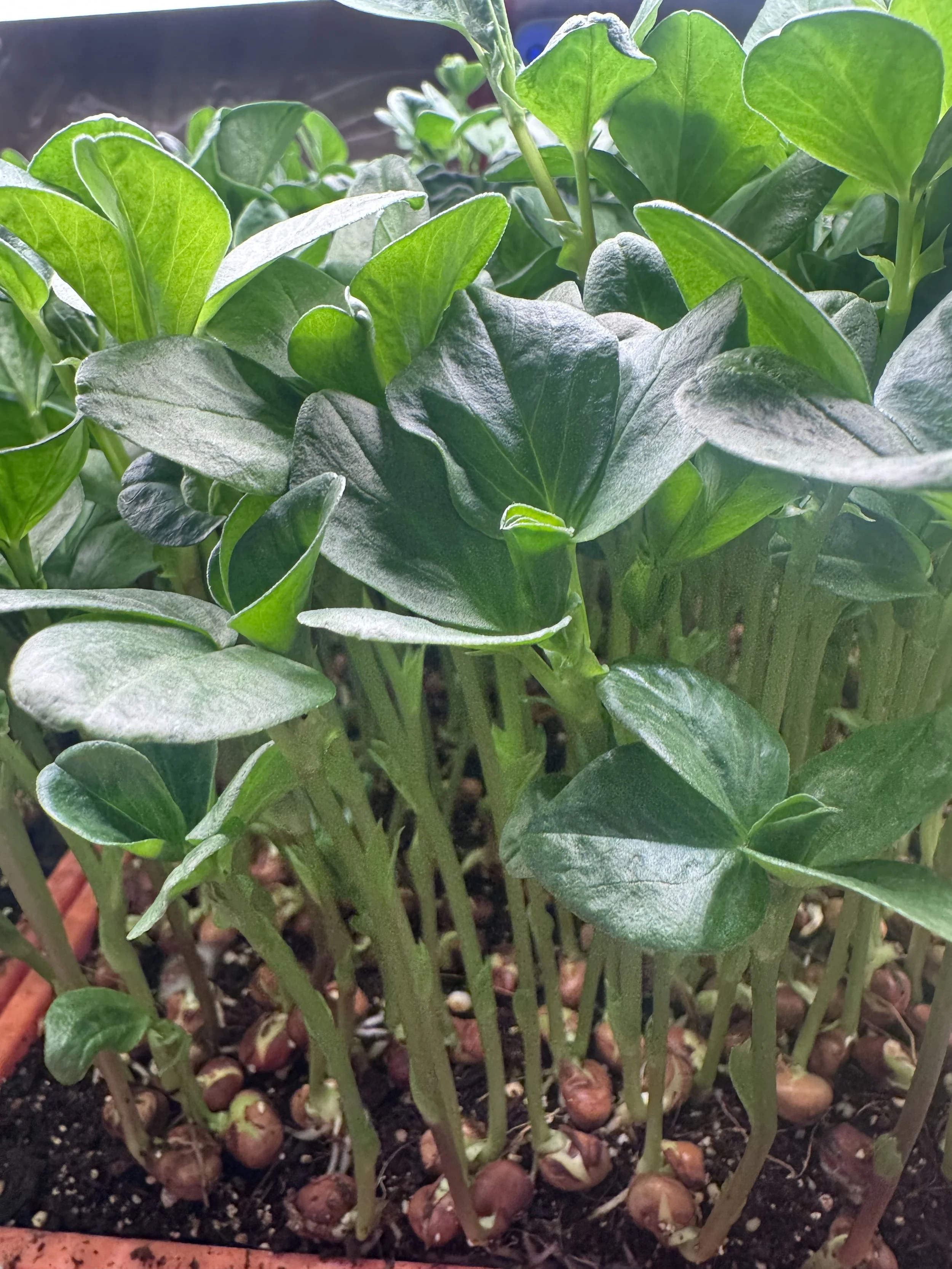
Disclaimer:Nutritional information and listed Health Benefits have not been evaluated by the Food and Drug Administration. This product is not intended to diagnose, treat, cure, or prevent any disease. The information on this website is for educational purposes only and not intended as medical advice.
History:
Fava beans are one of the oldest cultivated crops, with evidence of domestication dating back approximately 10,000 years in the Near East. They were crucial to early agriculture, appearing in ancient Egyptian tombs and across the Mediterranean. Historically, they were a vital food source, especially before the discovery of the Americas, and have deep roots in cuisines from the Mediterranean to East Asia.
Flavor Profile:
Fava bean shoots have a creamy, nutty, and earthy flavor that is both sweet and buttery, similar to a fresh sweet pea with a hint of sunflower. They have a satisfyingly crunchy texture that is robust enough to be eaten raw or lightly cooked.
Suggested Uses:
Fava bean shoots can be used in salads, sandwiches, wraps, and soups, or lightly sautéed as a side dish. Their thick stems and nutty flavor make them versatile enough to be eaten raw or cooked, and they pair well with various cuisines like Asian, Mediterranean, and Italian.
Nutrition:*not verified by FDA
Fava bean microgreens are a nutritious food, rich in vitamins A, C, K, and several B vitamins, as well as minerals like iron, magnesium, and potassium. They are an excellent source of plant-based protein and dietary fiber, which aids in digestion and can support heart health due to their low fat and cholesterol content. Additionally, they are high in antioxidants that help protect cells from damage.
Vitamins: Packed with vitamins A, C, and K, along with a variety of B vitamins, including B1, B6, and folate.
Minerals: Good source of minerals such as iron, magnesium, potassium, and copper.
Protein: A significant source of plant-based protein, with fava beans being 28% protein.
Fiber: High in dietary fiber, which promotes a healthy digestive system and can help with heart health.
Antioxidants: Contain antioxidants that help protect the body from free radical damage.
Other beneficial compounds: Contain phytonutrients like isoflavones and plant sterols, and also contain levodopa, which is a precursor to dopamine.
Potential Health Benefits:*not verified by FDA
Fava bean microgreens are nutrient-dense and offer benefits such as supporting bone health, boosting the immune system, and aiding digestion due to their rich content of vitamins (A, C, K, B vitamins) and minerals like potassium, iron, and magnesium. They also contain protein and fiber, which are good for digestive health and satiety. Additionally, fava beans contain L-dopa, a compound converted to dopamine that may support mood and cognitive function.
Rich in vitamins: They are packed with vitamins A, C, K, and various B vitamins, which support immune function, bone health, and blood clotting.
Minerals: Fava bean microgreens provide essential minerals like potassium, iron, magnesium, and manganese, which are important for various bodily functions, including energy production and nerve function.
Protein and fiber: They are an excellent source of plant-based protein and fiber, which can aid digestion and help you feel full.
Antioxidants: They contain beneficial antioxidant compounds that help protect the body from damage.
Brain health: The presence of L-dopa, which the body converts to dopamine, may help with mood regulation and cognitive function.
Bone health: Fava beans contain nutrients that support bone health.
Digestive health: The fiber content promotes healthy digestion.
Immune support: Vitamins C and K, along with other nutrients, help support a healthy immune system.
Heart health: They contain compounds like fiber and protein that may help lower cholesterol and improve heart function.

Reduce Waste, Compost Your Micros Containers!
We’ve switched to compostable packaging on many of our microgreens! You can now take these to a commercial composting facility like Green Box and help keep plastics out of our landfills. Both the tops and bottoms of our tan (kraft lined) micros containers are compostable. Just remove the label on the lid and put it in your Green Box bucket. Visit the link below to find our where you can sign up with Green Box!

We LOVE hearing from our fans!
Please take a moment to write a quick testimonial about our farm or review one of our products! As a thank-you we’ll email you a coupon for a free $5 microgreen!
*(limit one microgreen coupon per customer)
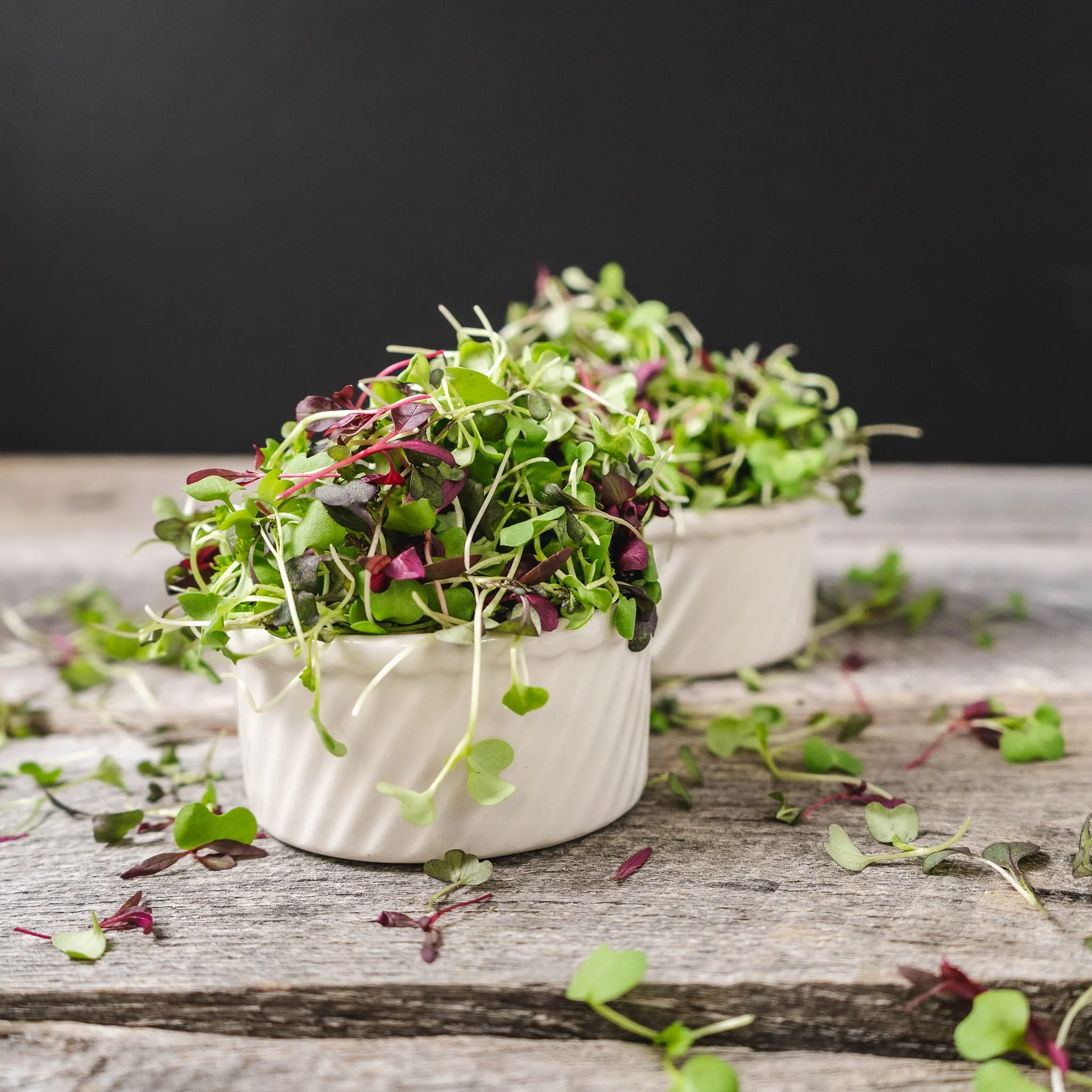
Get a FREE $5 Microgreen!

Where to Find Our Products…
Dane County
Saturday Farmer’s Market
Every Saturday 6:15am to 1:45pm
April 11th to November 7th
Our booth moves weekly but we will be on the Capitol Square
(between Martin Luther King Jr Blvd & East Washington Ave)
2E Main St, Madison, WI 53702

Northside Farmer’s Market
Every Sunday 8:30am to 12:30pm
May 3rd to October 25th
Northside Town Center, corner of Northport Dr and N Sherman Ave, Madison, WI
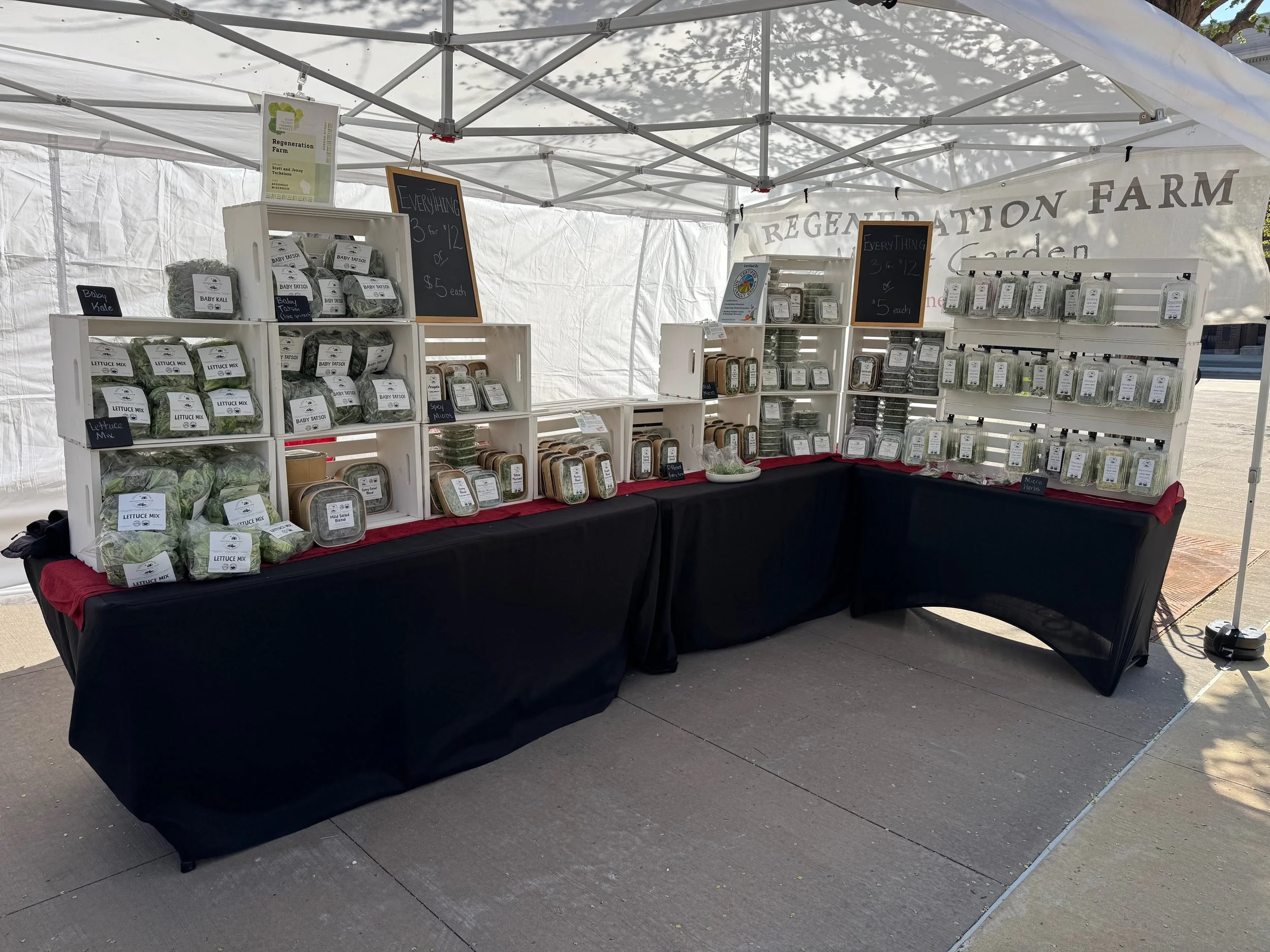
Dane County
Wednesday Farmer’s Market
Every Wednesday 8:30am to 1:15pm
April 22nd to November 4th
200 Block, Martin Luther King Jr Blvd, Madison, WI 53703
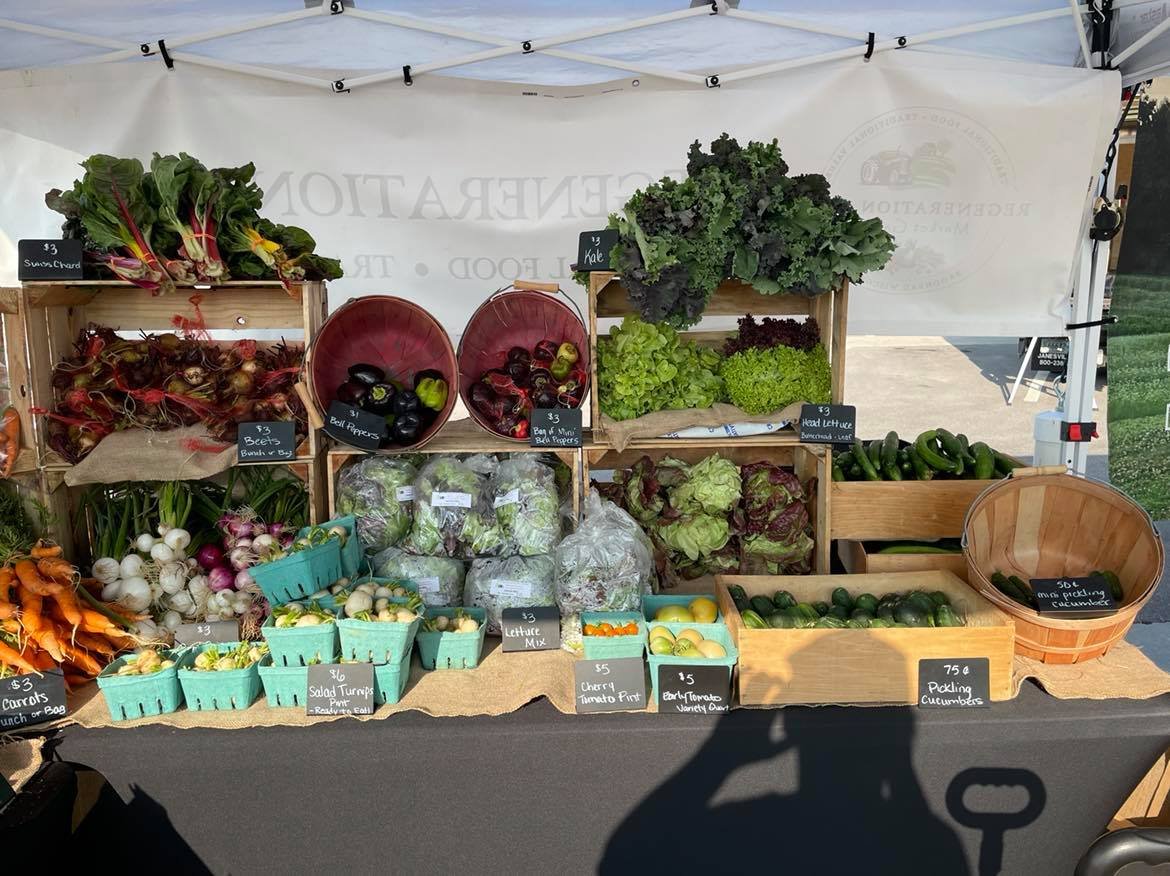
Junction Ridge
Neighborhood Farmer’s Market
Every Friday 9am to 1pm
May 15th to September 25th
8502 Elderberry Rd, Madison, WI 53717

Get Your Order on the Farm!
Order on our Website and pick up from our farm when it’s ready.
N3909 Park Rd, Brodhead, WI 53520
Follow us on social




Disclaimer: Nutritional information and listed Health Benefits have not been evaluated by the Food and Drug Administration. This product is not intended to diagnose, treat, cure, or prevent any disease. The information on this website is for educational purposes only and not intended as medical advice.
This item is grown to order and requires a 2 week lead time. We will grow a 10"x10" tray of these micros which we will cut and package for you when they are ready.
History:
Alfalfa's history as a food source dates back over 6,000 years to its domestication in Western Asia, and its sprouts have been used in traditional medicine for centuries. Spanish explorers brought the plant to the Americas in the 16th century, but alfalfa sprouts didn't become a popular culinary item in North America until the 1970s, spurred by the health-conscious hippie movement. It is now cultivated for its many nutritional benefits as a microgreen.
Flavor Profile:
Mild, fresh, and slightly nutty flavor with a hint of sweetness and a satisfying crunch. They are not spicy or bitter, making them a good choice for those who prefer gentler tastes, and they are often described as tasting like a delicate pea or green.
Suggested Uses:
Alfalfa microgreens are used as a nutritious and versatile ingredient in many dishes, including salads, sandwiches, wraps, and smoothies. They are also used as an elegant garnish for soups, platters, and dips, adding a fresh, nutty flavor and a boost of vitamins and minerals.
For Pets: *(always consult a vet before adding microgreens to your pet’s diet)
Bearded Dragons: Alfalfa microgreens are safe and highly nutritious for bearded dragons, often considered more nutrient-dense than mature vegetables. They can be part of a daily diet, offering important vitamins and minerals. However, it is generally recommended to feed the alfalfa greens rather than just the sprouts.
Cats: Alfalfa microgreens are safe and nutritious for cats to eat in moderation, acting as a healthy source of fiber and vitamins A and C. They can aid digestion, help manage hairballs, and are not toxic. They can be fed fresh, chopped into food, or grown as a safe alternative to house plants.
Dogs: Alfalfa microgreens are safe and nutritious for dogs in moderation. Packed with vitamins A, C, and K, they provide antioxidants that support a strong immune system and healthy digestion. They are considered a beneficial, nutrient-dense topper for regular food, providing essential fiber and chlorophyll.
Guinea Pigs: Alfalfa microgreens are safe for guinea pigs to consume, but only as a rare treat rather than a staple food. They are high in calcium, which can lead to bladder stones or kidney issues in adult guinea pigs, but they can be a nutritious, occasional addition in small amounts.
Rabbits: Alfalfa microgreens/sprouts are safe for rabbits to eat, but they should only be given in moderation, primarily as a treat or occasional topper, rather than a daily staple. Due to high calcium and protein content, they are better suited for young, pregnant, or nursing rabbits, as excessive consumption in adult rabbits can lead to kidney issues.
Nutritional information (per 100 grams): *not verified by FDA
A 100-gram serving of alfalfa microgreens contains:
Calories: 23 kcal
Protein: 4 g
Carbohydrates: 2.1 g
Dietary Fiber: 1.9 g
Fat: 0.7 g
Vitamins: *not verified by FDA
Alfalfa microgreens are an excellent source of several vitamins:
Vitamin K: 33 µg, about 27% of the Recommended Daily Intake (RDI), which is crucial for blood clotting and bone health.
Vitamin A: 180 µg, about 20% of the RDI, which is important for vision and immune function.
Vitamin C: 8.2 mg, about 14% of the RDI, known for its antioxidant and immune-boosting properties.
Folate (B9): 36 µg, about 9% of the RDI, essential for cell growth and metabolism.
Minerals: *not verified by FDA
These microgreens contain several essential minerals:
Potassium: 79 mg
Phosphorus: 70 mg
Magnesium: 27 mg
Calcium: 32 mg
Iron: 1.1 mg
Zinc: 0.5 mg
Phytochemicals and antioxidants: *not verified by FDA
Beyond basic vitamins and minerals, alfalfa microgreens also contain bioactive compounds with health benefits:
Antioxidants: High levels of antioxidants help combat free radicals and may reduce the risk of chronic diseases.
Saponins: These plant compounds are known to help lower cholesterol levels.
Phytoestrogens: These can help regulate hormones and may provide support for women's health.
Flavonoids: Alfalfa microgreens are a source of these compounds, which are known for their anti-inflammatory properties.
Potential Health Benefits: *not verified by FDA
Helps support bone health due to its rich content of calcium, vitamin K, and magnesium.
Helps promote heart health by helping to lower cholesterol.
Helps aid digestive health through its dietary fiber content.
Helps assist with blood sugar regulation.
Helps provide a low-calorie, nutrient-dense option for weight management.