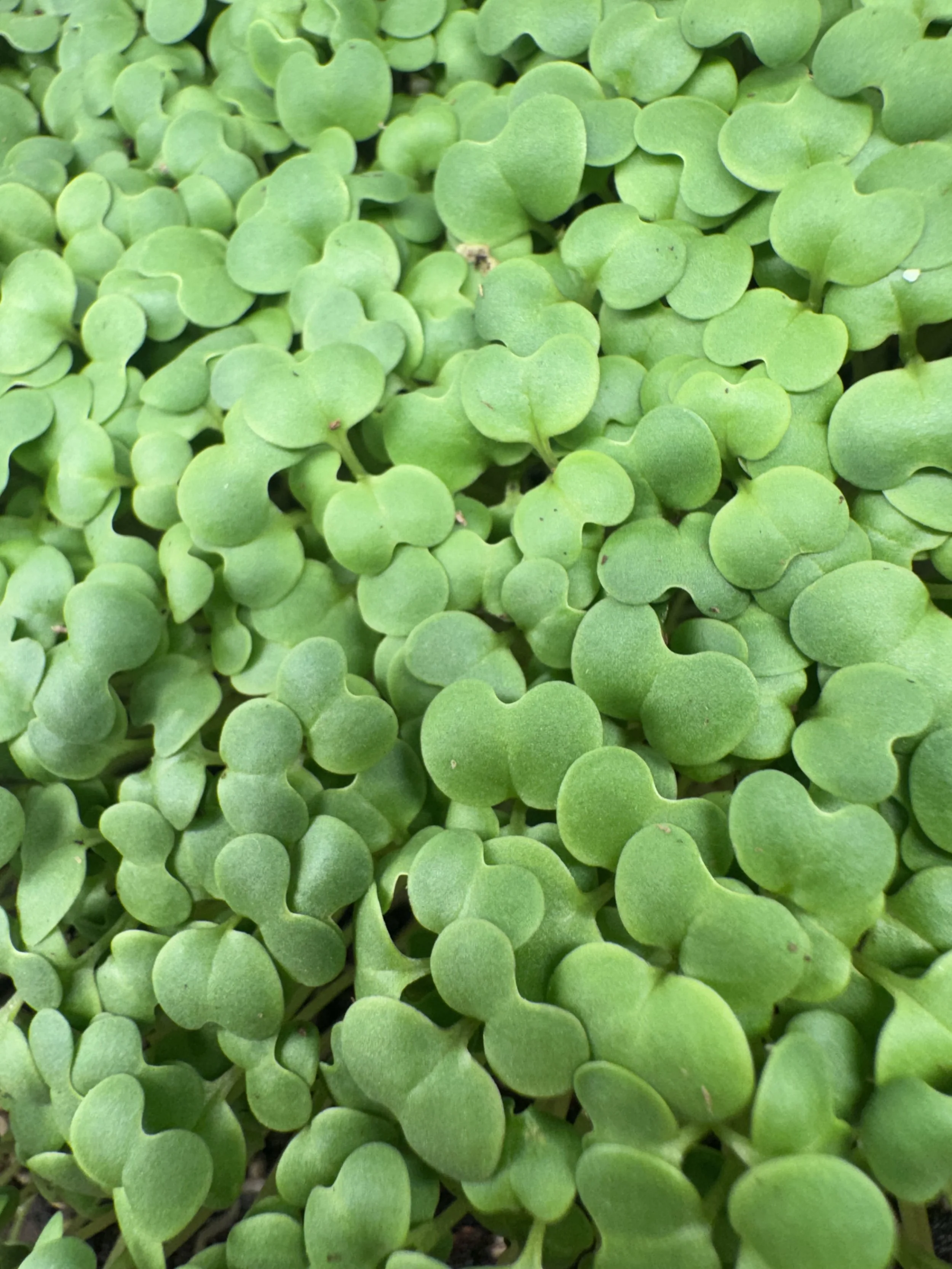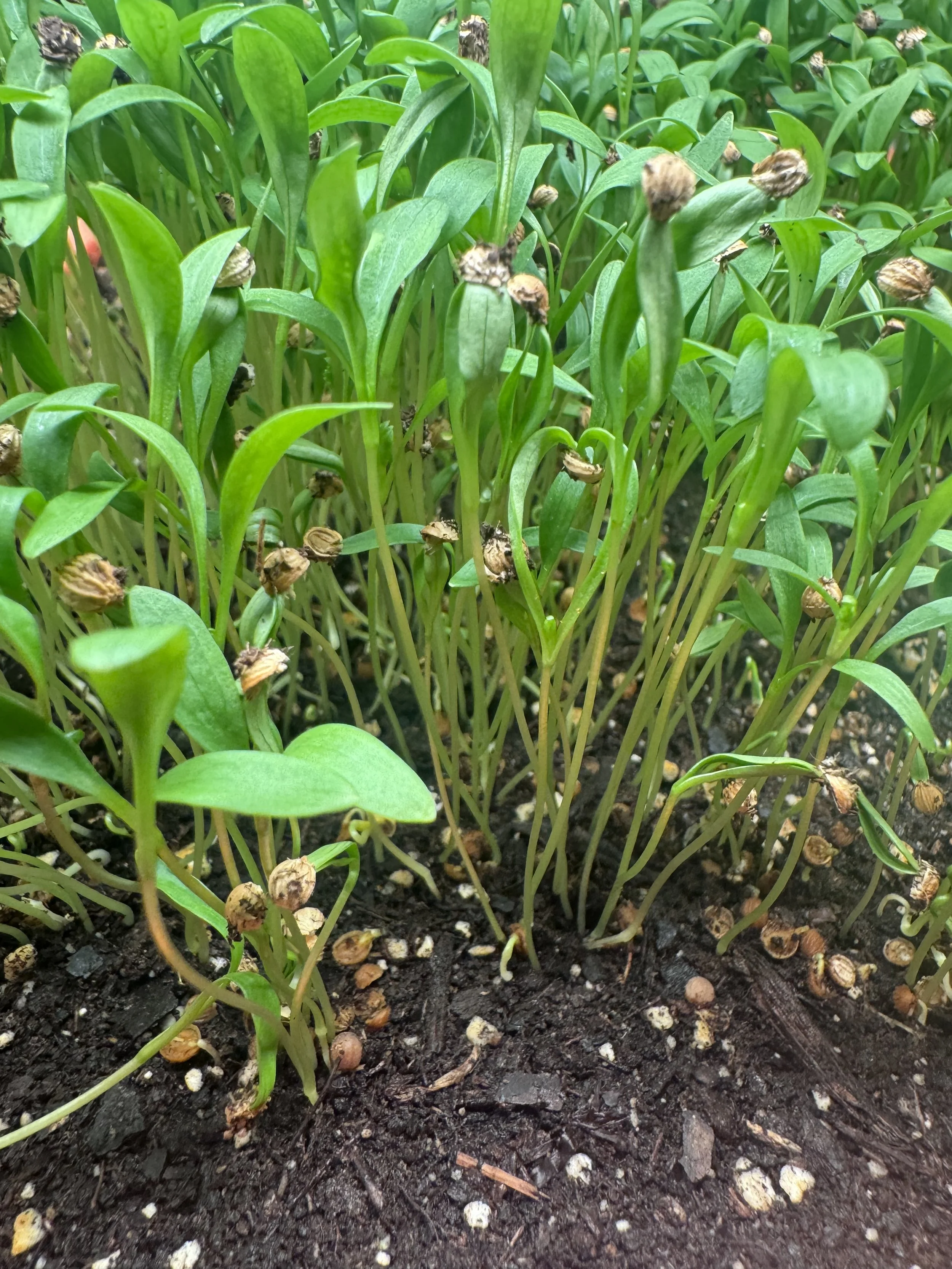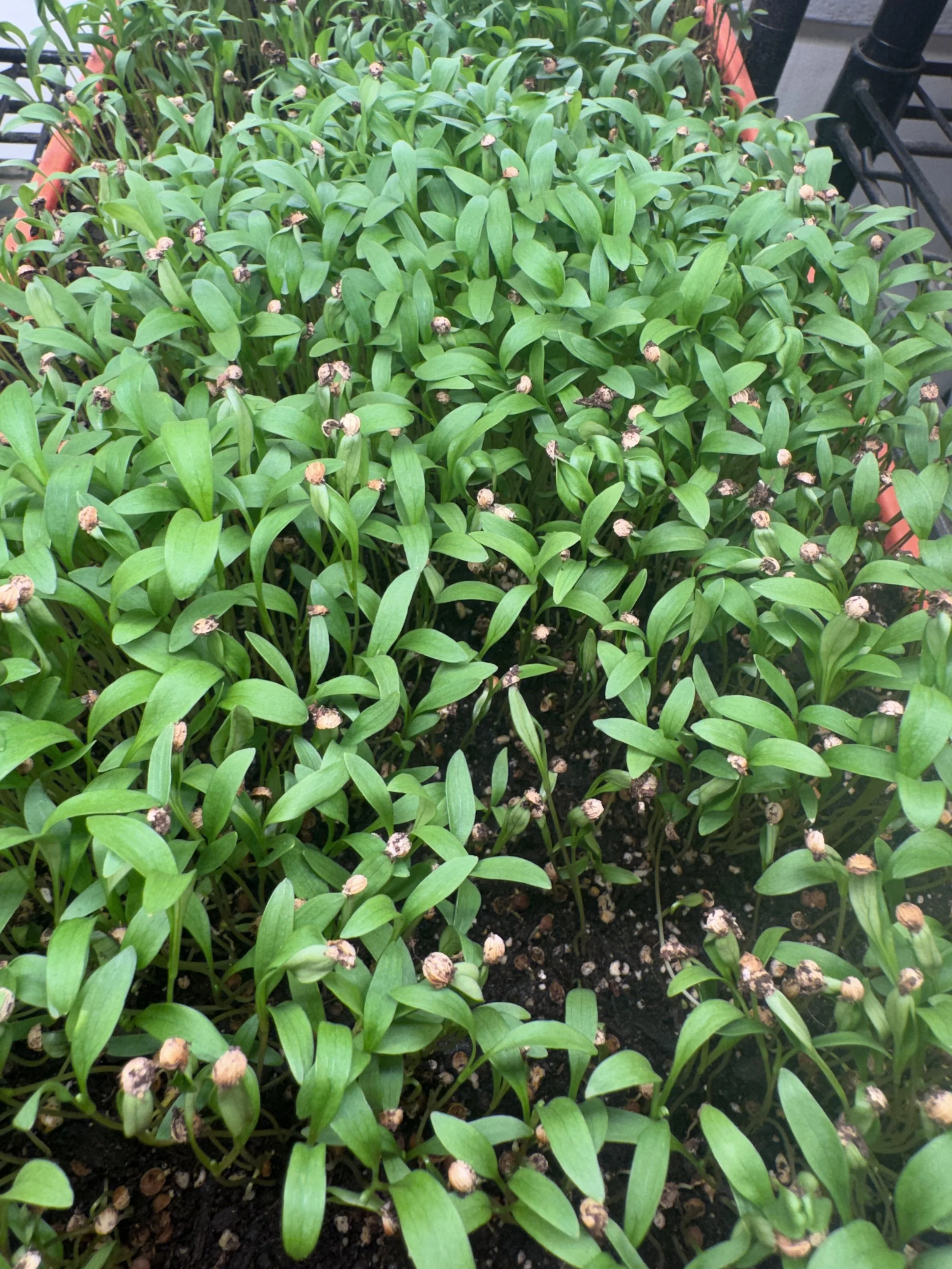
 Image 1 of 3
 Image 2 of 3
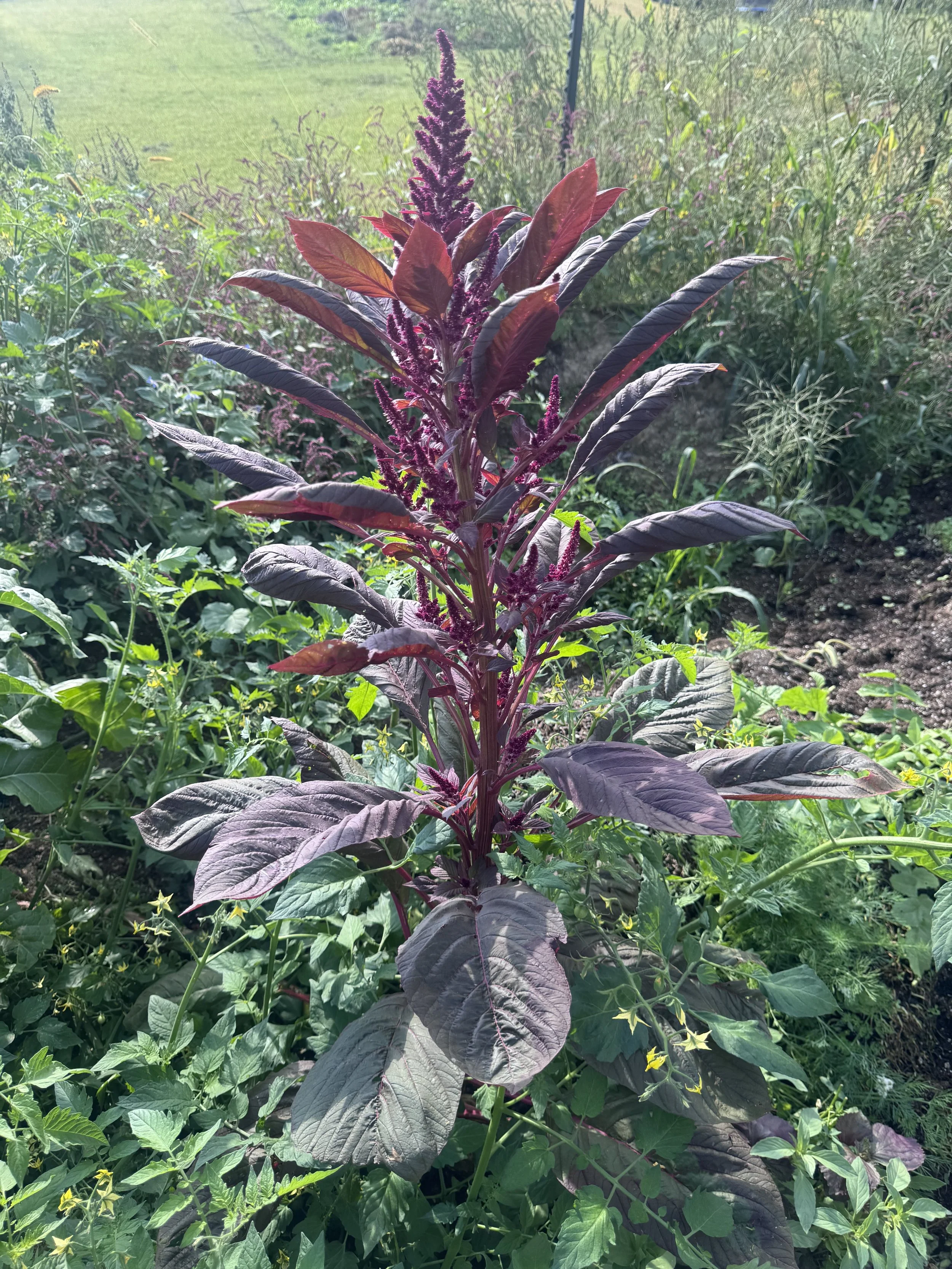 Image 3 of 3
Disclaimer: Nutritional information and listed Health Benefits have not been evaluated by the Food and Drug Administration. This product is not intended to diagnose, treat, cure, or prevent any disease. The information on this website is for educational purposes only and not intended as medical advice.
History:
Amaranth is an ancient grain from South America. Its history can be traced back over 5000 years. It was a regular food eaten by the Incas, Mayans, and Aztecs. When amaranth grows full-size it becomes a large, beautiful deep purple plant.
Flavor Profile:
Crisp, Tender, Mild, Sweet, Earthy.
Suggested Uses:
Amaranth is a great addition to sweet or savory dishes. Also popular as a garnish.
Nutrition: *not verified by FDA
Amaranth microgreens are a versatile and nutritious addition to the diet, providing a range of essential nutrients and antioxidants. They are particularly beneficial for those seeking to improve their bone health, support their immune system, and increase their intake of plant-based protein.
Vitamins: *not verified by FDA
Vitamin K: Excellent source, essential for blood clotting and bone health
Vitamin C: Supports immune function and antioxidant activity
Vitamin A: Promotes eye health and cell growth
Folate: Crucial for cell division and fetal development
Minerals: *not verified by FDA
Iron: Essential for red blood cell production
Calcium: Supports bone health
Magnesium: Involved in muscle function and energy production
Potassium: Essential for blood pressure regulation
Antioxidants: *not verified by FDA
Beta-carotene: Protects cells from oxidative damage
Lutein: Supports eye health
Phenolic compounds: Have anti-inflammatory and antioxidant properties
Other Nutrients: *not verified by FDA
Protein: A good source of complete protein, containing all essential amino acids
Fiber: Promotes digestive health
Manganese: Supports enzyme function
Specific Nutritional Values: *not verified by FDA
Calories: 23 kcal per 100g
Protein: 2.5g per 100g
Carbohydrates: 4g per 100g
Fat: 0.3g per 100g
Vitamin K: 950% RDA per 100g
Vitamin C: 48% RDA per 100g
Iron: 6mg per 100g
Potential Health Benefits: *not verified by FDA
Rich in protein: Amaranth microgreens are a good source of complete protein, containing essential amino acids that are vital for muscle growth and overall health.
Packed with antioxidants: They are rich in antioxidants like vitamin C, vitamin E, and betalains, which help protect cells from damage caused by oxidative stress and reduce inflammation.
Helps support bone health: High levels of calcium, magnesium, and vitamin K contribute to strong bones and proper blood clotting.
Helps boost immune function: The presence of vitamin C helps strengthen the immune system, while beta-carotene converts to vitamin A, supporting immune health.
Helps promote cardiovascular health: Nutrients like potassium and magnesium can help regulate blood pressure, and antioxidants help lower inflammation, which benefits heart health.
Helps enhance eye and skin health: Beta-carotene supports vision and overall eye health, and vitamin C promotes collagen production for healthier skin.
Helps increase energy levels: The iron content helps with oxygen transport in the blood, which boosts energy and helps prevent fatigue.
Helps aid digestion: They are a good source of dietary fiber, which supports a healthy digestive system and can help prevent constipation.
Disclaimer: Nutritional information and listed Health Benefits have not been evaluated by the Food and Drug Administration. This product is not intended to diagnose, treat, cure, or prevent any disease. The information on this website is for educational purposes only and not intended as medical advice.
History:
Amaranth is an ancient grain from South America. Its history can be traced back over 5000 years. It was a regular food eaten by the Incas, Mayans, and Aztecs. When amaranth grows full-size it becomes a large, beautiful deep purple plant.
Flavor Profile:
Crisp, Tender, Mild, Sweet, Earthy.
Suggested Uses:
Amaranth is a great addition to sweet or savory dishes. Also popular as a garnish.
Nutrition: *not verified by FDA
Amaranth microgreens are a versatile and nutritious addition to the diet, providing a range of essential nutrients and antioxidants. They are particularly beneficial for those seeking to improve their bone health, support their immune system, and increase their intake of plant-based protein.
Vitamins: *not verified by FDA
Vitamin K: Excellent source, essential for blood clotting and bone health
Vitamin C: Supports immune function and antioxidant activity
Vitamin A: Promotes eye health and cell growth
Folate: Crucial for cell division and fetal development
Minerals: *not verified by FDA
Iron: Essential for red blood cell production
Calcium: Supports bone health
Magnesium: Involved in muscle function and energy production
Potassium: Essential for blood pressure regulation
Antioxidants: *not verified by FDA
Beta-carotene: Protects cells from oxidative damage
Lutein: Supports eye health
Phenolic compounds: Have anti-inflammatory and antioxidant properties
Other Nutrients: *not verified by FDA
Protein: A good source of complete protein, containing all essential amino acids
Fiber: Promotes digestive health
Manganese: Supports enzyme function
Specific Nutritional Values: *not verified by FDA
Calories: 23 kcal per 100g
Protein: 2.5g per 100g
Carbohydrates: 4g per 100g
Fat: 0.3g per 100g
Vitamin K: 950% RDA per 100g
Vitamin C: 48% RDA per 100g
Iron: 6mg per 100g
Potential Health Benefits: *not verified by FDA
Rich in protein: Amaranth microgreens are a good source of complete protein, containing essential amino acids that are vital for muscle growth and overall health.
Packed with antioxidants: They are rich in antioxidants like vitamin C, vitamin E, and betalains, which help protect cells from damage caused by oxidative stress and reduce inflammation.
Helps support bone health: High levels of calcium, magnesium, and vitamin K contribute to strong bones and proper blood clotting.
Helps boost immune function: The presence of vitamin C helps strengthen the immune system, while beta-carotene converts to vitamin A, supporting immune health.
Helps promote cardiovascular health: Nutrients like potassium and magnesium can help regulate blood pressure, and antioxidants help lower inflammation, which benefits heart health.
Helps enhance eye and skin health: Beta-carotene supports vision and overall eye health, and vitamin C promotes collagen production for healthier skin.
Helps increase energy levels: The iron content helps with oxygen transport in the blood, which boosts energy and helps prevent fatigue.
Helps aid digestion: They are a good source of dietary fiber, which supports a healthy digestive system and can help prevent constipation.