 Image 1 of 1
Disclaimer: Nutritional information and listed Health Benefits have not been evaluated by the Food and Drug Administration. This product is not intended to diagnose, treat, cure, or prevent any disease. The information on this website is for educational purposes only and not intended as medical advice.
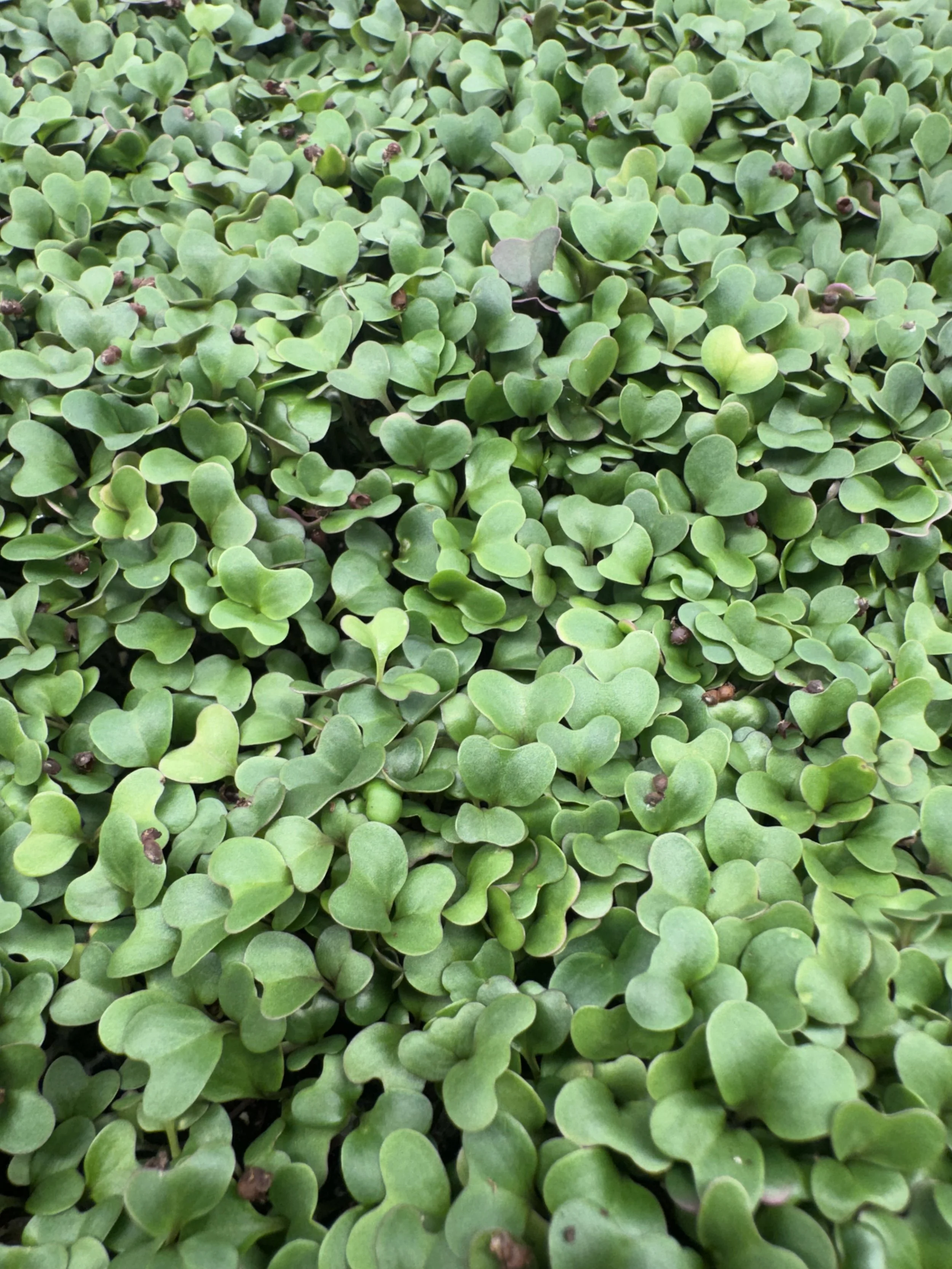
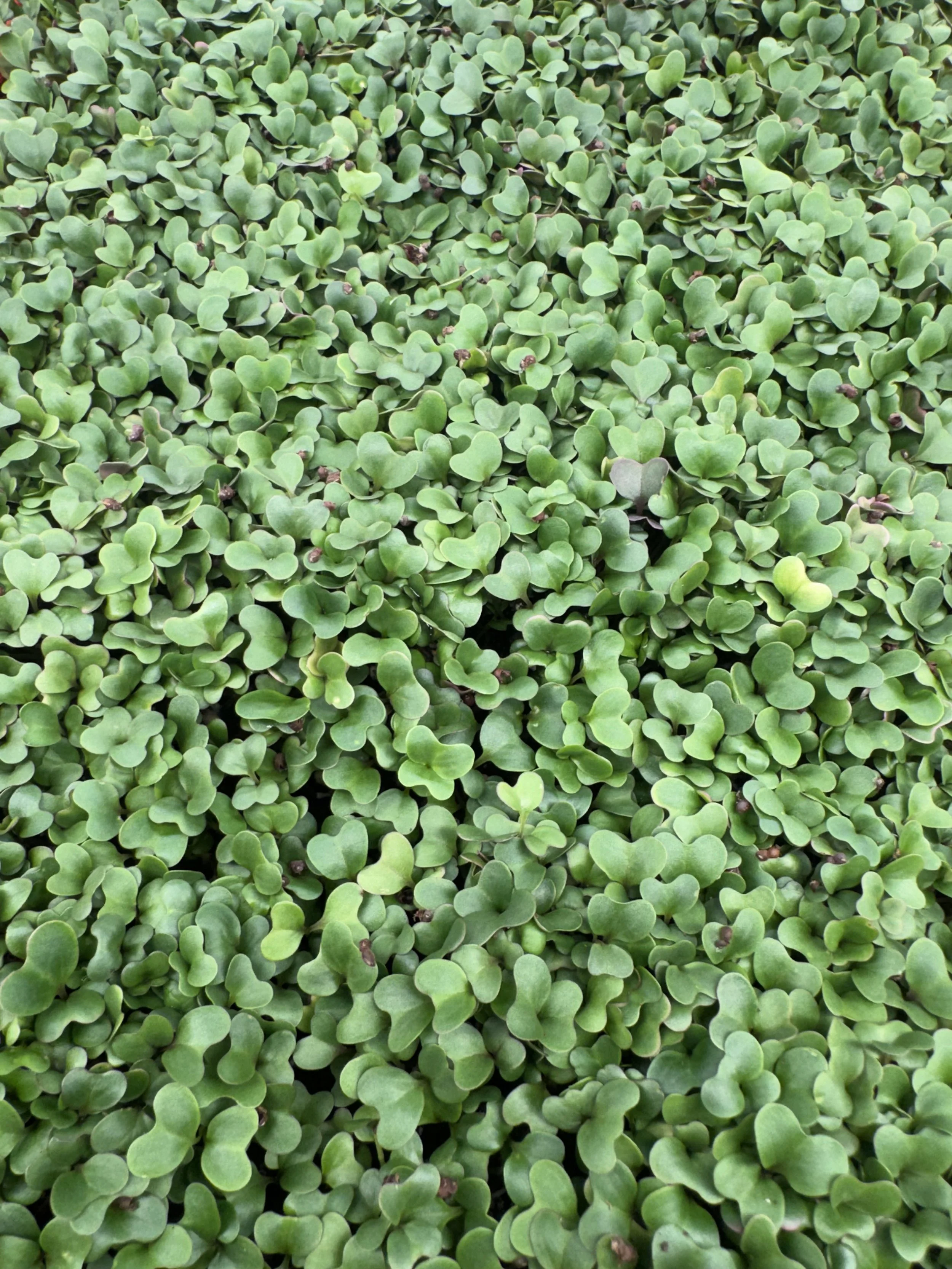
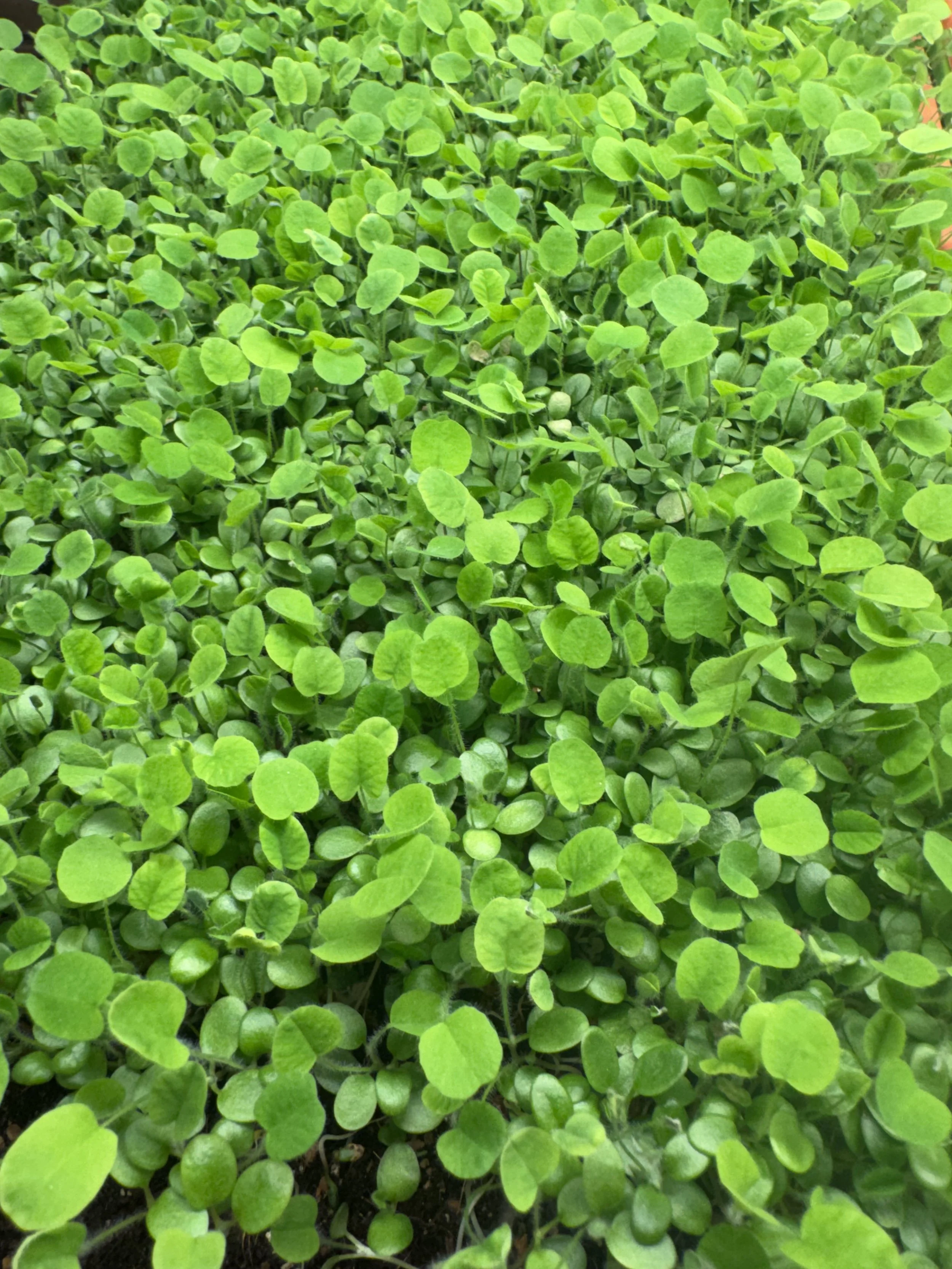
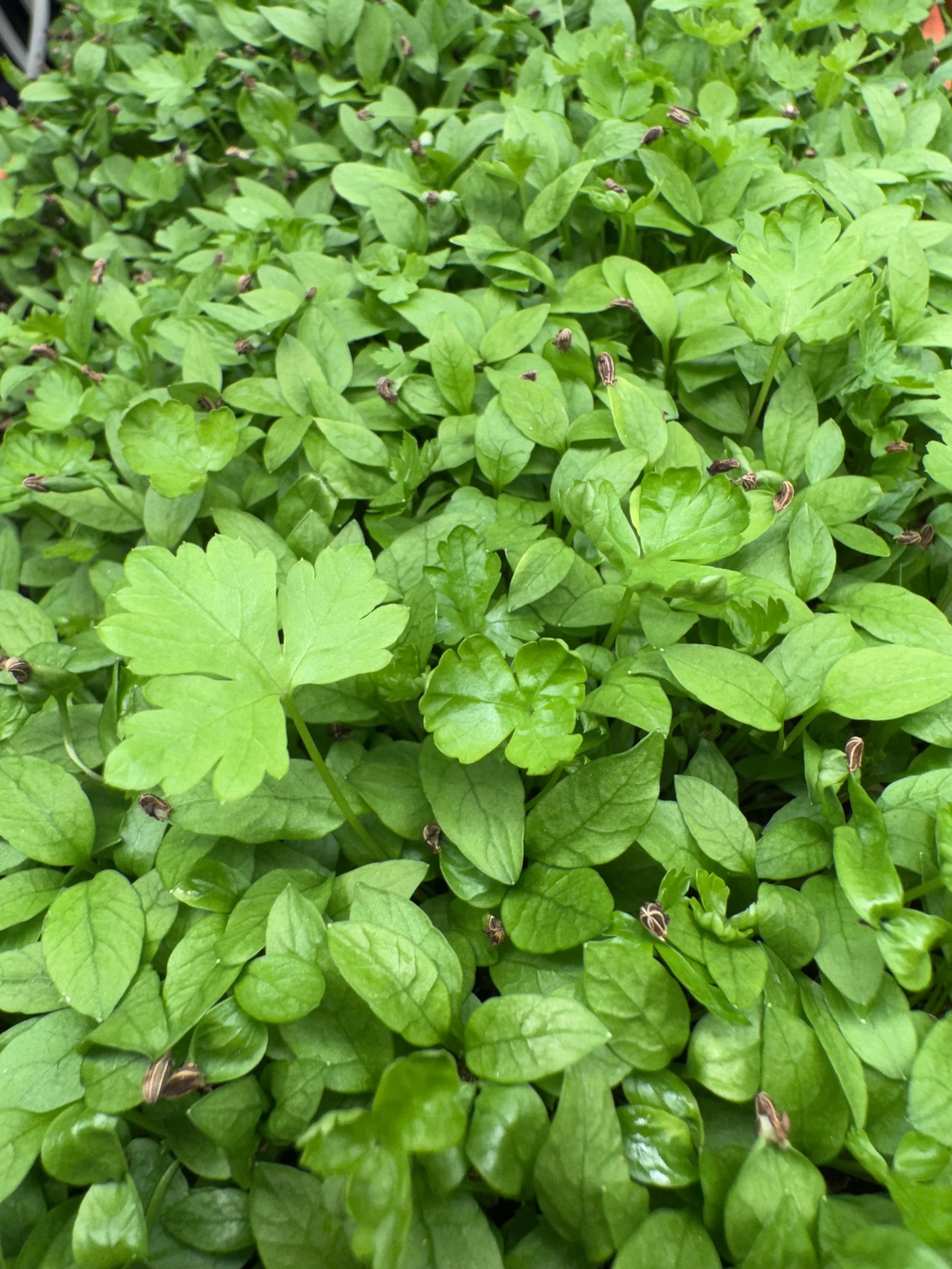
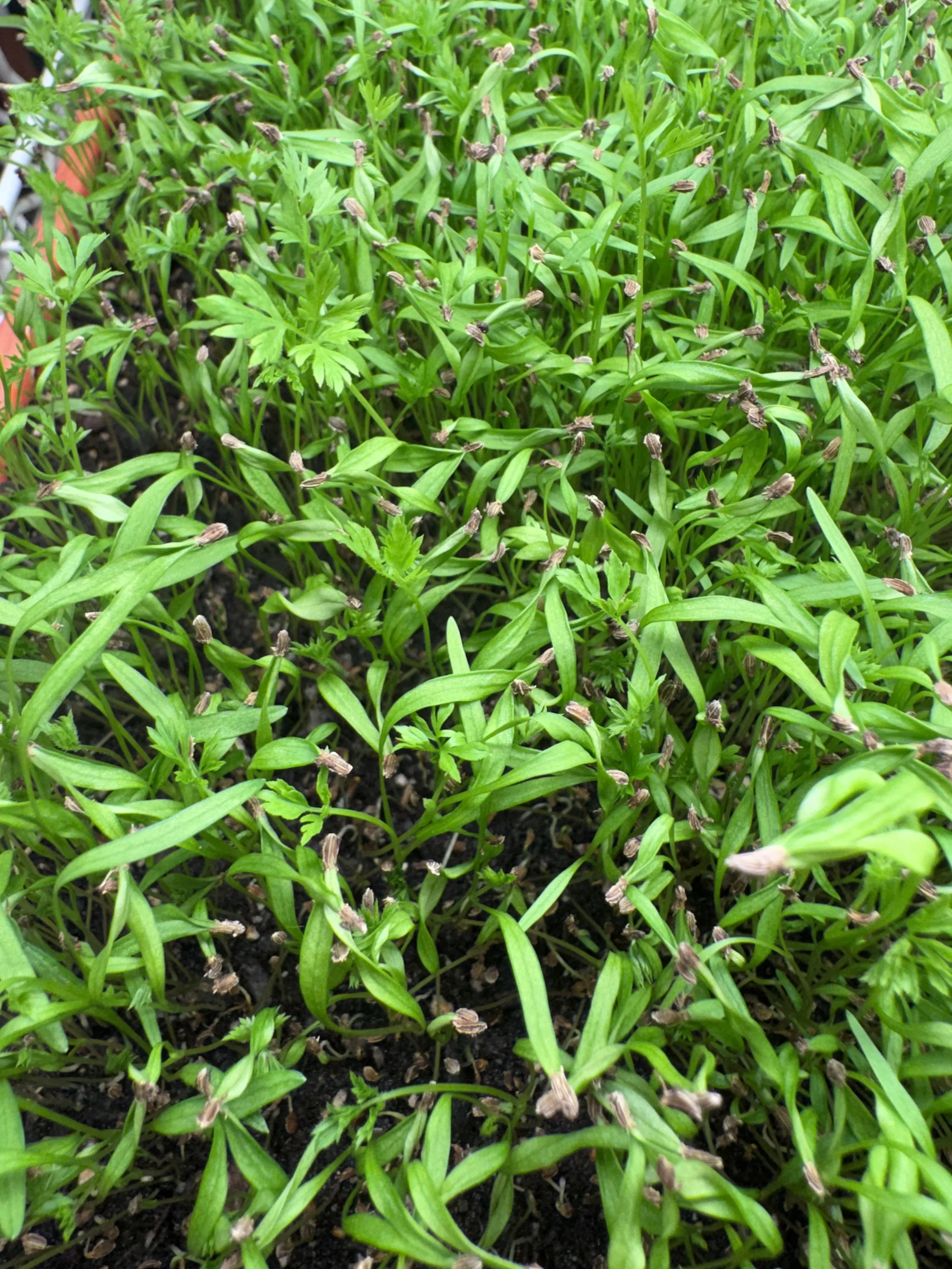
This item is grown to order and requires a 2 week lead time. We will grow a 10"x10" tray of these micros which we will cut and package for you when they are ready.
History:
Carrots originated in the region of modern-day Afghanistan around 5,000 years ago, initially cultivated for their aromatic leaves and seeds, not their roots. The first cultivated carrots were purple or yellow, and it wasn't until the 17th century that Dutch farmers selectively bred yellow and red varieties to create the orange carrot that is common today.
Flavor Profile:
Carrot microgreens have a mild, sweet, and earthy flavor profile, similar to a young carrot. They also have a fresh, slightly nutty, and sometimes subtly spicy taste with a crisp, tender texture.
Suggested Uses:
Carrot microgreens can be used as a garnish for salads, soups, and sandwiches, added to smoothies for a nutrient boost, or incorporated into salads and other dishes for a mild, earthy flavor and crunchy texture. Their versatility allows them to be used raw as a fresh topping or blended into drinks and sauces like pesto.
For Pets: *(always consult a vet before adding microgreens to your pet’s diet)
Bearded Dragons: Carrot microgreens are safe and nutritious for bearded dragons in moderation, often enjoyed for their flavor. They are packed with essential vitamins like C, K, and B6. As a member of the carrot family, they should be treated as a nutritious addition to a salad, rather than a staple daily green, and washed thoroughly before serving.
Cats: Carrot microgreens (and the leafy greens/tops) are safe for cats to eat in moderation. They are not toxic and can provide vitamins, minerals, and fiber that aid in digestion. However, as obligate carnivores, cats do not require vegetables, so these should only be an occasional treat or food topper.
Dogs: Carrot microgreens are safe and nutritious for dogs, offering a boost of vitamins A, C, K, and folate. These young, leafy greens can be chopped or blended into their food, providing high-quality fiber and antioxidants that support immune system health. They are a healthy alternative to full-sized carrot tops, which some dogs find too bitter.
Guinea Pigs: Carrot microgreens and carrot tops are safe for guinea pigs to eat, though they should be given in moderation as a treat rather than a daily staple. They are nutrient-dense and safe to include in a varied diet, often loved by piggies.
Rabbits: Carrot microgreens and carrot tops are safe for rabbits to eat, as they are a nutritious, low-sugar leafy green option. They can be part of a daily diet, but they should be introduced gradually to ensure they do not cause digestive issues.
Nutrition:*not verified by FDA
Carrot microgreens are packed with nutrients, including vitamins A, C, and K, and minerals like potassium, calcium, and iron. They are also a good source of fiber and antioxidants, such as beta-carotene, and are low in calories.
Vitamins: Excellent source of vitamins A, C, and K, plus B vitamins and vitamin E.
Minerals: Rich in potassium, calcium, iron, and magnesium.
Antioxidants: Contain antioxidants like beta-carotene, which can help protect against cell damage.
Fiber: Provides dietary fiber, which is good for digestive health.
Potential Health Benefits:*not verified by FDA
Eye health: High vitamin A and beta-carotene content supports strong vision.
Immune system: Vitamins C and other nutrients help boost immune function.
Bone health: Vitamin K is essential for strong bones and blood clotting.
Digestive health: Fiber aids in proper digestion.
Disclaimer: Nutritional information and listed Health Benefits have not been evaluated by the Food and Drug Administration. This product is not intended to diagnose, treat, cure, or prevent any disease. The information on this website is for educational purposes only and not intended as medical advice.
This item is grown to order and requires a 2 week lead time. We will grow a 10"x10" tray of these micros which we will cut and package for you when they are ready.
History:
Carrots originated in the region of modern-day Afghanistan around 5,000 years ago, initially cultivated for their aromatic leaves and seeds, not their roots. The first cultivated carrots were purple or yellow, and it wasn't until the 17th century that Dutch farmers selectively bred yellow and red varieties to create the orange carrot that is common today.
Flavor Profile:
Carrot microgreens have a mild, sweet, and earthy flavor profile, similar to a young carrot. They also have a fresh, slightly nutty, and sometimes subtly spicy taste with a crisp, tender texture.
Suggested Uses:
Carrot microgreens can be used as a garnish for salads, soups, and sandwiches, added to smoothies for a nutrient boost, or incorporated into salads and other dishes for a mild, earthy flavor and crunchy texture. Their versatility allows them to be used raw as a fresh topping or blended into drinks and sauces like pesto.
For Pets: *(always consult a vet before adding microgreens to your pet’s diet)
Bearded Dragons: Carrot microgreens are safe and nutritious for bearded dragons in moderation, often enjoyed for their flavor. They are packed with essential vitamins like C, K, and B6. As a member of the carrot family, they should be treated as a nutritious addition to a salad, rather than a staple daily green, and washed thoroughly before serving.
Cats: Carrot microgreens (and the leafy greens/tops) are safe for cats to eat in moderation. They are not toxic and can provide vitamins, minerals, and fiber that aid in digestion. However, as obligate carnivores, cats do not require vegetables, so these should only be an occasional treat or food topper.
Dogs: Carrot microgreens are safe and nutritious for dogs, offering a boost of vitamins A, C, K, and folate. These young, leafy greens can be chopped or blended into their food, providing high-quality fiber and antioxidants that support immune system health. They are a healthy alternative to full-sized carrot tops, which some dogs find too bitter.
Guinea Pigs: Carrot microgreens and carrot tops are safe for guinea pigs to eat, though they should be given in moderation as a treat rather than a daily staple. They are nutrient-dense and safe to include in a varied diet, often loved by piggies.
Rabbits: Carrot microgreens and carrot tops are safe for rabbits to eat, as they are a nutritious, low-sugar leafy green option. They can be part of a daily diet, but they should be introduced gradually to ensure they do not cause digestive issues.
Nutrition:*not verified by FDA
Carrot microgreens are packed with nutrients, including vitamins A, C, and K, and minerals like potassium, calcium, and iron. They are also a good source of fiber and antioxidants, such as beta-carotene, and are low in calories.
Vitamins: Excellent source of vitamins A, C, and K, plus B vitamins and vitamin E.
Minerals: Rich in potassium, calcium, iron, and magnesium.
Antioxidants: Contain antioxidants like beta-carotene, which can help protect against cell damage.
Fiber: Provides dietary fiber, which is good for digestive health.
Potential Health Benefits:*not verified by FDA
Eye health: High vitamin A and beta-carotene content supports strong vision.
Immune system: Vitamins C and other nutrients help boost immune function.
Bone health: Vitamin K is essential for strong bones and blood clotting.
Digestive health: Fiber aids in proper digestion.