 Image 1 of 1
Disclaimer:Nutritional information and listed Health Benefits have not been evaluated by the Food and Drug Administration. This product is not intended to diagnose, treat, cure, or prevent any disease. The information on this website is for educational purposes only and not intended as medical advice.This item is grown to order and requires a 2 week lead time. We will grow a 10"x10" tray of these micros which we will cut and package for you when they are ready.
History:
The history of Chia dates back to ancient civilizations like the Mayans and Aztecs, who used the seeds for sustenance, medicine, and religious rituals. The word "chia" comes from the Mayan word for "strength," referring to the energy the seeds provided. After being used extensively, chia seeds declined in importance after the Spanish conquest and later saw a revival in the late 20th century with a project to recover lost nutritional plants and modern commercial cultivation.
Flavor Profile:
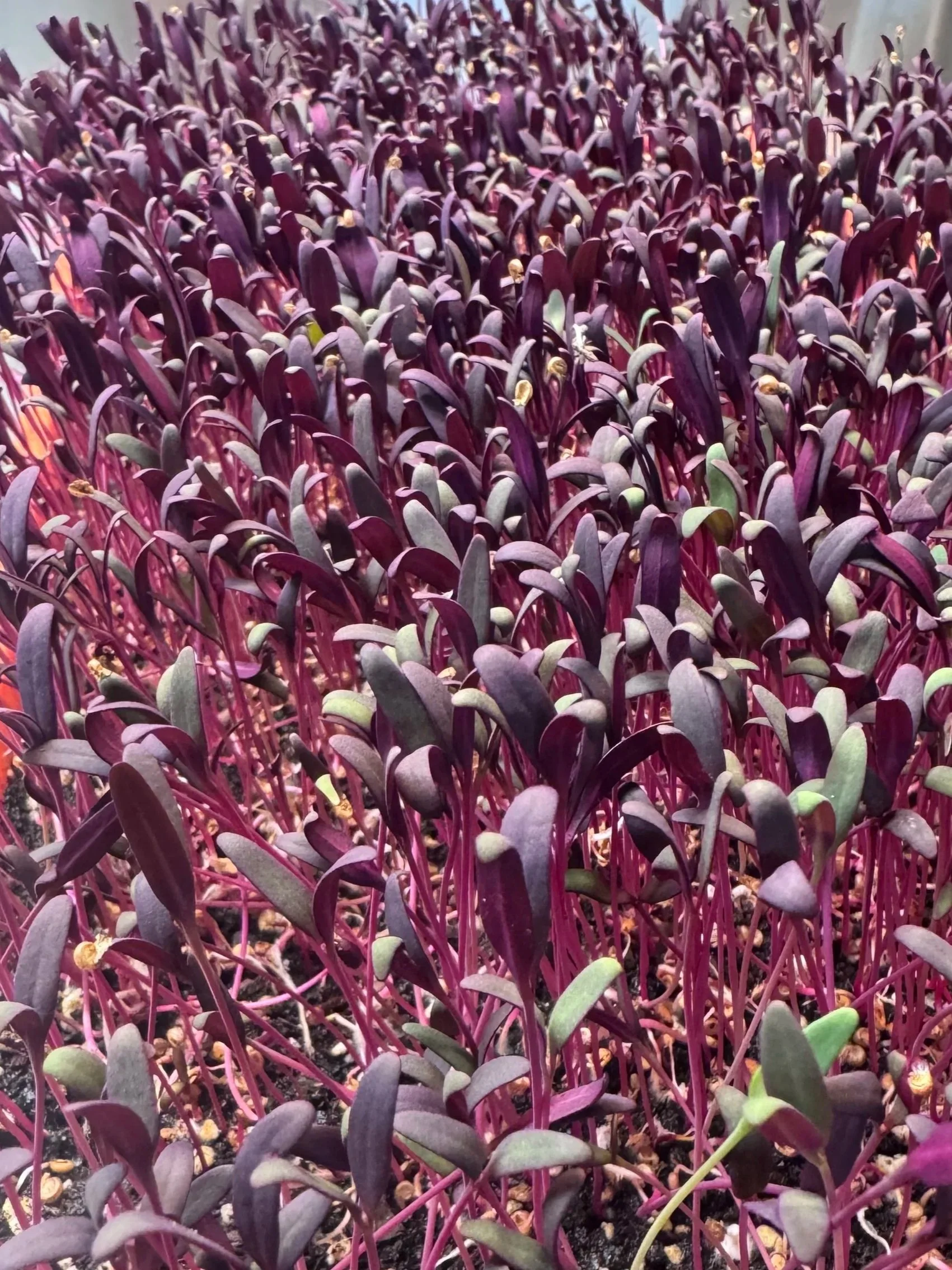
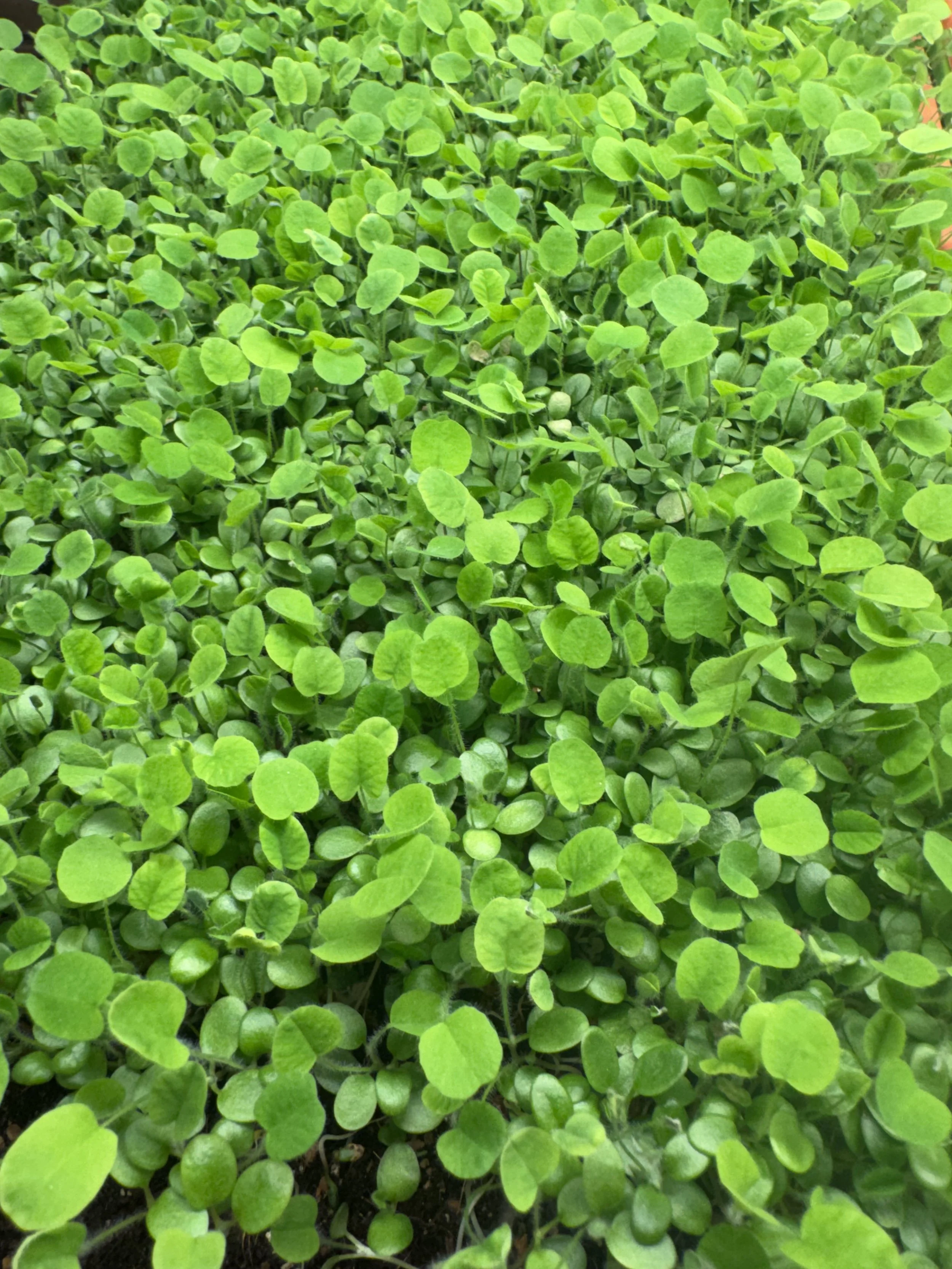
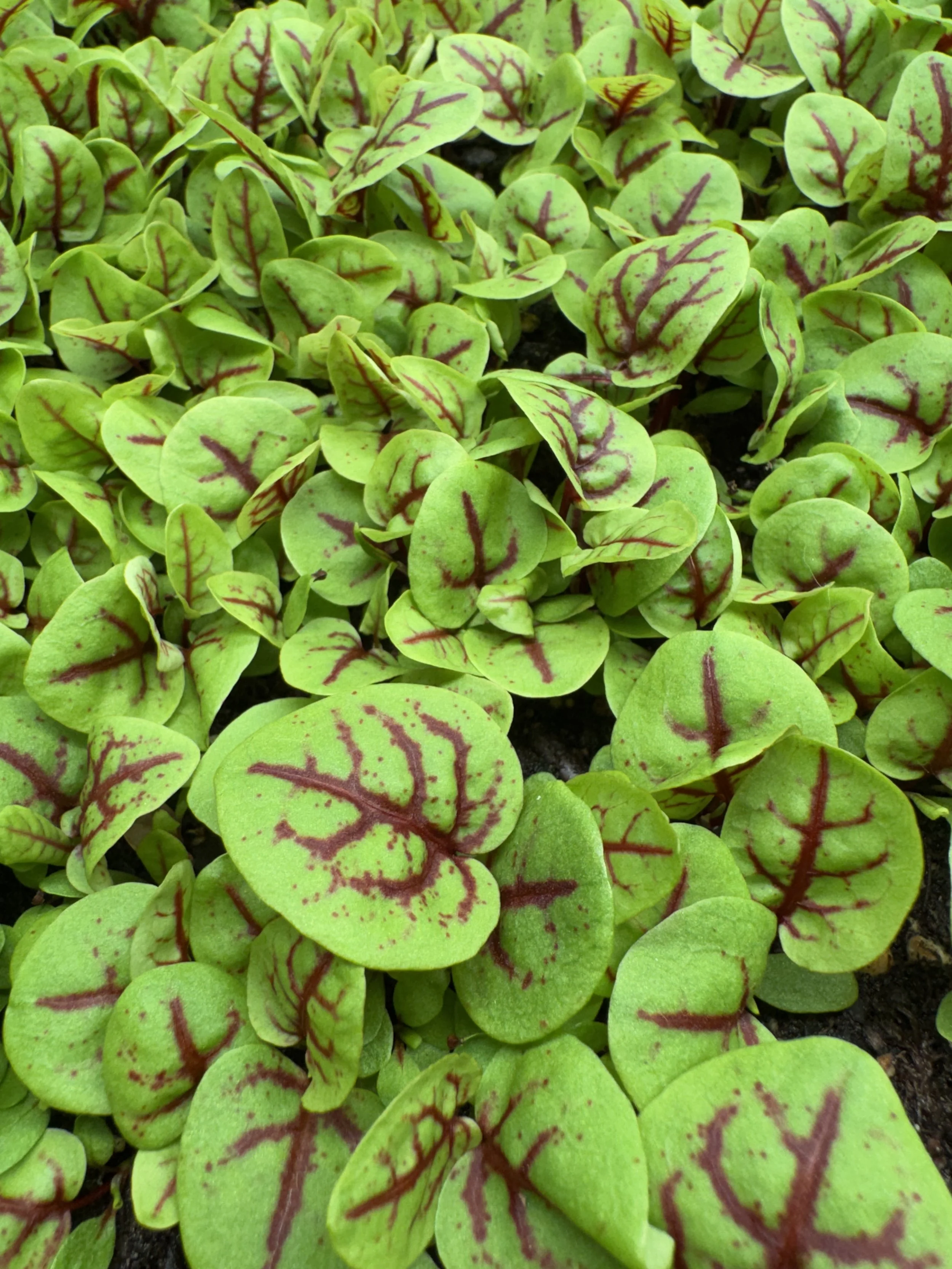
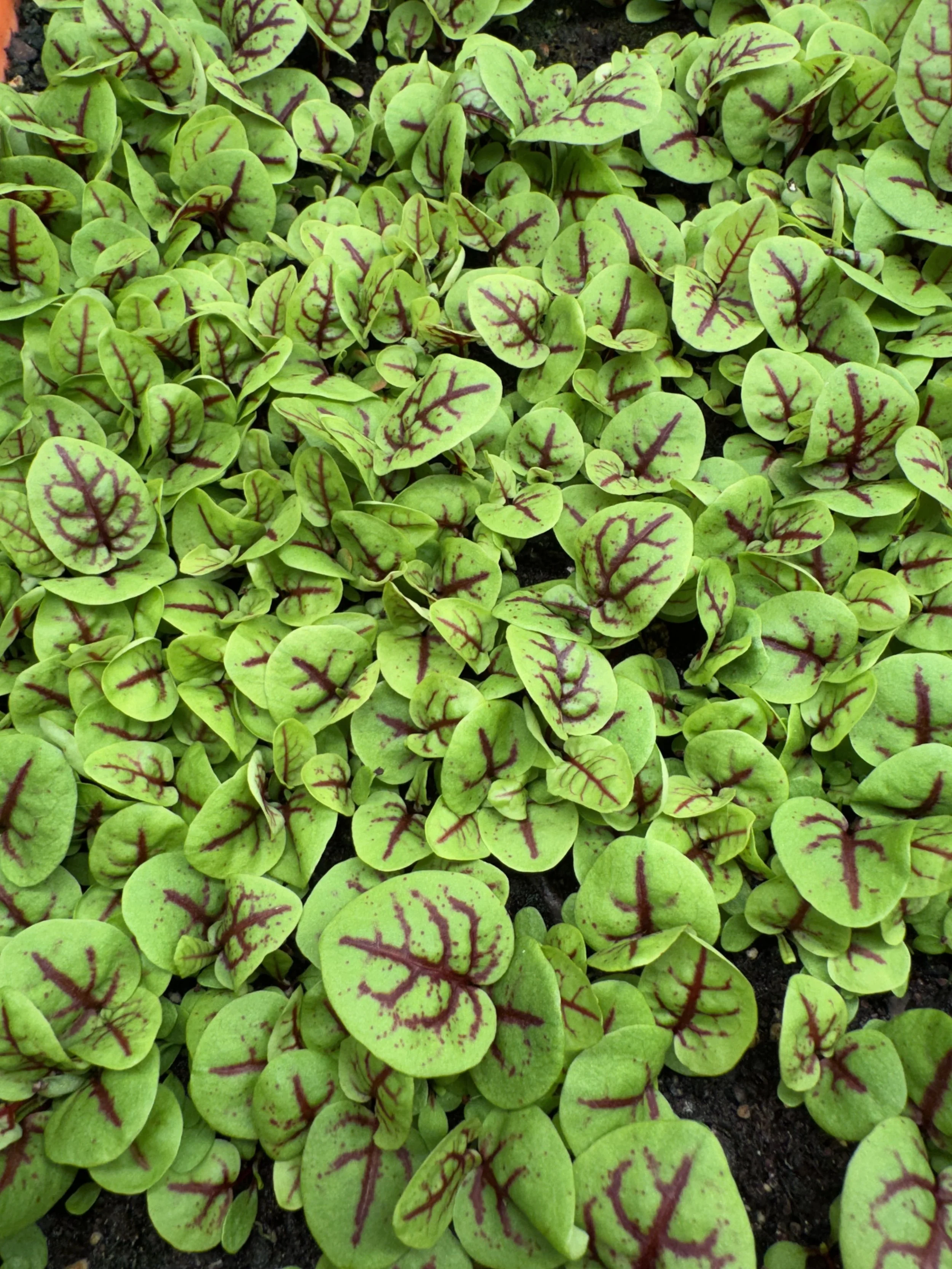
Chia microgreens have a mild, fresh, and slightly nutty flavor with a hint of bitterness and spice. They are also described as having a tangy taste and a velvety, soft texture. Because of their mild flavor, they can be used to add freshness to a wide variety of dishes without overwhelming other ingredients.
Suggested Uses:
Chia microgreens can be used as a nutritional boost in many dishes, including salads, sandwiches, wraps, and smoothies. They are also great as a garnish for soups, eggs, and grain bowls, or as an ingredient in dips and spreads. Their mild, slightly tangy, and sometimes minty flavor adds a fresh and vibrant touch to meals.
Nutrition:*not verified by FDA
Chia microgreens are nutrient-dense, packed with vitamins A, C, E, and B, plus minerals like calcium, magnesium, iron, phosphorus, zinc, copper, and manganese. They are a significant source of omega-3 fatty acids and fiber, and the germination process increases the bioavailability of nutrients while reducing anti-nutrients like phytic acid compared to chia seeds alone.
Vitamins: A, C, E, and B vitamins (thiamin, niacin)
Minerals: Calcium, iron, magnesium, phosphorus, zinc, copper, and manganese
Fats: High in omega-3 fatty acids
Fiber: A good source of dietary fiber
Other compounds: Antioxidants, chlorophyll, and all 18 essential amino acids
Benefits of microgreens over seeds*not verified by FDA
Improved bioavailability: The germination process breaks down anti-nutrients, making minerals like iron, zinc, and calcium more easily absorbed by the body.
Higher nutrient density: Some nutrients can be present in significantly higher concentrations than in the mature seeds.
Increased vitamin C: Germination can increase vitamin C levels by up to 17 times.
Potential Health Benefits:*not verified by FDA
Rich in antioxidants: Germination significantly increases the concentration of antioxidants, which help protect against oxidative stress and chronic disease.
Increased nutrient bioavailability: The sprouting process makes vitamins and minerals like iron, zinc, and calcium more easily absorbed by the body.
High in fiber and protein: They are an excellent source of dietary fiber and protein, which supports digestion and satiety.
Chlorophyll content: Sprouted chia has high levels of chlorophyll, which can help cleanse the blood and support the body's natural detox systems.
Omega-3 fatty acids: Like the seeds, the microgreens contain beneficial omega-3 fatty acids that support cardiovascular health and brain function.
Heart health: The potassium, magnesium, and fiber help support healthy blood pressure and circulation. Omega-3s contribute to a healthy heart by stabilizing cholesterol and insulin levels.
Bone health: The high levels of calcium, magnesium, and vitamin K are essential for maintaining strong bones and preventing osteoporosis.
Brain function: Iron and folate contribute to better brain function and focus, while omega-3s are crucial for cognitive health and mood regulation.
Immune support: Vitamins C and other antioxidants help strengthen the immune system.
Digestive health: The fiber promotes healthy digestion, while the enzymes in the microgreens can aid the body's digestive process.
Vision and skin health: Beta-carotene (a precursor to vitamin A) supports healthy vision and skin renewal.
Disclaimer:Nutritional information and listed Health Benefits have not been evaluated by the Food and Drug Administration. This product is not intended to diagnose, treat, cure, or prevent any disease. The information on this website is for educational purposes only and not intended as medical advice.This item is grown to order and requires a 2 week lead time. We will grow a 10"x10" tray of these micros which we will cut and package for you when they are ready.
History:
The history of Chia dates back to ancient civilizations like the Mayans and Aztecs, who used the seeds for sustenance, medicine, and religious rituals. The word "chia" comes from the Mayan word for "strength," referring to the energy the seeds provided. After being used extensively, chia seeds declined in importance after the Spanish conquest and later saw a revival in the late 20th century with a project to recover lost nutritional plants and modern commercial cultivation.
Flavor Profile:
Chia microgreens have a mild, fresh, and slightly nutty flavor with a hint of bitterness and spice. They are also described as having a tangy taste and a velvety, soft texture. Because of their mild flavor, they can be used to add freshness to a wide variety of dishes without overwhelming other ingredients.
Suggested Uses:
Chia microgreens can be used as a nutritional boost in many dishes, including salads, sandwiches, wraps, and smoothies. They are also great as a garnish for soups, eggs, and grain bowls, or as an ingredient in dips and spreads. Their mild, slightly tangy, and sometimes minty flavor adds a fresh and vibrant touch to meals.
Nutrition:*not verified by FDA
Chia microgreens are nutrient-dense, packed with vitamins A, C, E, and B, plus minerals like calcium, magnesium, iron, phosphorus, zinc, copper, and manganese. They are a significant source of omega-3 fatty acids and fiber, and the germination process increases the bioavailability of nutrients while reducing anti-nutrients like phytic acid compared to chia seeds alone.
Vitamins: A, C, E, and B vitamins (thiamin, niacin)
Minerals: Calcium, iron, magnesium, phosphorus, zinc, copper, and manganese
Fats: High in omega-3 fatty acids
Fiber: A good source of dietary fiber
Other compounds: Antioxidants, chlorophyll, and all 18 essential amino acids
Benefits of microgreens over seeds*not verified by FDA
Improved bioavailability: The germination process breaks down anti-nutrients, making minerals like iron, zinc, and calcium more easily absorbed by the body.
Higher nutrient density: Some nutrients can be present in significantly higher concentrations than in the mature seeds.
Increased vitamin C: Germination can increase vitamin C levels by up to 17 times.
Potential Health Benefits:*not verified by FDA
Rich in antioxidants: Germination significantly increases the concentration of antioxidants, which help protect against oxidative stress and chronic disease.
Increased nutrient bioavailability: The sprouting process makes vitamins and minerals like iron, zinc, and calcium more easily absorbed by the body.
High in fiber and protein: They are an excellent source of dietary fiber and protein, which supports digestion and satiety.
Chlorophyll content: Sprouted chia has high levels of chlorophyll, which can help cleanse the blood and support the body's natural detox systems.
Omega-3 fatty acids: Like the seeds, the microgreens contain beneficial omega-3 fatty acids that support cardiovascular health and brain function.
Heart health: The potassium, magnesium, and fiber help support healthy blood pressure and circulation. Omega-3s contribute to a healthy heart by stabilizing cholesterol and insulin levels.
Bone health: The high levels of calcium, magnesium, and vitamin K are essential for maintaining strong bones and preventing osteoporosis.
Brain function: Iron and folate contribute to better brain function and focus, while omega-3s are crucial for cognitive health and mood regulation.
Immune support: Vitamins C and other antioxidants help strengthen the immune system.
Digestive health: The fiber promotes healthy digestion, while the enzymes in the microgreens can aid the body's digestive process.
Vision and skin health: Beta-carotene (a precursor to vitamin A) supports healthy vision and skin renewal.