 Image 1 of 1
Disclaimer: Nutritional information and listed Health Benefits have not been evaluated by the Food and Drug Administration. This product is not intended to diagnose, treat, cure, or prevent any disease. The information on this website is for educational purposes only and not intended as medical advice.
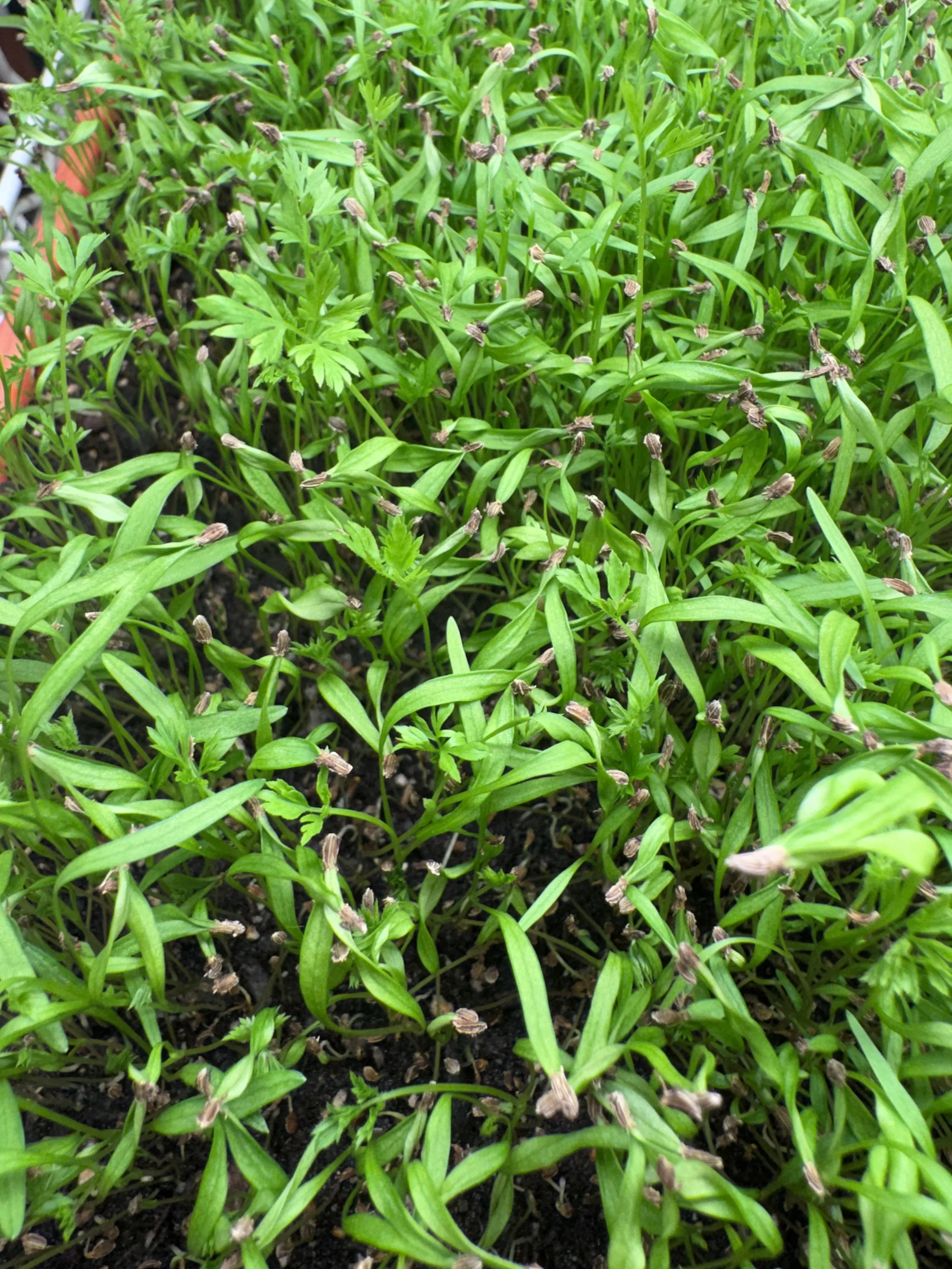
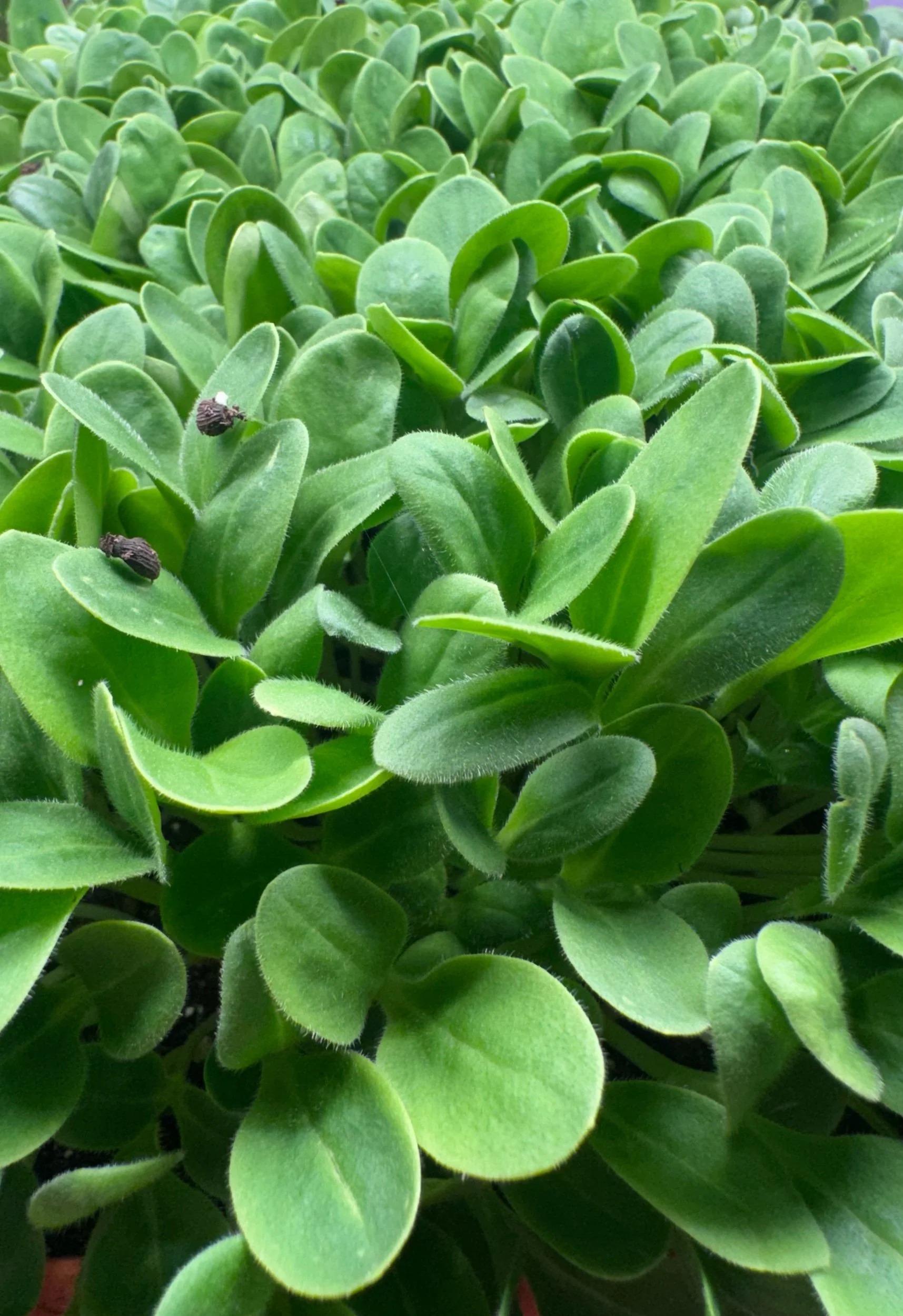
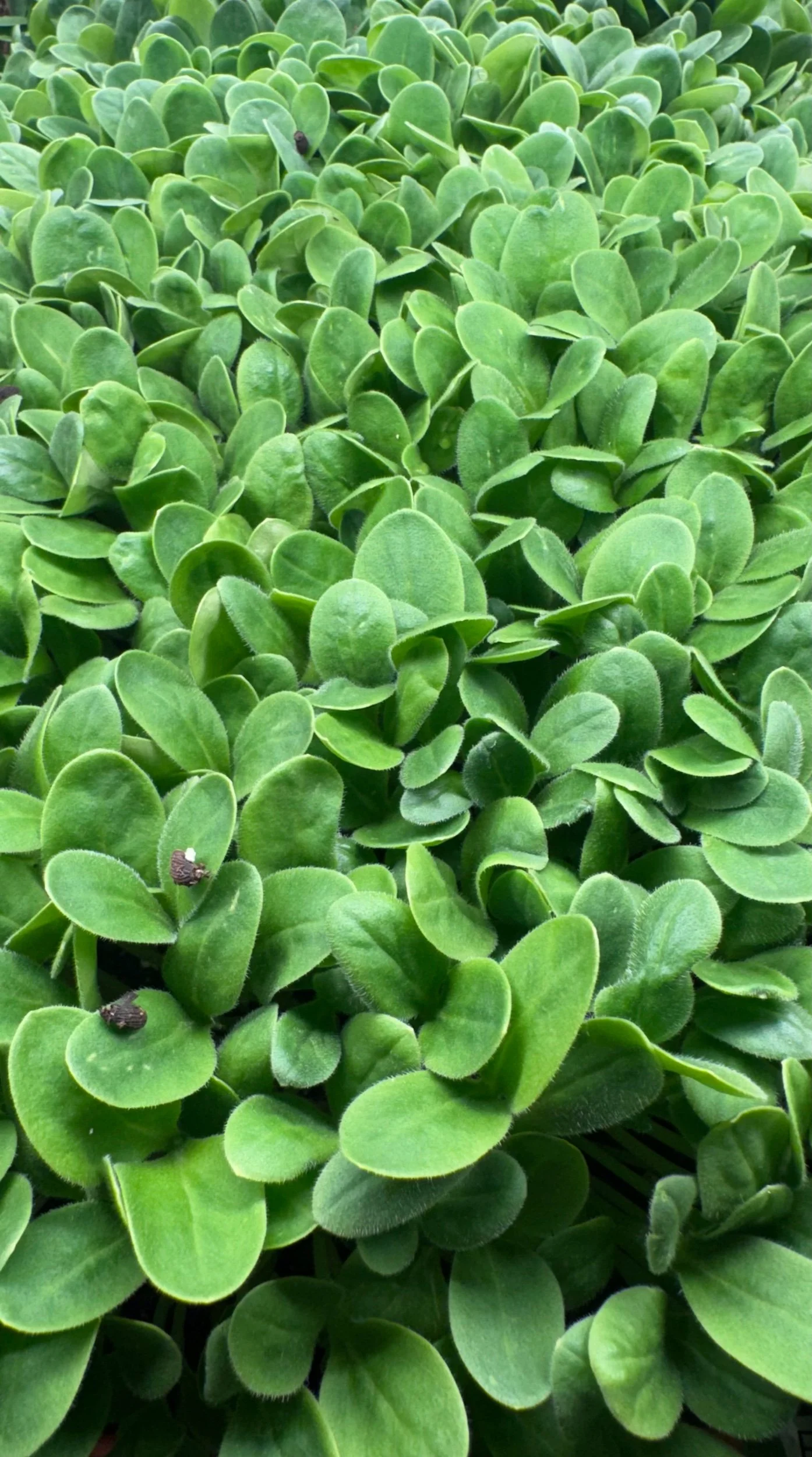
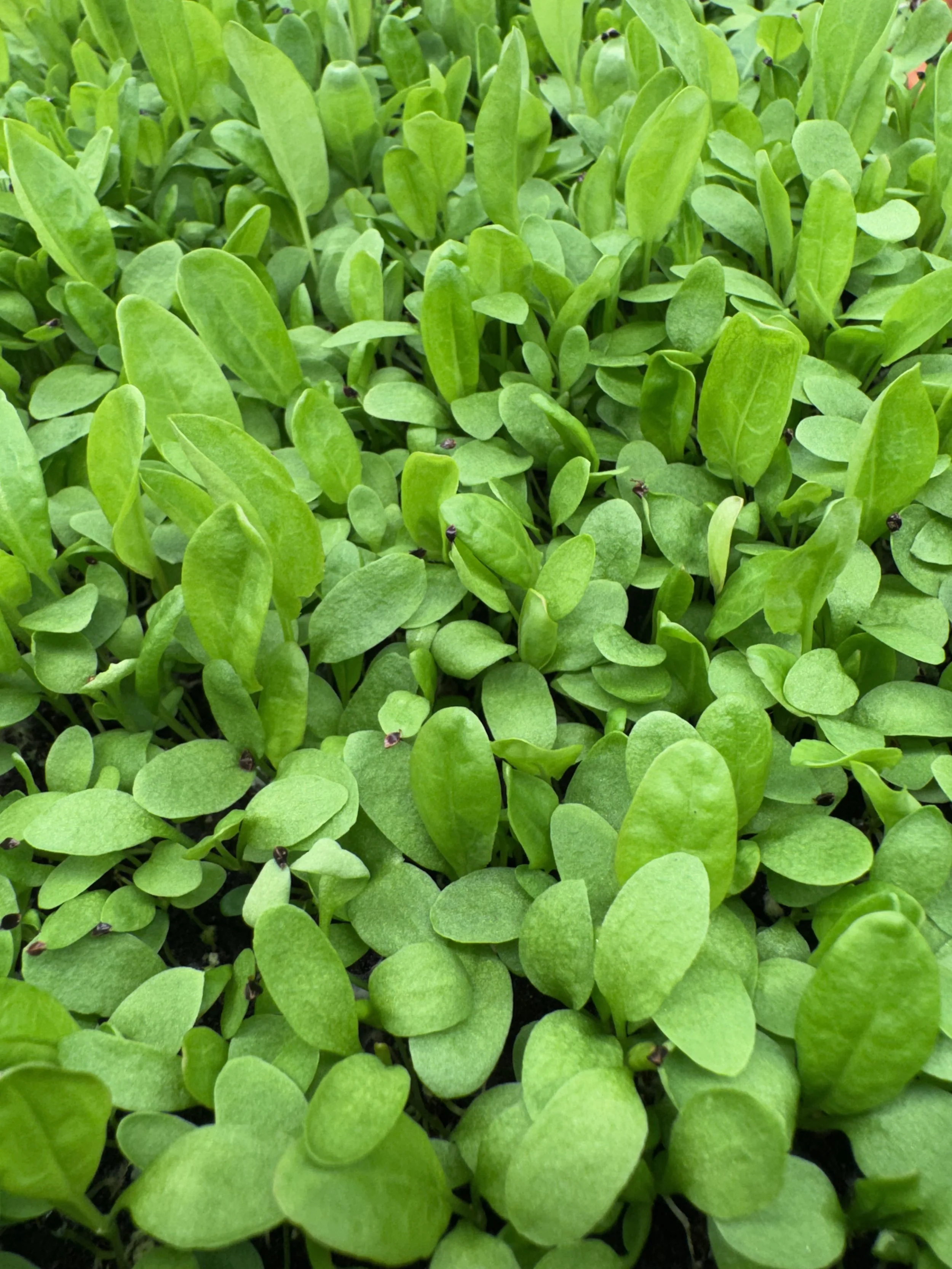
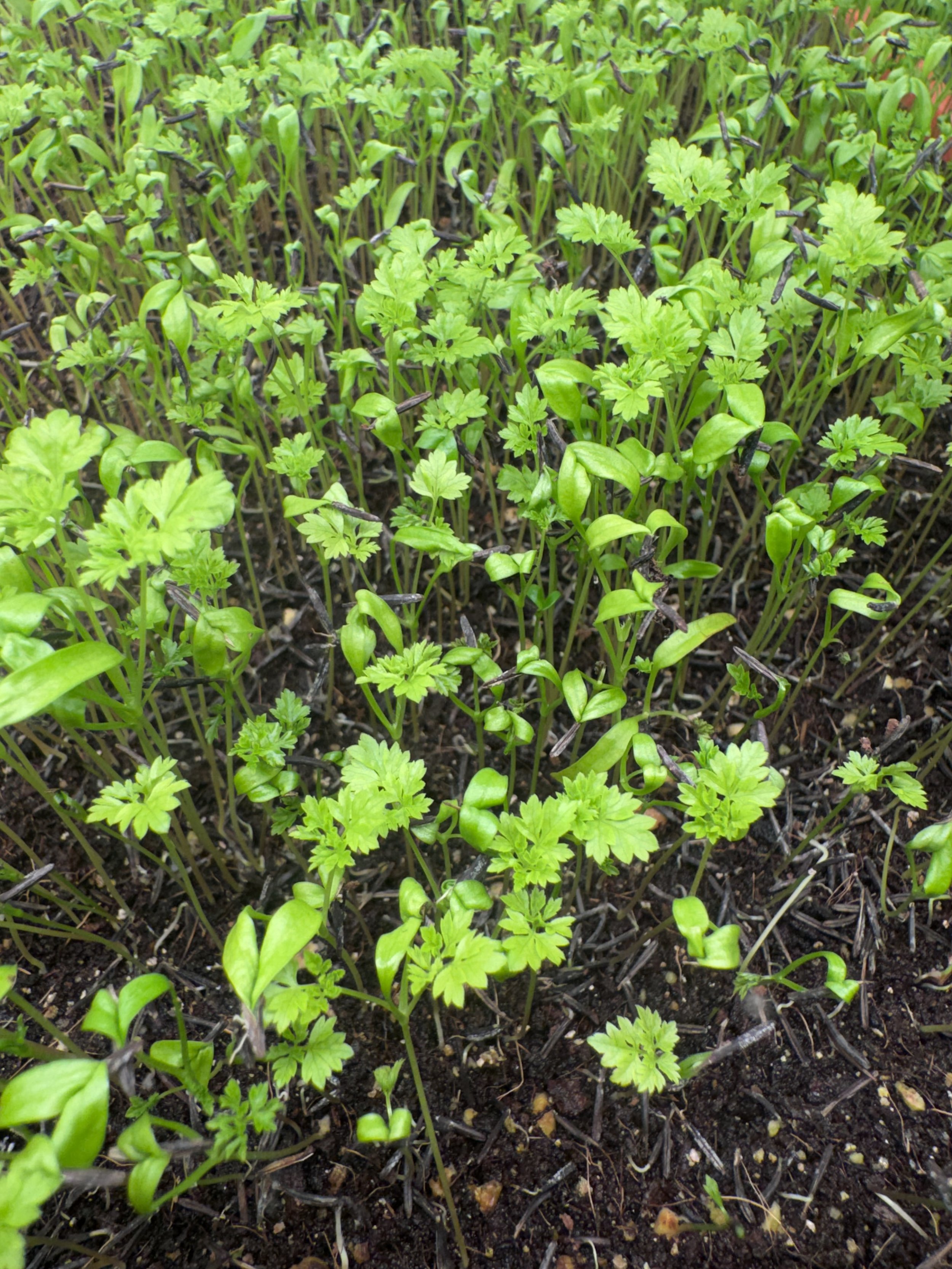
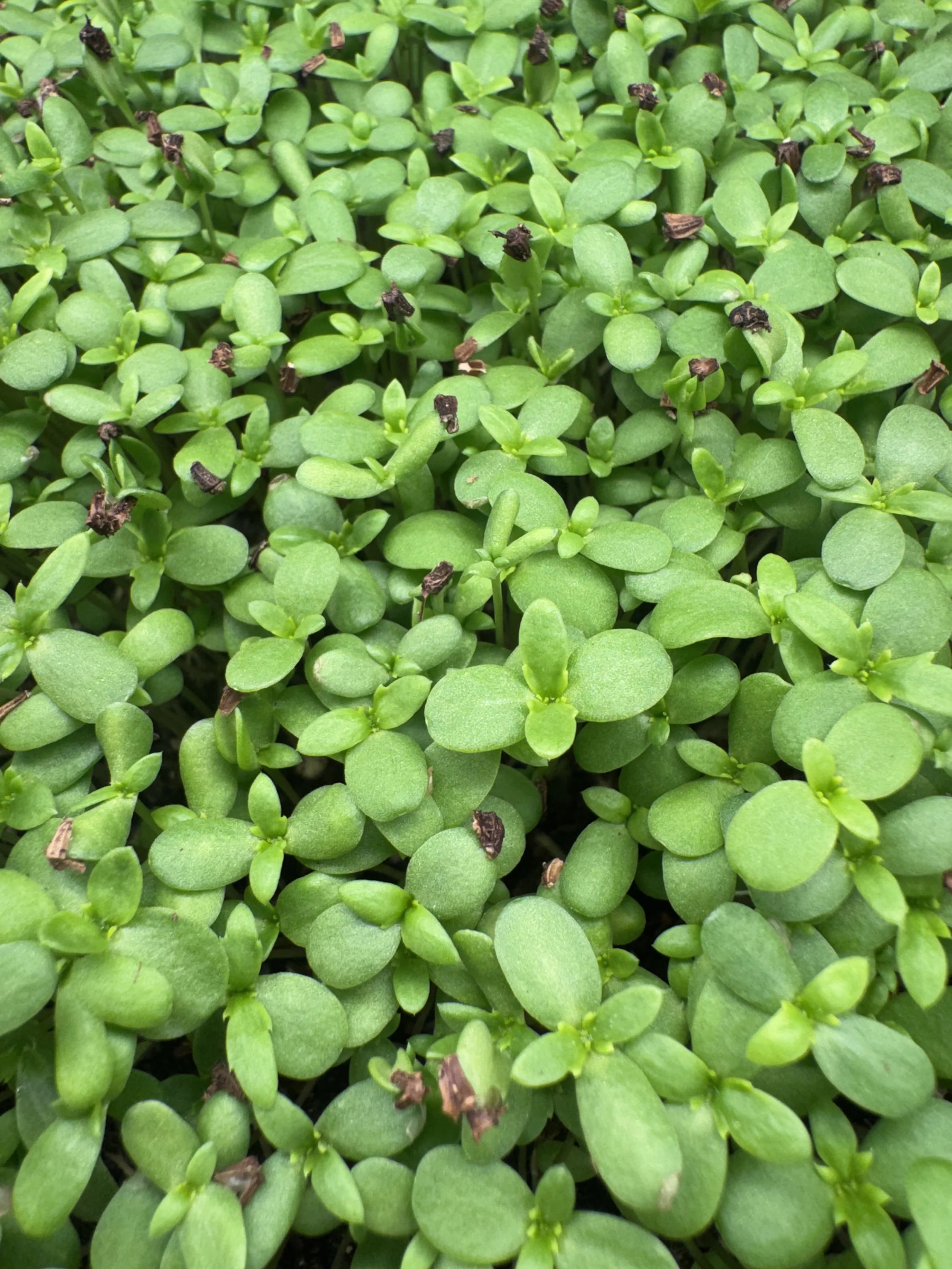
This item is grown to order and requires a 2 week lead time. We will grow a 10"x10" tray of these micros which we will cut and package for you when they are ready.
History:
Chrysanthemums originated in China as a flowering herb and medicinal plant over 2,500 years ago, before spreading to Japan around the 8th century AD, where they became a national symbol. They were introduced to Europe in the 17th century and gained immense popularity in the US by the 19th century, becoming one of the most cultivated flowers globally due to their diversity, resilience, and vibrant fall colors.
The history of chrysanthemum microgreens is a modern fusion of ancient culinary use and recent microgreen cultivation, originating in China and Japan, where chrysanthemum greens have been eaten for centuries. It wasn't until the 1990s, when the broader concept of microgreens was developed in the United States, that culinary varieties like chrysanthemum were specifically grown in their young form for high-end dishes.
Flavor Profile:
Chrysanthemum microgreens have a distinct taste that is often a blend of fresh, slightly bitter, and subtly sweet notes, with a hint of citrusy or herbaceous flavor.
Allergy Alert:
People with allergies to plants in the Asteraceae family (such as ragweed, daisies, and marigolds) may have an allergic reaction to chrysanthemum greens.
Suggested Uses:
Chrysanthemum microgreens can be used in various culinary dishes, including salads, soups, and stir-fries, as well as for garnishes and tempura. They can be eaten raw or lightly cooked, but they become bitter if overcooked, so they should only be heated for about 30–60 seconds. It also pairs well with ingredients like soy sauce, sesame, and garlic.
Nutrition:*not verified by FDA
Chrysanthemum microgreens are a highly nutritious food, rich in vitamins A, C, K, and B complex, as well as minerals like potassium, calcium, and iron. They also contain dietary fiber and antioxidants such as flavonoids and carotenoids. Due to their concentrated nutrients, they can offer significant health benefits, including supporting the immune system and bones.
Vitamins: A, C, K, B complex (including B1, B2, B6), and folic acid
Minerals: Potassium, calcium, and iron
Fiber: Rich in dietary fiber
Antioxidants: Flavonoids and carotenoids
Health Benefits:*not verified by FDA
Immune system support: High concentrations of vitamins A and C strengthen the immune system and help the body fight infections.
Heart health: Potassium and antioxidants help regulate blood pressure, while other compounds may help lower bad cholesterol and triglycerides, reducing the risk of heart disease.
Digestive aid: Chrysanthemum microgreens may help ease digestion and stimulate the stomach to process fatty foods more quickly.
Anti-inflammatory properties: They contain antioxidants and polyphenols that help reduce inflammation throughout the body, which can benefit conditions like acne, eczema, and psoriasis.
Blood clotting and bone health: They are a good source of vitamin K, which is crucial for proper blood clotting and bone health.
Antioxidant and detoxification: The antioxidants help fight free radicals, reducing oxidative stress. The chlorophyll in microgreens can also aid in the body's detoxification processes.
Other potential benefits:
Vision protection: Microgreens like broccoli contain lutein, an antioxidant that can help protect against age-related macular degeneration.
Blood sugar moderation: Some studies suggest chrysanthemum greens may help moderate blood sugar levels and support weight loss.
Disclaimer: Nutritional information and listed Health Benefits have not been evaluated by the Food and Drug Administration. This product is not intended to diagnose, treat, cure, or prevent any disease. The information on this website is for educational purposes only and not intended as medical advice.
This item is grown to order and requires a 2 week lead time. We will grow a 10"x10" tray of these micros which we will cut and package for you when they are ready.
History:
Chrysanthemums originated in China as a flowering herb and medicinal plant over 2,500 years ago, before spreading to Japan around the 8th century AD, where they became a national symbol. They were introduced to Europe in the 17th century and gained immense popularity in the US by the 19th century, becoming one of the most cultivated flowers globally due to their diversity, resilience, and vibrant fall colors.
The history of chrysanthemum microgreens is a modern fusion of ancient culinary use and recent microgreen cultivation, originating in China and Japan, where chrysanthemum greens have been eaten for centuries. It wasn't until the 1990s, when the broader concept of microgreens was developed in the United States, that culinary varieties like chrysanthemum were specifically grown in their young form for high-end dishes.
Flavor Profile:
Chrysanthemum microgreens have a distinct taste that is often a blend of fresh, slightly bitter, and subtly sweet notes, with a hint of citrusy or herbaceous flavor.
Allergy Alert:
People with allergies to plants in the Asteraceae family (such as ragweed, daisies, and marigolds) may have an allergic reaction to chrysanthemum greens.
Suggested Uses:
Chrysanthemum microgreens can be used in various culinary dishes, including salads, soups, and stir-fries, as well as for garnishes and tempura. They can be eaten raw or lightly cooked, but they become bitter if overcooked, so they should only be heated for about 30–60 seconds. It also pairs well with ingredients like soy sauce, sesame, and garlic.
Nutrition:*not verified by FDA
Chrysanthemum microgreens are a highly nutritious food, rich in vitamins A, C, K, and B complex, as well as minerals like potassium, calcium, and iron. They also contain dietary fiber and antioxidants such as flavonoids and carotenoids. Due to their concentrated nutrients, they can offer significant health benefits, including supporting the immune system and bones.
Vitamins: A, C, K, B complex (including B1, B2, B6), and folic acid
Minerals: Potassium, calcium, and iron
Fiber: Rich in dietary fiber
Antioxidants: Flavonoids and carotenoids
Health Benefits:*not verified by FDA
Immune system support: High concentrations of vitamins A and C strengthen the immune system and help the body fight infections.
Heart health: Potassium and antioxidants help regulate blood pressure, while other compounds may help lower bad cholesterol and triglycerides, reducing the risk of heart disease.
Digestive aid: Chrysanthemum microgreens may help ease digestion and stimulate the stomach to process fatty foods more quickly.
Anti-inflammatory properties: They contain antioxidants and polyphenols that help reduce inflammation throughout the body, which can benefit conditions like acne, eczema, and psoriasis.
Blood clotting and bone health: They are a good source of vitamin K, which is crucial for proper blood clotting and bone health.
Antioxidant and detoxification: The antioxidants help fight free radicals, reducing oxidative stress. The chlorophyll in microgreens can also aid in the body's detoxification processes.
Other potential benefits:
Vision protection: Microgreens like broccoli contain lutein, an antioxidant that can help protect against age-related macular degeneration.
Blood sugar moderation: Some studies suggest chrysanthemum greens may help moderate blood sugar levels and support weight loss.