 Image 1 of 1
Disclaimer: Nutritional information and listed Health Benefits have not been evaluated by the Food and Drug Administration. This product is not intended to diagnose, treat, cure, or prevent any disease. The information on this website is for educational purposes only and not intended as medical advice.
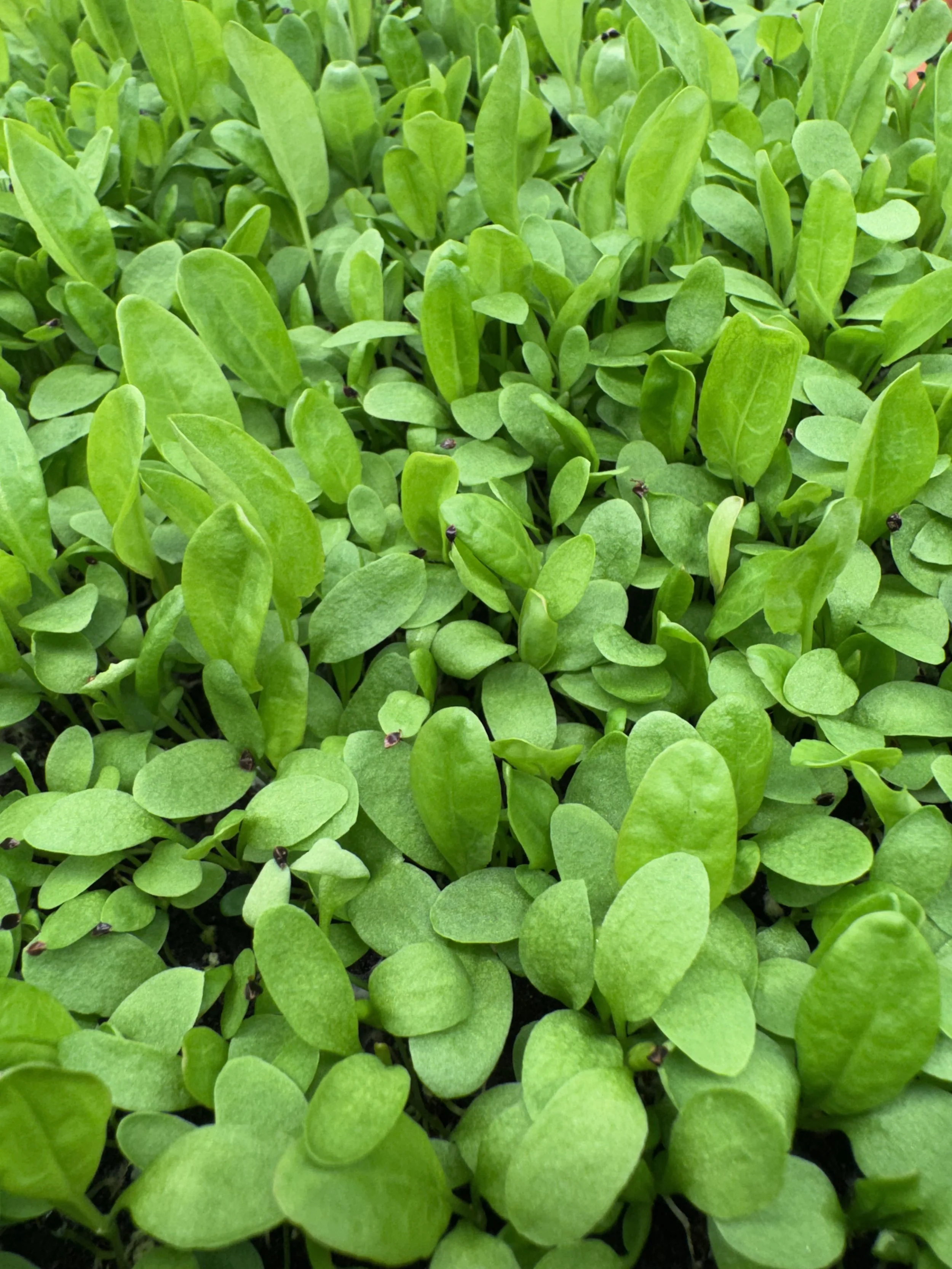
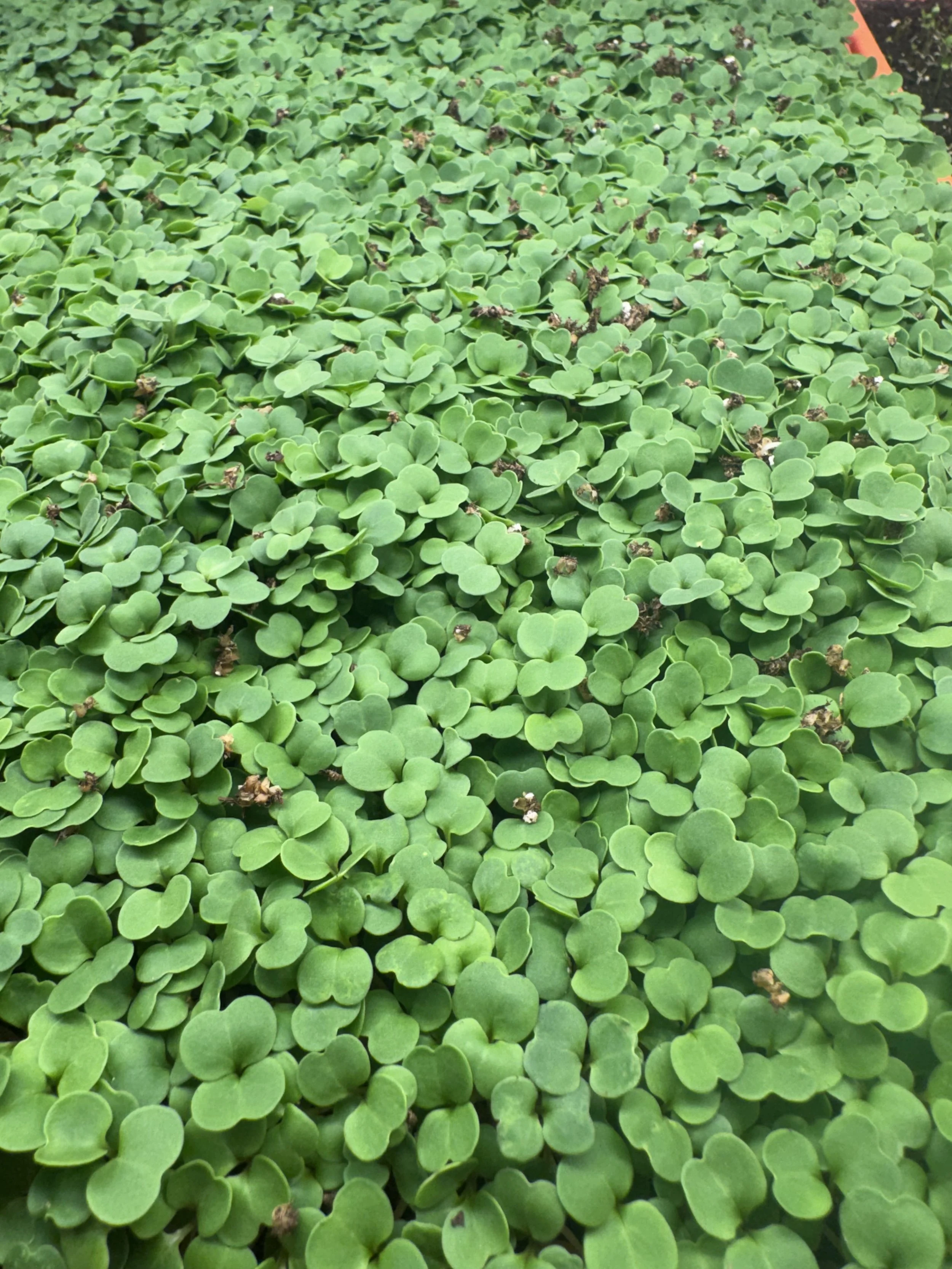
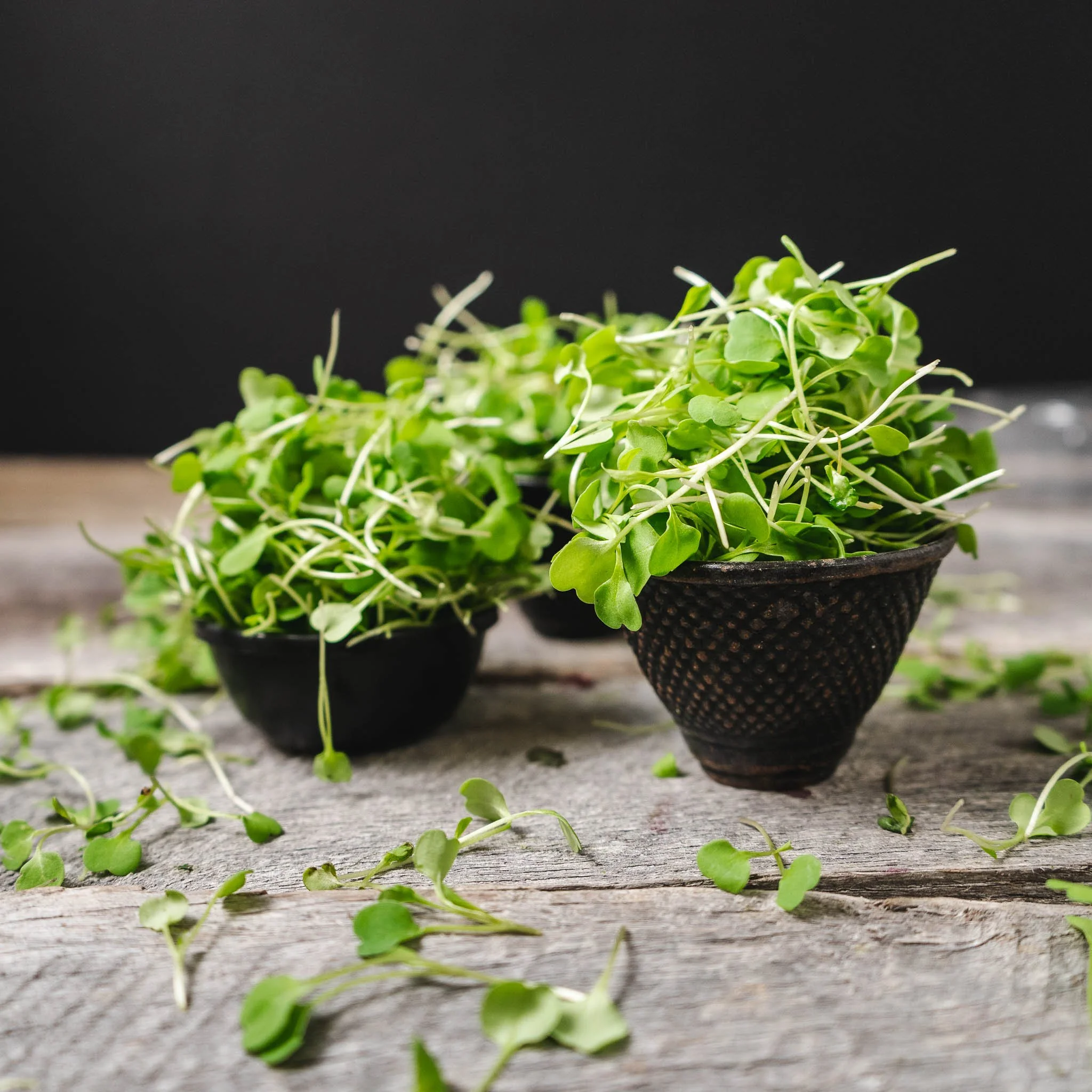
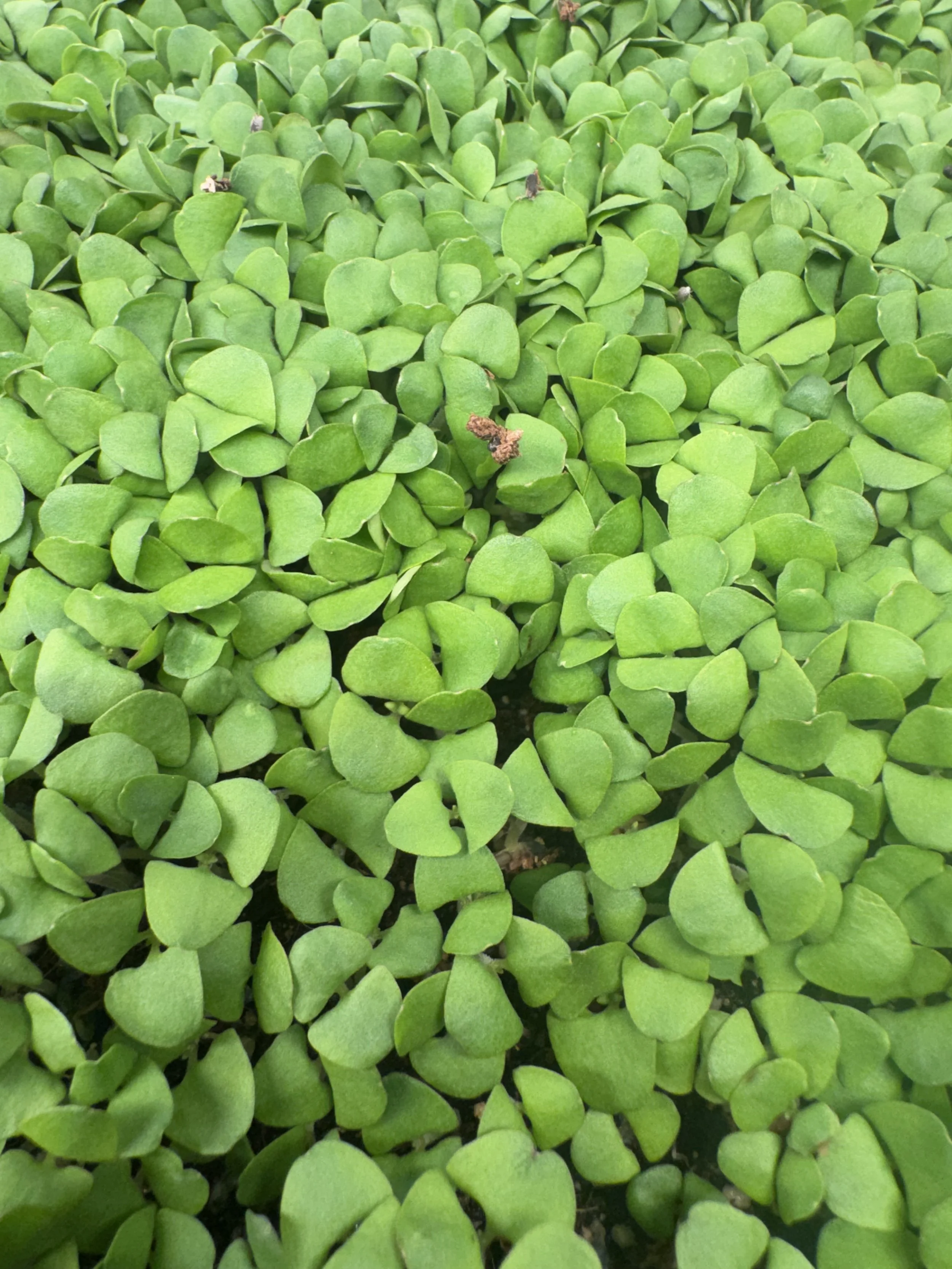
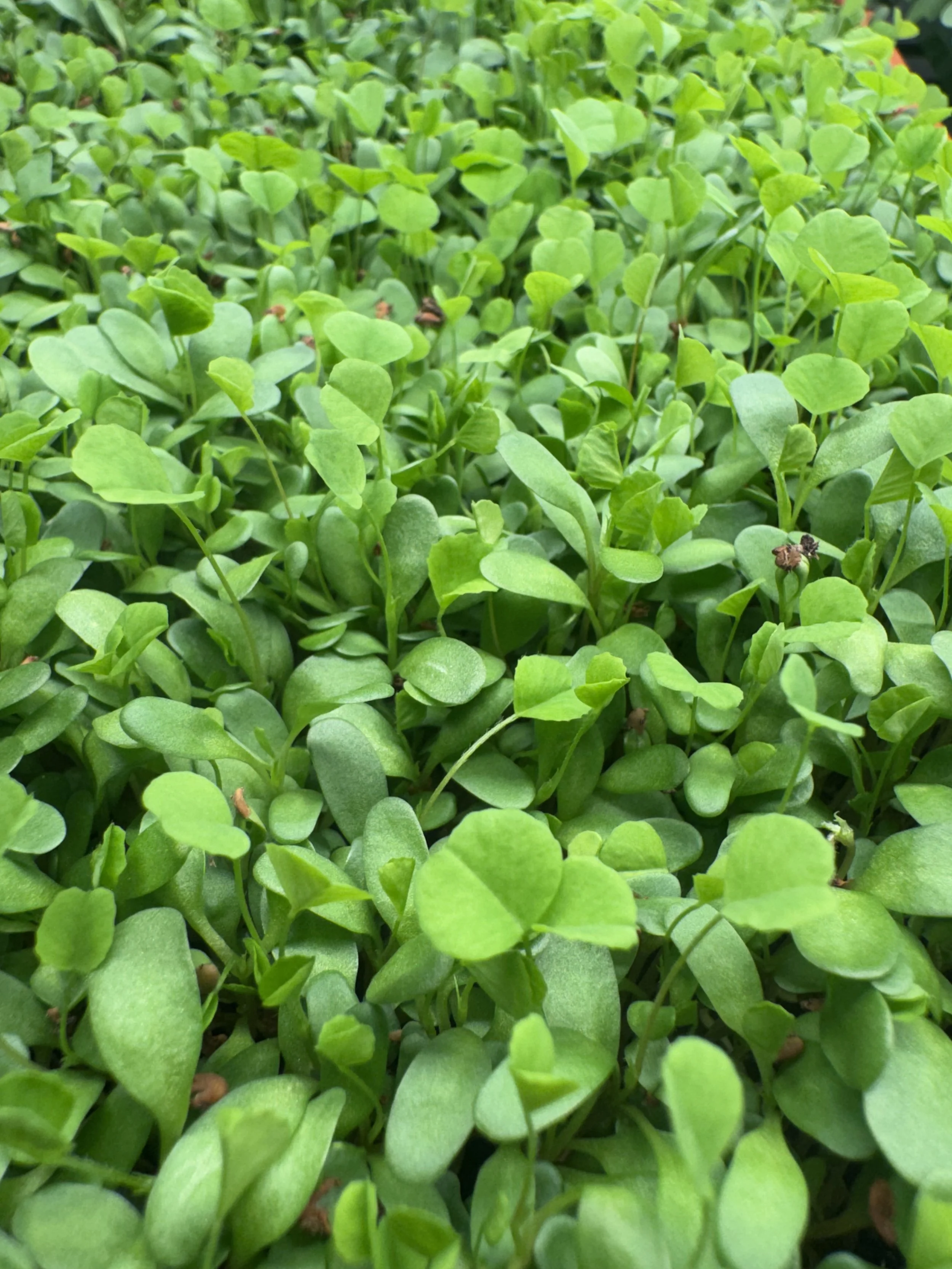
This item is grown to order and requires a 2 week lead time. We will grow a 10"x10" tray of these micros which we will cut and package for you when they are ready.
History:
Alfalfa's history as a food source dates back over 6,000 years to its domestication in Western Asia, and its sprouts have been used in traditional medicine for centuries. Spanish explorers brought the plant to the Americas in the 16th century, but alfalfa sprouts didn't become a popular culinary item in North America until the 1970s, spurred by the health-conscious hippie movement. It is now cultivated for its many nutritional benefits as a microgreen.
Flavor Profile:
Mild, fresh, and slightly nutty flavor with a hint of sweetness and a satisfying crunch. They are not spicy or bitter, making them a good choice for those who prefer gentler tastes, and they are often described as tasting like a delicate pea or green.
Suggested Uses:
Alfalfa microgreens are used as a nutritious and versatile ingredient in many dishes, including salads, sandwiches, wraps, and smoothies. They are also used as an elegant garnish for soups, platters, and dips, adding a fresh, nutty flavor and a boost of vitamins and minerals.
For Pets: *(always consult a vet before adding microgreens to your pet’s diet)
Bearded Dragons: Alfalfa microgreens are safe and highly nutritious for bearded dragons, often considered more nutrient-dense than mature vegetables. They can be part of a daily diet, offering important vitamins and minerals. However, it is generally recommended to feed the alfalfa greens rather than just the sprouts.
Cats: Alfalfa microgreens are safe and nutritious for cats to eat in moderation, acting as a healthy source of fiber and vitamins A and C. They can aid digestion, help manage hairballs, and are not toxic. They can be fed fresh, chopped into food, or grown as a safe alternative to house plants.
Dogs: Alfalfa microgreens are safe and nutritious for dogs in moderation. Packed with vitamins A, C, and K, they provide antioxidants that support a strong immune system and healthy digestion. They are considered a beneficial, nutrient-dense topper for regular food, providing essential fiber and chlorophyll.
Guinea Pigs: Alfalfa microgreens are safe for guinea pigs to consume, but only as a rare treat rather than a staple food. They are high in calcium, which can lead to bladder stones or kidney issues in adult guinea pigs, but they can be a nutritious, occasional addition in small amounts.
Rabbits: Alfalfa microgreens/sprouts are safe for rabbits to eat, but they should only be given in moderation, primarily as a treat or occasional topper, rather than a daily staple. Due to high calcium and protein content, they are better suited for young, pregnant, or nursing rabbits, as excessive consumption in adult rabbits can lead to kidney issues.
Nutritional information (per 100 grams): *not verified by FDA
A 100-gram serving of alfalfa microgreens contains:
Calories: 23 kcal
Protein: 4 g
Carbohydrates: 2.1 g
Dietary Fiber: 1.9 g
Fat: 0.7 g
Vitamins: *not verified by FDA
Alfalfa microgreens are an excellent source of several vitamins:
Vitamin K: 33 µg, about 27% of the Recommended Daily Intake (RDI), which is crucial for blood clotting and bone health.
Vitamin A: 180 µg, about 20% of the RDI, which is important for vision and immune function.
Vitamin C: 8.2 mg, about 14% of the RDI, known for its antioxidant and immune-boosting properties.
Folate (B9): 36 µg, about 9% of the RDI, essential for cell growth and metabolism.
Minerals: *not verified by FDA
These microgreens contain several essential minerals:
Potassium: 79 mg
Phosphorus: 70 mg
Magnesium: 27 mg
Calcium: 32 mg
Iron: 1.1 mg
Zinc: 0.5 mg
Phytochemicals and antioxidants: *not verified by FDA
Beyond basic vitamins and minerals, alfalfa microgreens also contain bioactive compounds with health benefits:
Antioxidants: High levels of antioxidants help combat free radicals and may reduce the risk of chronic diseases.
Saponins: These plant compounds are known to help lower cholesterol levels.
Phytoestrogens: These can help regulate hormones and may provide support for women's health.
Flavonoids: Alfalfa microgreens are a source of these compounds, which are known for their anti-inflammatory properties.
Potential Health Benefits: *not verified by FDA
Helps support bone health due to its rich content of calcium, vitamin K, and magnesium.
Helps promote heart health by helping to lower cholesterol.
Helps aid digestive health through its dietary fiber content.
Helps assist with blood sugar regulation.
Helps provide a low-calorie, nutrient-dense option for weight management.
Disclaimer: Nutritional information and listed Health Benefits have not been evaluated by the Food and Drug Administration. This product is not intended to diagnose, treat, cure, or prevent any disease. The information on this website is for educational purposes only and not intended as medical advice.
This item is grown to order and requires a 2 week lead time. We will grow a 10"x10" tray of these micros which we will cut and package for you when they are ready.
History:
Alfalfa's history as a food source dates back over 6,000 years to its domestication in Western Asia, and its sprouts have been used in traditional medicine for centuries. Spanish explorers brought the plant to the Americas in the 16th century, but alfalfa sprouts didn't become a popular culinary item in North America until the 1970s, spurred by the health-conscious hippie movement. It is now cultivated for its many nutritional benefits as a microgreen.
Flavor Profile:
Mild, fresh, and slightly nutty flavor with a hint of sweetness and a satisfying crunch. They are not spicy or bitter, making them a good choice for those who prefer gentler tastes, and they are often described as tasting like a delicate pea or green.
Suggested Uses:
Alfalfa microgreens are used as a nutritious and versatile ingredient in many dishes, including salads, sandwiches, wraps, and smoothies. They are also used as an elegant garnish for soups, platters, and dips, adding a fresh, nutty flavor and a boost of vitamins and minerals.
For Pets: *(always consult a vet before adding microgreens to your pet’s diet)
Bearded Dragons: Alfalfa microgreens are safe and highly nutritious for bearded dragons, often considered more nutrient-dense than mature vegetables. They can be part of a daily diet, offering important vitamins and minerals. However, it is generally recommended to feed the alfalfa greens rather than just the sprouts.
Cats: Alfalfa microgreens are safe and nutritious for cats to eat in moderation, acting as a healthy source of fiber and vitamins A and C. They can aid digestion, help manage hairballs, and are not toxic. They can be fed fresh, chopped into food, or grown as a safe alternative to house plants.
Dogs: Alfalfa microgreens are safe and nutritious for dogs in moderation. Packed with vitamins A, C, and K, they provide antioxidants that support a strong immune system and healthy digestion. They are considered a beneficial, nutrient-dense topper for regular food, providing essential fiber and chlorophyll.
Guinea Pigs: Alfalfa microgreens are safe for guinea pigs to consume, but only as a rare treat rather than a staple food. They are high in calcium, which can lead to bladder stones or kidney issues in adult guinea pigs, but they can be a nutritious, occasional addition in small amounts.
Rabbits: Alfalfa microgreens/sprouts are safe for rabbits to eat, but they should only be given in moderation, primarily as a treat or occasional topper, rather than a daily staple. Due to high calcium and protein content, they are better suited for young, pregnant, or nursing rabbits, as excessive consumption in adult rabbits can lead to kidney issues.
Nutritional information (per 100 grams): *not verified by FDA
A 100-gram serving of alfalfa microgreens contains:
Calories: 23 kcal
Protein: 4 g
Carbohydrates: 2.1 g
Dietary Fiber: 1.9 g
Fat: 0.7 g
Vitamins: *not verified by FDA
Alfalfa microgreens are an excellent source of several vitamins:
Vitamin K: 33 µg, about 27% of the Recommended Daily Intake (RDI), which is crucial for blood clotting and bone health.
Vitamin A: 180 µg, about 20% of the RDI, which is important for vision and immune function.
Vitamin C: 8.2 mg, about 14% of the RDI, known for its antioxidant and immune-boosting properties.
Folate (B9): 36 µg, about 9% of the RDI, essential for cell growth and metabolism.
Minerals: *not verified by FDA
These microgreens contain several essential minerals:
Potassium: 79 mg
Phosphorus: 70 mg
Magnesium: 27 mg
Calcium: 32 mg
Iron: 1.1 mg
Zinc: 0.5 mg
Phytochemicals and antioxidants: *not verified by FDA
Beyond basic vitamins and minerals, alfalfa microgreens also contain bioactive compounds with health benefits:
Antioxidants: High levels of antioxidants help combat free radicals and may reduce the risk of chronic diseases.
Saponins: These plant compounds are known to help lower cholesterol levels.
Phytoestrogens: These can help regulate hormones and may provide support for women's health.
Flavonoids: Alfalfa microgreens are a source of these compounds, which are known for their anti-inflammatory properties.
Potential Health Benefits: *not verified by FDA
Helps support bone health due to its rich content of calcium, vitamin K, and magnesium.
Helps promote heart health by helping to lower cholesterol.
Helps aid digestive health through its dietary fiber content.
Helps assist with blood sugar regulation.
Helps provide a low-calorie, nutrient-dense option for weight management.