 Image 1 of 2
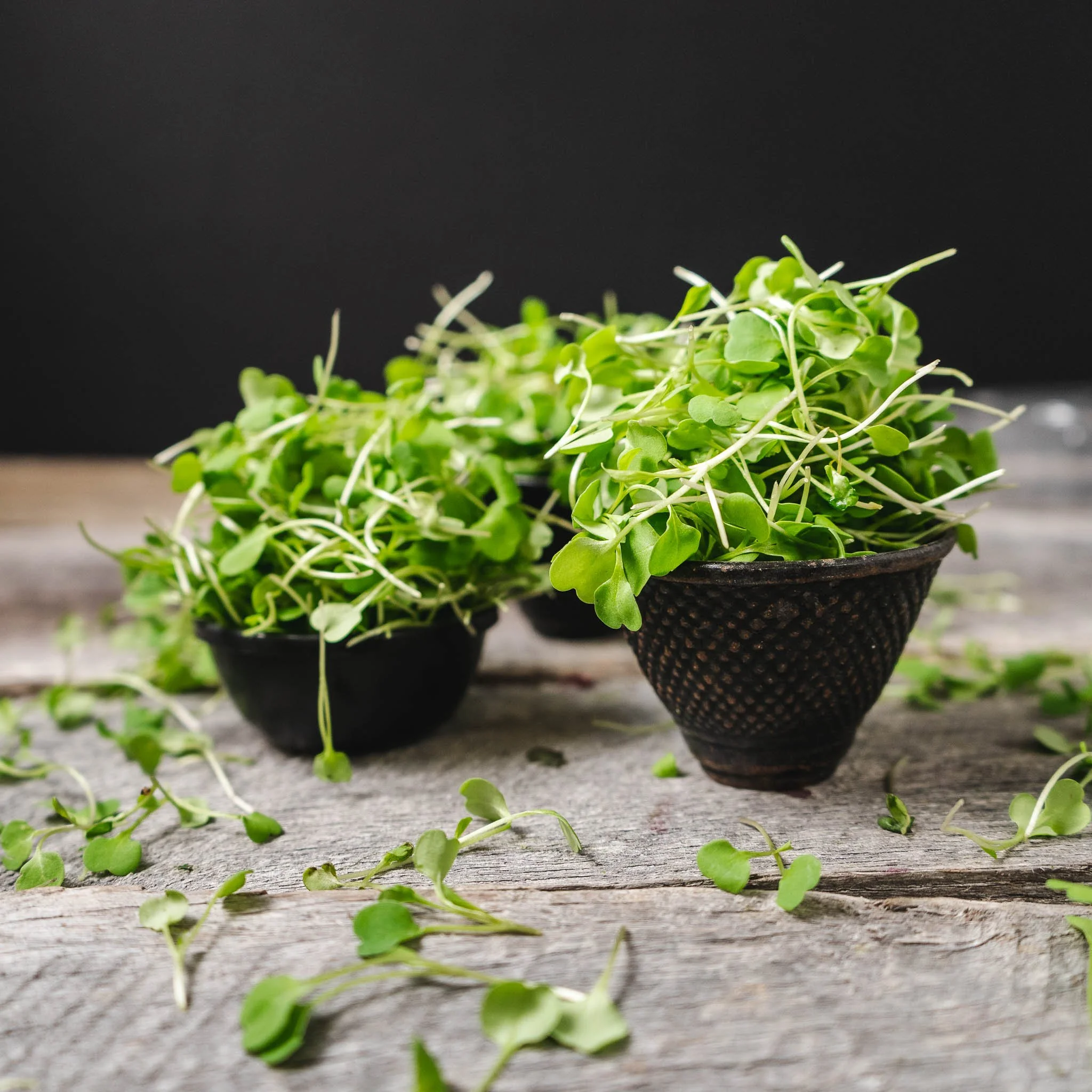 Image 2 of 2
Disclaimer: Nutritional information and listed Health Benefits have not been evaluated by the Food and Drug Administration. This product is not intended to diagnose, treat, cure, or prevent any disease. The information on this website is for educational purposes only and not intended as medical advice.
History:
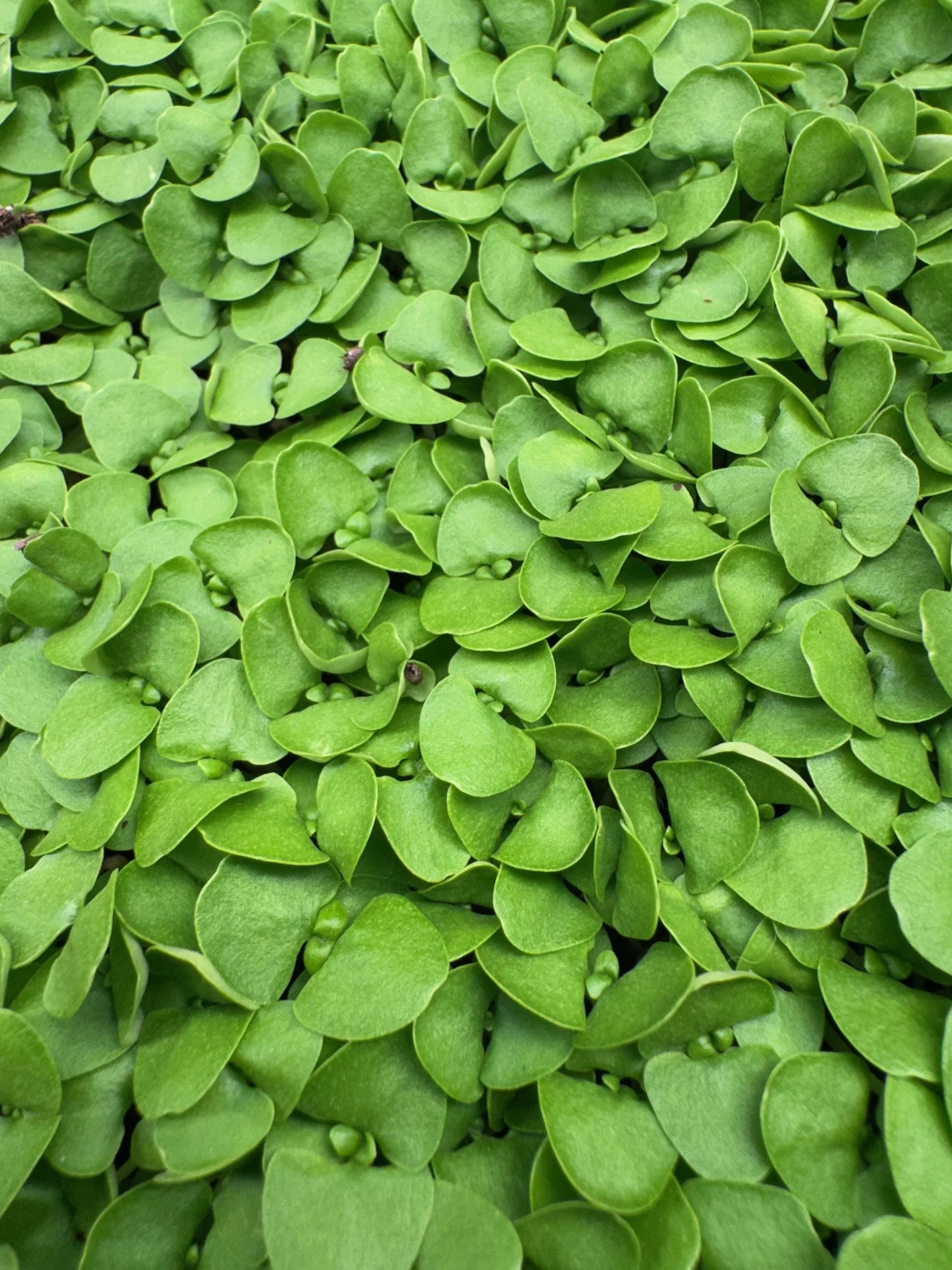
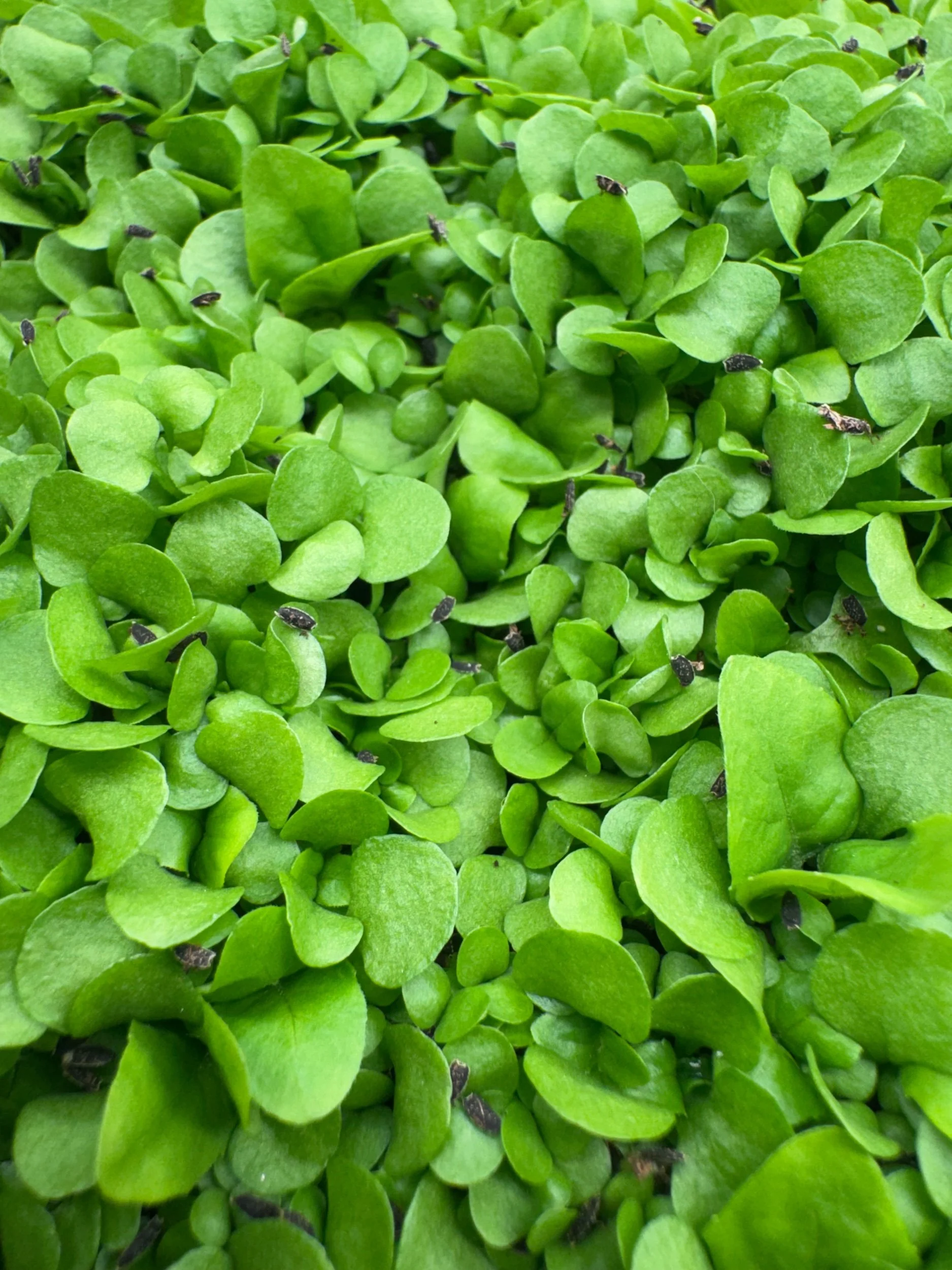
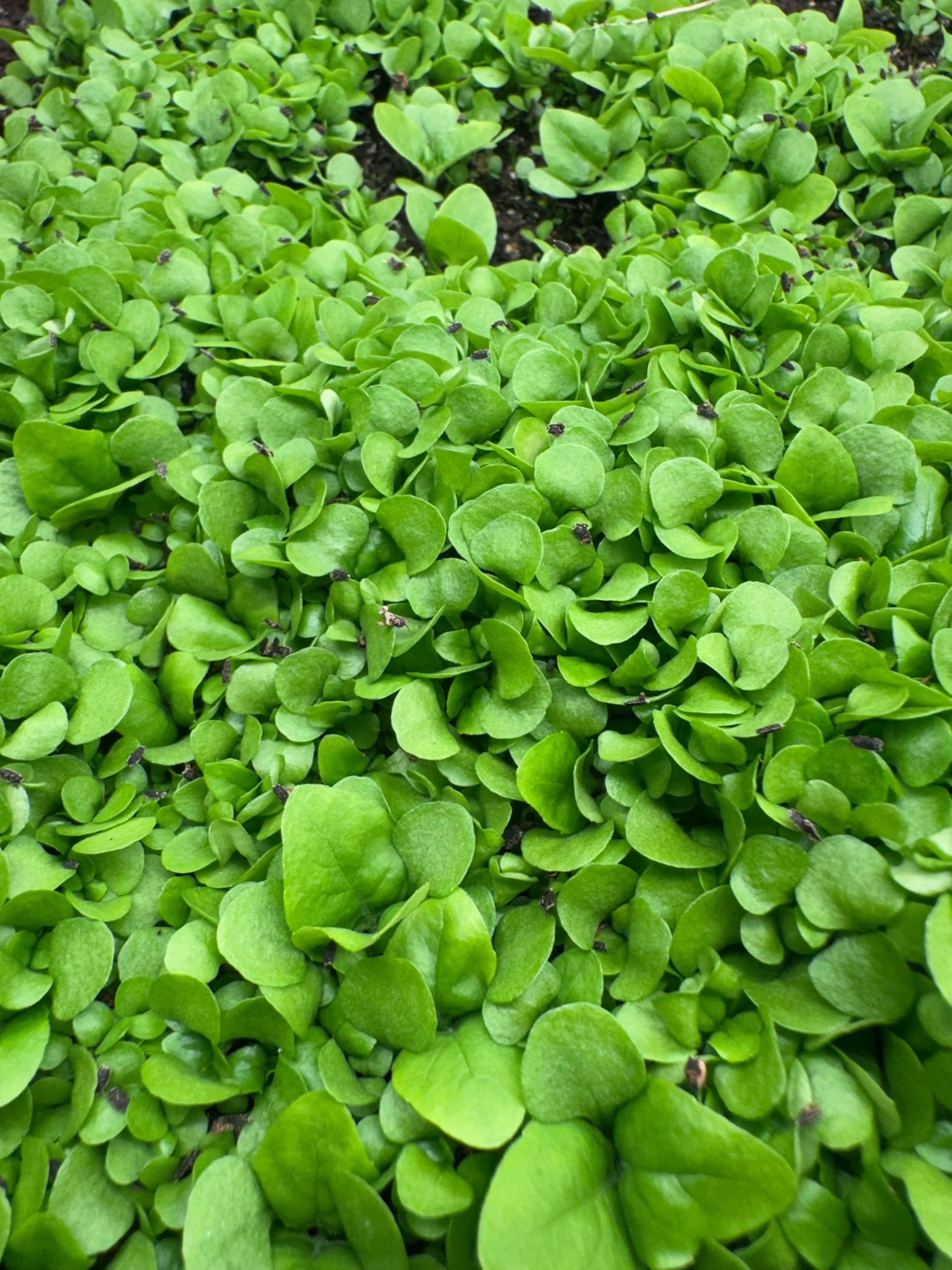
Arugula microgreens are the young seedlings of the arugula plant, known for their intense, peppery flavor and a concentrated nutritional profile. They have over a 4000 year history and were used as an ingredient in aphrodisiac concoctions in the first century, AD in ancient Rome (Cambridge World History of Food).
Arugula microgreens contain almost eight times the calcium, five times the vitamin A, vitamin C, and vitamin K, and four times the iron as iceberg lettuce.. Key benefits include a rich concentration of vitamins C, E, and beta-carotene, as well as compounds that may have anti-cancer properties. The micro version of arugula has up to 40x the nutritional value of its full-grown compliment!
Flavor Profile:
Peppery, Somewhat Nutty Flavor
Suggested Uses:
A main ingredient in many dishes, adding a "bold kick" to salads, sandwiches, wraps, pasta, and pizzas.
For Pets: *(always consult your vet before adding microgreens to your pet’s diet)
Bearded Dragons: Arugula Microgreens are nutrient-dense and often enjoyed, but should be rotated with other greens (like collard or mustard greens) rather than used as a daily staple, due to the presence of goitrogens which can affect thyroid function in high amounts.
Cats: Arugula microgreens are generally safe for cats in small, infrequent amounts. They are non-toxic and provide vitamins A, C, and K, but should only be given as an occasional treat (1-2 small leaves, 2-3 times a week) because excessive intake can cause stomach upset or potential kidney issues.
Dogs: Arugula microgreens are safe and nutritious for dogs in moderation. Packed with vitamins, minerals, and antioxidants, they can support bone health and vitality. Introduce them slowly, ensure they are washed, and feed in small, occasional amounts (e.g., a teaspoon mixed into food) to avoid digestive upset.
Guinea Pigs: Arugula microgreens are generally safe for guinea pigs in moderation. They are high in nutrients like Vitamins A, C, and K, but also contain high calcium levels, which can lead to bladder stones if fed too frequently. They should be offered as an occasional treat, perhaps once a week, rather than a daily staple.
Rabbits: Arugula microgreens are safe for rabbits in moderation, offering a nutritious, peppery treat rich in vitamins A, C, and K. As a nutrient-dense green, they should be introduced slowly and served as part of a varied diet, rather than a staple food, to avoid potential digestive upset.
Nutrition: *not verified by FDA
Rich in nutrients: Arugula microgreens are packed with vitamins and minerals, including vitamin C, vitamin K, folate, calcium, and potassium.
Calcium: Calcium helps your blood to clot. It’s also necessary for bone health, tooth health, muscle function, and nerve function.
Potassium: This mineral and electrolyte affects heart and nerve function and helps your muscles contract. Potassium helps to reduce the negative effects of sodium, and so may be beneficial for people with high blood pressure.
Folate: This B vitamin helps support the production of DNA and other genetic material. It’s particularly important for people who are pregnant or planning to become pregnant. Folate deficiency in pregnant people may lead to spina bifida, a neural tube defect.
Vitamin C: Vitamin C is a powerful antioxidant that helps support the immune system. Also known as ascorbic acid, vitamin C is important for tissue health and the absorption of iron from food.
Vitamin K: Vitamin K helps with blood clotting. If you require a prescription blood thinner, such as warfarin (Coumadin), discuss your vitamin K intake with your doctor before changing your eating habits.
Vitamin A: This is the umbrella term for a group of fat-soluble retinoids. Vitamin A is a powerful antioxidant that supports immune function, cell growth, and overall eye health. It also works to help maintain lung, and heart function.
Antioxidants: Rich in antioxidants, including carotenoids and polyphenols.
Other: Also contain protein, fiber, and various other micronutrients like folate and zinc.
Potential Health Benefits: *not verified by FDA
Helps lower inflammation: Arugula microgreens contain compounds that may help lower inflammation in the body, which is linked to a range of chronic diseases.
Contains anti-cancer properties: Arugula microgreens contain compounds that may have anti-cancer properties. Studies have found that arugula may help inhibit the growth of cancer cells in the body.
Supports digestive health: Arugula microgreens contain fiber, which is important for digestive health. They may also help promote the growth of beneficial gut bacteria.
Helps strengthen bone health: Arugula microgreens provide calcium without the high oxalate levels found in spinach, which can block calcium absorption. They also contain vitamin K, which is important for bone density and may help reduce the risk of osteoporosis.
Loaded with antioxidants: Arugula microgreens are rich in antioxidants, which can help protect the body from damage caused by free radicals.
Immune support: Regular consumption may help boost the immune system.
Helps support heart health: Arugula microgreens may help support heart health by reducing cholesterol levels, improving blood pressure, and reducing inflammation.
Vision and eye health: They may improve vision and eye health.
Disclaimer: Nutritional information and listed Health Benefits have not been evaluated by the Food and Drug Administration. This product is not intended to diagnose, treat, cure, or prevent any disease. The information on this website is for educational purposes only and not intended as medical advice.
History:
Arugula microgreens are the young seedlings of the arugula plant, known for their intense, peppery flavor and a concentrated nutritional profile. They have over a 4000 year history and were used as an ingredient in aphrodisiac concoctions in the first century, AD in ancient Rome (Cambridge World History of Food).
Arugula microgreens contain almost eight times the calcium, five times the vitamin A, vitamin C, and vitamin K, and four times the iron as iceberg lettuce.. Key benefits include a rich concentration of vitamins C, E, and beta-carotene, as well as compounds that may have anti-cancer properties. The micro version of arugula has up to 40x the nutritional value of its full-grown compliment!
Flavor Profile:
Peppery, Somewhat Nutty Flavor
Suggested Uses:
A main ingredient in many dishes, adding a "bold kick" to salads, sandwiches, wraps, pasta, and pizzas.
For Pets: *(always consult your vet before adding microgreens to your pet’s diet)
Bearded Dragons: Arugula Microgreens are nutrient-dense and often enjoyed, but should be rotated with other greens (like collard or mustard greens) rather than used as a daily staple, due to the presence of goitrogens which can affect thyroid function in high amounts.
Cats: Arugula microgreens are generally safe for cats in small, infrequent amounts. They are non-toxic and provide vitamins A, C, and K, but should only be given as an occasional treat (1-2 small leaves, 2-3 times a week) because excessive intake can cause stomach upset or potential kidney issues.
Dogs: Arugula microgreens are safe and nutritious for dogs in moderation. Packed with vitamins, minerals, and antioxidants, they can support bone health and vitality. Introduce them slowly, ensure they are washed, and feed in small, occasional amounts (e.g., a teaspoon mixed into food) to avoid digestive upset.
Guinea Pigs: Arugula microgreens are generally safe for guinea pigs in moderation. They are high in nutrients like Vitamins A, C, and K, but also contain high calcium levels, which can lead to bladder stones if fed too frequently. They should be offered as an occasional treat, perhaps once a week, rather than a daily staple.
Rabbits: Arugula microgreens are safe for rabbits in moderation, offering a nutritious, peppery treat rich in vitamins A, C, and K. As a nutrient-dense green, they should be introduced slowly and served as part of a varied diet, rather than a staple food, to avoid potential digestive upset.
Nutrition: *not verified by FDA
Rich in nutrients: Arugula microgreens are packed with vitamins and minerals, including vitamin C, vitamin K, folate, calcium, and potassium.
Calcium: Calcium helps your blood to clot. It’s also necessary for bone health, tooth health, muscle function, and nerve function.
Potassium: This mineral and electrolyte affects heart and nerve function and helps your muscles contract. Potassium helps to reduce the negative effects of sodium, and so may be beneficial for people with high blood pressure.
Folate: This B vitamin helps support the production of DNA and other genetic material. It’s particularly important for people who are pregnant or planning to become pregnant. Folate deficiency in pregnant people may lead to spina bifida, a neural tube defect.
Vitamin C: Vitamin C is a powerful antioxidant that helps support the immune system. Also known as ascorbic acid, vitamin C is important for tissue health and the absorption of iron from food.
Vitamin K: Vitamin K helps with blood clotting. If you require a prescription blood thinner, such as warfarin (Coumadin), discuss your vitamin K intake with your doctor before changing your eating habits.
Vitamin A: This is the umbrella term for a group of fat-soluble retinoids. Vitamin A is a powerful antioxidant that supports immune function, cell growth, and overall eye health. It also works to help maintain lung, and heart function.
Antioxidants: Rich in antioxidants, including carotenoids and polyphenols.
Other: Also contain protein, fiber, and various other micronutrients like folate and zinc.
Potential Health Benefits: *not verified by FDA
Helps lower inflammation: Arugula microgreens contain compounds that may help lower inflammation in the body, which is linked to a range of chronic diseases.
Contains anti-cancer properties: Arugula microgreens contain compounds that may have anti-cancer properties. Studies have found that arugula may help inhibit the growth of cancer cells in the body.
Supports digestive health: Arugula microgreens contain fiber, which is important for digestive health. They may also help promote the growth of beneficial gut bacteria.
Helps strengthen bone health: Arugula microgreens provide calcium without the high oxalate levels found in spinach, which can block calcium absorption. They also contain vitamin K, which is important for bone density and may help reduce the risk of osteoporosis.
Loaded with antioxidants: Arugula microgreens are rich in antioxidants, which can help protect the body from damage caused by free radicals.
Immune support: Regular consumption may help boost the immune system.
Helps support heart health: Arugula microgreens may help support heart health by reducing cholesterol levels, improving blood pressure, and reducing inflammation.
Vision and eye health: They may improve vision and eye health.