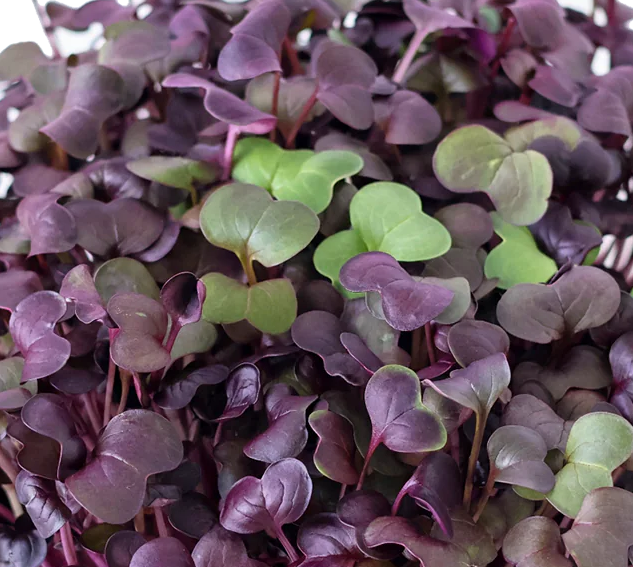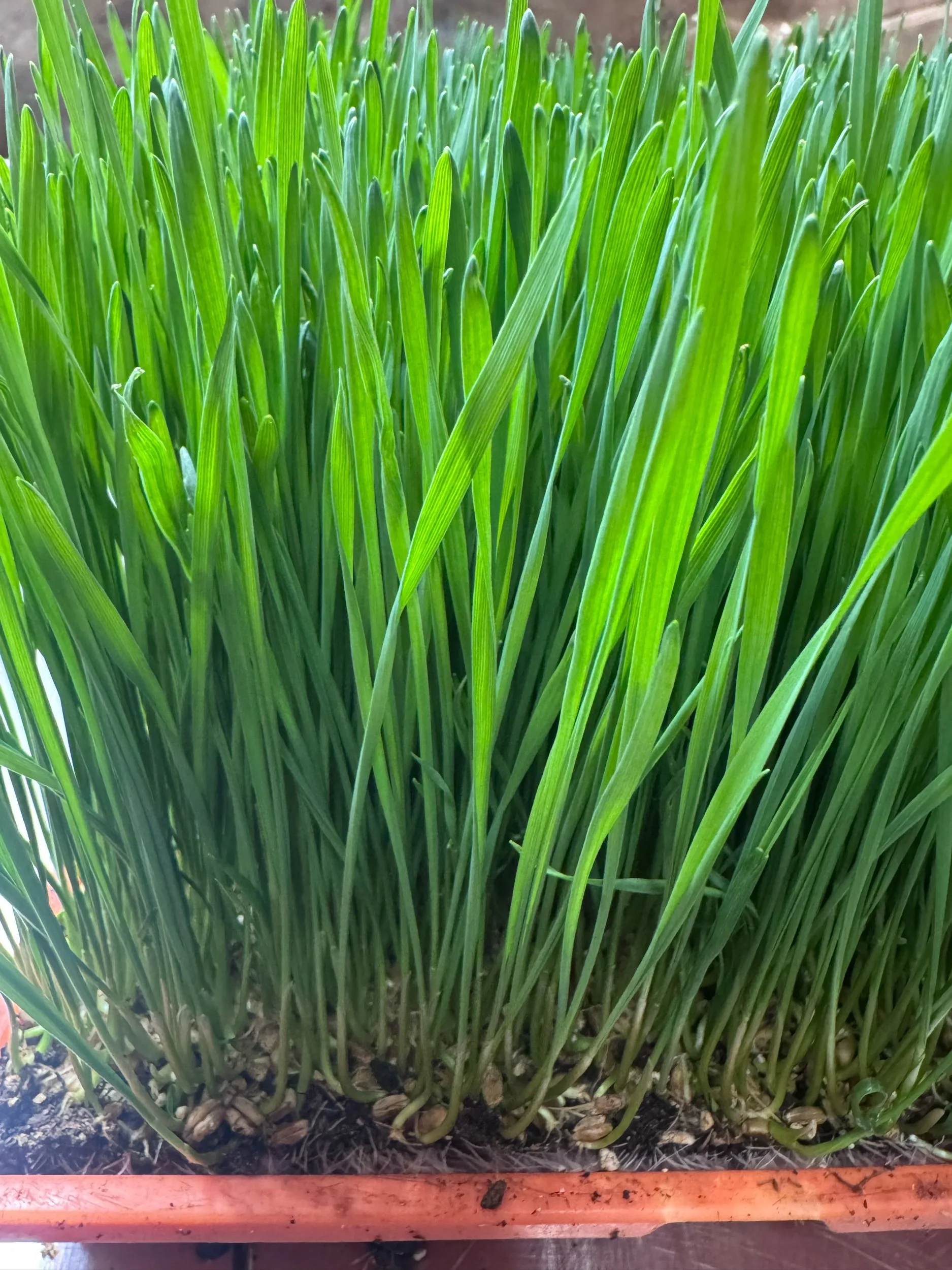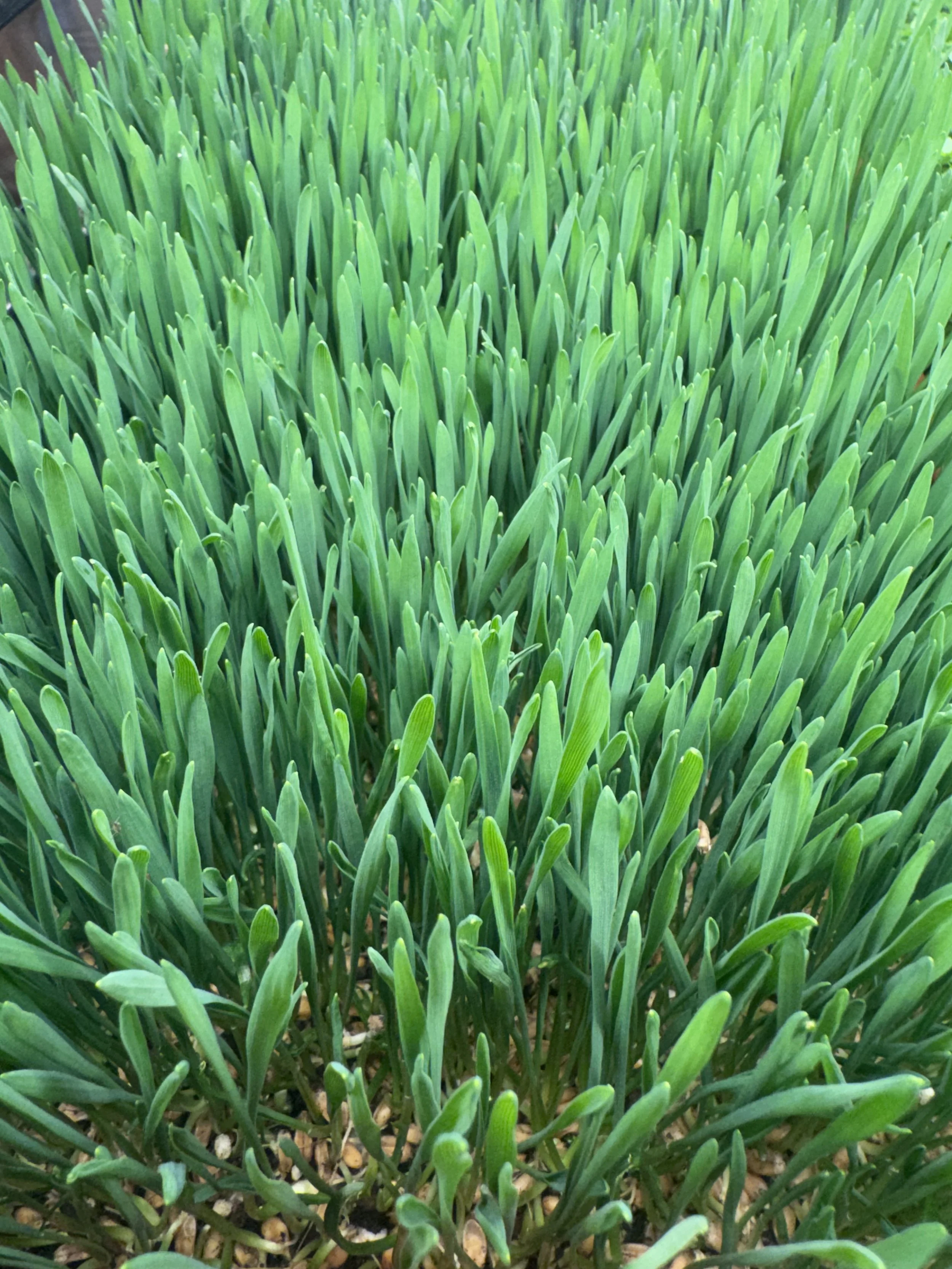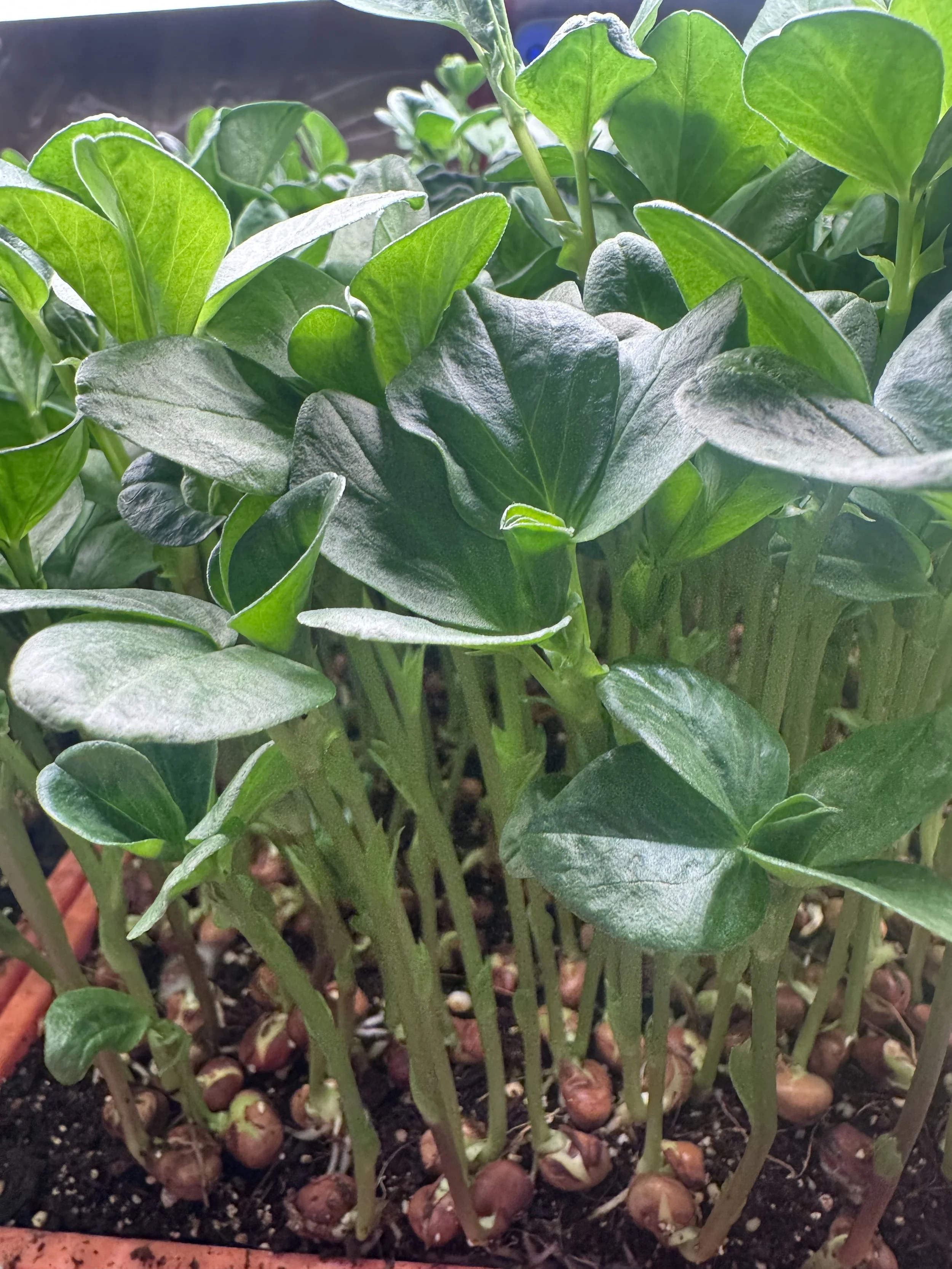
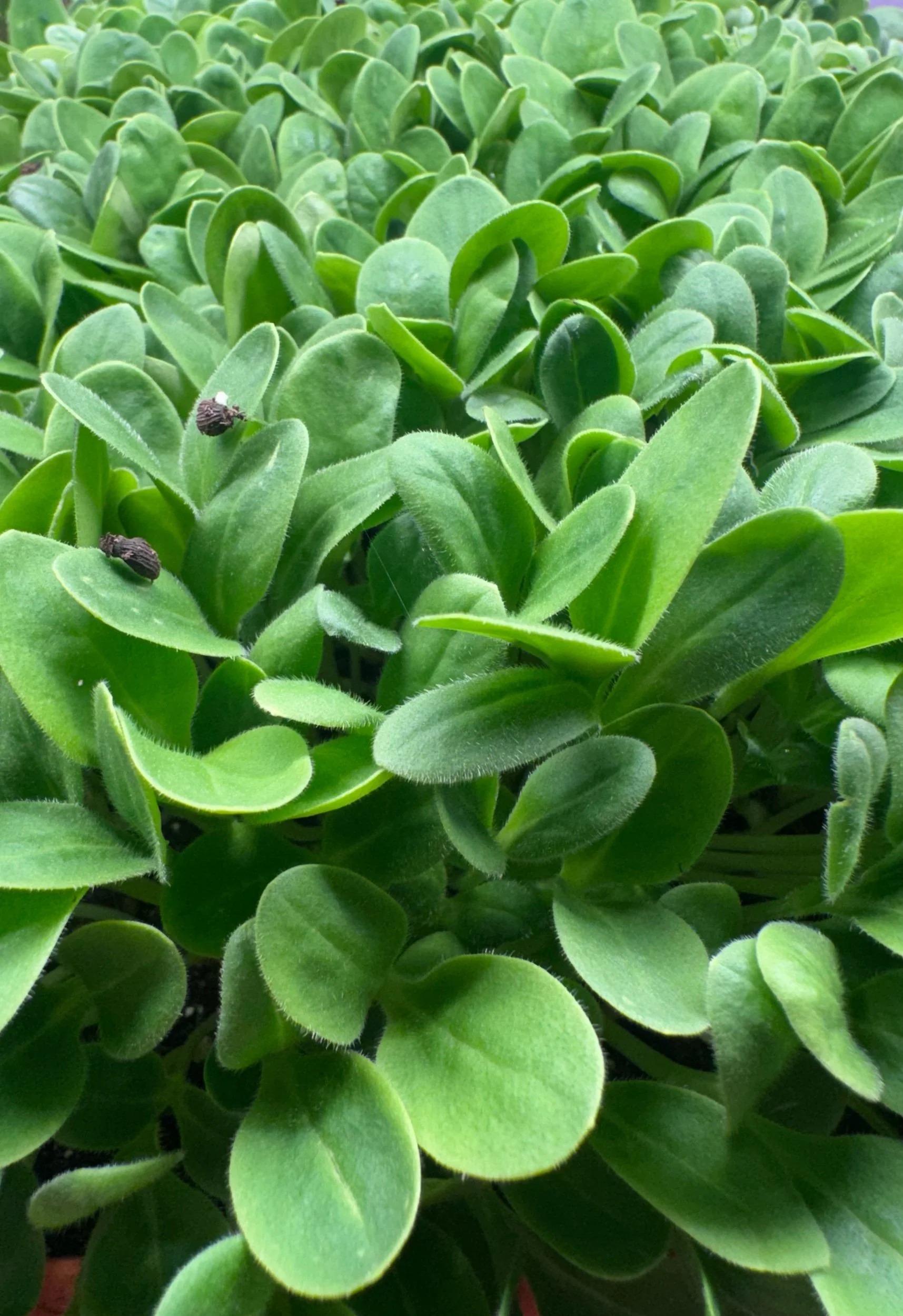
 Image 1 of 2
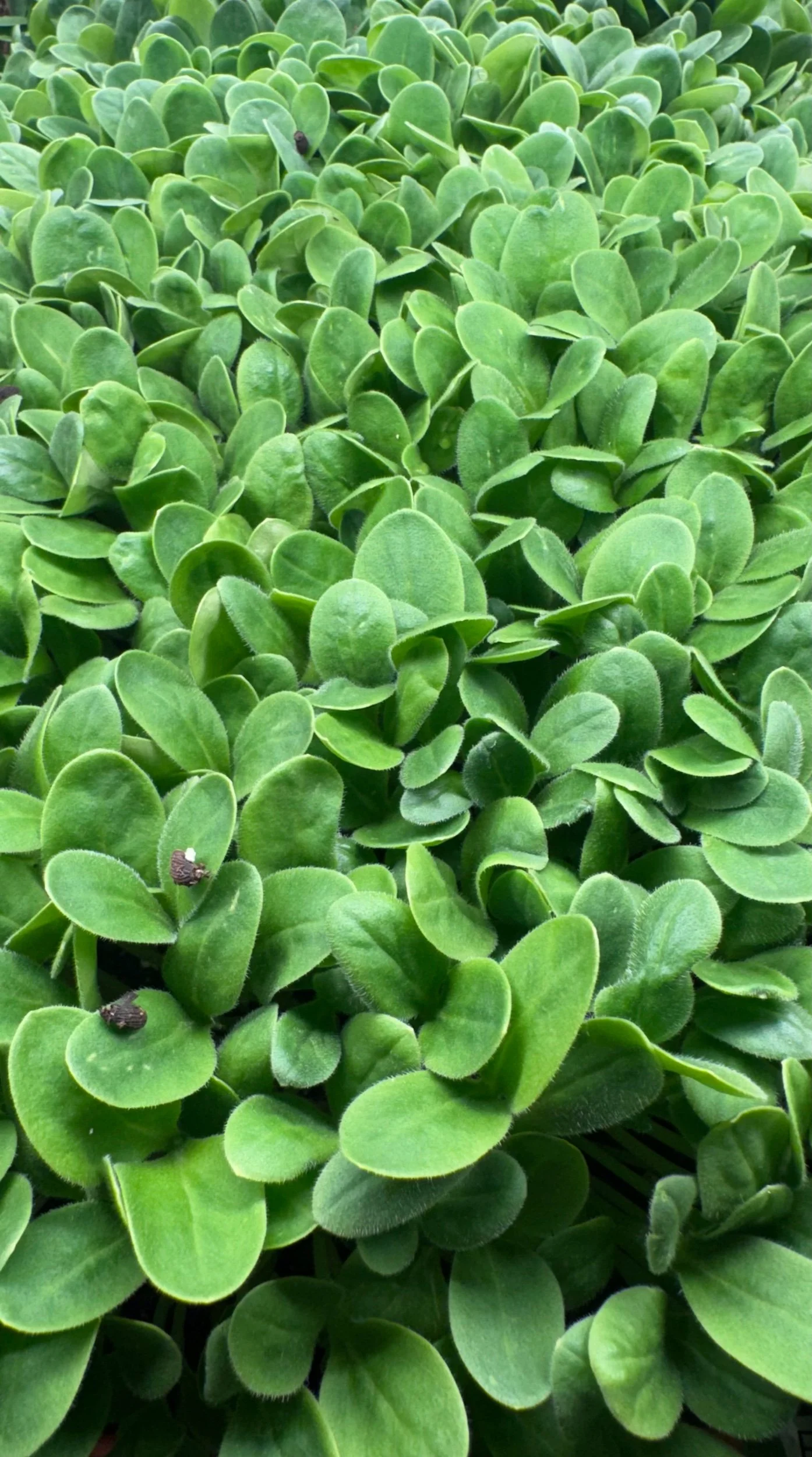 Image 2 of 2
Disclaimer: Nutritional information and listed Health Benefits have not been evaluated by the Food and Drug Administration. This product is not intended to diagnose, treat, cure, or prevent any disease. The information on this website is for educational purposes only and not intended as medical advice.
History:
Borage, native to the eastern Mediterranean, has a history dating back to ancient Rome, where it was believed to grant courage, and was used in traditional medicine to treat various ailments like fever and depression. The plant was introduced and cultivated across Europe during the Middle Ages and became especially popular in the British Isles during the Victorian era. Borage made its way to the Americas in the 17th century, where it was incorporated into home gardens.
Flavor Profile:
Refreshing, cucumber-like flavor with hints of sweetness and sometimes melon.
Suggested Uses:
Common uses include garnishing salads, soups, and sandwiches, adding them to smoothies and wraps, and using them in cocktails or infused water. They can also be stirred into sauces or pasta dishes.
Medicinally, traditional borage leaves were used to treat fevers, coughs, and respiratory issues.
Nutrition:*not verified by FDA
Borage microgreens are rich in vitamins A, C, and K, as well as B vitamins like folate. They also provide essential minerals such as calcium, iron, potassium, and magnesium, and beneficial compounds like antioxidants and omega-3 and omega-6 fatty acids. These nutrients support immune function, vision, and bone health, while the fatty acids have anti-inflammatory properties.
Vitamins: Rich in vitamins A, C, and K, as well as B vitamins like folic acid and riboflavin.
Minerals: A good source of calcium, potassium, magnesium, and iron.
Antioxidants: Contain antioxidants that help combat oxidative stress.
Fatty acids: Provide omega-6 fatty acids, including gamma-linolenic acid (GLA), which has anti-inflammatory effects.
Potential Health Benefits:*not verified by FDA
Immune support: Vitamin C supports immune system function.
Wound healing: Vitamin K plays a role in blood clotting and wound healing.
Cellular health: B vitamins, like folic acid, are essential for DNA development.
Anti-inflammatory: GLA has been shown to have anti-inflammatory properties.
Disclaimer: Nutritional information and listed Health Benefits have not been evaluated by the Food and Drug Administration. This product is not intended to diagnose, treat, cure, or prevent any disease. The information on this website is for educational purposes only and not intended as medical advice.
History:
Borage, native to the eastern Mediterranean, has a history dating back to ancient Rome, where it was believed to grant courage, and was used in traditional medicine to treat various ailments like fever and depression. The plant was introduced and cultivated across Europe during the Middle Ages and became especially popular in the British Isles during the Victorian era. Borage made its way to the Americas in the 17th century, where it was incorporated into home gardens.
Flavor Profile:
Refreshing, cucumber-like flavor with hints of sweetness and sometimes melon.
Suggested Uses:
Common uses include garnishing salads, soups, and sandwiches, adding them to smoothies and wraps, and using them in cocktails or infused water. They can also be stirred into sauces or pasta dishes.
Medicinally, traditional borage leaves were used to treat fevers, coughs, and respiratory issues.
Nutrition:*not verified by FDA
Borage microgreens are rich in vitamins A, C, and K, as well as B vitamins like folate. They also provide essential minerals such as calcium, iron, potassium, and magnesium, and beneficial compounds like antioxidants and omega-3 and omega-6 fatty acids. These nutrients support immune function, vision, and bone health, while the fatty acids have anti-inflammatory properties.
Vitamins: Rich in vitamins A, C, and K, as well as B vitamins like folic acid and riboflavin.
Minerals: A good source of calcium, potassium, magnesium, and iron.
Antioxidants: Contain antioxidants that help combat oxidative stress.
Fatty acids: Provide omega-6 fatty acids, including gamma-linolenic acid (GLA), which has anti-inflammatory effects.
Potential Health Benefits:*not verified by FDA
Immune support: Vitamin C supports immune system function.
Wound healing: Vitamin K plays a role in blood clotting and wound healing.
Cellular health: B vitamins, like folic acid, are essential for DNA development.
Anti-inflammatory: GLA has been shown to have anti-inflammatory properties.