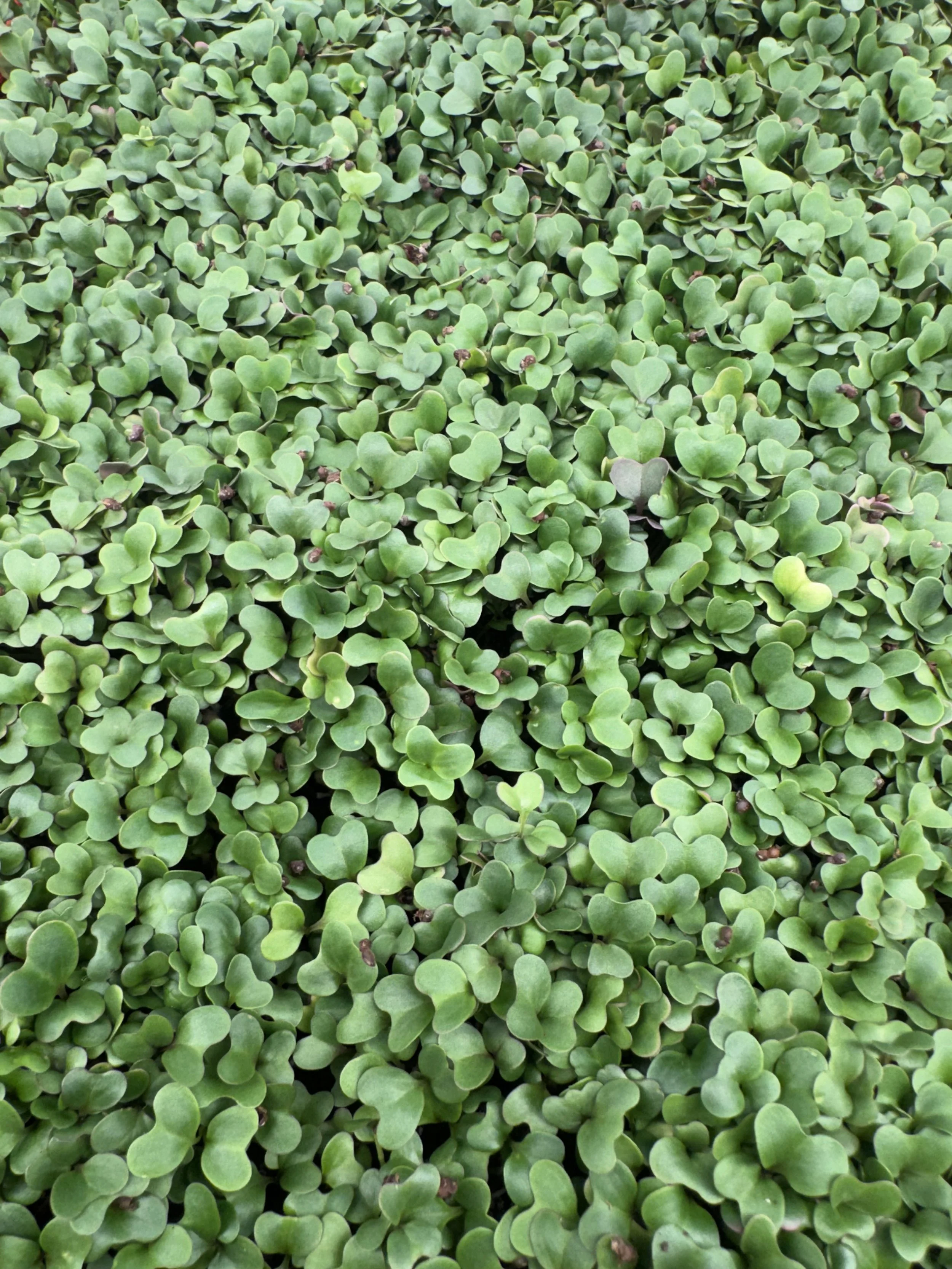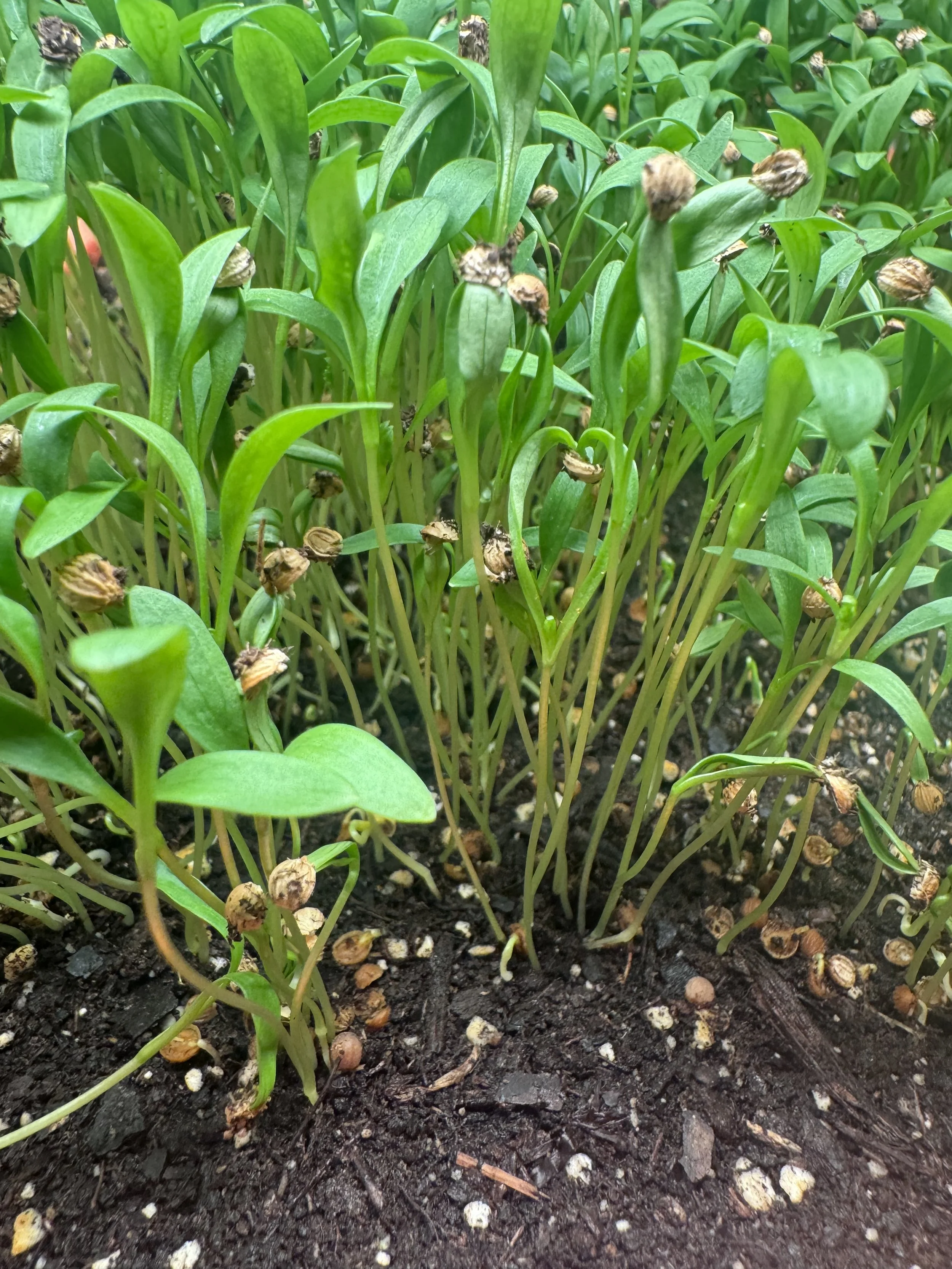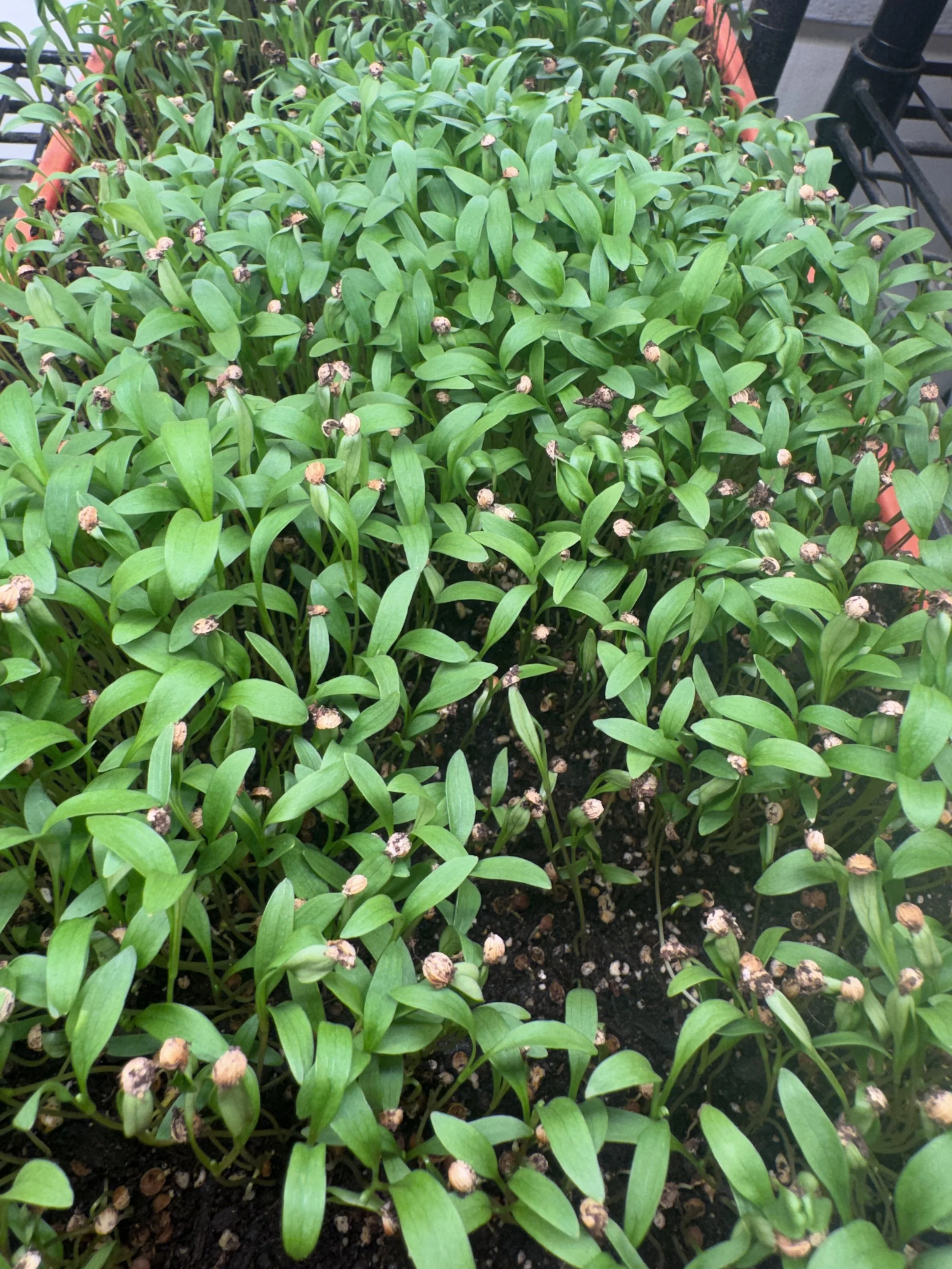
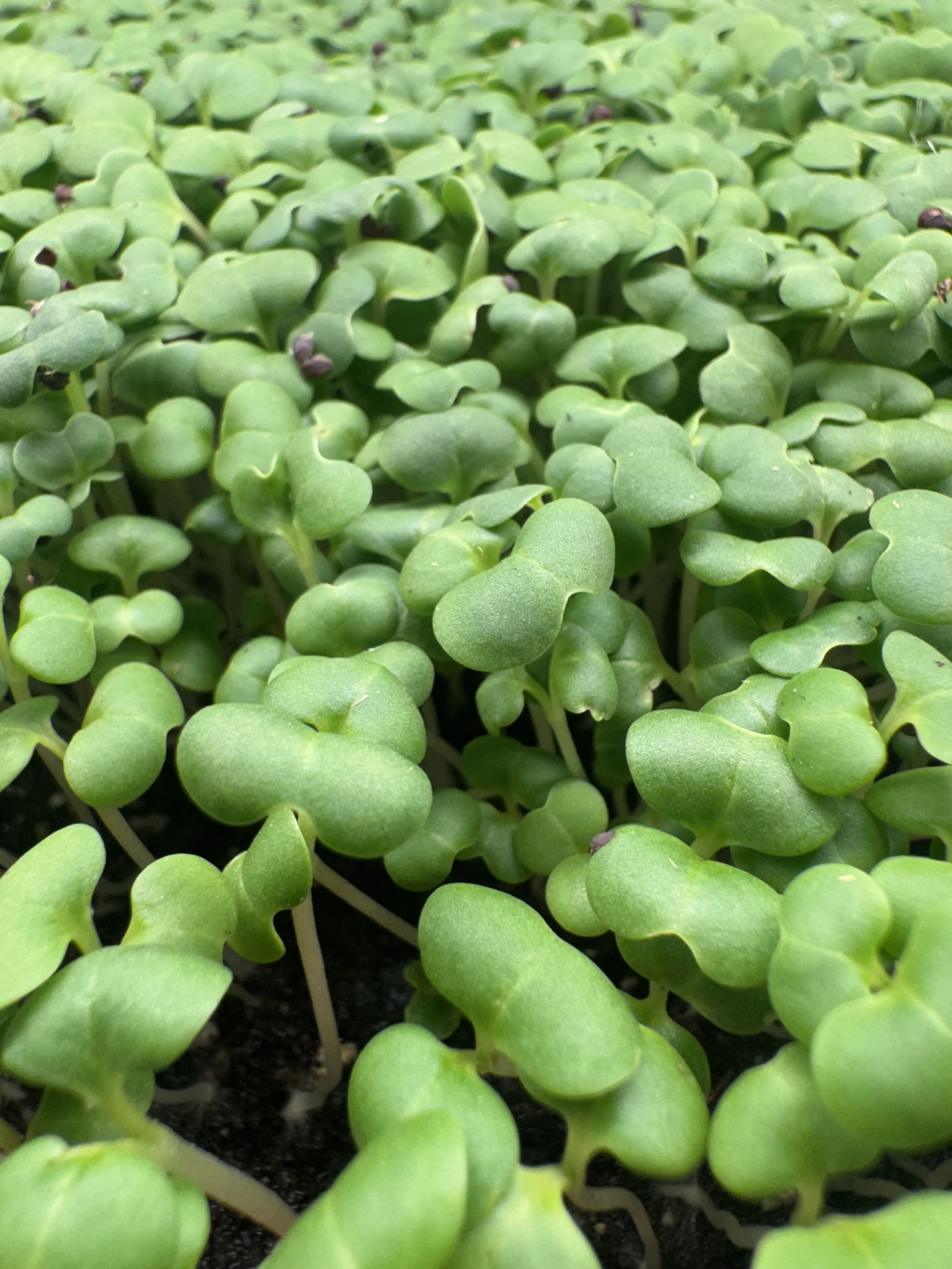
 Image 1 of 2
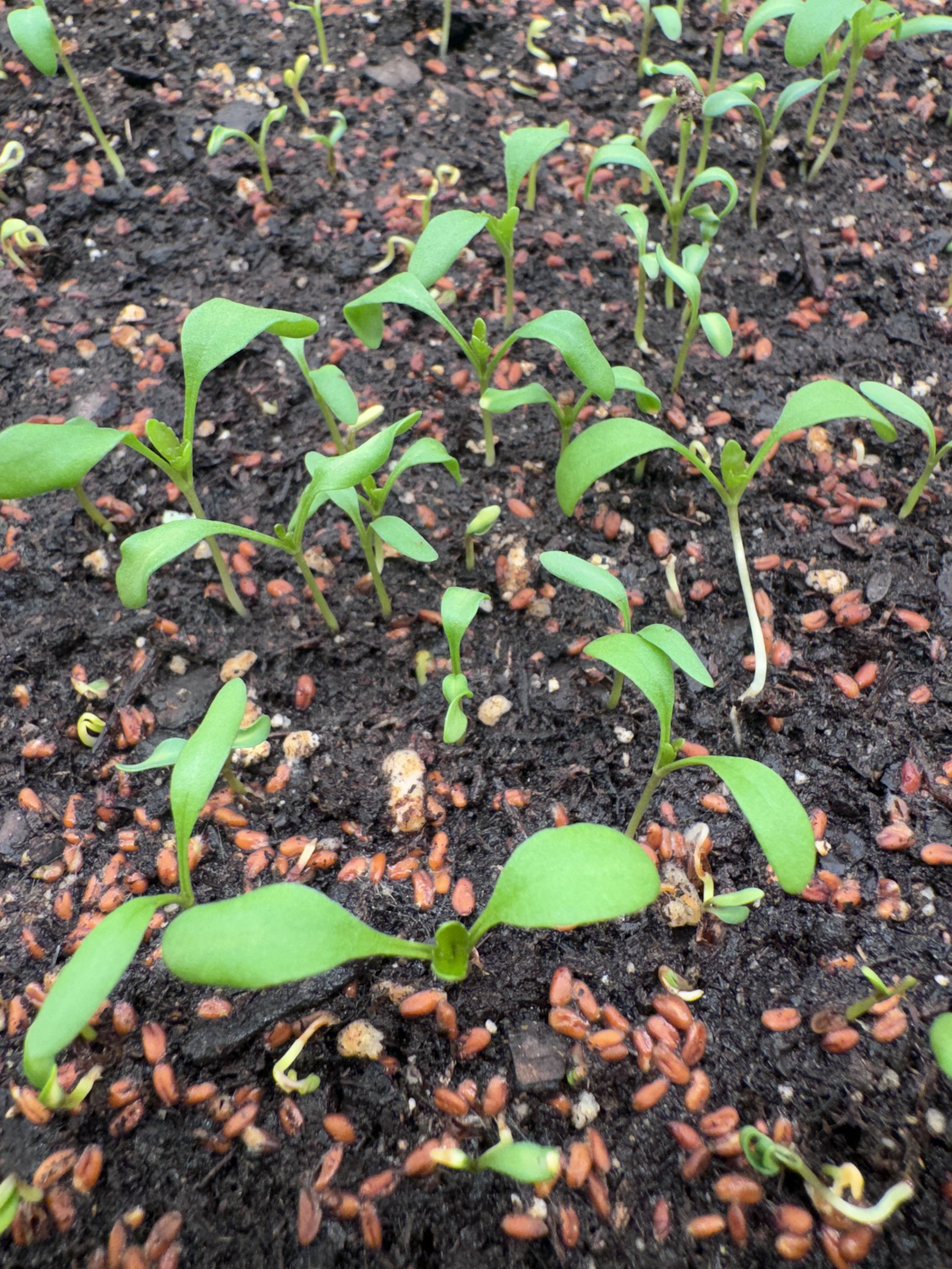
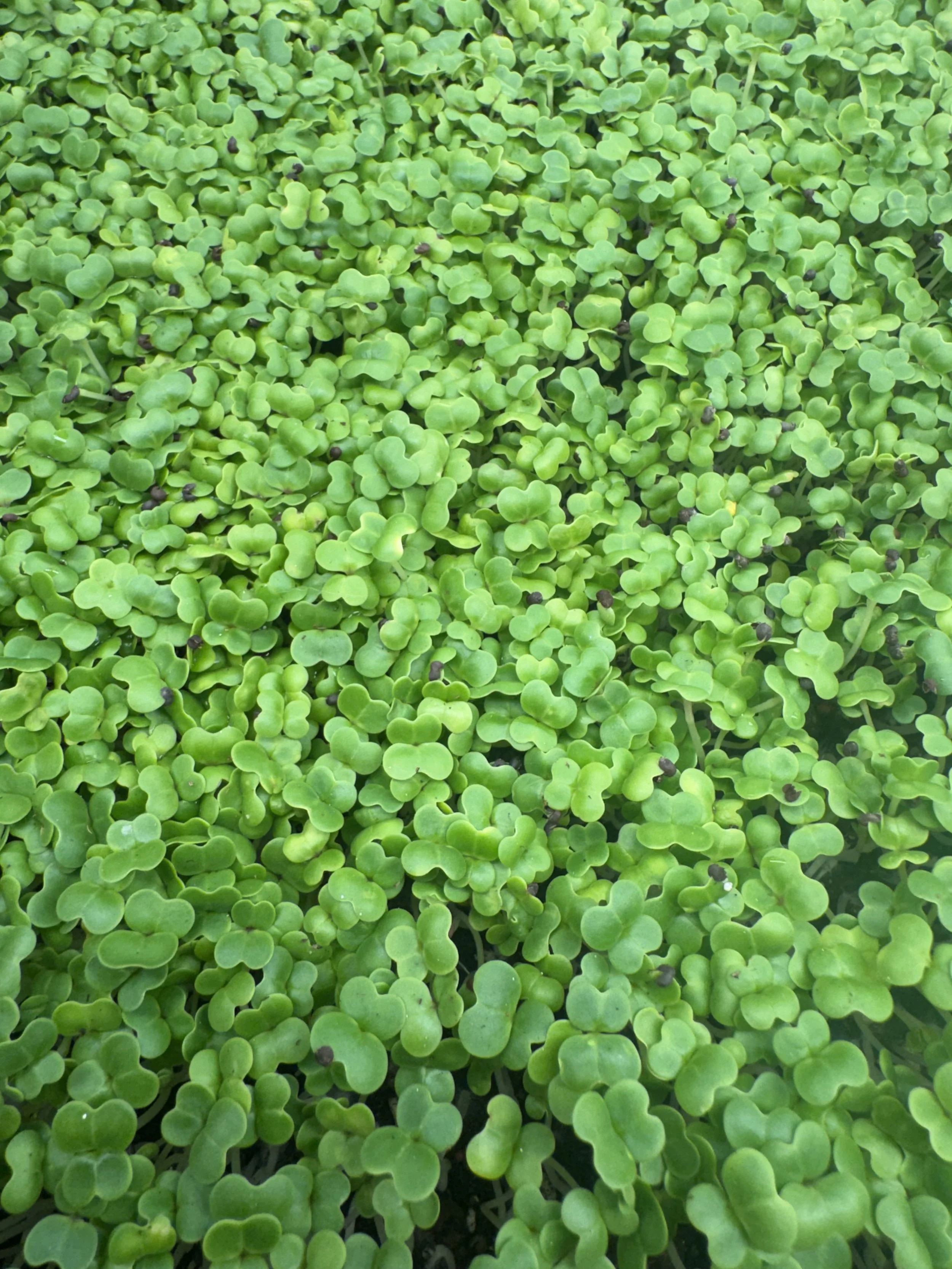 Image 2 of 2
Disclaimer:Nutritional information and listed Health Benefits have not been evaluated by the Food and Drug Administration. This product is not intended to diagnose, treat, cure, or prevent any disease. The information on this website is for educational purposes only and not intended as medical advice.
History:
Bok Choy (or Pak Choy) is a nutrient-dense cruciferous vegetable, cultivated in China for over 5,000 years, with evidence dating back to the 5th century (or earlier, ~6,000 years ago) in the Yangtze River Delta. As a staple in Asian cuisine, it spread to Korea in the 14th century, Southeast Asia in the 16th century, and was introduced to North America by Chinese immigrants in the 19th century.
Flavor Profile:
Mild, fresh, and slightly sweet flavor with subtle cabbage or turnip notes and a mild, peppery finish. They are crisp and tender with a succulent texture. Often used as a mild, crunchy garnish, they are popular in salads, soups, and Asian dishes.
Suggested Uses:
Bok Choy (Pak Choy) microgreens are mild, slightly sweet, and crunchy greens, making them an ideal, nutrient-dense addition to salads, sandwiches, and wraps. Due to their delicate texture, they are best used raw as a garnish on soups (like ramen or miso), stir-fries, and spring rolls to add fresh flavor and texture.
Salads & Mixes: Their mild flavor makes them a great base or addition to salads.
Garnish: Enhances stir-fries, curries, and steamed dishes with a fresh, crisp touch.
Sandwiches & Wraps: Provides a crunchy, refreshing alternative to lettuce.
Soups: Perfect for topping ramen, miso, or pho.
Smoothies: A nutrient-packed addition for a mild green smoothie.
For Pets: *(always consult a vet before adding microgreens to your pet’s diet)
Bearded Dragons: Bok Choy (Pak Choy) microgreens are safe and nutritious for bearded dragons, offering a nutrient-dense snack rich in vitamins A and C. They are considered highly digestible and safe to be incorporated into a balanced diet. However, because they contain goitrogens, they should be offered as part of a varied, rotational salad rather than a daily staple.
Cats: Bok Choy microgreens (also known as Pak Choy) are generally safe for cats in moderation. They are non-toxic and provide a nutritious, fibre-rich treat for indoor cats looking to graze, aiding in digestion. However, avoid feeding them to cats with thyroid problems, as they contain compounds that can interfere with thyroid function.
Dogs: Bok Choy (Pak Choy) microgreens are safe and nutritious for dogs in moderation. They provide a dense source of vitamins A, C, and K, along with calcium and fiber to support immunity, eye health, and digestion. They are not considered toxic and can be served raw or steamed as a nutritional boost.
Guinea Pigs: Bok Choy (Pak Choy) microgreens are safe for guinea pigs to eat in moderation. They are highly nutritious, providing essential vitamins and minerals like Vitamin C, which is vital for immune health and preventing scurvy.
Rabbits: Bok Choy (Pak Choy) microgreens are safe for rabbits and can be a nutritious part of their diet, provided they are introduced gradually. While safe, they should be fed in moderation as part of a varied salad (10% of their diet), as they can cause gas in some rabbits.
Nutrition:*not verified by FDA
Bok Choy (Pak Choy) microgreens are nutrient-dense, baby leafy greens offering high concentrations of vitamins C, E, K, and A, alongside minerals like calcium, iron, potassium, and magnesium.
Vitamins: High in Vitamin C (immune health), Vitamin K1 (bone health/blood clotting), Vitamin A (vision), and B-complex vitamins.
Minerals: Excellent source of Calcium, Iron, Magnesium, Potassium, and Phosphorus.
Antioxidants: Contains beta-carotene, lutein, and zeaxanthin, which protect cells and support eye health.
Low Calorie/High Fiber: A low-calorie food (approx. 22-28 kcal per 100g) that provides fiber and protein.
Health Benefits:*not verified by FDA
Bok Choy (Pak Choy) microgreens are nutrient-dense superfoods packed with vitamins A, C, K, iron, and calcium, offering high antioxidant and anti-inflammatory properties that boost immunity, improve heart health, and strengthen bones. These young, mild-tasting greens are rich in glucosinolates for cancer prevention, aid in detoxification, and are low-calorie.
Immune System Boost: Extremely high in Vitamin C and antioxidants, which help fight infections and strengthen the immune system.
Bone Health: Excellent source of Calcium and Vitamin K, which are essential for bone density and strength, reducing the risk of osteoporosis.
Heart Health & Blood Pressure: Contain potassium and magnesium, which help regulate blood pressure, while low-sodium levels support cardiovascular function.
Anti-Cancer Properties: As a brassica, they are rich in glucosinolates (converting to sulforaphane), which are linked to reducing cancer risk.
Eye and Skin Health: Rich in beta-carotene and Vitamin A, which are vital for maintaining good vision and healthy skin.
Digestive and Metabolic Health: High in fiber to aid digestion and contain iron to help fight anemia.
Nutrient-Dense: They provide high amounts of iron, phosphorus, manganese, and Vitamin K in small servings.
Disclaimer:Nutritional information and listed Health Benefits have not been evaluated by the Food and Drug Administration. This product is not intended to diagnose, treat, cure, or prevent any disease. The information on this website is for educational purposes only and not intended as medical advice.
History:
Bok Choy (or Pak Choy) is a nutrient-dense cruciferous vegetable, cultivated in China for over 5,000 years, with evidence dating back to the 5th century (or earlier, ~6,000 years ago) in the Yangtze River Delta. As a staple in Asian cuisine, it spread to Korea in the 14th century, Southeast Asia in the 16th century, and was introduced to North America by Chinese immigrants in the 19th century.
Flavor Profile:
Mild, fresh, and slightly sweet flavor with subtle cabbage or turnip notes and a mild, peppery finish. They are crisp and tender with a succulent texture. Often used as a mild, crunchy garnish, they are popular in salads, soups, and Asian dishes.
Suggested Uses:
Bok Choy (Pak Choy) microgreens are mild, slightly sweet, and crunchy greens, making them an ideal, nutrient-dense addition to salads, sandwiches, and wraps. Due to their delicate texture, they are best used raw as a garnish on soups (like ramen or miso), stir-fries, and spring rolls to add fresh flavor and texture.
Salads & Mixes: Their mild flavor makes them a great base or addition to salads.
Garnish: Enhances stir-fries, curries, and steamed dishes with a fresh, crisp touch.
Sandwiches & Wraps: Provides a crunchy, refreshing alternative to lettuce.
Soups: Perfect for topping ramen, miso, or pho.
Smoothies: A nutrient-packed addition for a mild green smoothie.
For Pets: *(always consult a vet before adding microgreens to your pet’s diet)
Bearded Dragons: Bok Choy (Pak Choy) microgreens are safe and nutritious for bearded dragons, offering a nutrient-dense snack rich in vitamins A and C. They are considered highly digestible and safe to be incorporated into a balanced diet. However, because they contain goitrogens, they should be offered as part of a varied, rotational salad rather than a daily staple.
Cats: Bok Choy microgreens (also known as Pak Choy) are generally safe for cats in moderation. They are non-toxic and provide a nutritious, fibre-rich treat for indoor cats looking to graze, aiding in digestion. However, avoid feeding them to cats with thyroid problems, as they contain compounds that can interfere with thyroid function.
Dogs: Bok Choy (Pak Choy) microgreens are safe and nutritious for dogs in moderation. They provide a dense source of vitamins A, C, and K, along with calcium and fiber to support immunity, eye health, and digestion. They are not considered toxic and can be served raw or steamed as a nutritional boost.
Guinea Pigs: Bok Choy (Pak Choy) microgreens are safe for guinea pigs to eat in moderation. They are highly nutritious, providing essential vitamins and minerals like Vitamin C, which is vital for immune health and preventing scurvy.
Rabbits: Bok Choy (Pak Choy) microgreens are safe for rabbits and can be a nutritious part of their diet, provided they are introduced gradually. While safe, they should be fed in moderation as part of a varied salad (10% of their diet), as they can cause gas in some rabbits.
Nutrition:*not verified by FDA
Bok Choy (Pak Choy) microgreens are nutrient-dense, baby leafy greens offering high concentrations of vitamins C, E, K, and A, alongside minerals like calcium, iron, potassium, and magnesium.
Vitamins: High in Vitamin C (immune health), Vitamin K1 (bone health/blood clotting), Vitamin A (vision), and B-complex vitamins.
Minerals: Excellent source of Calcium, Iron, Magnesium, Potassium, and Phosphorus.
Antioxidants: Contains beta-carotene, lutein, and zeaxanthin, which protect cells and support eye health.
Low Calorie/High Fiber: A low-calorie food (approx. 22-28 kcal per 100g) that provides fiber and protein.
Health Benefits:*not verified by FDA
Bok Choy (Pak Choy) microgreens are nutrient-dense superfoods packed with vitamins A, C, K, iron, and calcium, offering high antioxidant and anti-inflammatory properties that boost immunity, improve heart health, and strengthen bones. These young, mild-tasting greens are rich in glucosinolates for cancer prevention, aid in detoxification, and are low-calorie.
Immune System Boost: Extremely high in Vitamin C and antioxidants, which help fight infections and strengthen the immune system.
Bone Health: Excellent source of Calcium and Vitamin K, which are essential for bone density and strength, reducing the risk of osteoporosis.
Heart Health & Blood Pressure: Contain potassium and magnesium, which help regulate blood pressure, while low-sodium levels support cardiovascular function.
Anti-Cancer Properties: As a brassica, they are rich in glucosinolates (converting to sulforaphane), which are linked to reducing cancer risk.
Eye and Skin Health: Rich in beta-carotene and Vitamin A, which are vital for maintaining good vision and healthy skin.
Digestive and Metabolic Health: High in fiber to aid digestion and contain iron to help fight anemia.
Nutrient-Dense: They provide high amounts of iron, phosphorus, manganese, and Vitamin K in small servings.