 Image 1 of 2
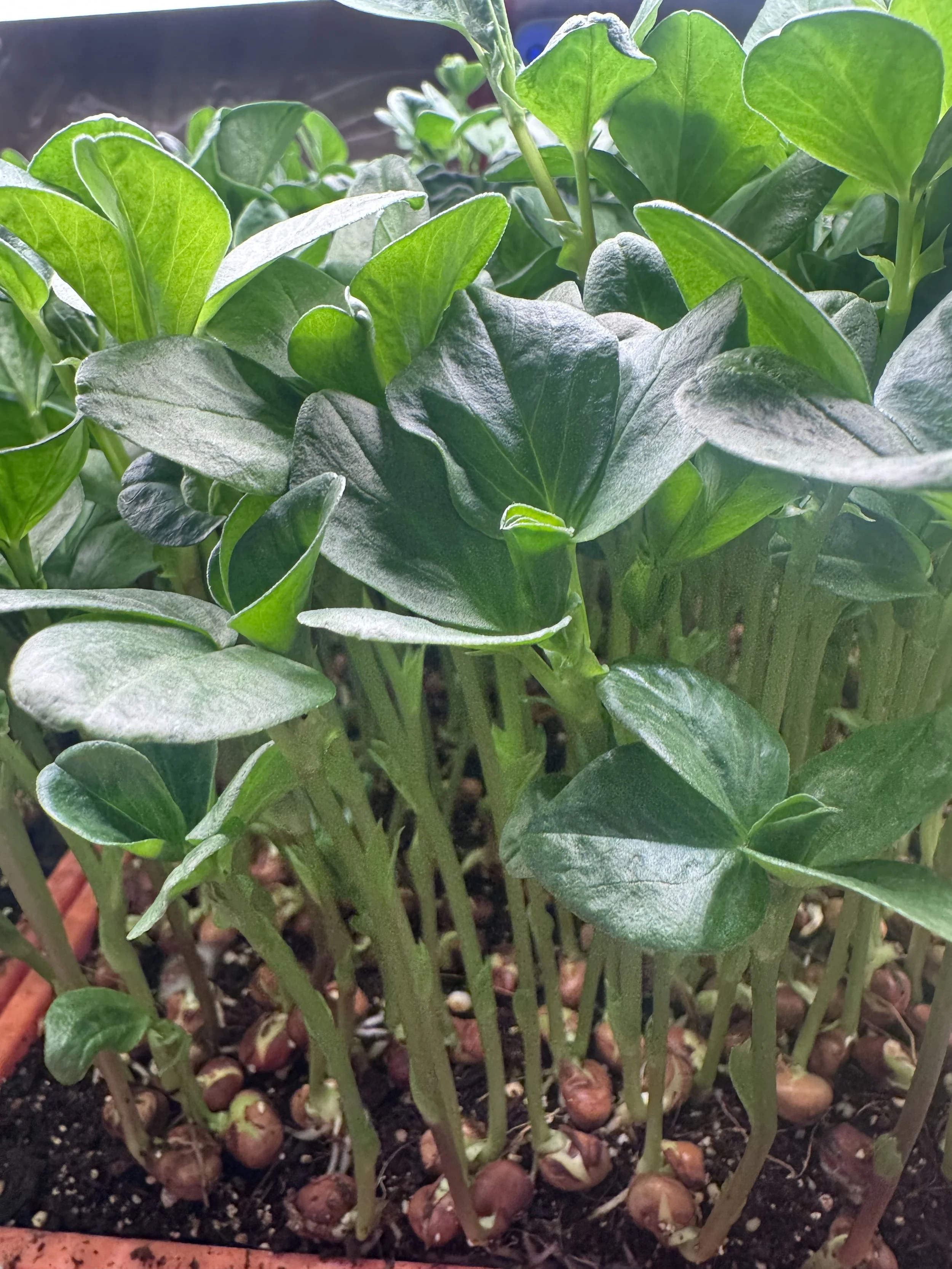 Image 2 of 2
Disclaimer:Nutritional information and listed Health Benefits have not been evaluated by the Food and Drug Administration. This product is not intended to diagnose, treat, cure, or prevent any disease. The information on this website is for educational purposes only and not intended as medical advice.
History:
Fava beans are one of the oldest cultivated crops, with evidence of domestication dating back approximately 10,000 years in the Near East. They were crucial to early agriculture, appearing in ancient Egyptian tombs and across the Mediterranean. Historically, they were a vital food source, especially before the discovery of the Americas, and have deep roots in cuisines from the Mediterranean to East Asia.
Flavor Profile:
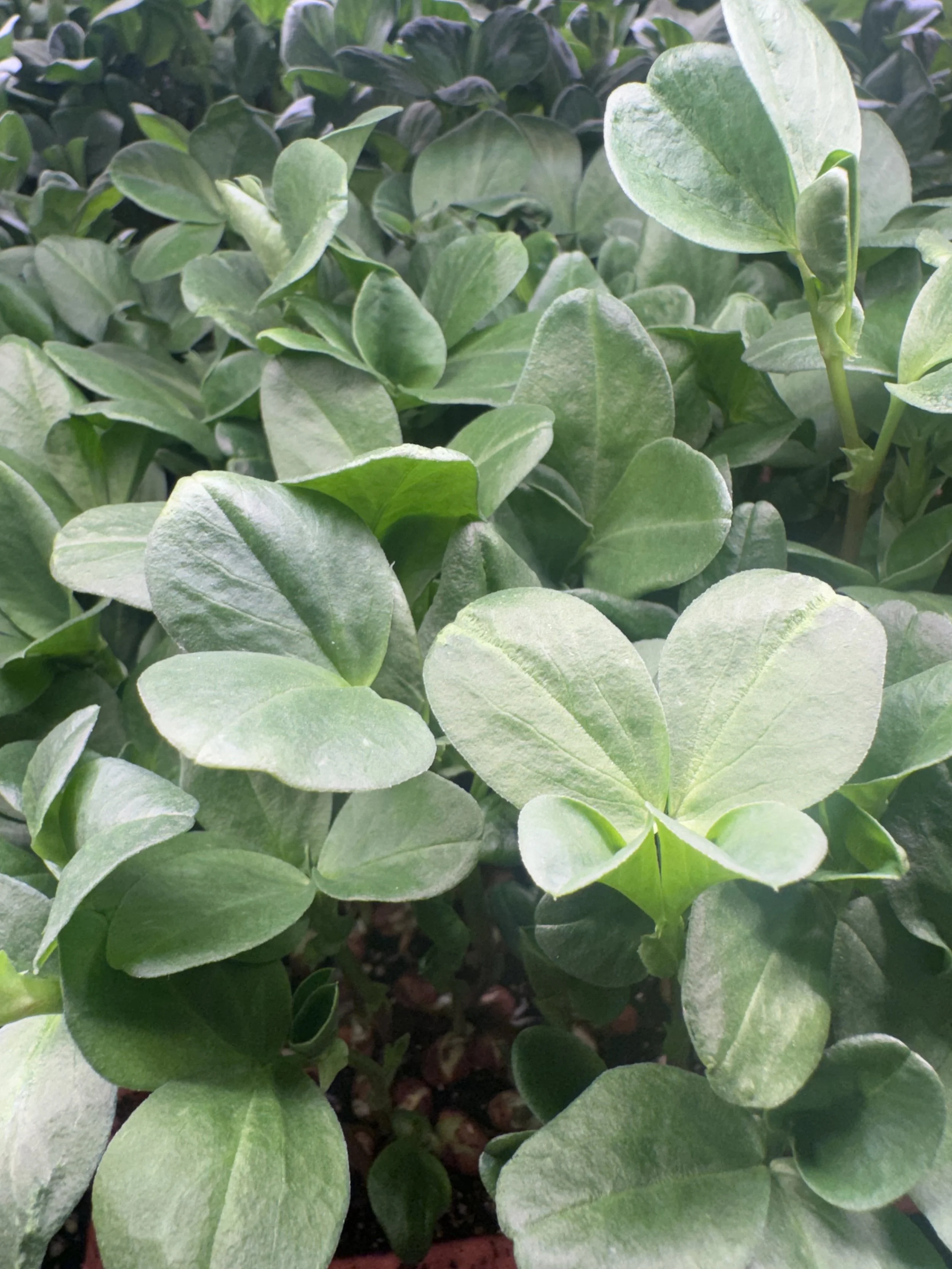
Fava bean shoots have a creamy, nutty, and earthy flavor that is both sweet and buttery, similar to a fresh sweet pea with a hint of sunflower. They have a satisfyingly crunchy texture that is robust enough to be eaten raw or lightly cooked.
Suggested Uses:
Fava bean shoots can be used in salads, sandwiches, wraps, and soups, or lightly sautéed as a side dish. Their thick stems and nutty flavor make them versatile enough to be eaten raw or cooked, and they pair well with various cuisines like Asian, Mediterranean, and Italian.
Nutrition:*not verified by FDA
Fava bean microgreens are a nutritious food, rich in vitamins A, C, K, and several B vitamins, as well as minerals like iron, magnesium, and potassium. They are an excellent source of plant-based protein and dietary fiber, which aids in digestion and can support heart health due to their low fat and cholesterol content. Additionally, they are high in antioxidants that help protect cells from damage.
Vitamins: Packed with vitamins A, C, and K, along with a variety of B vitamins, including B1, B6, and folate.
Minerals: Good source of minerals such as iron, magnesium, potassium, and copper.
Protein: A significant source of plant-based protein, with fava beans being 28% protein.
Fiber: High in dietary fiber, which promotes a healthy digestive system and can help with heart health.
Antioxidants: Contain antioxidants that help protect the body from free radical damage.
Other beneficial compounds: Contain phytonutrients like isoflavones and plant sterols, and also contain levodopa, which is a precursor to dopamine.
Potential Health Benefits:*not verified by FDA
Fava bean microgreens are nutrient-dense and offer benefits such as supporting bone health, boosting the immune system, and aiding digestion due to their rich content of vitamins (A, C, K, B vitamins) and minerals like potassium, iron, and magnesium. They also contain protein and fiber, which are good for digestive health and satiety. Additionally, fava beans contain L-dopa, a compound converted to dopamine that may support mood and cognitive function.
Rich in vitamins: They are packed with vitamins A, C, K, and various B vitamins, which support immune function, bone health, and blood clotting.
Minerals: Fava bean microgreens provide essential minerals like potassium, iron, magnesium, and manganese, which are important for various bodily functions, including energy production and nerve function.
Protein and fiber: They are an excellent source of plant-based protein and fiber, which can aid digestion and help you feel full.
Antioxidants: They contain beneficial antioxidant compounds that help protect the body from damage.
Brain health: The presence of L-dopa, which the body converts to dopamine, may help with mood regulation and cognitive function.
Bone health: Fava beans contain nutrients that support bone health.
Digestive health: The fiber content promotes healthy digestion.
Immune support: Vitamins C and K, along with other nutrients, help support a healthy immune system.
Heart health: They contain compounds like fiber and protein that may help lower cholesterol and improve heart function.
Disclaimer:Nutritional information and listed Health Benefits have not been evaluated by the Food and Drug Administration. This product is not intended to diagnose, treat, cure, or prevent any disease. The information on this website is for educational purposes only and not intended as medical advice.
History:
Fava beans are one of the oldest cultivated crops, with evidence of domestication dating back approximately 10,000 years in the Near East. They were crucial to early agriculture, appearing in ancient Egyptian tombs and across the Mediterranean. Historically, they were a vital food source, especially before the discovery of the Americas, and have deep roots in cuisines from the Mediterranean to East Asia.
Flavor Profile:
Fava bean shoots have a creamy, nutty, and earthy flavor that is both sweet and buttery, similar to a fresh sweet pea with a hint of sunflower. They have a satisfyingly crunchy texture that is robust enough to be eaten raw or lightly cooked.
Suggested Uses:
Fava bean shoots can be used in salads, sandwiches, wraps, and soups, or lightly sautéed as a side dish. Their thick stems and nutty flavor make them versatile enough to be eaten raw or cooked, and they pair well with various cuisines like Asian, Mediterranean, and Italian.
Nutrition:*not verified by FDA
Fava bean microgreens are a nutritious food, rich in vitamins A, C, K, and several B vitamins, as well as minerals like iron, magnesium, and potassium. They are an excellent source of plant-based protein and dietary fiber, which aids in digestion and can support heart health due to their low fat and cholesterol content. Additionally, they are high in antioxidants that help protect cells from damage.
Vitamins: Packed with vitamins A, C, and K, along with a variety of B vitamins, including B1, B6, and folate.
Minerals: Good source of minerals such as iron, magnesium, potassium, and copper.
Protein: A significant source of plant-based protein, with fava beans being 28% protein.
Fiber: High in dietary fiber, which promotes a healthy digestive system and can help with heart health.
Antioxidants: Contain antioxidants that help protect the body from free radical damage.
Other beneficial compounds: Contain phytonutrients like isoflavones and plant sterols, and also contain levodopa, which is a precursor to dopamine.
Potential Health Benefits:*not verified by FDA
Fava bean microgreens are nutrient-dense and offer benefits such as supporting bone health, boosting the immune system, and aiding digestion due to their rich content of vitamins (A, C, K, B vitamins) and minerals like potassium, iron, and magnesium. They also contain protein and fiber, which are good for digestive health and satiety. Additionally, fava beans contain L-dopa, a compound converted to dopamine that may support mood and cognitive function.
Rich in vitamins: They are packed with vitamins A, C, K, and various B vitamins, which support immune function, bone health, and blood clotting.
Minerals: Fava bean microgreens provide essential minerals like potassium, iron, magnesium, and manganese, which are important for various bodily functions, including energy production and nerve function.
Protein and fiber: They are an excellent source of plant-based protein and fiber, which can aid digestion and help you feel full.
Antioxidants: They contain beneficial antioxidant compounds that help protect the body from damage.
Brain health: The presence of L-dopa, which the body converts to dopamine, may help with mood regulation and cognitive function.
Bone health: Fava beans contain nutrients that support bone health.
Digestive health: The fiber content promotes healthy digestion.
Immune support: Vitamins C and K, along with other nutrients, help support a healthy immune system.
Heart health: They contain compounds like fiber and protein that may help lower cholesterol and improve heart function.