 Image 1 of 1
Disclaimer:Nutritional information and listed Health Benefits have not been evaluated by the Food and Drug Administration. This product is not intended to diagnose, treat, cure, or prevent any disease. The information on this website is for educational purposes only and not intended as medical advice.
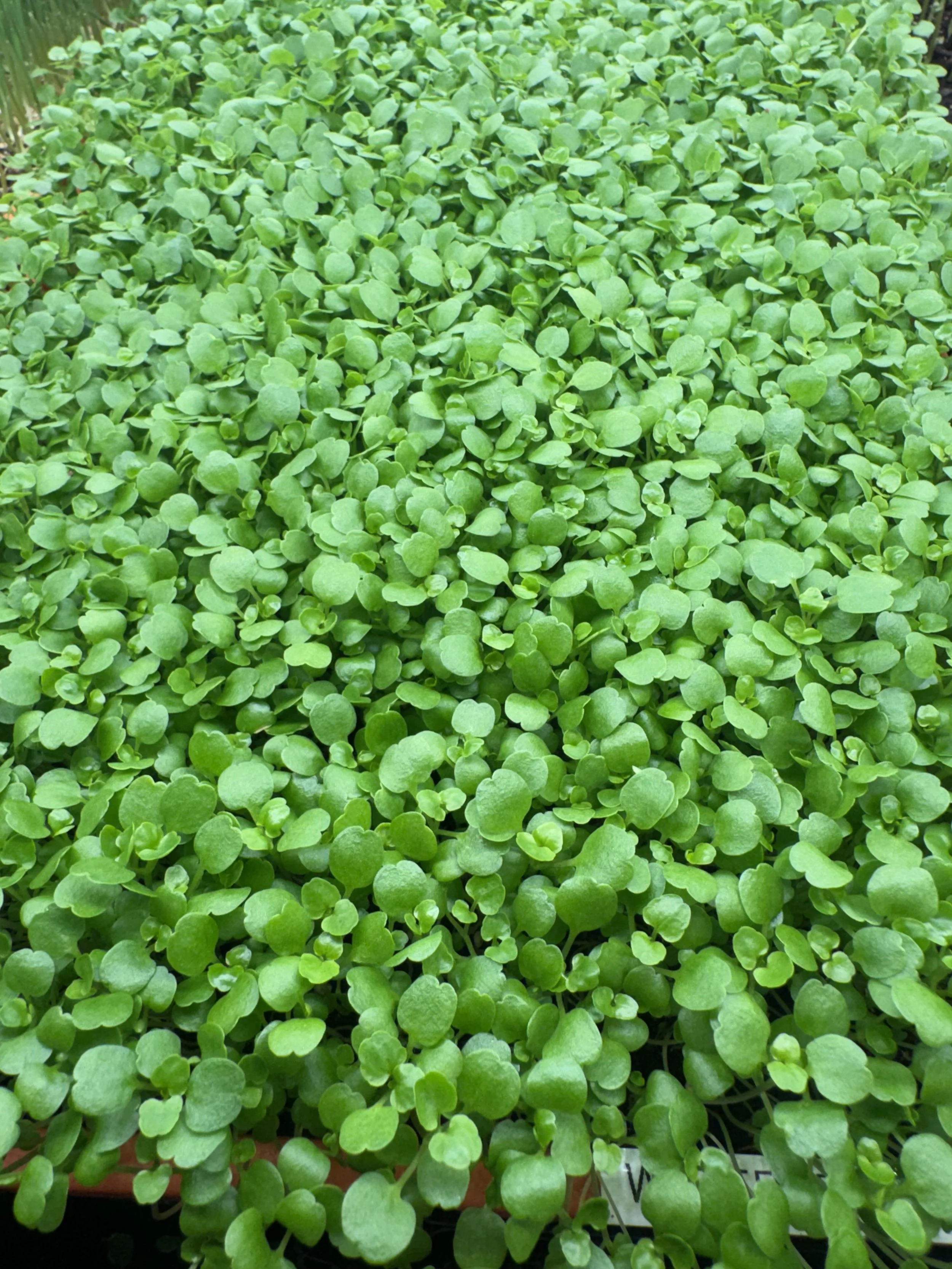
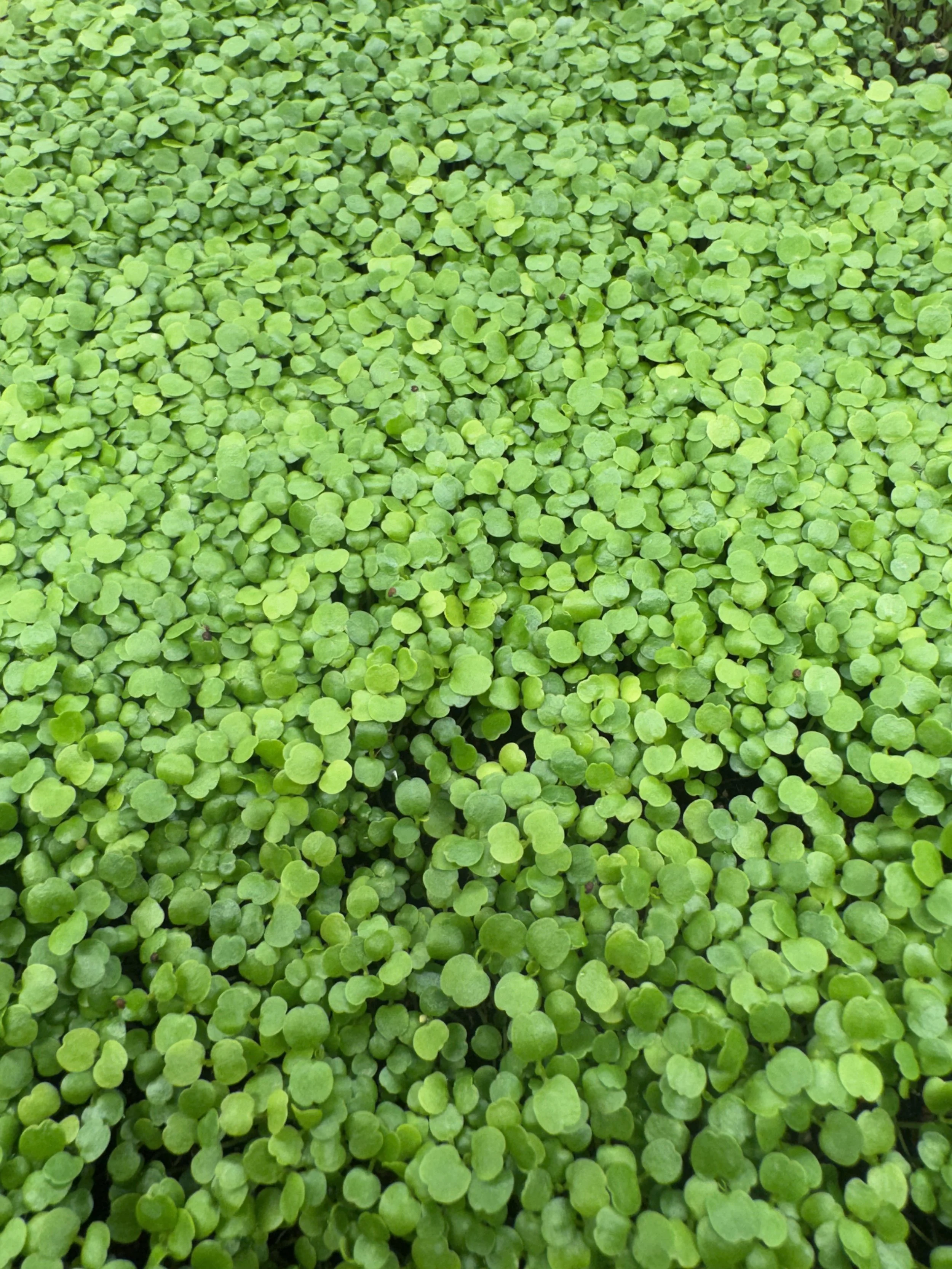
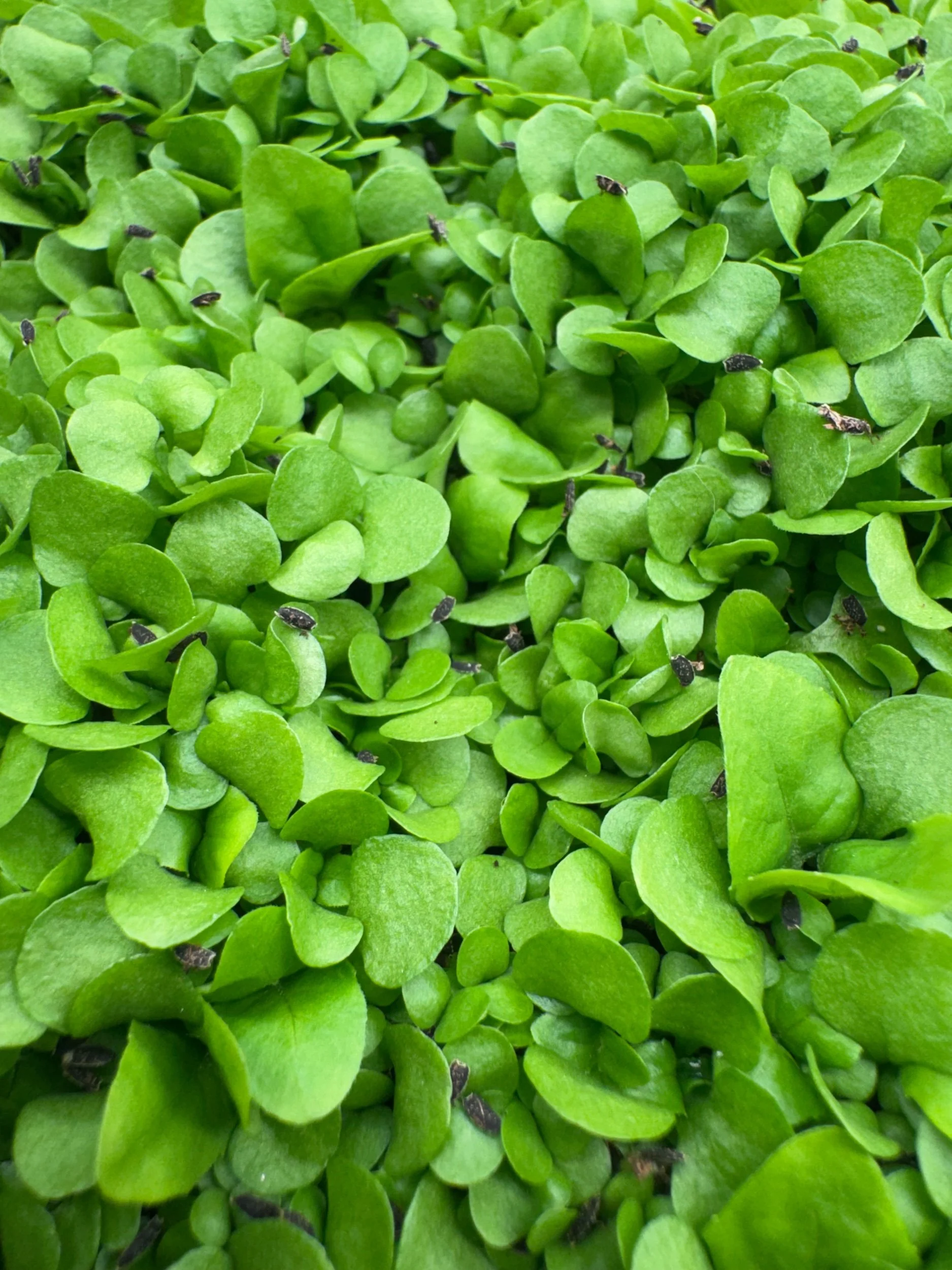
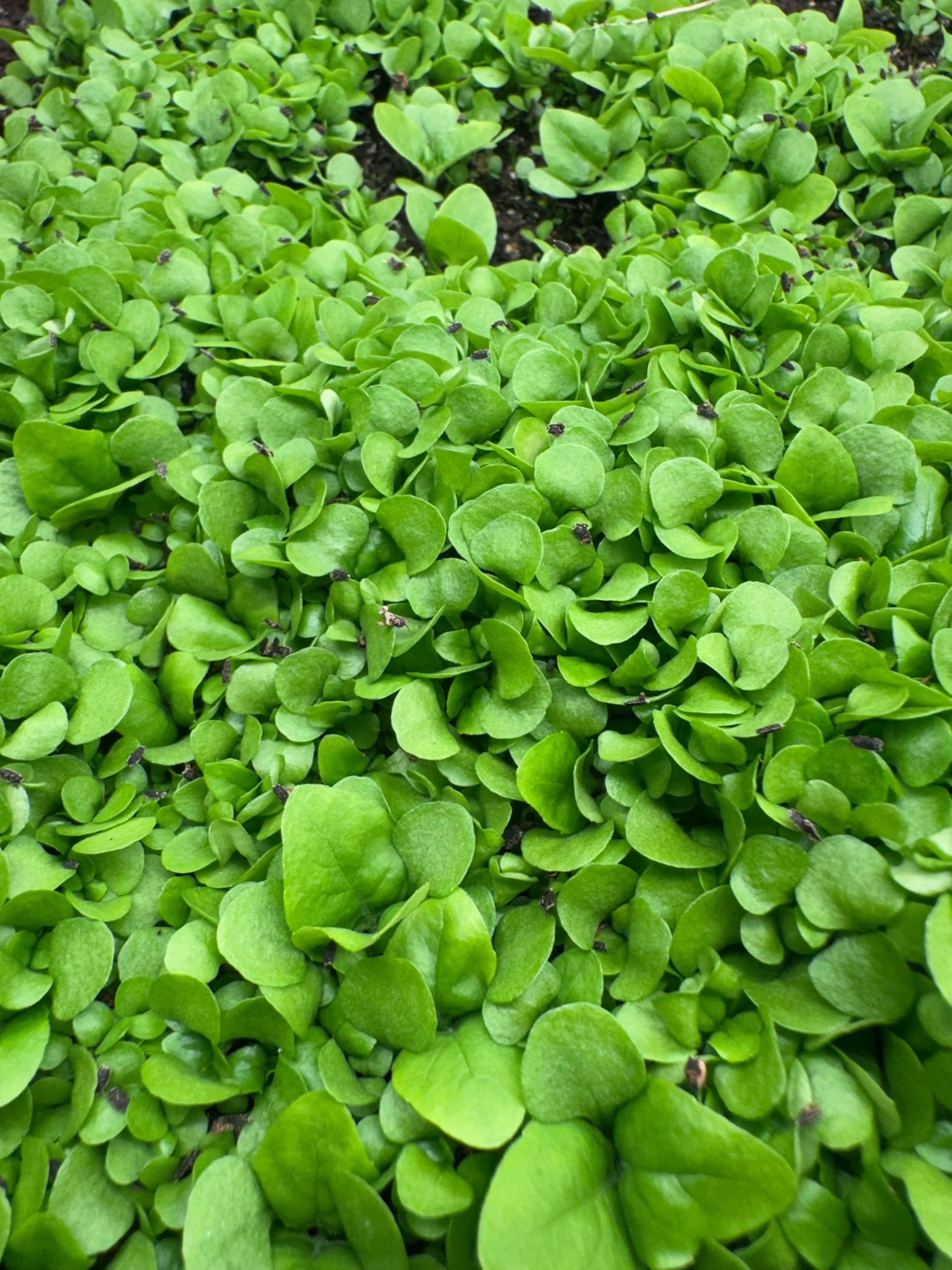
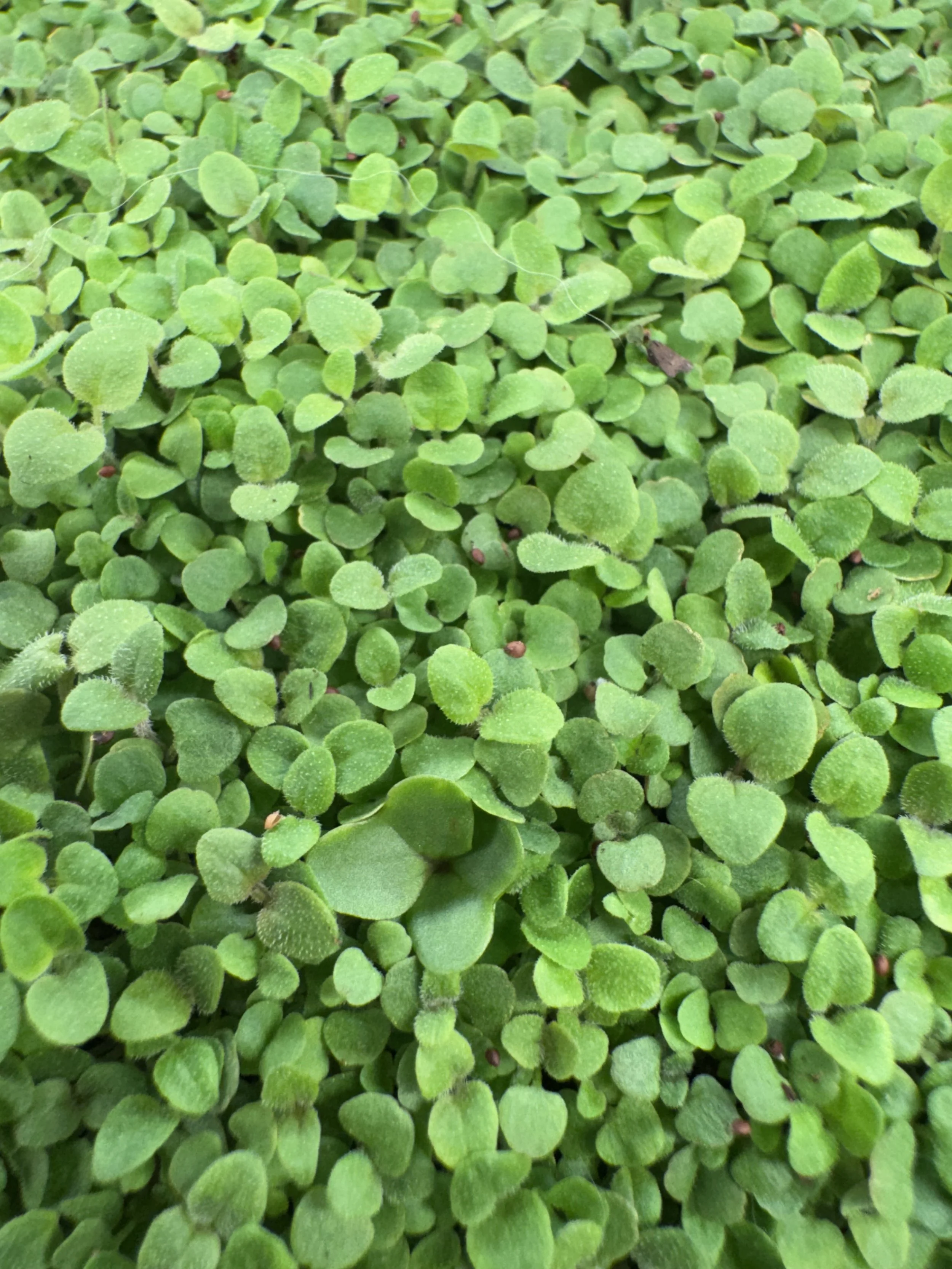
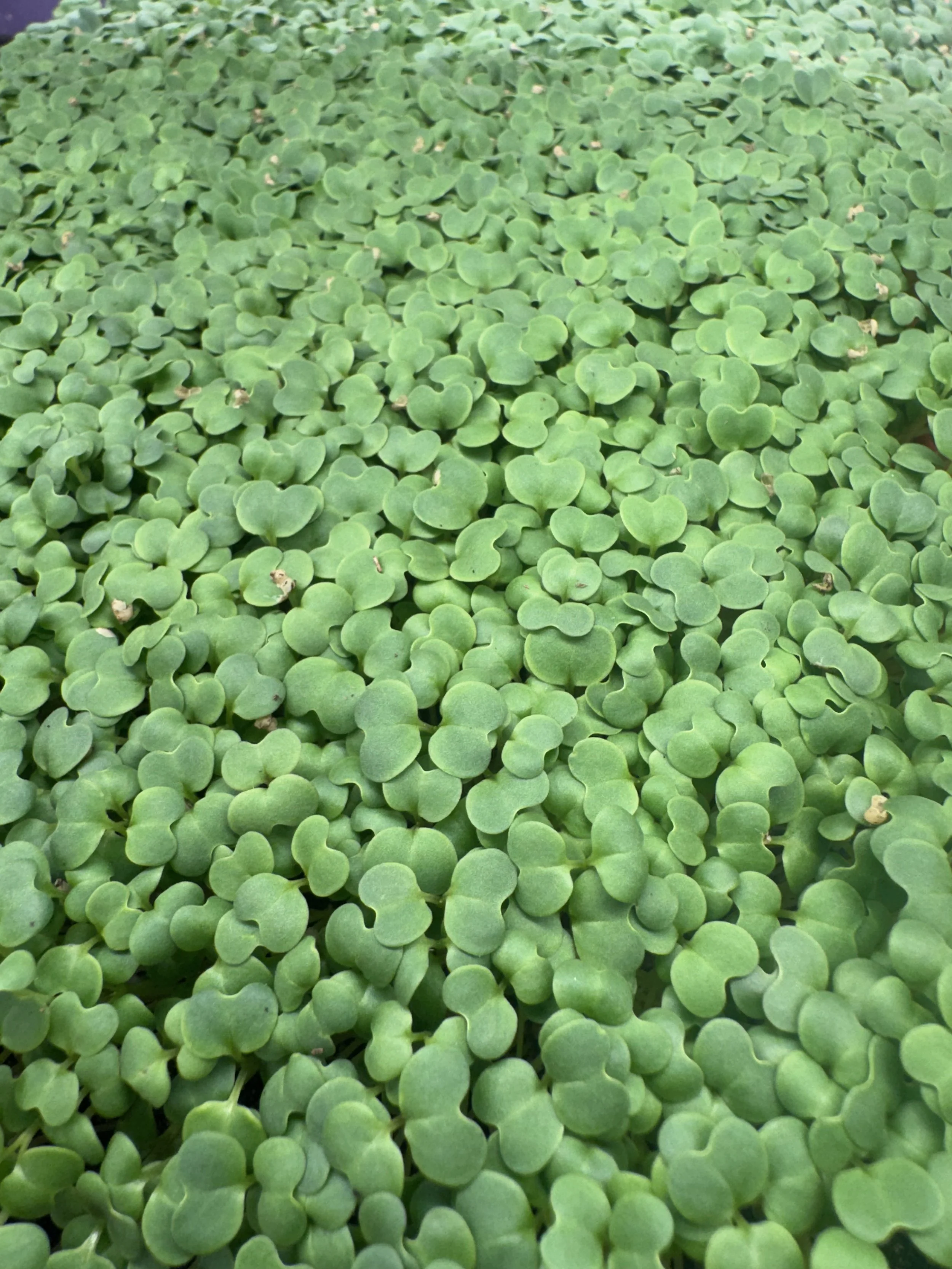
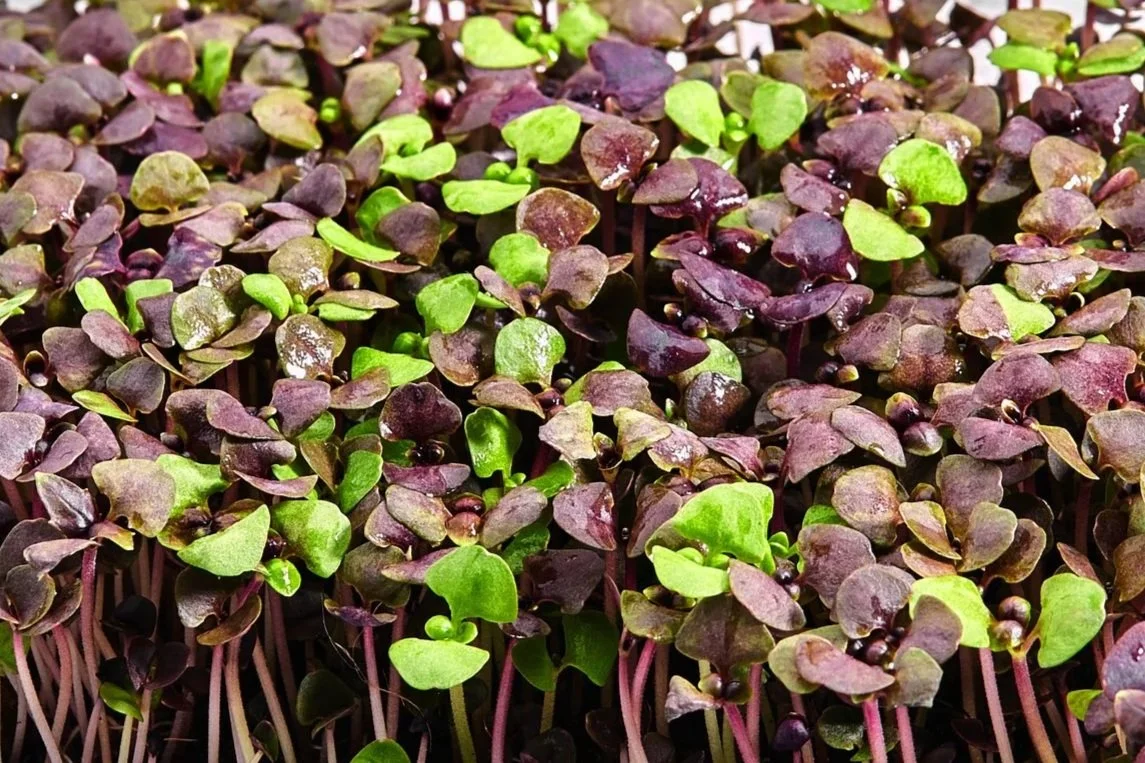
This item is grown to order. It is a slower growing variety and requires a 3 week lead time. We will grow a 10"x10" tray of these micros which we will cut and package for you when they are ready.
History:
Dark Opal Basil was developed at the University of Connecticut in the 1950s and won an All-America Selections bronze medal in 1962. This heirloom variety was specifically bred for its deep purple, almost black color, which comes from high levels of anthocyanins, and for both its ornamental and culinary appeal. Dark Opal Basil was created by crossbreeding Turkish basil seeds, supplied by the United States Department of Agriculture. This served to improve the coloration of earlier purple varieties.
Flavor Profile:
Sweet, zesty, and aromatic basil flavor with hints of clove, anise, and mint.
Suggested Uses:
It can be used in fresh dishes like salads and sandwiches, blended into pesto, or infused into oils and vinegars. Dark Opal Basil's intense flavor makes them a great substitute for mature basil, and they can be used in both savory and sweet preparations. It also makes a great garnish!
Nutrition:*not verified by FDA
In general, the nutrients found in basil microgreens include various vitamins, minerals, and antioxidants. Here are some of the nutrients present in basil microgreens:
Vitamin C: Basil microgreens are rich in Vitamin C, which is essential for developing and repairing all body tissues. They contribute to various bodily functions such as collagen production, iron absorption, immunity, wound healing, and maintenance of cartilage, bones, and teeth.
Vitamin K1: They are also a good source of Vitamin K1, primarily involved in blood clotting but also contribute to bone health.
Vitamin E: Basil microgreens contain Vitamin E, a fat-soluble antioxidant that protects your cells from oxidative damage.
Beta-Carotene: They’re high in beta-carotene, which is converted to Vitamin A by the body. Good vision, a robust immune system, and good skin and mucous membranes are all necessary for vitamin A.
Lutein and Zeaxanthin: These two types of carotenoids play an essential role in your eye health.
Polyphenols: Basil microgreens are rich in polyphenols, which are compounds with antioxidant properties. They help to protect your cells against the harmful effects of free radicals.
Minerals: They contain essential minerals like calcium, iron, magnesium, phosphorus, potassium, and zinc.
Potential Health Benefits:*not verified by FDA
Medicinally, basil is used to aid digestion, alleviate coughs and colds, and even reduce stress and anxiety.
In addition, basil may treat general pain and digestive disturbances in many ways, including as an anti-inflammatory agent. It’s an antimicrobial, which can help heal wounds and infections. The active substance in basil, cinnamic acid, may help with circulation, respiration, and blood sugar.
In its microgreen form, basil retains these medicinal properties. It packs an even denser nutritional punch, making it a valuable addition to any diet.
Disclaimer:Nutritional information and listed Health Benefits have not been evaluated by the Food and Drug Administration. This product is not intended to diagnose, treat, cure, or prevent any disease. The information on this website is for educational purposes only and not intended as medical advice.
This item is grown to order. It is a slower growing variety and requires a 3 week lead time. We will grow a 10"x10" tray of these micros which we will cut and package for you when they are ready.
History:
Dark Opal Basil was developed at the University of Connecticut in the 1950s and won an All-America Selections bronze medal in 1962. This heirloom variety was specifically bred for its deep purple, almost black color, which comes from high levels of anthocyanins, and for both its ornamental and culinary appeal. Dark Opal Basil was created by crossbreeding Turkish basil seeds, supplied by the United States Department of Agriculture. This served to improve the coloration of earlier purple varieties.
Flavor Profile:
Sweet, zesty, and aromatic basil flavor with hints of clove, anise, and mint.
Suggested Uses:
It can be used in fresh dishes like salads and sandwiches, blended into pesto, or infused into oils and vinegars. Dark Opal Basil's intense flavor makes them a great substitute for mature basil, and they can be used in both savory and sweet preparations. It also makes a great garnish!
Nutrition:*not verified by FDA
In general, the nutrients found in basil microgreens include various vitamins, minerals, and antioxidants. Here are some of the nutrients present in basil microgreens:
Vitamin C: Basil microgreens are rich in Vitamin C, which is essential for developing and repairing all body tissues. They contribute to various bodily functions such as collagen production, iron absorption, immunity, wound healing, and maintenance of cartilage, bones, and teeth.
Vitamin K1: They are also a good source of Vitamin K1, primarily involved in blood clotting but also contribute to bone health.
Vitamin E: Basil microgreens contain Vitamin E, a fat-soluble antioxidant that protects your cells from oxidative damage.
Beta-Carotene: They’re high in beta-carotene, which is converted to Vitamin A by the body. Good vision, a robust immune system, and good skin and mucous membranes are all necessary for vitamin A.
Lutein and Zeaxanthin: These two types of carotenoids play an essential role in your eye health.
Polyphenols: Basil microgreens are rich in polyphenols, which are compounds with antioxidant properties. They help to protect your cells against the harmful effects of free radicals.
Minerals: They contain essential minerals like calcium, iron, magnesium, phosphorus, potassium, and zinc.
Potential Health Benefits:*not verified by FDA
Medicinally, basil is used to aid digestion, alleviate coughs and colds, and even reduce stress and anxiety.
In addition, basil may treat general pain and digestive disturbances in many ways, including as an anti-inflammatory agent. It’s an antimicrobial, which can help heal wounds and infections. The active substance in basil, cinnamic acid, may help with circulation, respiration, and blood sugar.
In its microgreen form, basil retains these medicinal properties. It packs an even denser nutritional punch, making it a valuable addition to any diet.