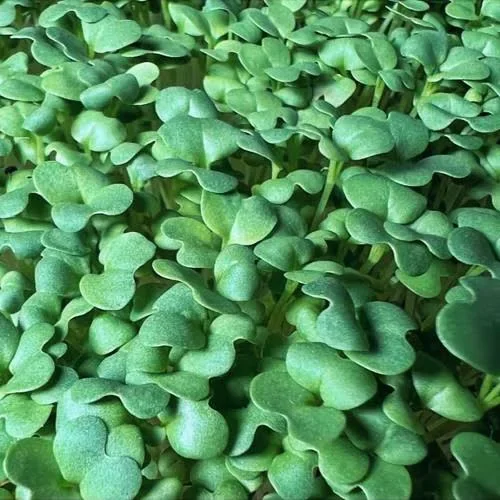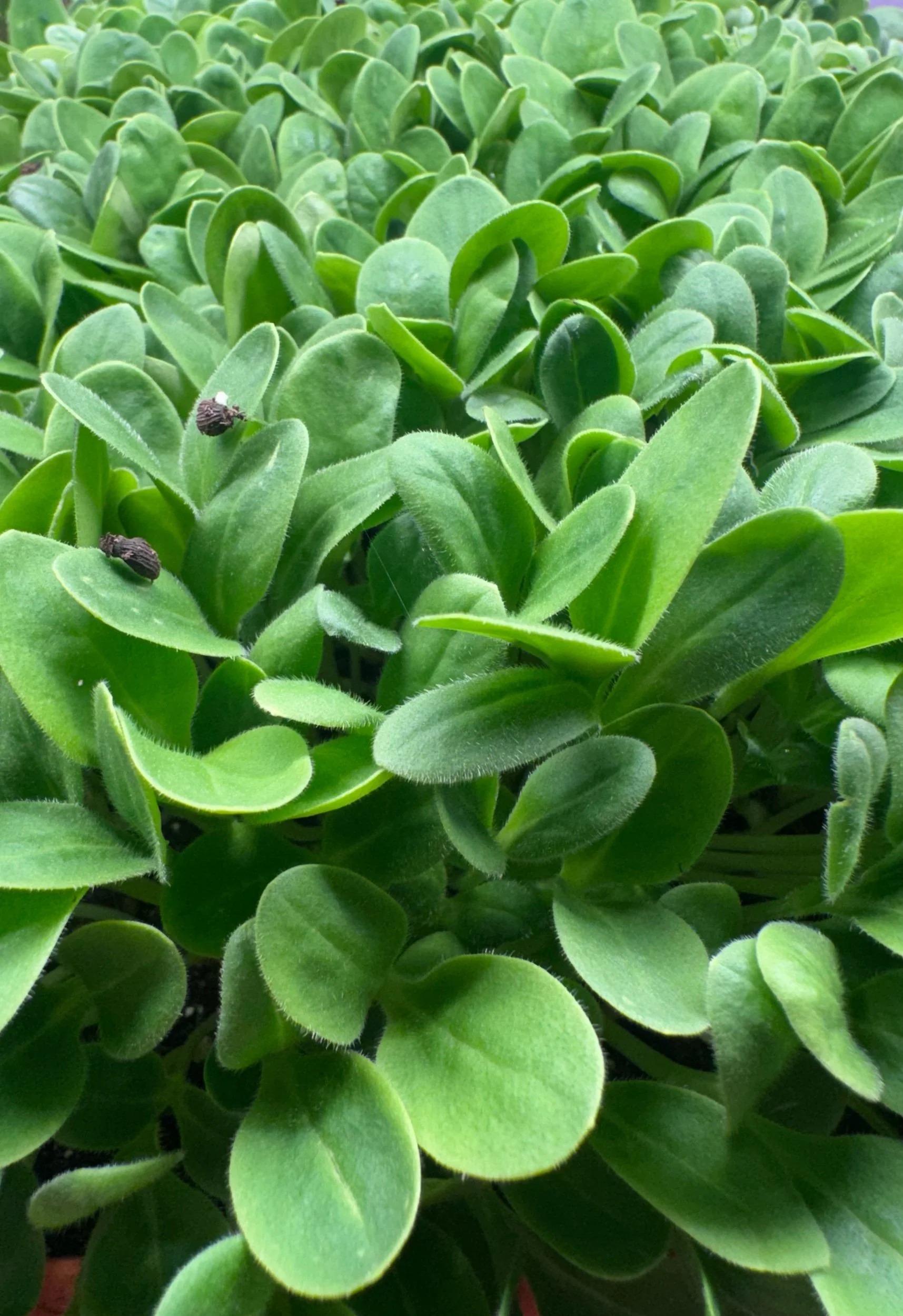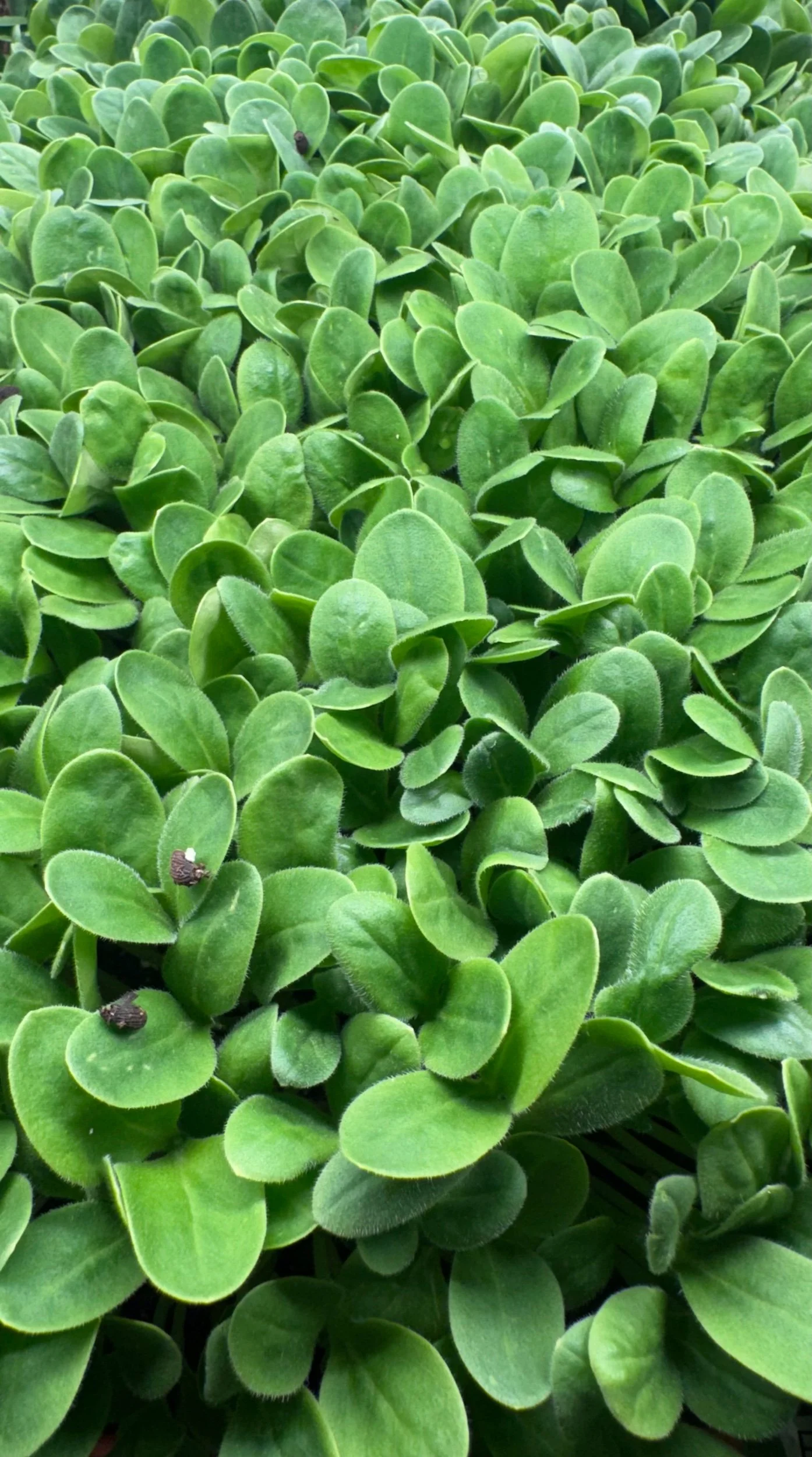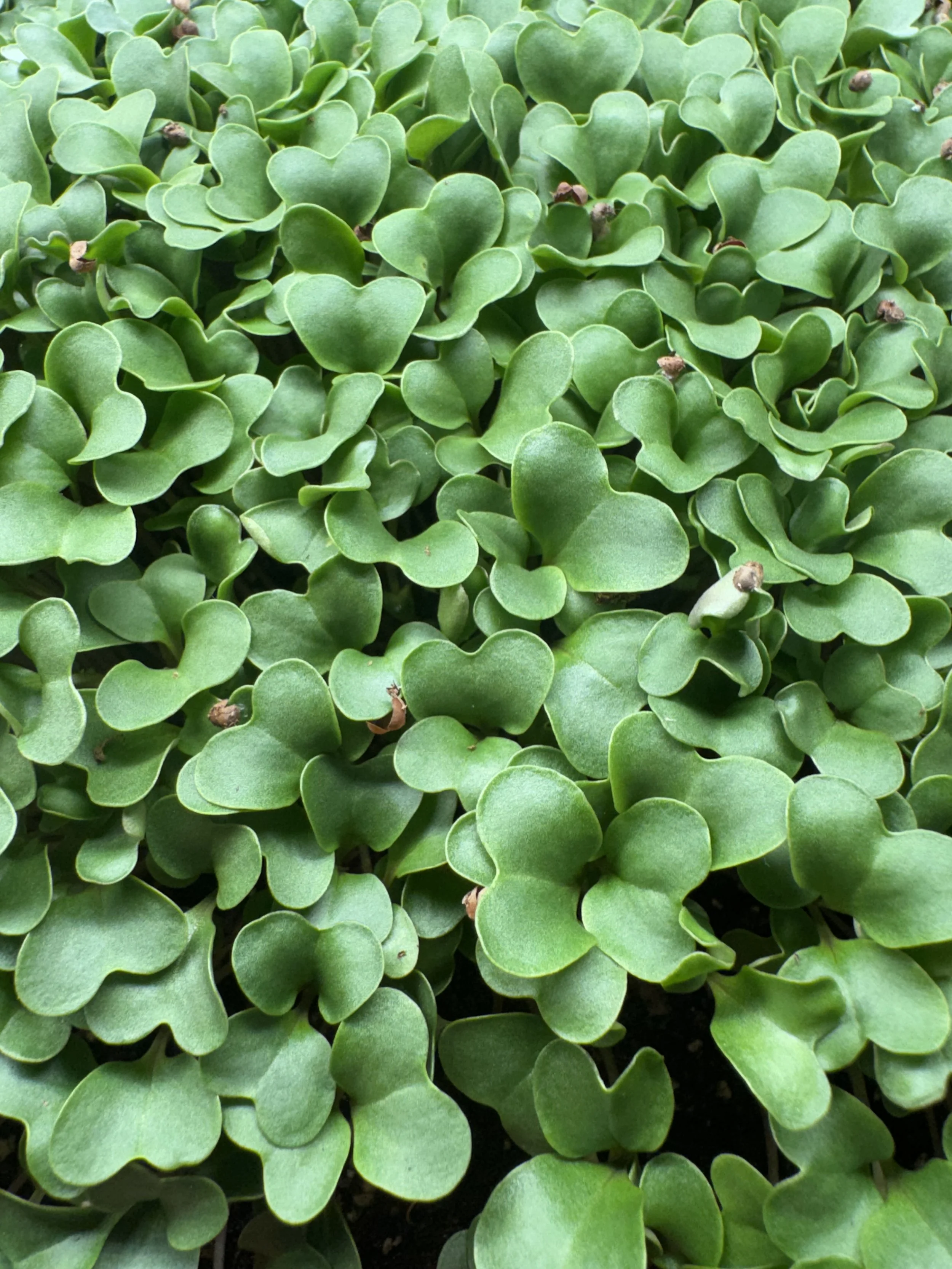
 Image 1 of 2
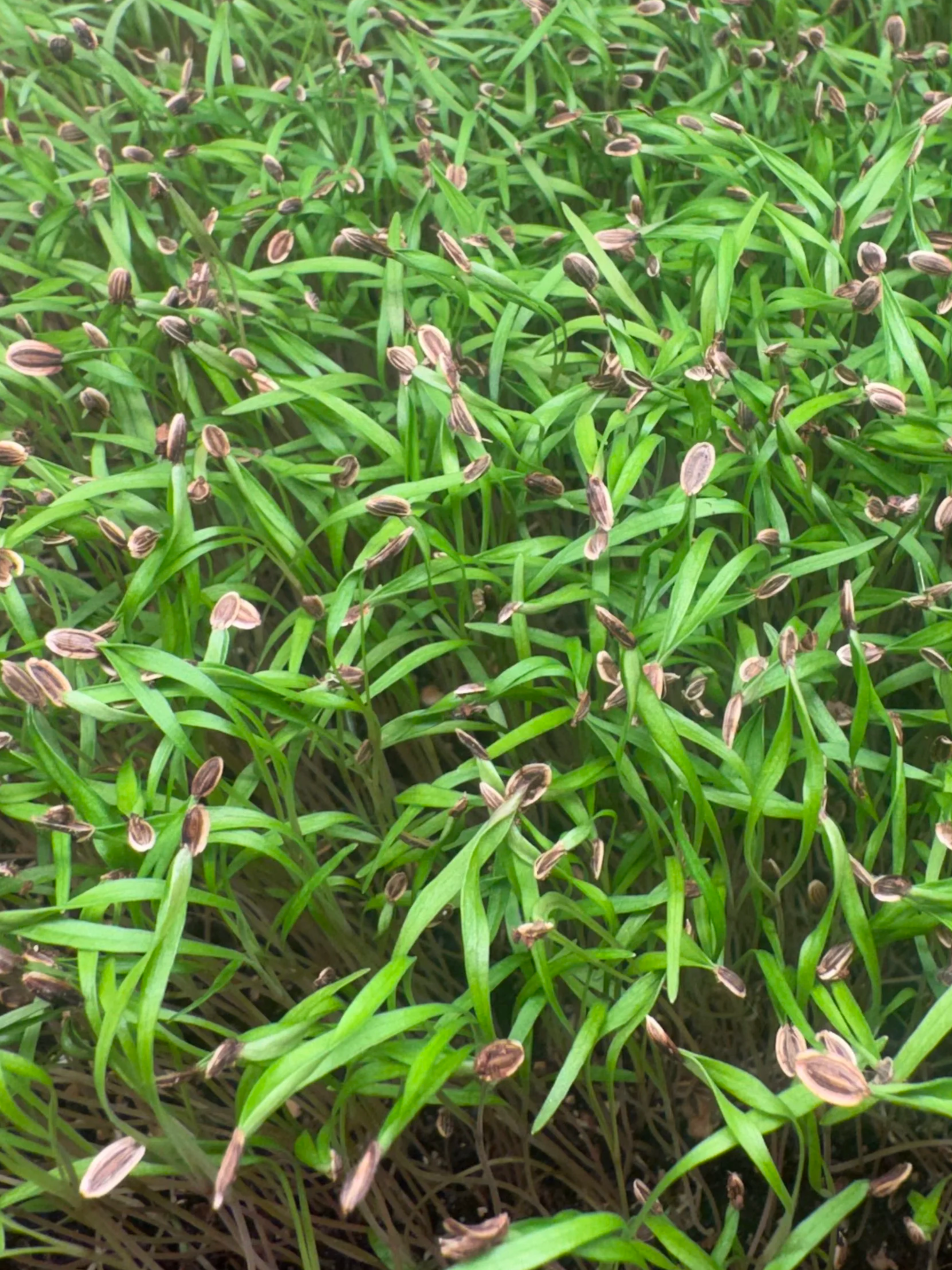 Image 2 of 2
Disclaimer:Nutritional information and listed Health Benefits have not been evaluated by the Food and Drug Administration. This product is not intended to diagnose, treat, cure, or prevent any disease. The information on this website is for educational purposes only and not intended as medical advice.
History:
Dill has a long history dating back to ancient Egypt around 3000 B.C., where it was used for medicinal purposes and to ward off evil. It was considered a symbol of good luck by the Romans, who fed it to gladiators for valor, and was used in Greek mythology. The name "dill" likely comes from the Norse word "dilla," meaning to soothe, reflecting its traditional use for calming stomach issues and colic.
Flavor Profile:
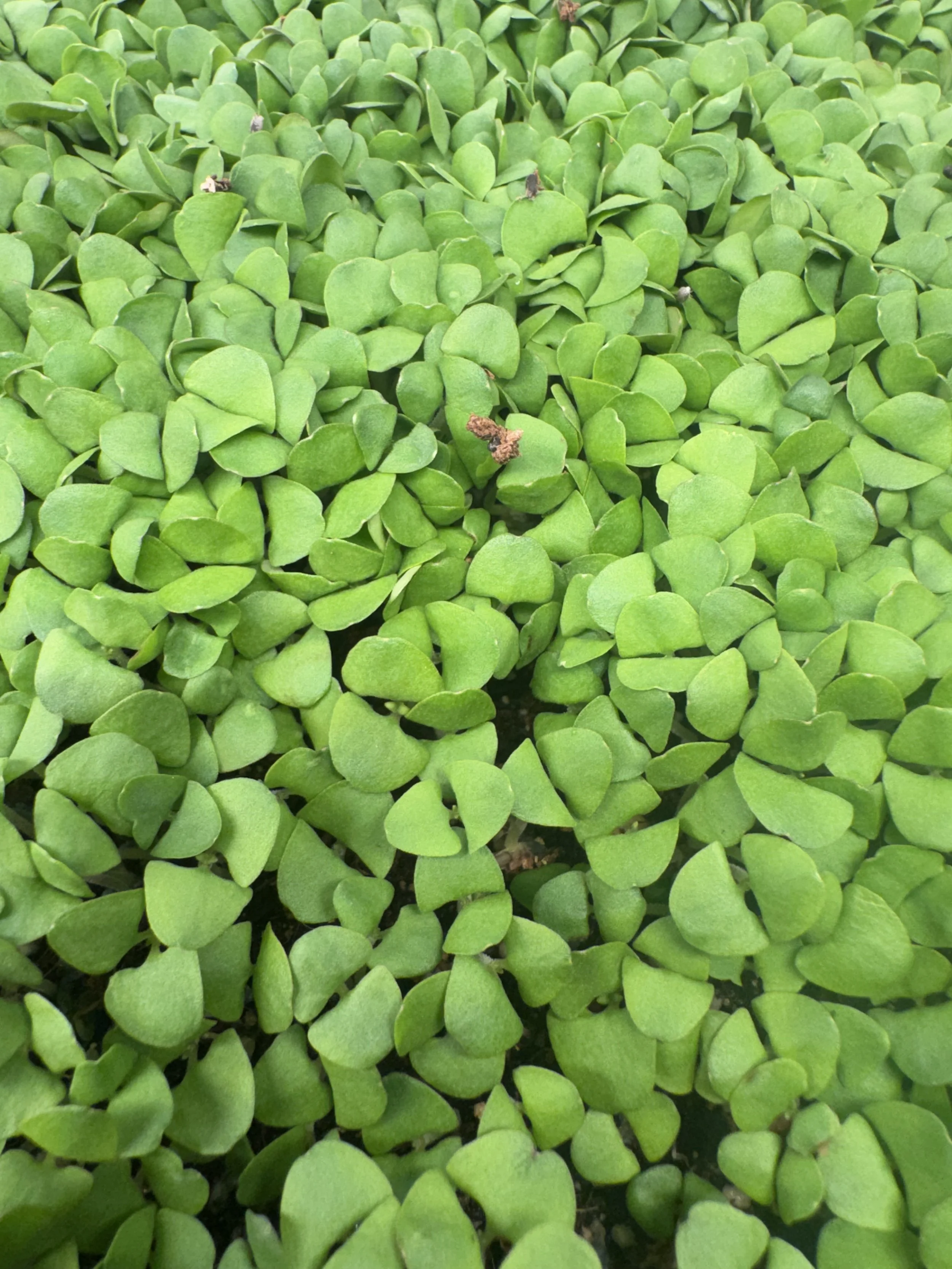
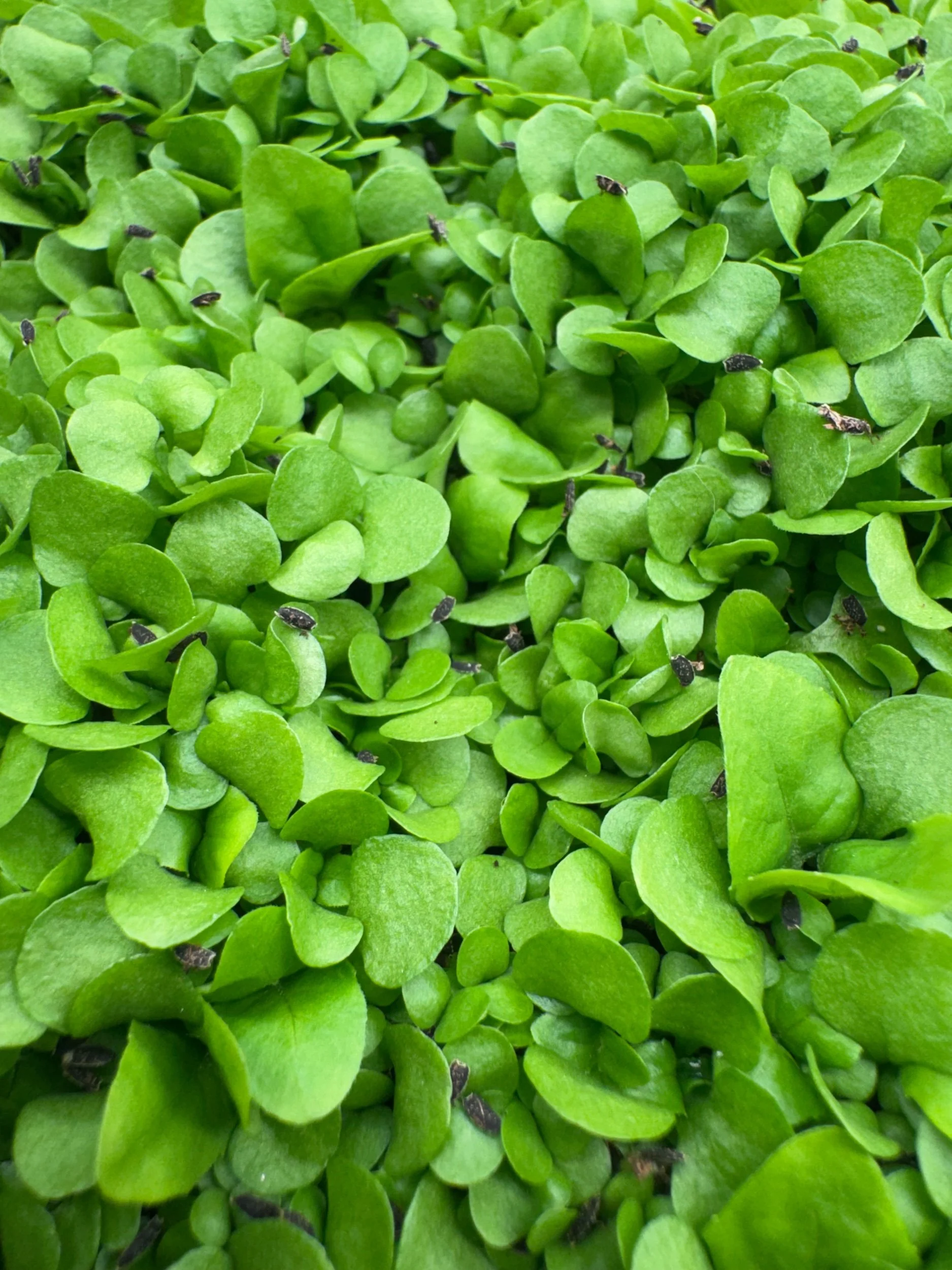
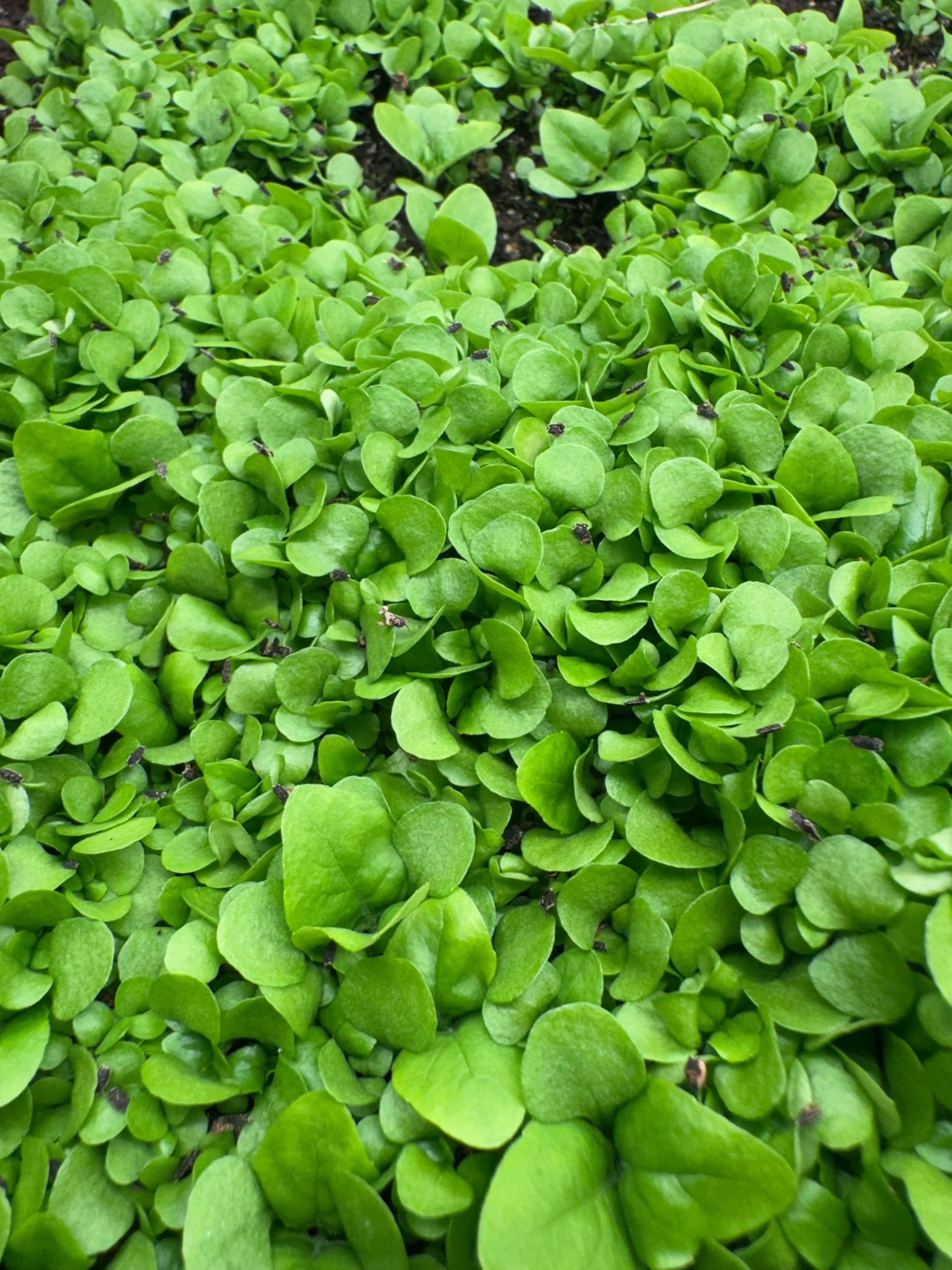
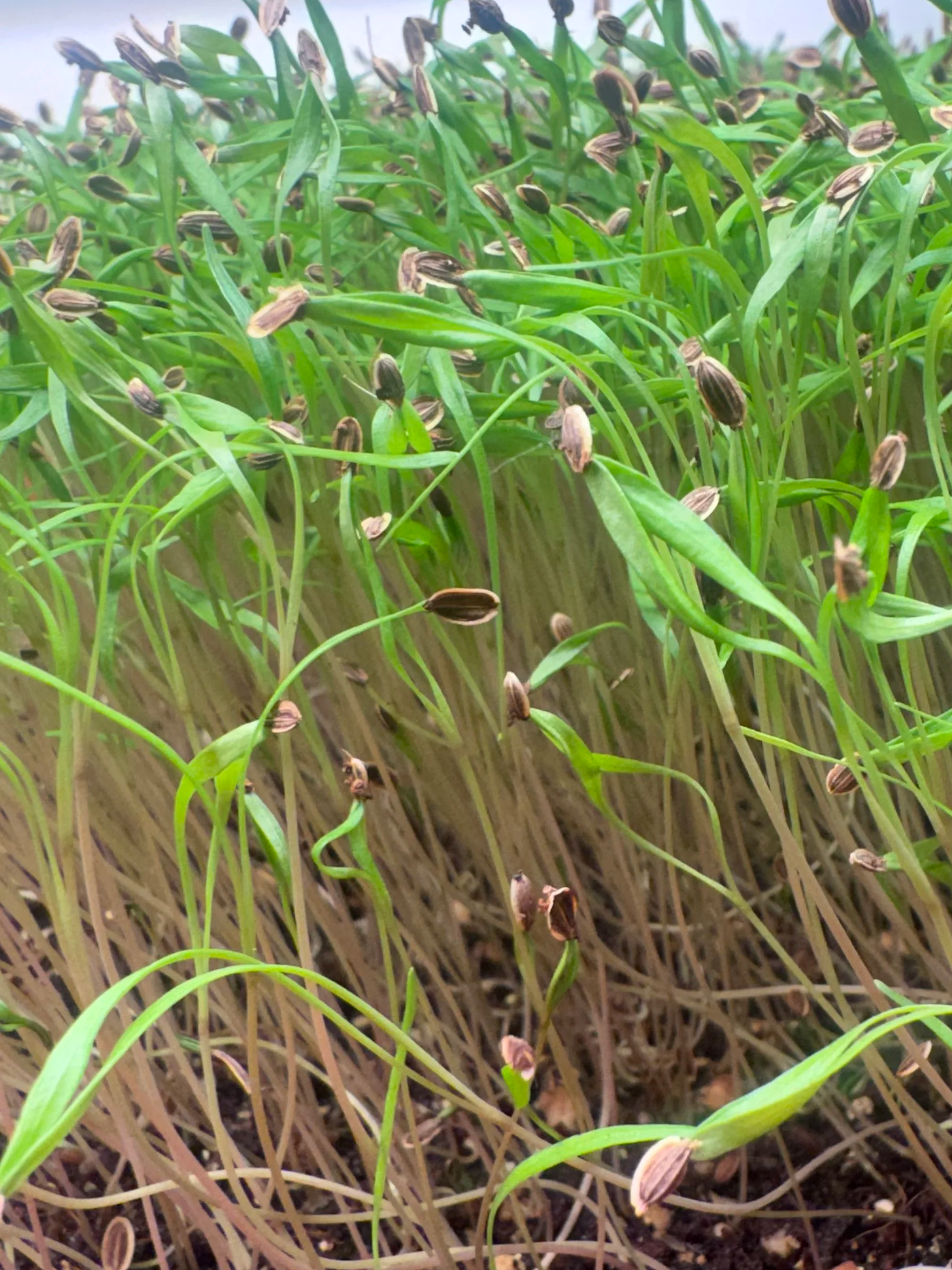
Dill microgreens have a mild, sweet, and tangy flavor similar to mature dill but with a more delicate, citrusy, and herbal note. The flavor is fresh and aromatic, with hints of anise, and can be described as grassy and slightly peppery. They are less pungent than their adult counterparts but provide a concentrated and intense taste that enhances dishes.
Suggested Uses:
ill microgreens are used to add a fresh, slightly zesty flavor to many dishes, including seafood, potatoes, and salads. They can be used as a garnish, added to sandwiches, or incorporated into dressings, dips, and even pesto. They are also a nutrient-dense food, rich in vitamins and minerals.
Garnish: Sprinkle on top of dishes like smoked salmon, potatoes, or eggs to add flavor and visual appeal.
Sandwiches and wraps: Use as a fresh alternative to lettuce to add a unique flavor and texture.
Dressings and dips: Blend into creamy avocado dips or sour cream-based dips for a fresh twist.
Pesto: Incorporate into a pesto for a zesty flavor.
Canned goods: Add to homemade pickles for an enhanced dill flavor.
Soups and stews: Stir into soups and stews just before serving.
Nutrition:*not verified by FDA
Dill microgreens are packed with essential vitamins and minerals, including vitamins A, C, E, and K, and minerals like iron, potassium, magnesium, and zinc. They also contain amino acids, carotene, chlorophyll, and antioxidants that provide various health benefits.
Vitamins: Vitamins A, B, C, E, and K.
Minerals: Iron, potassium, magnesium, phosphorus, and zinc.
Other compounds: Amino acids, carotene, and chlorophyll.
Antioxidants: Rich in antioxidants that help protect cells from damage.
Health Benefits:*not verified by FDA
Vitamins: Dill microgreens are a rich source of vitamins A, C, E, and K, as well as other B vitamins and minerals like iron, zinc, and potassium.
Antioxidants: They are high in antioxidants that help protect cells from damage caused by free radicals and can help reduce inflammation.
Antimicrobial properties: The essential oils in dill have shown antimicrobial benefits.
Digestive health*not verified by FDA
Aids digestion: Dill has been historically used to soothe digestive issues and may help relieve bloating, gas, and indigestion.
Improves motility: The high fiber content in dill can also improve bowel movements.
Other benefits*not verified by FDA
Boosts immunity: The combination of vitamins and antioxidants can help support a healthy immune system.
Supports vision: They contain vitamins like Vitamin A, which is essential for healthy vision.
Disclaimer:Nutritional information and listed Health Benefits have not been evaluated by the Food and Drug Administration. This product is not intended to diagnose, treat, cure, or prevent any disease. The information on this website is for educational purposes only and not intended as medical advice.
History:
Dill has a long history dating back to ancient Egypt around 3000 B.C., where it was used for medicinal purposes and to ward off evil. It was considered a symbol of good luck by the Romans, who fed it to gladiators for valor, and was used in Greek mythology. The name "dill" likely comes from the Norse word "dilla," meaning to soothe, reflecting its traditional use for calming stomach issues and colic.
Flavor Profile:
Dill microgreens have a mild, sweet, and tangy flavor similar to mature dill but with a more delicate, citrusy, and herbal note. The flavor is fresh and aromatic, with hints of anise, and can be described as grassy and slightly peppery. They are less pungent than their adult counterparts but provide a concentrated and intense taste that enhances dishes.
Suggested Uses:
ill microgreens are used to add a fresh, slightly zesty flavor to many dishes, including seafood, potatoes, and salads. They can be used as a garnish, added to sandwiches, or incorporated into dressings, dips, and even pesto. They are also a nutrient-dense food, rich in vitamins and minerals.
Garnish: Sprinkle on top of dishes like smoked salmon, potatoes, or eggs to add flavor and visual appeal.
Sandwiches and wraps: Use as a fresh alternative to lettuce to add a unique flavor and texture.
Dressings and dips: Blend into creamy avocado dips or sour cream-based dips for a fresh twist.
Pesto: Incorporate into a pesto for a zesty flavor.
Canned goods: Add to homemade pickles for an enhanced dill flavor.
Soups and stews: Stir into soups and stews just before serving.
Nutrition:*not verified by FDA
Dill microgreens are packed with essential vitamins and minerals, including vitamins A, C, E, and K, and minerals like iron, potassium, magnesium, and zinc. They also contain amino acids, carotene, chlorophyll, and antioxidants that provide various health benefits.
Vitamins: Vitamins A, B, C, E, and K.
Minerals: Iron, potassium, magnesium, phosphorus, and zinc.
Other compounds: Amino acids, carotene, and chlorophyll.
Antioxidants: Rich in antioxidants that help protect cells from damage.
Health Benefits:*not verified by FDA
Vitamins: Dill microgreens are a rich source of vitamins A, C, E, and K, as well as other B vitamins and minerals like iron, zinc, and potassium.
Antioxidants: They are high in antioxidants that help protect cells from damage caused by free radicals and can help reduce inflammation.
Antimicrobial properties: The essential oils in dill have shown antimicrobial benefits.
Digestive health*not verified by FDA
Aids digestion: Dill has been historically used to soothe digestive issues and may help relieve bloating, gas, and indigestion.
Improves motility: The high fiber content in dill can also improve bowel movements.
Other benefits*not verified by FDA
Boosts immunity: The combination of vitamins and antioxidants can help support a healthy immune system.
Supports vision: They contain vitamins like Vitamin A, which is essential for healthy vision.