 Image 1 of 1
Disclaimer: Nutritional information and listed Health Benefits have not been evaluated by the Food and Drug Administration. This product is not intended to diagnose, treat, cure, or prevent any disease. The information on this website is for educational purposes only and not intended as medical advice.
History:
Cantaloupe likely originated in the Middle East or India and was cultivated by ancient Egyptians and Romans before being introduced to Europe. The name "cantaloupe" comes from Cantalupo, an Italian village near Rome where the fruit was first grown in Europe. It was brought to the Americas by Spanish and Portuguese explorers, with commercial cultivation in the United States growing significantly in the late 19th century.
Cantaloupe seeds were brought to the Americas by Spanish and Portuguese explorers, likely on Christopher Columbus's voyages in the 15th century. The fruit was shared with indigenous populations and became a popular crop in many parts of the Americas.
Flavor Profile:
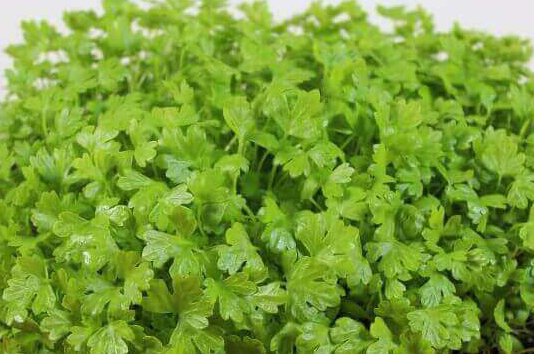
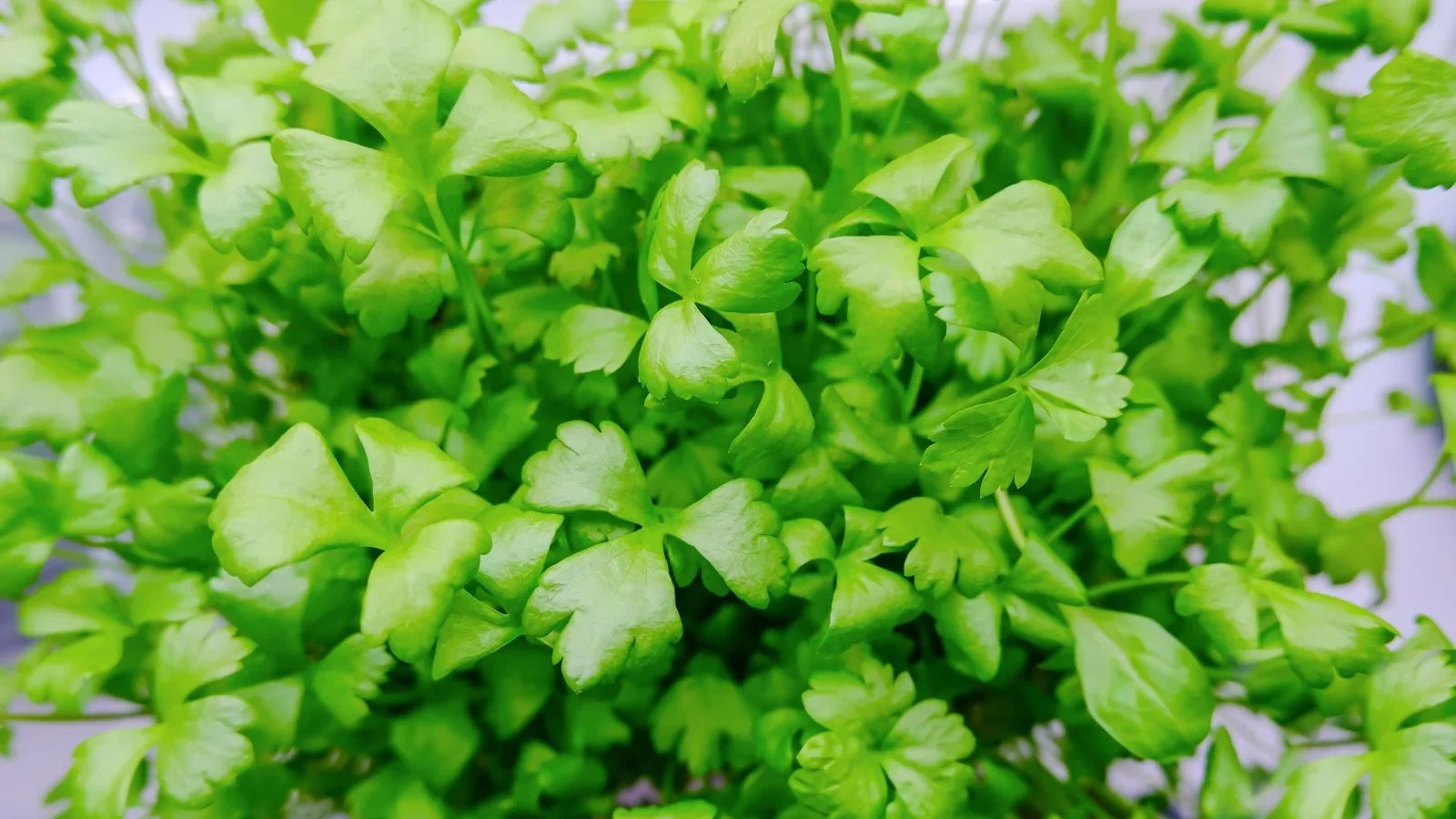
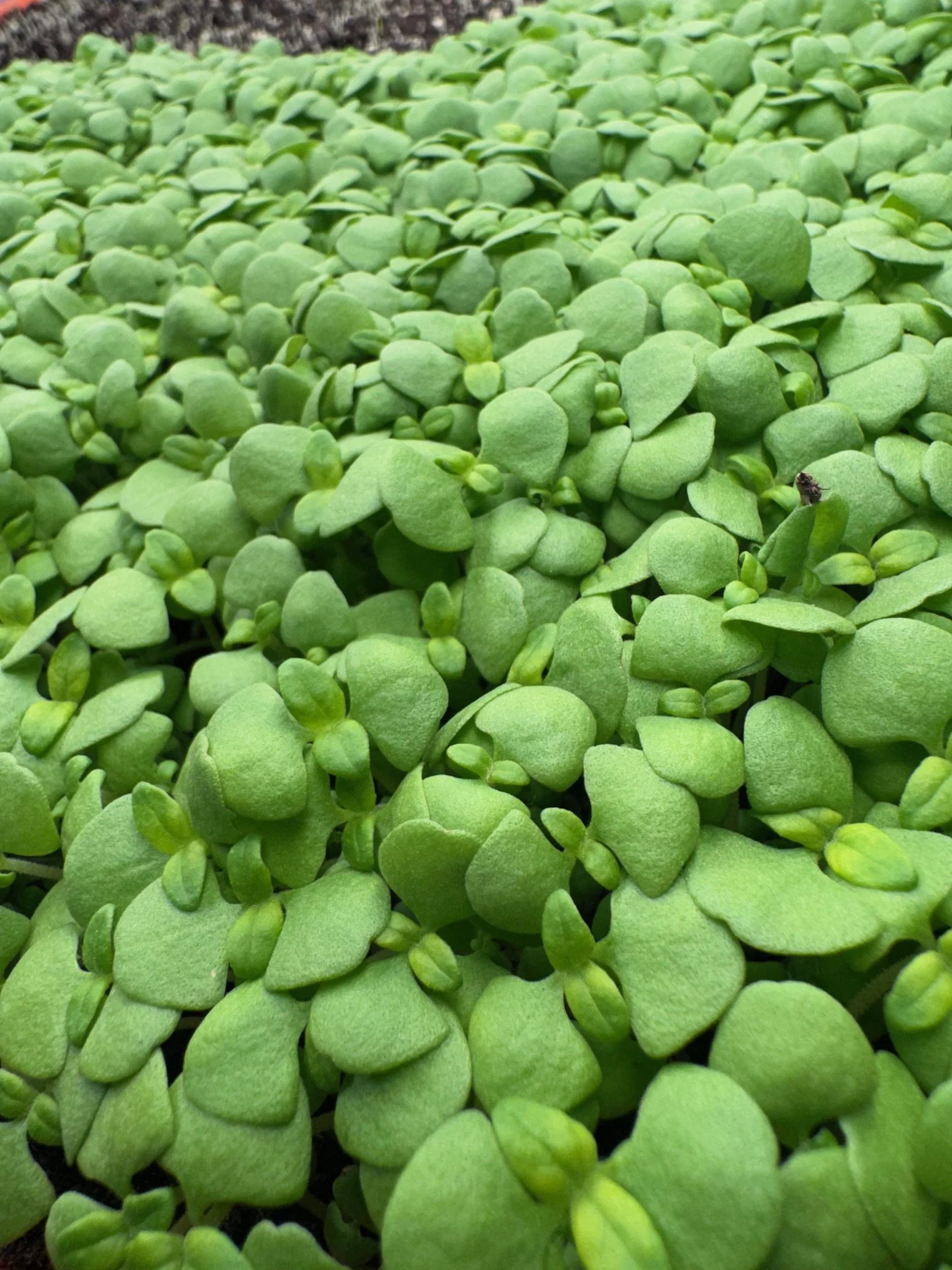
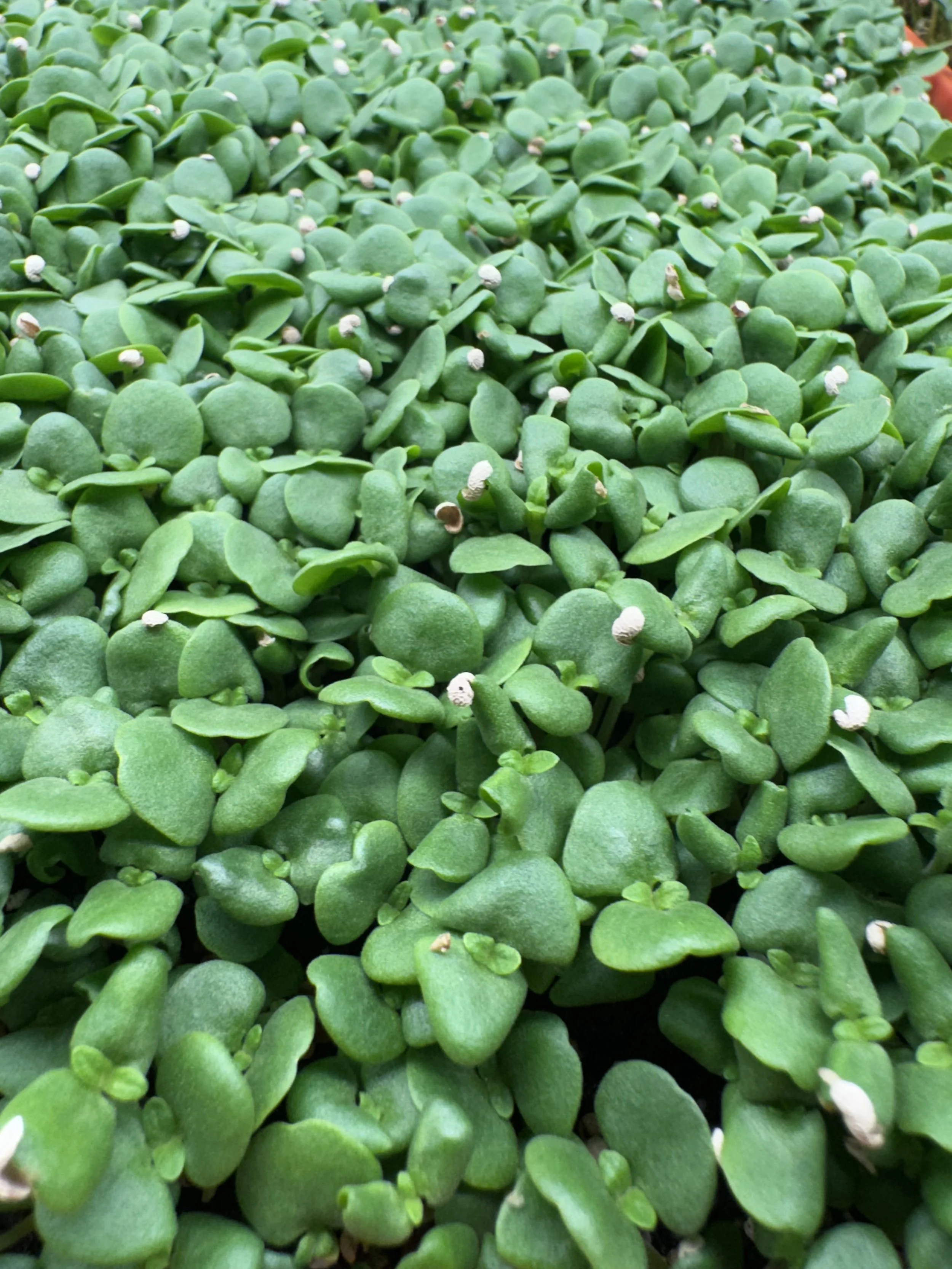
Cantaloupe microgreens have a mild, slightly sweet, and fruity flavor with notes of fresh melon and cucumber. They are light, refreshing, and aromatic, and unlike the fruit, they have a crunchy texture.
Suggested Uses:
Cantaloupe microgreens can be used in a variety of ways, including as a fresh addition to salads, sandwiches, and wraps, as a garnish for both sweet and savory dishes like desserts and cocktails, or blended into smoothies and juices for a sweet, melon-like flavor. Their sweet and subtle taste makes them versatile enough to be added to a wide range of meals.
Nutrition:*not verified by FDA
Cantaloupe microgreens are rich in vitamins A, C, and K, as well as antioxidants and minerals like potassium, folate, and magnesium. They are a nutrient-dense food with benefits for eye health (from beta-carotene), immune support (from vitamin C), and bone health (from vitamin K and calcium). They are also hydrating, contain dietary fiber, and offer a unique, subtle melon flavor.
Vitamins: High in vitamins A, C, and K. Also contain B vitamins like folate and niacin (B3).
Minerals: Excellent source of potassium and contains magnesium, copper, iron, and calcium.
Antioxidants: Rich in antioxidants like beta-carotene, carotenoids, and polyphenols, which help protect cells from damage.
Fiber: Provide dietary fiber, which aids digestion.
Protein: A good source of protein.
Potential Health Benefits:*not verified by FDA
Immune system: Vitamin C helps to boost the immune system and fight off infections.
Eye health: Beta-carotene (provitamin A) supports retina health and vision.
Bone health: Vitamins K and A, along with calcium and magnesium, support strong bones.
Heart health: Potassium helps regulate blood pressure and supports heart function.
Hydration: High water content contributes to hydration.
Cellular health: Folate is critical for DNA synthesis and repair.
Disclaimer: Nutritional information and listed Health Benefits have not been evaluated by the Food and Drug Administration. This product is not intended to diagnose, treat, cure, or prevent any disease. The information on this website is for educational purposes only and not intended as medical advice.
History:
Cantaloupe likely originated in the Middle East or India and was cultivated by ancient Egyptians and Romans before being introduced to Europe. The name "cantaloupe" comes from Cantalupo, an Italian village near Rome where the fruit was first grown in Europe. It was brought to the Americas by Spanish and Portuguese explorers, with commercial cultivation in the United States growing significantly in the late 19th century.
Cantaloupe seeds were brought to the Americas by Spanish and Portuguese explorers, likely on Christopher Columbus's voyages in the 15th century. The fruit was shared with indigenous populations and became a popular crop in many parts of the Americas.
Flavor Profile:
Cantaloupe microgreens have a mild, slightly sweet, and fruity flavor with notes of fresh melon and cucumber. They are light, refreshing, and aromatic, and unlike the fruit, they have a crunchy texture.
Suggested Uses:
Cantaloupe microgreens can be used in a variety of ways, including as a fresh addition to salads, sandwiches, and wraps, as a garnish for both sweet and savory dishes like desserts and cocktails, or blended into smoothies and juices for a sweet, melon-like flavor. Their sweet and subtle taste makes them versatile enough to be added to a wide range of meals.
Nutrition:*not verified by FDA
Cantaloupe microgreens are rich in vitamins A, C, and K, as well as antioxidants and minerals like potassium, folate, and magnesium. They are a nutrient-dense food with benefits for eye health (from beta-carotene), immune support (from vitamin C), and bone health (from vitamin K and calcium). They are also hydrating, contain dietary fiber, and offer a unique, subtle melon flavor.
Vitamins: High in vitamins A, C, and K. Also contain B vitamins like folate and niacin (B3).
Minerals: Excellent source of potassium and contains magnesium, copper, iron, and calcium.
Antioxidants: Rich in antioxidants like beta-carotene, carotenoids, and polyphenols, which help protect cells from damage.
Fiber: Provide dietary fiber, which aids digestion.
Protein: A good source of protein.
Potential Health Benefits:*not verified by FDA
Immune system: Vitamin C helps to boost the immune system and fight off infections.
Eye health: Beta-carotene (provitamin A) supports retina health and vision.
Bone health: Vitamins K and A, along with calcium and magnesium, support strong bones.
Heart health: Potassium helps regulate blood pressure and supports heart function.
Hydration: High water content contributes to hydration.
Cellular health: Folate is critical for DNA synthesis and repair.