 Image 1 of 1
Disclaimer: Nutritional information and listed Health Benefits have not been evaluated by the Food and Drug Administration. This product is not intended to diagnose, treat, cure, or prevent any disease. The information on this website is for educational purposes only and not intended as medical advice.
History:
Lemon Basil believed to be native to Southeast Asia and Africa, was introduced to North America in the 17th century. It is a part of a long history of sweet basil that dates back over 4000 years to ancient India, Africa and Asia. Basil was used for culinary, medicinal, and religious purposes in ancient times. It was even used to ward off evil spirits in the Middle Ages in Europe!
Flavor Profile:
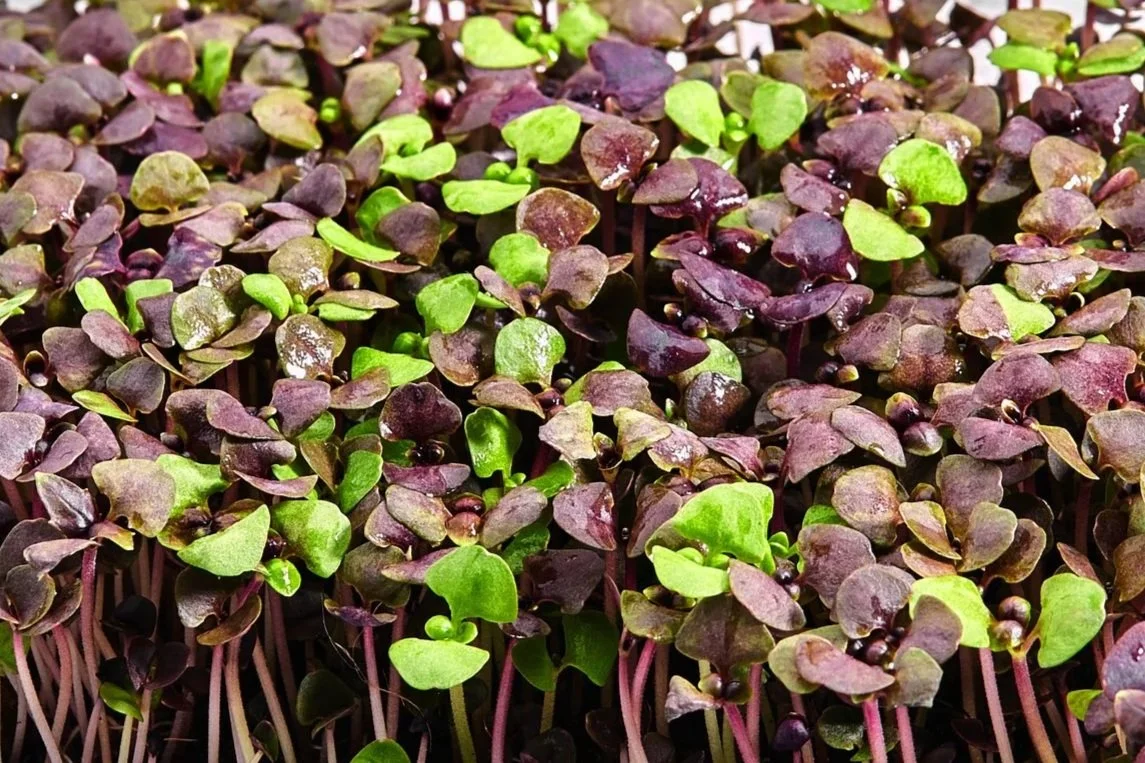
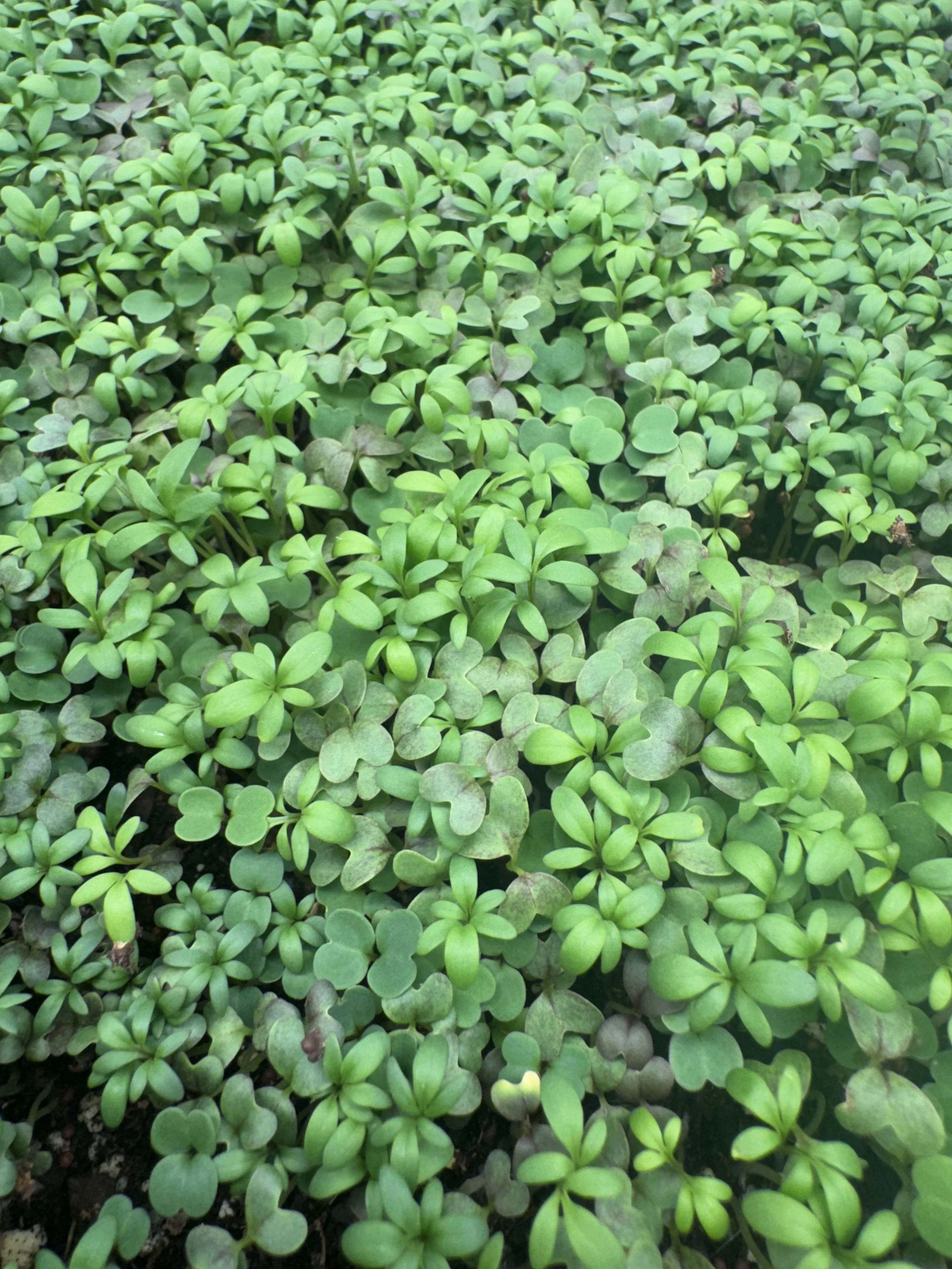
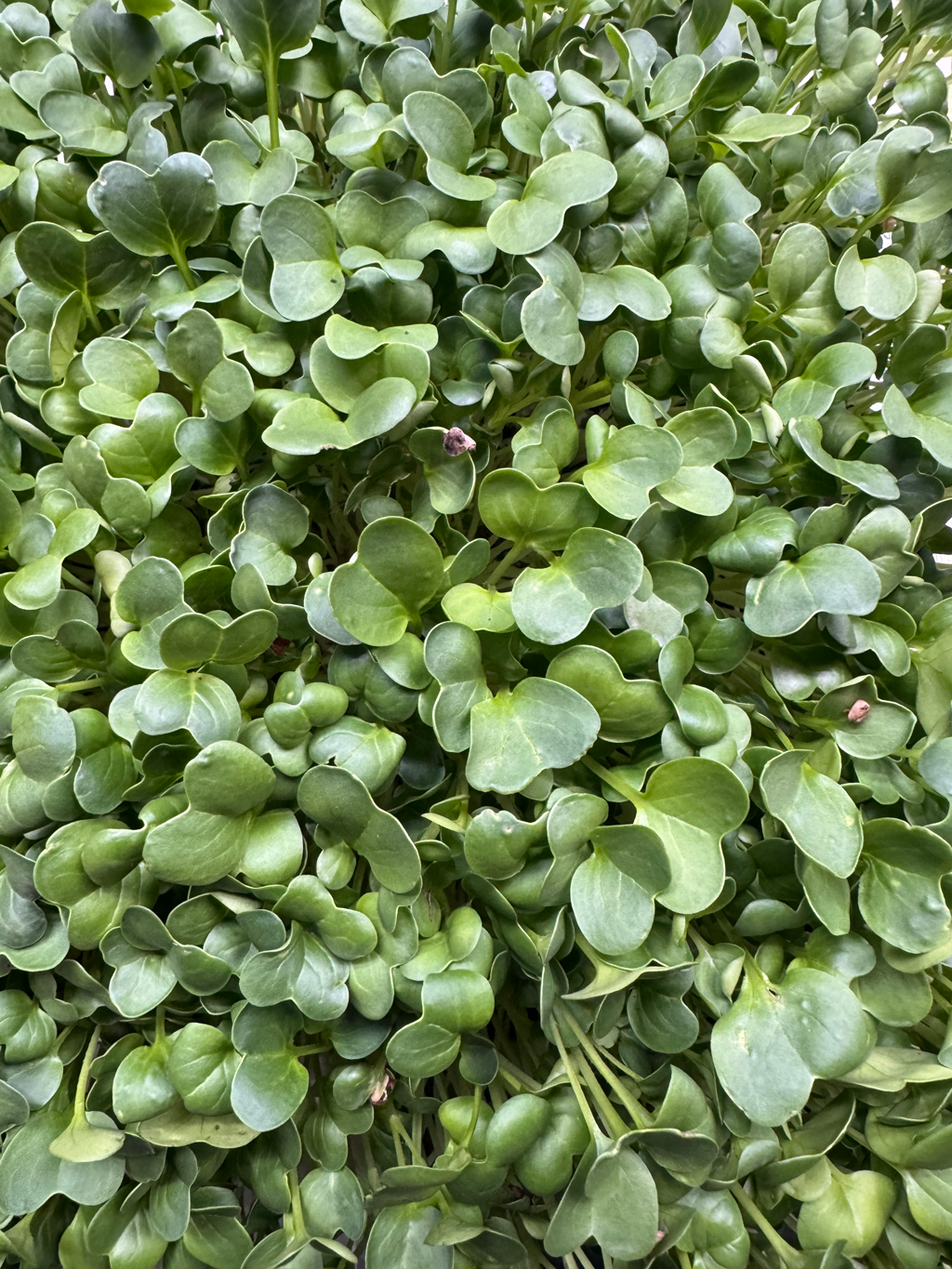
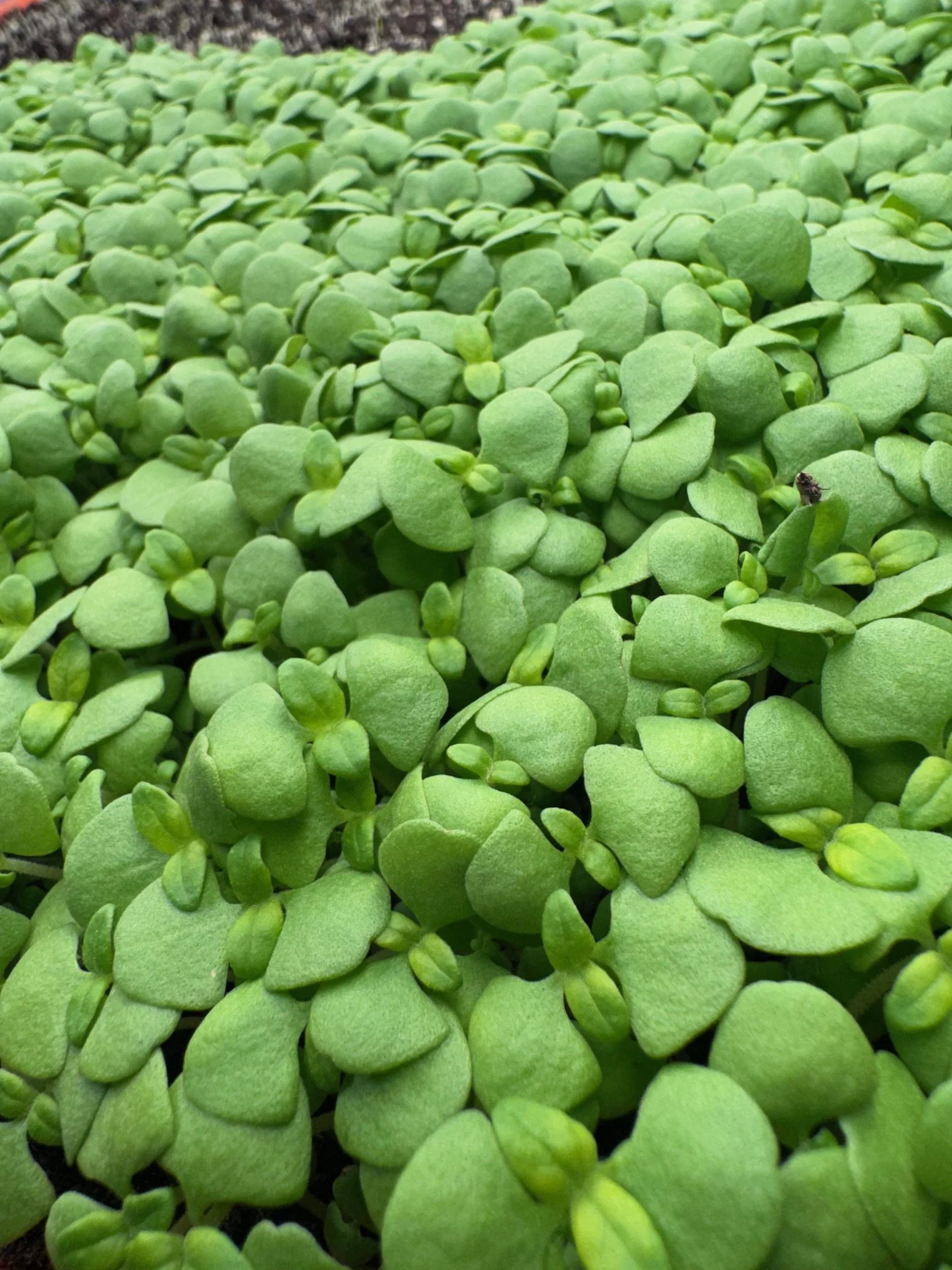
Lemon basil microgreens have a refreshing citrusy scent and taste.
Suggested Uses:
Best used fresh and can be incorporated into salads, sandwiches, tacos, soups, pasta, smoothies, and even desserts and cocktails. They pair well with seafood, chicken, tomatoes, and many fruits like strawberries and peaches. Lemon basil is famous for making infused oils, teas, and lemonade. It can also be used as a garish on savory or sweet dishes.
Nutrition:*not verified by FDA
In general, the nutrients found in basil microgreens include various vitamins, minerals, and antioxidants. Here are some of the nutrients present in basil microgreens:
Vitamin C: Basil microgreens are rich in Vitamin C, which is essential for developing and repairing all body tissues. They contribute to various bodily functions such as collagen production, iron absorption, immunity, wound healing, and maintenance of cartilage, bones, and teeth.
Vitamin K1: They are also a good source of Vitamin K1, primarily involved in blood clotting but also contribute to bone health.
Vitamin E: Basil microgreens contain Vitamin E, a fat-soluble antioxidant that protects your cells from oxidative damage.
Beta-Carotene: They’re high in beta-carotene, which is converted to Vitamin A by the body. Good vision, a robust immune system, and good skin and mucous membranes are all necessary for vitamin A.
Lutein and Zeaxanthin: These two types of carotenoids play an essential role in your eye health.
Polyphenols: Basil microgreens are rich in polyphenols, which are compounds with antioxidant properties. They help to protect your cells against the harmful effects of free radicals.
Minerals: They contain essential minerals like calcium, iron, magnesium, phosphorus, potassium, and zinc.
Potential Health Benefits:*not verified by FDA
Medicinally, basil is used to aid digestion, alleviate coughs and colds, and even reduce stress and anxiety.
In addition, basil may treat general pain and digestive disturbances in many ways, including as an anti-inflammatory agent. It’s an antimicrobial, which can help heal wounds and infections. The active substance in basil, cinnamic acid, may help with circulation, respiration, and blood sugar.
In its microgreen form, basil retains these medicinal properties. It packs an even denser nutritional punch, making it a valuable addition to any diet.
Disclaimer: Nutritional information and listed Health Benefits have not been evaluated by the Food and Drug Administration. This product is not intended to diagnose, treat, cure, or prevent any disease. The information on this website is for educational purposes only and not intended as medical advice.
History:
Lemon Basil believed to be native to Southeast Asia and Africa, was introduced to North America in the 17th century. It is a part of a long history of sweet basil that dates back over 4000 years to ancient India, Africa and Asia. Basil was used for culinary, medicinal, and religious purposes in ancient times. It was even used to ward off evil spirits in the Middle Ages in Europe!
Flavor Profile:
Lemon basil microgreens have a refreshing citrusy scent and taste.
Suggested Uses:
Best used fresh and can be incorporated into salads, sandwiches, tacos, soups, pasta, smoothies, and even desserts and cocktails. They pair well with seafood, chicken, tomatoes, and many fruits like strawberries and peaches. Lemon basil is famous for making infused oils, teas, and lemonade. It can also be used as a garish on savory or sweet dishes.
Nutrition:*not verified by FDA
In general, the nutrients found in basil microgreens include various vitamins, minerals, and antioxidants. Here are some of the nutrients present in basil microgreens:
Vitamin C: Basil microgreens are rich in Vitamin C, which is essential for developing and repairing all body tissues. They contribute to various bodily functions such as collagen production, iron absorption, immunity, wound healing, and maintenance of cartilage, bones, and teeth.
Vitamin K1: They are also a good source of Vitamin K1, primarily involved in blood clotting but also contribute to bone health.
Vitamin E: Basil microgreens contain Vitamin E, a fat-soluble antioxidant that protects your cells from oxidative damage.
Beta-Carotene: They’re high in beta-carotene, which is converted to Vitamin A by the body. Good vision, a robust immune system, and good skin and mucous membranes are all necessary for vitamin A.
Lutein and Zeaxanthin: These two types of carotenoids play an essential role in your eye health.
Polyphenols: Basil microgreens are rich in polyphenols, which are compounds with antioxidant properties. They help to protect your cells against the harmful effects of free radicals.
Minerals: They contain essential minerals like calcium, iron, magnesium, phosphorus, potassium, and zinc.
Potential Health Benefits:*not verified by FDA
Medicinally, basil is used to aid digestion, alleviate coughs and colds, and even reduce stress and anxiety.
In addition, basil may treat general pain and digestive disturbances in many ways, including as an anti-inflammatory agent. It’s an antimicrobial, which can help heal wounds and infections. The active substance in basil, cinnamic acid, may help with circulation, respiration, and blood sugar.
In its microgreen form, basil retains these medicinal properties. It packs an even denser nutritional punch, making it a valuable addition to any diet.