 Image 1 of 2
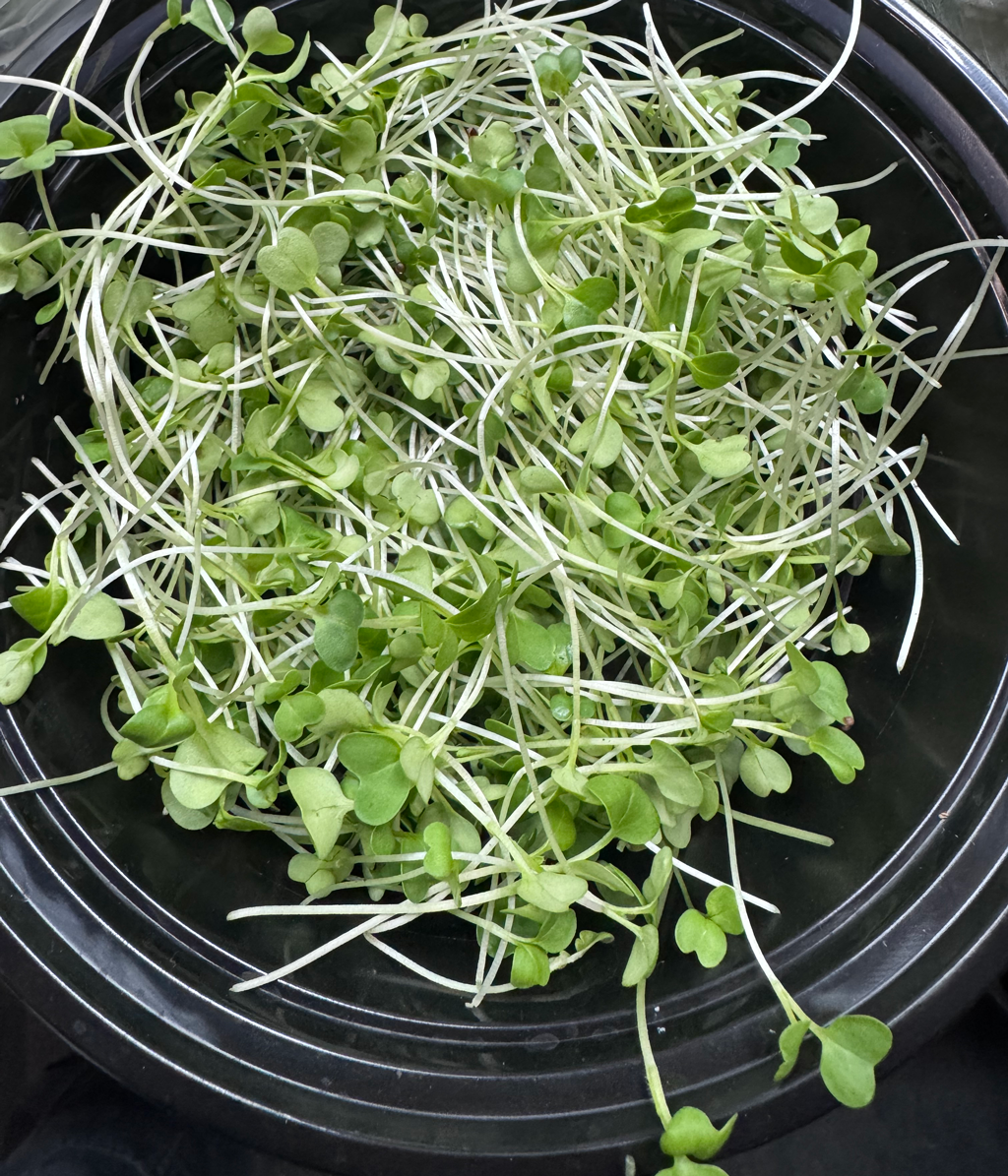 Image 2 of 2
Disclaimer: Nutritional information and listed Health Benefits have not been evaluated by the Food and Drug Administration. This product is not intended to diagnose, treat, cure, or prevent any disease. The information on this website is for educational purposes only and not intended as medical advice.
History:
Turnip microgreens, derived from the ancient Brassica rapa species domesticated thousands of years ago in Europe and Asia, emerged as a modern culinary staple in the 1980s-1990s. Initially popular in California high-end restaurants as a garnish, they evolved from traditional greens into nutrient-dense,, intense-flavored, young seedlings.
Flavor Profile:
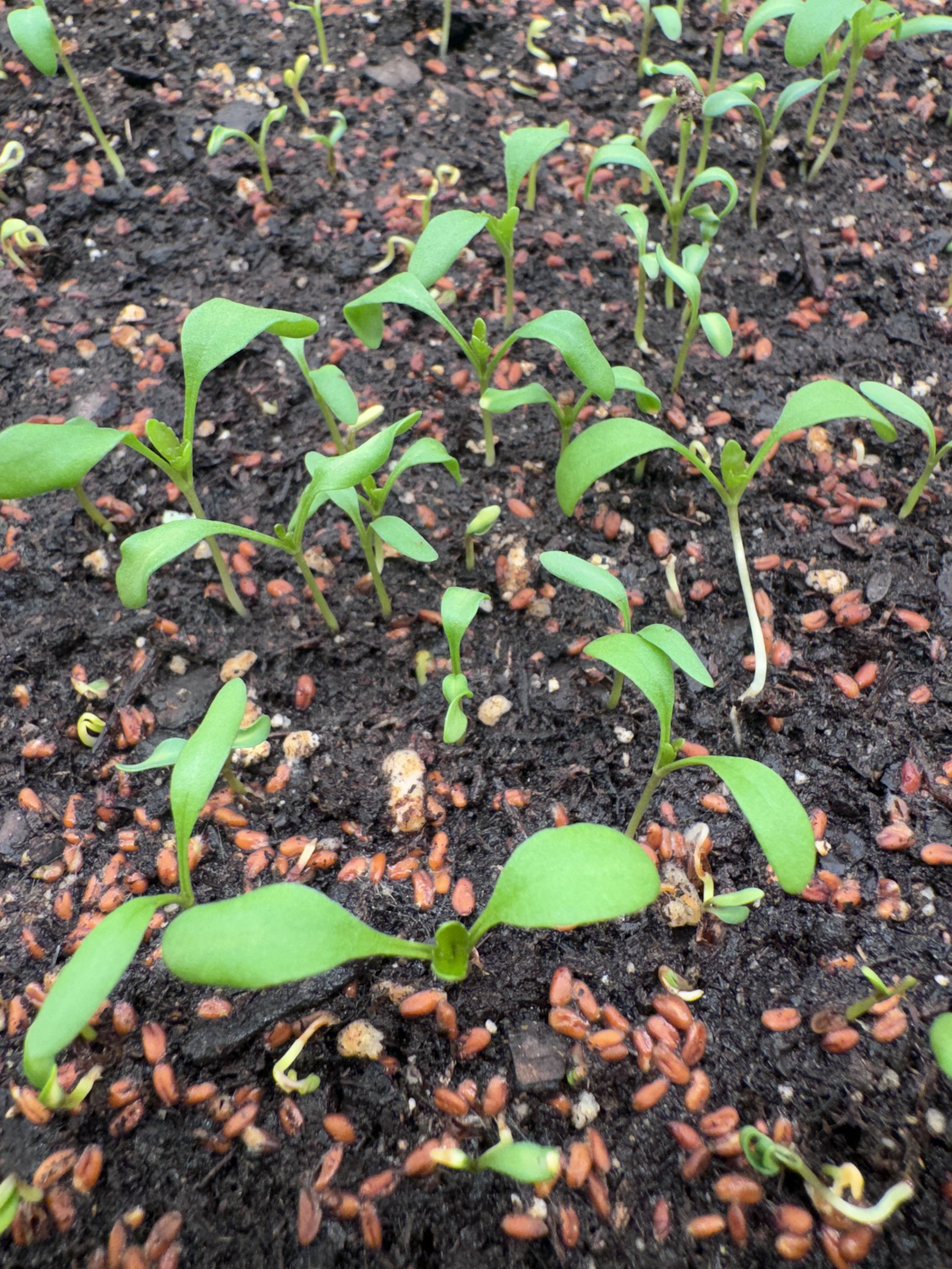
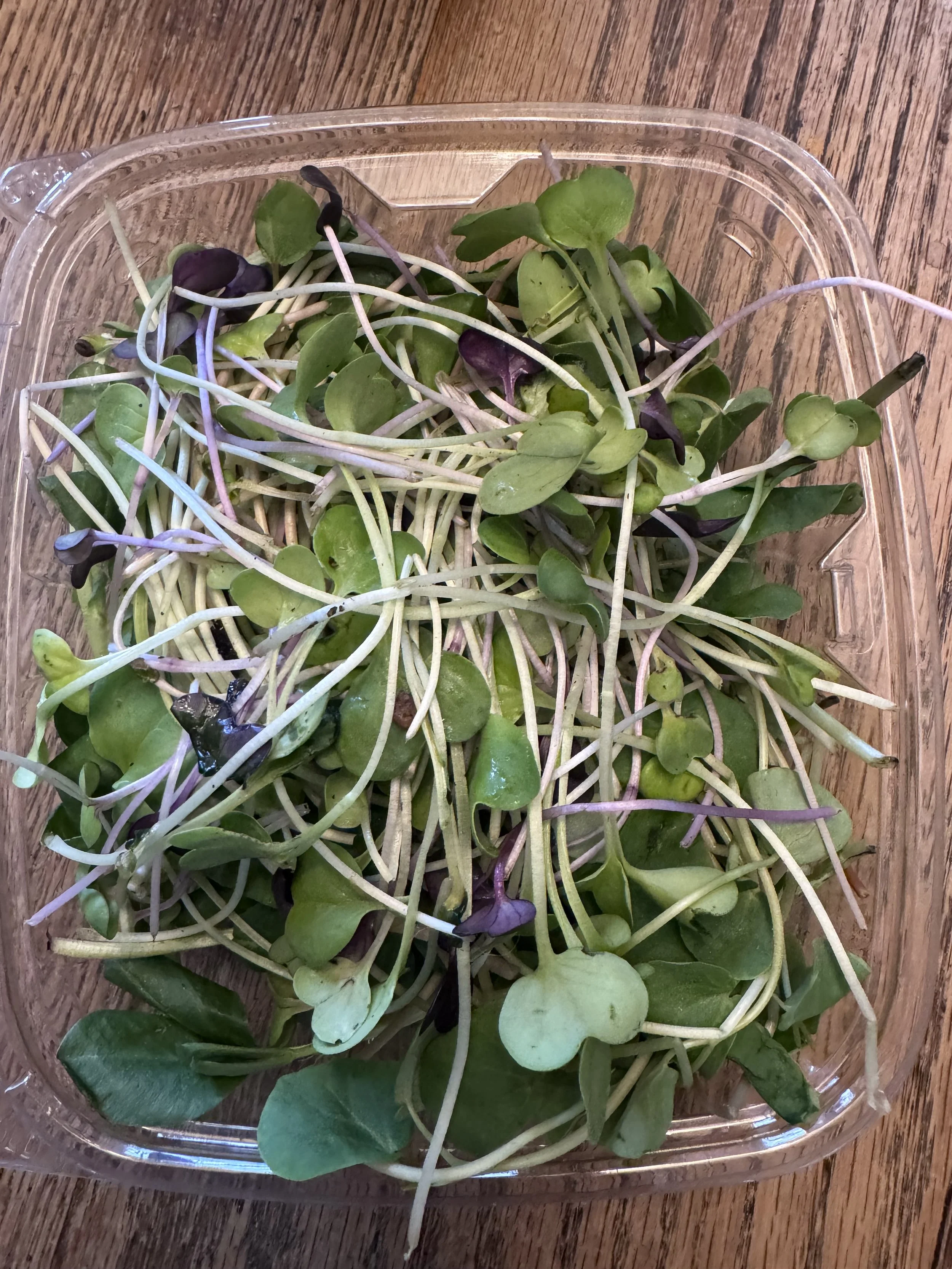
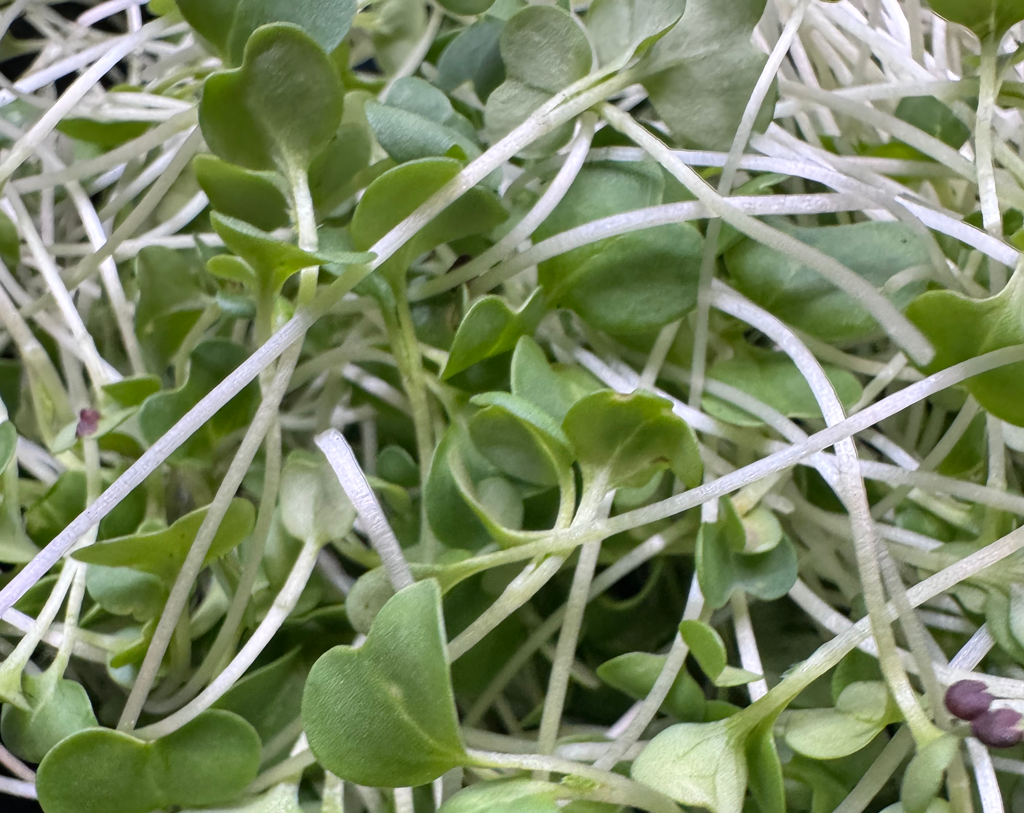
Distinctively zesty, slightly spicy, and mildly sweet flavor, often described as a mix between mild mustard, radish, and cabbage. These crisp, tender, heart-shaped greens have a fresh, peppery bite with subtle earthy undertones.
Suggested Uses:
Turnip microgreens are primarily used raw to add a fresh, crisp texture and vibrant look to salads, sandwiches, wraps, and avocado toast. They also serve as a flavorful, nutritious garnish for soups, pizzas, and omelets.
Salads & Mixes: Serve as a zesty salad base or mix with other greens for added crunch and flavor.
Sandwiches & Wraps: A perfect nutrient-dense alternative to lettuce, adding a peppery kick to burgers, pitas, and wraps.
Garnish for Warm Dishes: Sprinkle on top of soups, pasta, stir-fries, and roasted vegetables just before serving to maintain their raw texture.
Breakfast Boosters: Add to omelets, scrambles, or on top of avocado toast.
Smoothies & Juices: Blend into smoothies to boost nutritional value (vitamins A, C, E, K, minerals) without overpowering the taste.
Creative Culinary: Use as a, sushi topping, or blend into homemade pesto.
For Pets: *(always consult a vet before adding microgreens to your pet’s diet)
Bearded Dragons: Turnip microgreens are safe and nutritious for bearded dragons, providing essential vitamins (A, C, K) and calcium. They make an excellent, nutrient-dense addition to a varied salad, offering a peppery taste many dragons enjoy.
Cats: Turnip microgreens are generally safe and nutritious for cats in small, infrequent amounts, offering vitamins A, C, and K. While safe, they should be treated as a treat or occasional addition to their diet rather than a staple.
Dogs: turnip microgreens are safe for dogs to eat in moderation and can be a nutritious, vitamin-packed addition to their diet. They offer vitamins A, C, and K, as well as fiber and antioxidants. However, they should be introduced slowly and kept to small amounts, as with any new food.
Guinea Pigs: Turnip microgreens are safe for guinea pigs in moderation, offering a nutrient-dense treat high in vitamin C. However, because they are high in calcium and oxalates, they should only be fed 1-2 times per week to avoid bladder stones and sludge.
Rabbits: Turnip microgreens are safe for rabbits to eat and are highly nutritious. They are packed with essential vitamins and fiber, making them an excellent nutrient-dense snack. However, because they are concentrated, they should be fed in moderation, primarily as a varied part of a diet based on leafy greens and hay.
Nutrition:*not verified by FDA
Turnip microgreens are a nutritional powerhouse, often containing up to 10 times the nutrient density of mature turnips. They are particularly rich in vitamins and minerals that support bone health, immune function, and cellular repair.
Vitamin K: Essential for blood clotting and maintaining high bone mineral density.
Vitamin A (Beta-carotene): Crucial for eye health, skin maintenance, and immune resilience.
Vitamin C: A potent antioxidant that aids in collagen production and iron absorption.
Folate (Vitamin B9): Supports cell division and heart health by regulating homocysteine levels.
Potential Health Benefits:*not verified by FDA
Turnip microgreens offer intense antioxidant properties, supporting immune health, skin health, reduced inflammation, and better digestion.
Immune System Boost: High in Vitamin C, they strengthen immunity, while antioxidants combat oxidative stress.
Heart Health & Blood Pressure: Turnip microgreens contain nitrates, which convert to nitric oxide, helping to relax blood vessels and lower blood pressure. They also provide potassium, supporting overall cardiovascular health.
Enhanced Nutrient Density: They contain significantly higher concentrations of vitamins and minerals compared to mature turnip greens.
Eye and Skin Health: Rich in Vitamin A and lutein, they support vision health and protect against macular degeneration.
Bone Health: They provide Vitamin K, which is essential for bone mineral density and strength.
Detoxification: As a Brassica, they contain compounds that help the body remove toxins and heavy metals.
Anti-Cancer Properties: They contain glucosinolates and phenolic compounds that help fight oxidative stress, reducing the risk of chronic diseases.
Disclaimer: Nutritional information and listed Health Benefits have not been evaluated by the Food and Drug Administration. This product is not intended to diagnose, treat, cure, or prevent any disease. The information on this website is for educational purposes only and not intended as medical advice.
History:
Turnip microgreens, derived from the ancient Brassica rapa species domesticated thousands of years ago in Europe and Asia, emerged as a modern culinary staple in the 1980s-1990s. Initially popular in California high-end restaurants as a garnish, they evolved from traditional greens into nutrient-dense,, intense-flavored, young seedlings.
Flavor Profile:
Distinctively zesty, slightly spicy, and mildly sweet flavor, often described as a mix between mild mustard, radish, and cabbage. These crisp, tender, heart-shaped greens have a fresh, peppery bite with subtle earthy undertones.
Suggested Uses:
Turnip microgreens are primarily used raw to add a fresh, crisp texture and vibrant look to salads, sandwiches, wraps, and avocado toast. They also serve as a flavorful, nutritious garnish for soups, pizzas, and omelets.
Salads & Mixes: Serve as a zesty salad base or mix with other greens for added crunch and flavor.
Sandwiches & Wraps: A perfect nutrient-dense alternative to lettuce, adding a peppery kick to burgers, pitas, and wraps.
Garnish for Warm Dishes: Sprinkle on top of soups, pasta, stir-fries, and roasted vegetables just before serving to maintain their raw texture.
Breakfast Boosters: Add to omelets, scrambles, or on top of avocado toast.
Smoothies & Juices: Blend into smoothies to boost nutritional value (vitamins A, C, E, K, minerals) without overpowering the taste.
Creative Culinary: Use as a, sushi topping, or blend into homemade pesto.
For Pets: *(always consult a vet before adding microgreens to your pet’s diet)
Bearded Dragons: Turnip microgreens are safe and nutritious for bearded dragons, providing essential vitamins (A, C, K) and calcium. They make an excellent, nutrient-dense addition to a varied salad, offering a peppery taste many dragons enjoy.
Cats: Turnip microgreens are generally safe and nutritious for cats in small, infrequent amounts, offering vitamins A, C, and K. While safe, they should be treated as a treat or occasional addition to their diet rather than a staple.
Dogs: turnip microgreens are safe for dogs to eat in moderation and can be a nutritious, vitamin-packed addition to their diet. They offer vitamins A, C, and K, as well as fiber and antioxidants. However, they should be introduced slowly and kept to small amounts, as with any new food.
Guinea Pigs: Turnip microgreens are safe for guinea pigs in moderation, offering a nutrient-dense treat high in vitamin C. However, because they are high in calcium and oxalates, they should only be fed 1-2 times per week to avoid bladder stones and sludge.
Rabbits: Turnip microgreens are safe for rabbits to eat and are highly nutritious. They are packed with essential vitamins and fiber, making them an excellent nutrient-dense snack. However, because they are concentrated, they should be fed in moderation, primarily as a varied part of a diet based on leafy greens and hay.
Nutrition:*not verified by FDA
Turnip microgreens are a nutritional powerhouse, often containing up to 10 times the nutrient density of mature turnips. They are particularly rich in vitamins and minerals that support bone health, immune function, and cellular repair.
Vitamin K: Essential for blood clotting and maintaining high bone mineral density.
Vitamin A (Beta-carotene): Crucial for eye health, skin maintenance, and immune resilience.
Vitamin C: A potent antioxidant that aids in collagen production and iron absorption.
Folate (Vitamin B9): Supports cell division and heart health by regulating homocysteine levels.
Potential Health Benefits:*not verified by FDA
Turnip microgreens offer intense antioxidant properties, supporting immune health, skin health, reduced inflammation, and better digestion.
Immune System Boost: High in Vitamin C, they strengthen immunity, while antioxidants combat oxidative stress.
Heart Health & Blood Pressure: Turnip microgreens contain nitrates, which convert to nitric oxide, helping to relax blood vessels and lower blood pressure. They also provide potassium, supporting overall cardiovascular health.
Enhanced Nutrient Density: They contain significantly higher concentrations of vitamins and minerals compared to mature turnip greens.
Eye and Skin Health: Rich in Vitamin A and lutein, they support vision health and protect against macular degeneration.
Bone Health: They provide Vitamin K, which is essential for bone mineral density and strength.
Detoxification: As a Brassica, they contain compounds that help the body remove toxins and heavy metals.
Anti-Cancer Properties: They contain glucosinolates and phenolic compounds that help fight oxidative stress, reducing the risk of chronic diseases.