 Image 1 of 2
 Image 2 of 2
Disclaimer:Nutritional information and listed Health Benefits have not been evaluated by the Food and Drug Administration. This product is not intended to diagnose, treat, cure, or prevent any disease. The information on this website is for educational purposes only and not intended as medical advice.
History:
Spicy brown mustard evolved from ancient Roman "burning must" and European medieval recipes, becoming distinct in 19th-century America, especially with German immigrants adapting traditions using coarse-ground brown seeds for robust flavor, popularized by brands like Gulden's (originally a pharmacy digestive aid) and regional "ballpark" mustards (Bertman's/Stadium in Cleveland) that became deli and stadium staples. Its coarse texture and potent flavor come from partially ground brown seeds, differentiating it from yellow mustard and pairing perfectly with hearty meats and sandwiches.
Flavor Profile:
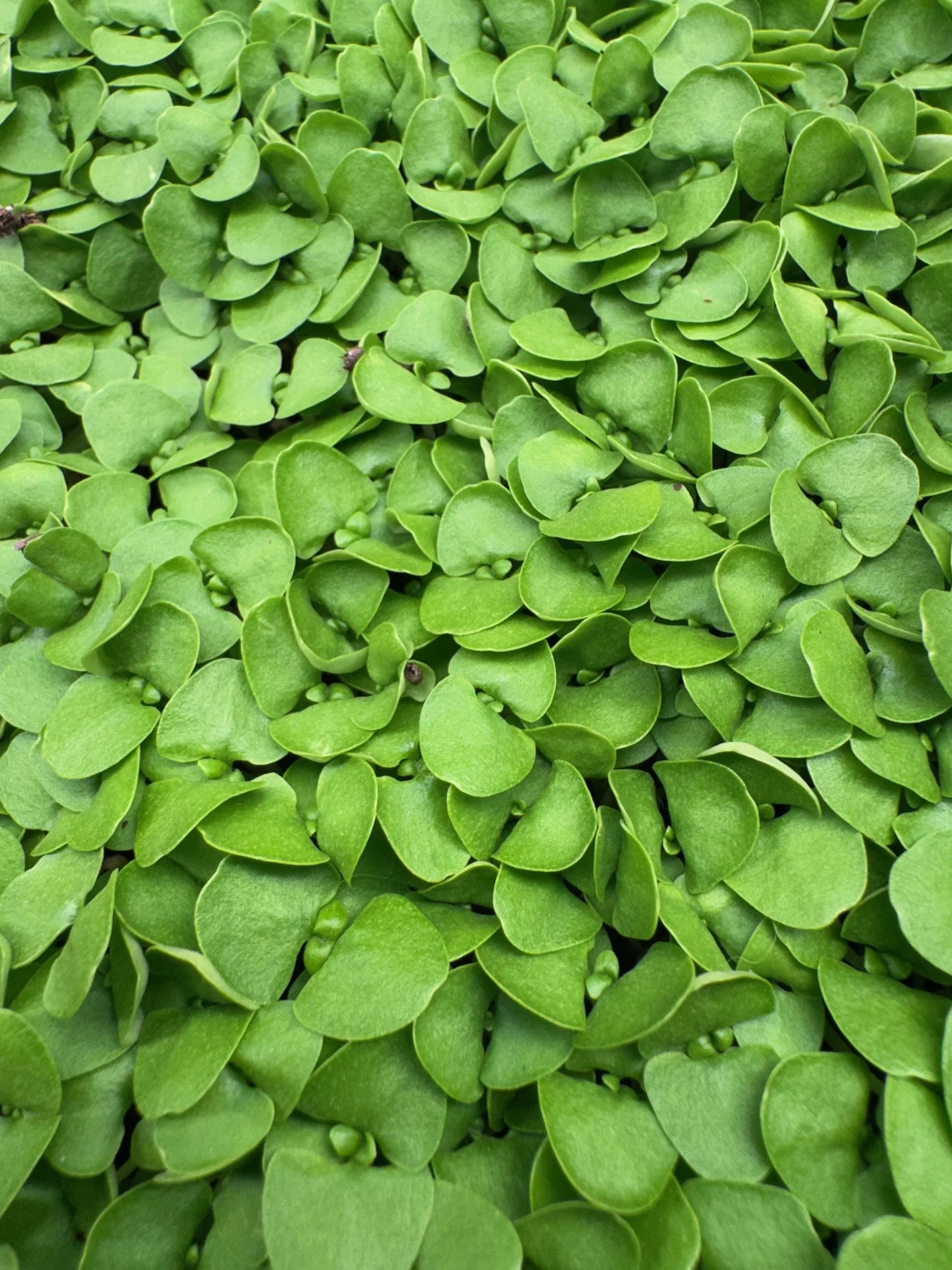
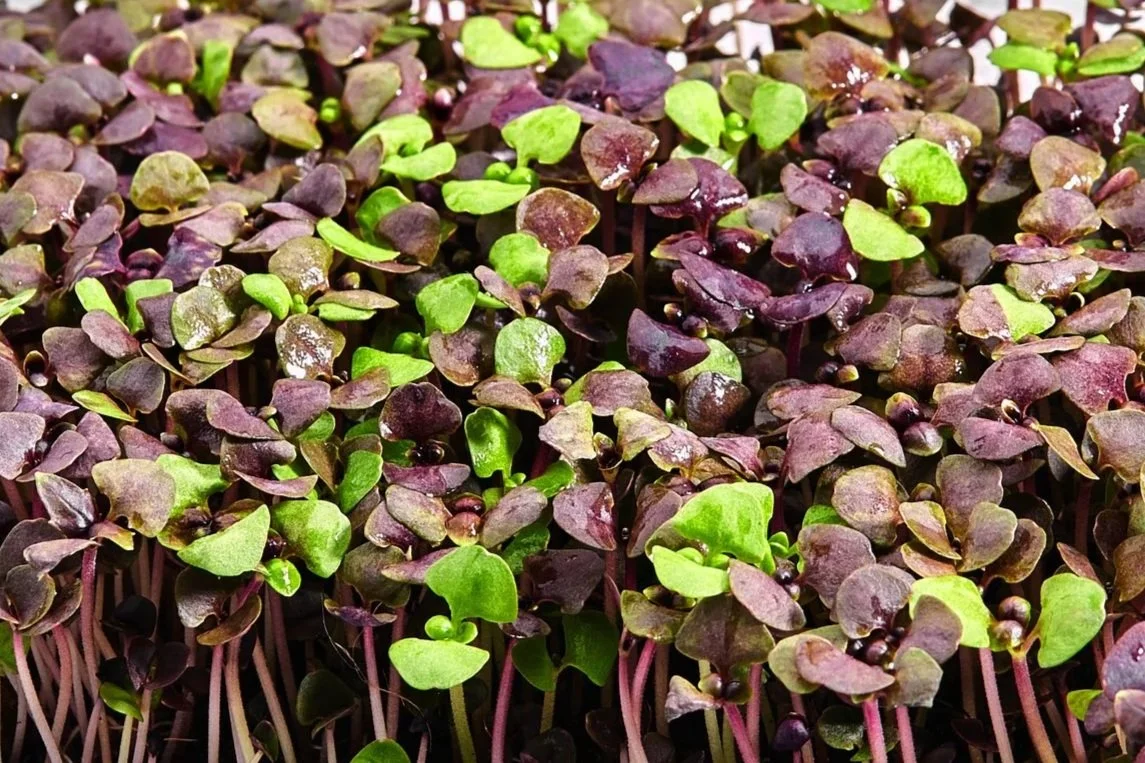
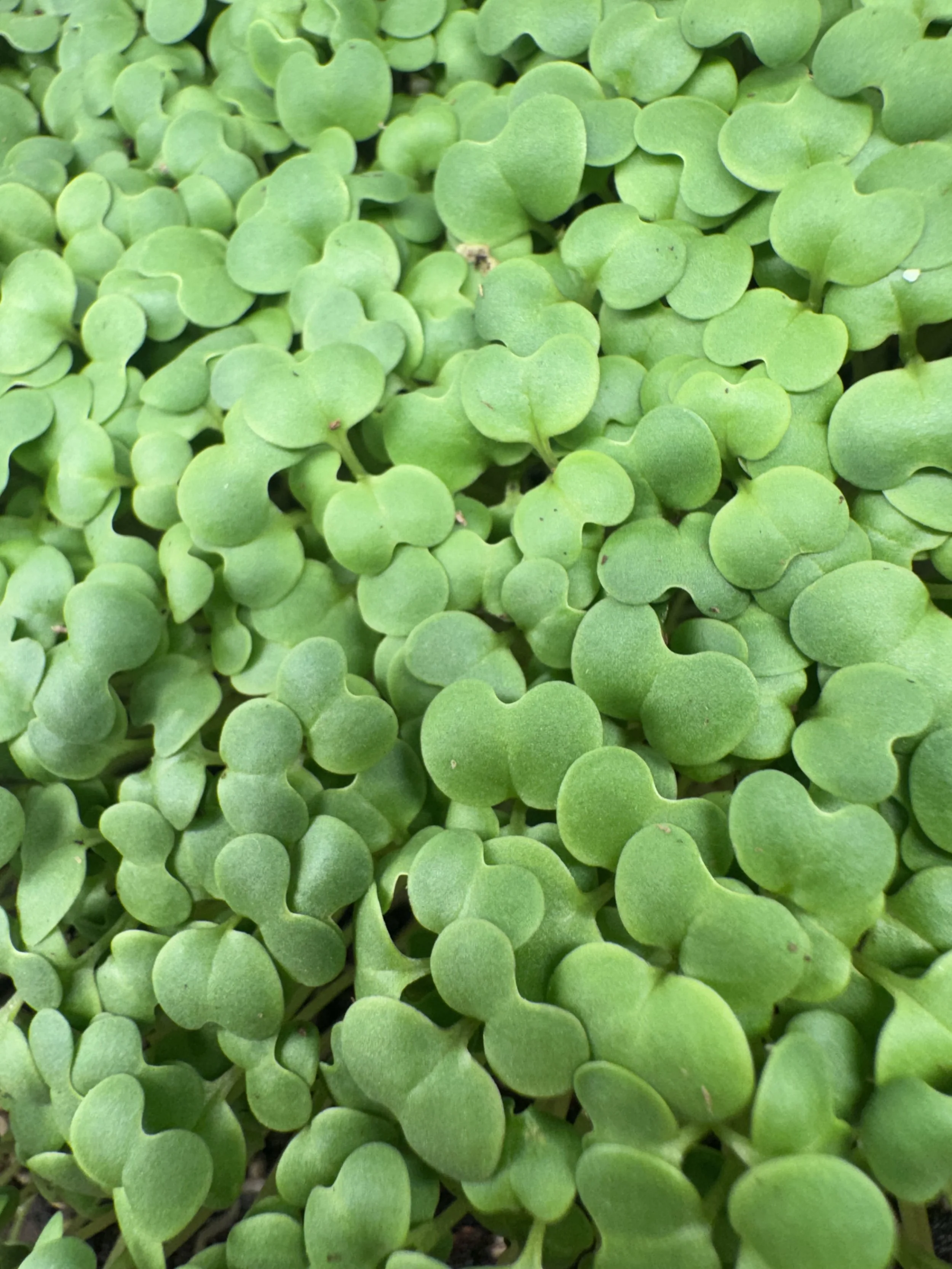
Spicy brown mustard microgreens offer a bold, pungent, peppery flavor with a sharp, sinus-clearing heat similar to Dijon or wasabi, but with an earthy finish and sometimes a hint of sweet tanginess that cuts richness in dishes. They're more intense than arugula but not overpowering.
Suggested Uses:
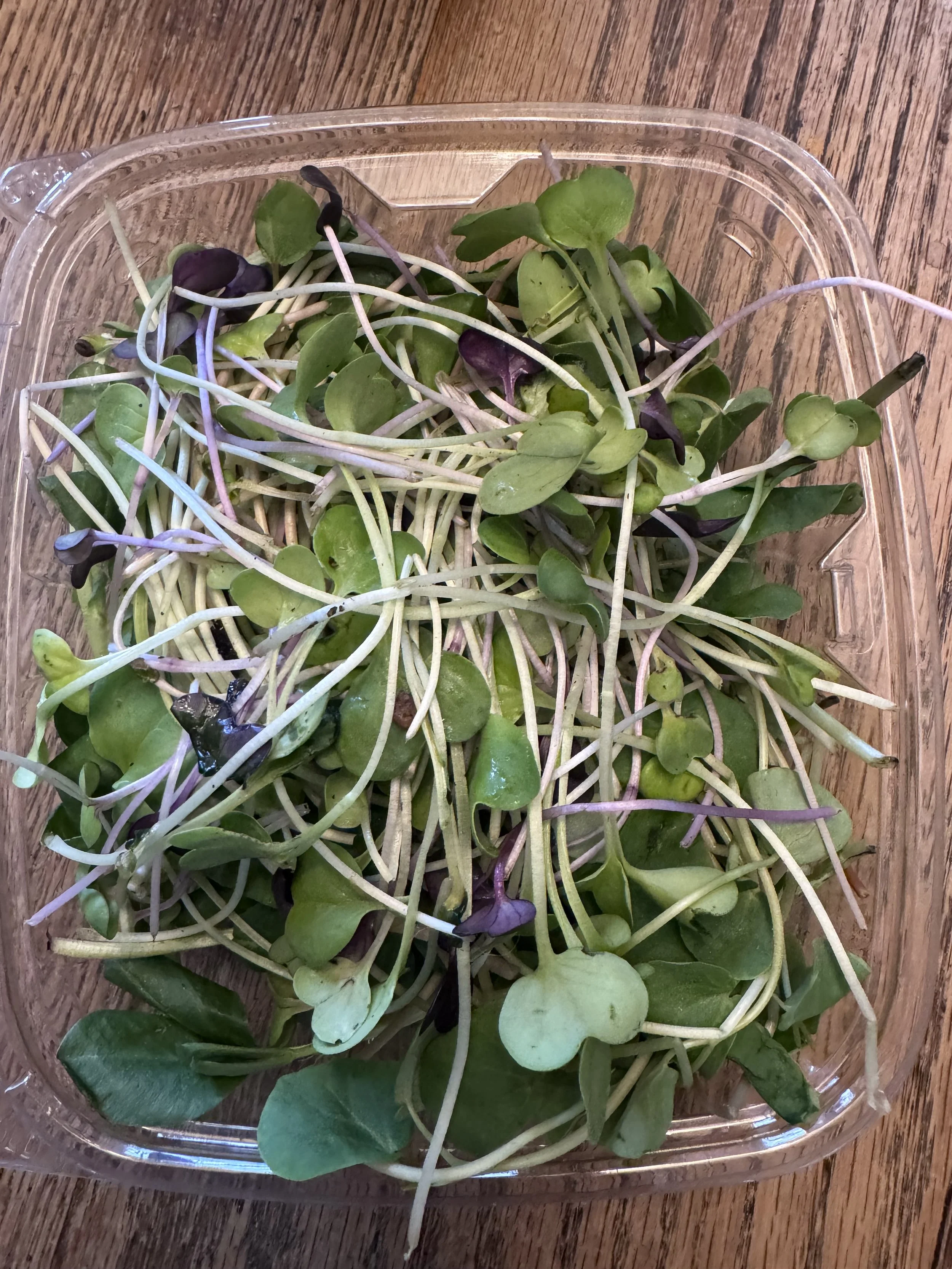
Spicy brown mustard microgreens add a zesty, peppery kick to many dishes, best used raw as a garnish or mixed into salads, sandwiches, wraps, and burgers for freshness, or sprinkled over tacos, eggs, and even soups for a flavorful, nutritious boost. They're also great in Asian dishes like ramen or sushi and can even be blended into smoothies for extra nutrients.
Salads & Bowls: Toss with other greens or add to grain/veggie bowls for a spicy punch.
Sandwiches & Wraps: Layer in turkey sandwiches, veggie wraps, or use as a fresh topping for burgers and hot dogs.
Breakfast: Garnish eggs benedict, omelets, or avocado toast.
Asian Cuisine: Top ramen, pho, sushi, bibimbap, or add to stir-fries.
Soups & Stews: Sprinkle on creamy soups (like butternut squash) or curries for a fresh contrast.
Meats & Fish: Serve with grilled steak, roast pork, lamb, or fish.
Smoothies: Blend a small amount into smoothies for added nutrients.
For Pets: *(always consult a vet before adding microgreens to your pet’s diet)
Bearded Dragons: Mustard microgreens are safe and highly nutritious for bearded dragons, making an excellent, nutrient-dense addition to their diet. They are rich in essential vitamins and minerals, lower in oxalates than many other greens, and provide a mild, tasty foraging option that can be offered regularly.
Cats: Not recommended for cats.
Dogs: Not recommended for dogs.
Guinea Pigs: Mustard microgreens are generally safe for guinea pigs in moderation, offering a nutrient-dense source of vitamins, but they should not be a staple food due to moderate calcium content. They are safe as part of a varied diet, often enjoyed by guinea pigs, but must be thoroughly washed to remove contaminants before feeding.
Rabbits: Mustard microgreens are generally safe for rabbits to eat, but they should only be given as a rare, small treat rather than a staple food. Due to their intense, peppery flavor and concentrated nutrients, they can cause digestive upset if overfed. They should never replace essential daily hay and should be introduced slowly.
Nutrition:*not verified by FDA
Spicy brown mustard microgreens are nutritional powerhouses, packed with vitamins A, C, E, and K, plus minerals like iron, calcium, magnesium, and zinc, offering potent antioxidants and anti-inflammatory compounds in a small package, providing a zesty kick to meals while supporting immunity, digestion, and heart health.
Vitamins: Rich in Vitamin K (bone health), Vitamin C (immunity), Vitamin A (vision/immunity), and Vitamin E (antioxidant).
Minerals: Good sources of Calcium, Iron, Magnesium, Potassium, Copper, Manganese, and Zinc.
Antioxidants: Contain polyphenols, beta-carotene, and lutein, which fight cell damage.
Fiber: Aids digestion and promotes gut health.
Omega-3s: A source of healthy fatty acids.
Potential Health Benefits:*not verified by FDA
Immune Support: Vitamins A and C boost immune function.
Anti-Inflammatory: Compounds help reduce inflammation.
Antioxidant Power: Protects cells from oxidative stress.
Heart Health: Folate and antioxidants support cardiovascular well-being.
Digestive Aid: Fiber promotes healthy digestion.
Disclaimer:Nutritional information and listed Health Benefits have not been evaluated by the Food and Drug Administration. This product is not intended to diagnose, treat, cure, or prevent any disease. The information on this website is for educational purposes only and not intended as medical advice.
History:
Spicy brown mustard evolved from ancient Roman "burning must" and European medieval recipes, becoming distinct in 19th-century America, especially with German immigrants adapting traditions using coarse-ground brown seeds for robust flavor, popularized by brands like Gulden's (originally a pharmacy digestive aid) and regional "ballpark" mustards (Bertman's/Stadium in Cleveland) that became deli and stadium staples. Its coarse texture and potent flavor come from partially ground brown seeds, differentiating it from yellow mustard and pairing perfectly with hearty meats and sandwiches.
Flavor Profile:
Spicy brown mustard microgreens offer a bold, pungent, peppery flavor with a sharp, sinus-clearing heat similar to Dijon or wasabi, but with an earthy finish and sometimes a hint of sweet tanginess that cuts richness in dishes. They're more intense than arugula but not overpowering.
Suggested Uses:
Spicy brown mustard microgreens add a zesty, peppery kick to many dishes, best used raw as a garnish or mixed into salads, sandwiches, wraps, and burgers for freshness, or sprinkled over tacos, eggs, and even soups for a flavorful, nutritious boost. They're also great in Asian dishes like ramen or sushi and can even be blended into smoothies for extra nutrients.
Salads & Bowls: Toss with other greens or add to grain/veggie bowls for a spicy punch.
Sandwiches & Wraps: Layer in turkey sandwiches, veggie wraps, or use as a fresh topping for burgers and hot dogs.
Breakfast: Garnish eggs benedict, omelets, or avocado toast.
Asian Cuisine: Top ramen, pho, sushi, bibimbap, or add to stir-fries.
Soups & Stews: Sprinkle on creamy soups (like butternut squash) or curries for a fresh contrast.
Meats & Fish: Serve with grilled steak, roast pork, lamb, or fish.
Smoothies: Blend a small amount into smoothies for added nutrients.
For Pets: *(always consult a vet before adding microgreens to your pet’s diet)
Bearded Dragons: Mustard microgreens are safe and highly nutritious for bearded dragons, making an excellent, nutrient-dense addition to their diet. They are rich in essential vitamins and minerals, lower in oxalates than many other greens, and provide a mild, tasty foraging option that can be offered regularly.
Cats: Not recommended for cats.
Dogs: Not recommended for dogs.
Guinea Pigs: Mustard microgreens are generally safe for guinea pigs in moderation, offering a nutrient-dense source of vitamins, but they should not be a staple food due to moderate calcium content. They are safe as part of a varied diet, often enjoyed by guinea pigs, but must be thoroughly washed to remove contaminants before feeding.
Rabbits: Mustard microgreens are generally safe for rabbits to eat, but they should only be given as a rare, small treat rather than a staple food. Due to their intense, peppery flavor and concentrated nutrients, they can cause digestive upset if overfed. They should never replace essential daily hay and should be introduced slowly.
Nutrition:*not verified by FDA
Spicy brown mustard microgreens are nutritional powerhouses, packed with vitamins A, C, E, and K, plus minerals like iron, calcium, magnesium, and zinc, offering potent antioxidants and anti-inflammatory compounds in a small package, providing a zesty kick to meals while supporting immunity, digestion, and heart health.
Vitamins: Rich in Vitamin K (bone health), Vitamin C (immunity), Vitamin A (vision/immunity), and Vitamin E (antioxidant).
Minerals: Good sources of Calcium, Iron, Magnesium, Potassium, Copper, Manganese, and Zinc.
Antioxidants: Contain polyphenols, beta-carotene, and lutein, which fight cell damage.
Fiber: Aids digestion and promotes gut health.
Omega-3s: A source of healthy fatty acids.
Potential Health Benefits:*not verified by FDA
Immune Support: Vitamins A and C boost immune function.
Anti-Inflammatory: Compounds help reduce inflammation.
Antioxidant Power: Protects cells from oxidative stress.
Heart Health: Folate and antioxidants support cardiovascular well-being.
Digestive Aid: Fiber promotes healthy digestion.