 Image 1 of 2
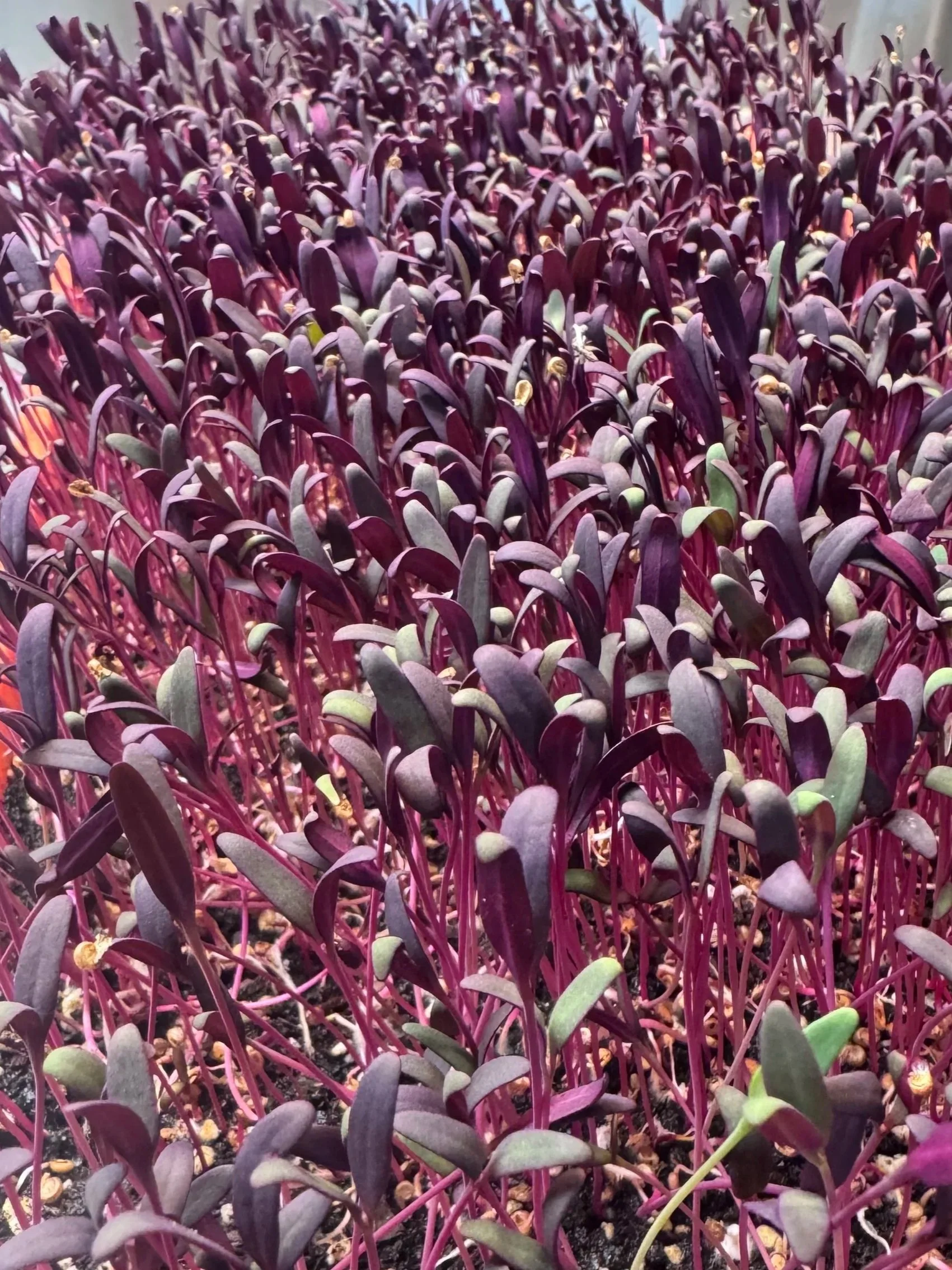 Image 2 of 2
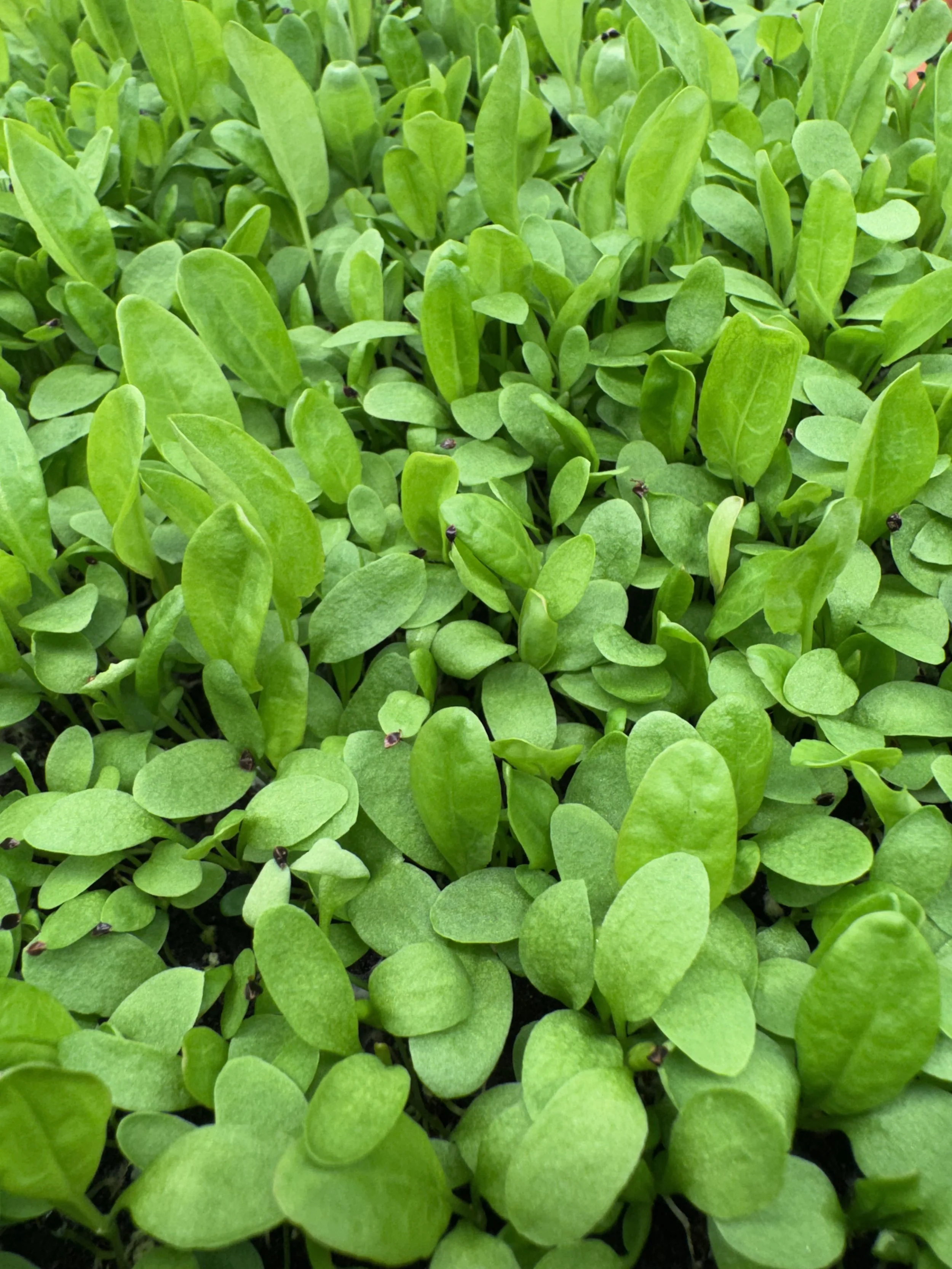
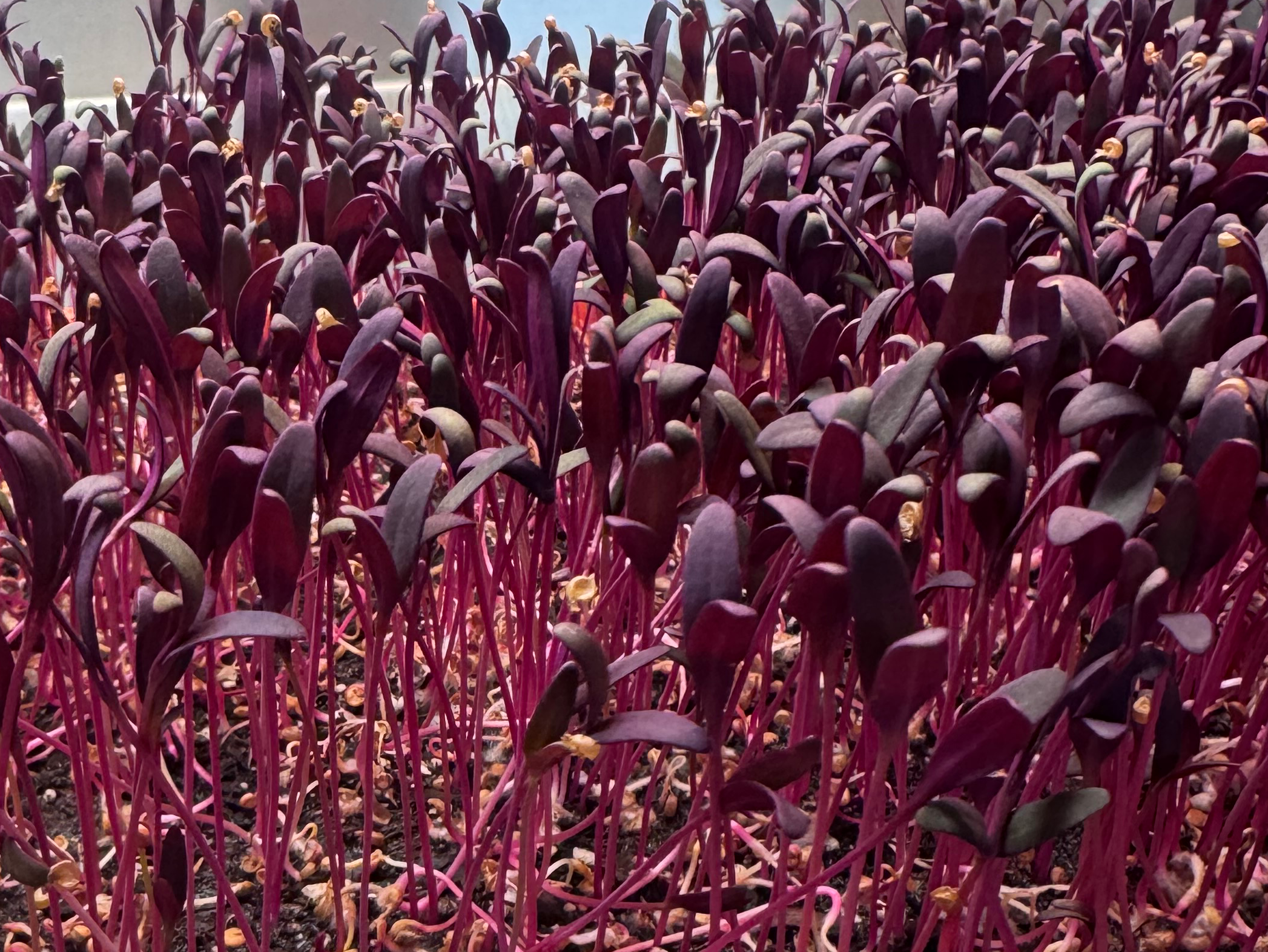
This item is grown to order and requires a 2 week lead time. We will grow a 10"x10" tray of these micros which we will cut and package for you when they are ready.
Disclaimer: Nutritional information and listed Health Benefits have not been evaluated by the Food and Drug Administration. This product is not intended to diagnose, treat, cure, or prevent any disease. The information on this website is for educational purposes only and not intended as medical advice.
History:
Red Orach, (otherwise known as French Spinach), is one of the earliest known cultivated vegetables with its origins going back some 4000 years to an area known as the Fertile Crescent, (a crescent-shaped region in the Middle East). It was used for thousands of years and was even a garden staple in Europe during the Middle Ages. It was eventually overtaken by spinach in popularity and was nearly lost to history for the 200+ years until it had a recent resurgence, becoming popular as a microgreen!
This beautiful plant can grow up to 8 feet tall and has a more savory taste than spinach when cooked. Its seeds can be crushed to make blue dye or even flour for baking.
Flavor Profile:
Mild, earthy, and slightly salty flavor, similar to spinach but sometimes with a slightly bitter initial taste that fades. The texture is often described as crunchy and robust.
Suggested Uses:
Add to salads, sandwiches, wraps, or tacos for a crisp, fresh bite and a pop of color. It can also be cooked or sauteed in garlic and oil to add to omelets, frittatas, risotto or stir-fries. You can even make it into a smoothie, or use it as a garish.
It can be used in place of spinach or cabbage leaves. A pinch can also be used to add flavor and color to certain sweet dishes, like fruit-based mousses or with yogurt and strawberries.
Nutrition:*not verified by FDA
Red Orach microgreens are rich in vitamins A, C, and K, and minerals like iron, calcium, and magnesium. They are also a good source of protein, fiber, and antioxidants.
Vitamins: High in vitamin K, vitamin A, and vitamin C.
Minerals: Excellent source of iron, calcium, and magnesium. They also contain potassium, zinc, and copper.
Antioxidants: Contain high levels of antioxidants, including beta-carotene, which gives the leaves their red color.
Protein and Fiber: A good source of both protein and dietary fiber.
Potential Health Benefits:*not verified by FDA
Helps strengthen bones: The high vitamin K content supports bone health.
Helps boost immunity: Vitamins A and C help boost the immune system.
Helps support eye and skin health: Beta-carotene is beneficial for eye and skin health.
Aids red blood cell formation: The iron content is essential for creating red blood cells and transporting oxygen.
This item is grown to order and requires a 2 week lead time. We will grow a 10"x10" tray of these micros which we will cut and package for you when they are ready.
Disclaimer: Nutritional information and listed Health Benefits have not been evaluated by the Food and Drug Administration. This product is not intended to diagnose, treat, cure, or prevent any disease. The information on this website is for educational purposes only and not intended as medical advice.
History:
Red Orach, (otherwise known as French Spinach), is one of the earliest known cultivated vegetables with its origins going back some 4000 years to an area known as the Fertile Crescent, (a crescent-shaped region in the Middle East). It was used for thousands of years and was even a garden staple in Europe during the Middle Ages. It was eventually overtaken by spinach in popularity and was nearly lost to history for the 200+ years until it had a recent resurgence, becoming popular as a microgreen!
This beautiful plant can grow up to 8 feet tall and has a more savory taste than spinach when cooked. Its seeds can be crushed to make blue dye or even flour for baking.
Flavor Profile:
Mild, earthy, and slightly salty flavor, similar to spinach but sometimes with a slightly bitter initial taste that fades. The texture is often described as crunchy and robust.
Suggested Uses:
Add to salads, sandwiches, wraps, or tacos for a crisp, fresh bite and a pop of color. It can also be cooked or sauteed in garlic and oil to add to omelets, frittatas, risotto or stir-fries. You can even make it into a smoothie, or use it as a garish.
It can be used in place of spinach or cabbage leaves. A pinch can also be used to add flavor and color to certain sweet dishes, like fruit-based mousses or with yogurt and strawberries.
Nutrition:*not verified by FDA
Red Orach microgreens are rich in vitamins A, C, and K, and minerals like iron, calcium, and magnesium. They are also a good source of protein, fiber, and antioxidants.
Vitamins: High in vitamin K, vitamin A, and vitamin C.
Minerals: Excellent source of iron, calcium, and magnesium. They also contain potassium, zinc, and copper.
Antioxidants: Contain high levels of antioxidants, including beta-carotene, which gives the leaves their red color.
Protein and Fiber: A good source of both protein and dietary fiber.
Potential Health Benefits:*not verified by FDA
Helps strengthen bones: The high vitamin K content supports bone health.
Helps boost immunity: Vitamins A and C help boost the immune system.
Helps support eye and skin health: Beta-carotene is beneficial for eye and skin health.
Aids red blood cell formation: The iron content is essential for creating red blood cells and transporting oxygen.