 Image 1 of 2
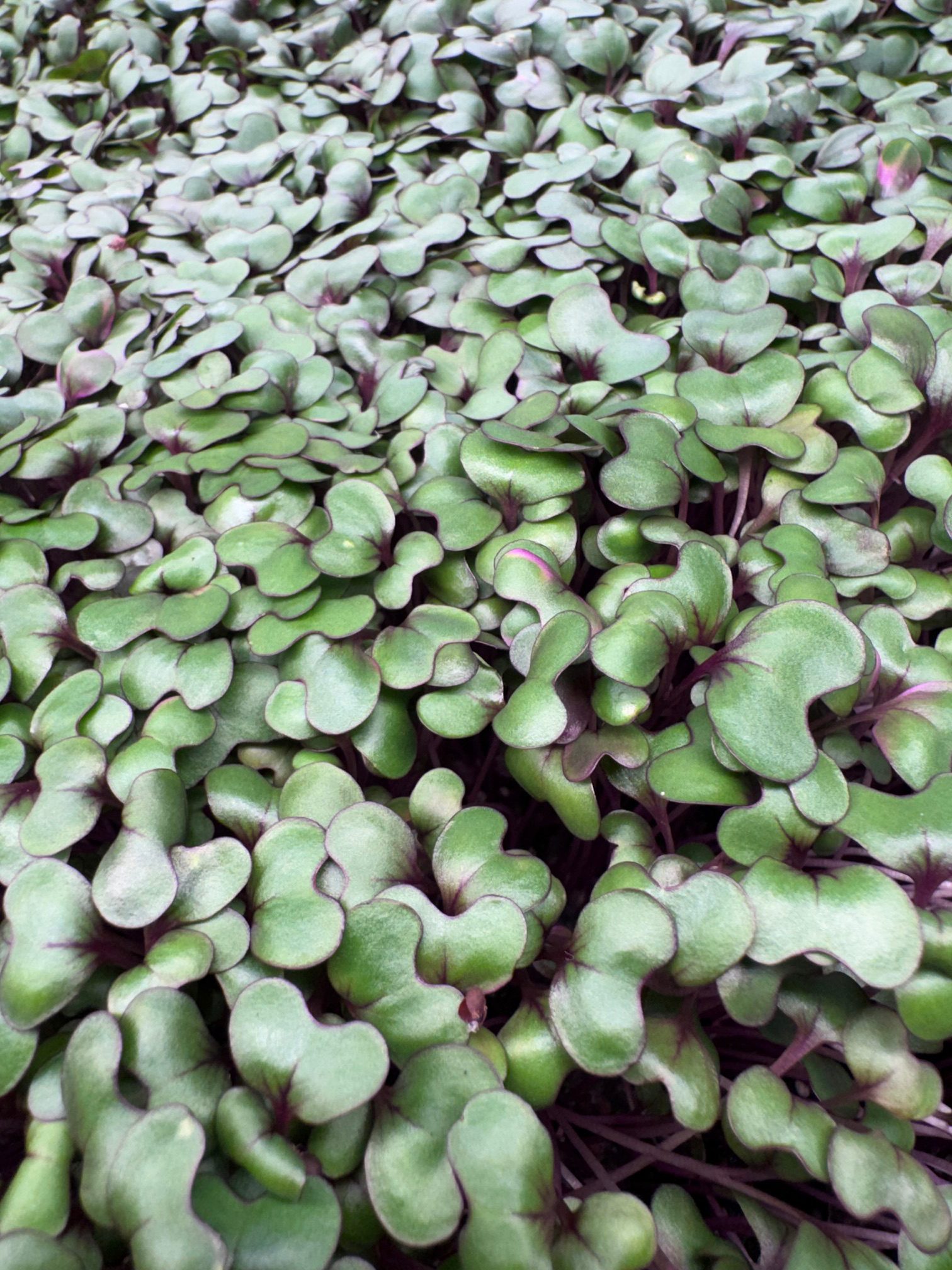 Image 2 of 2
Disclaimer:Nutritional information and listed Health Benefits have not been evaluated by the Food and Drug Administration. This product is not intended to diagnose, treat, cure, or prevent any disease. The information on this website is for educational purposes only and not intended as medical advice.
History:
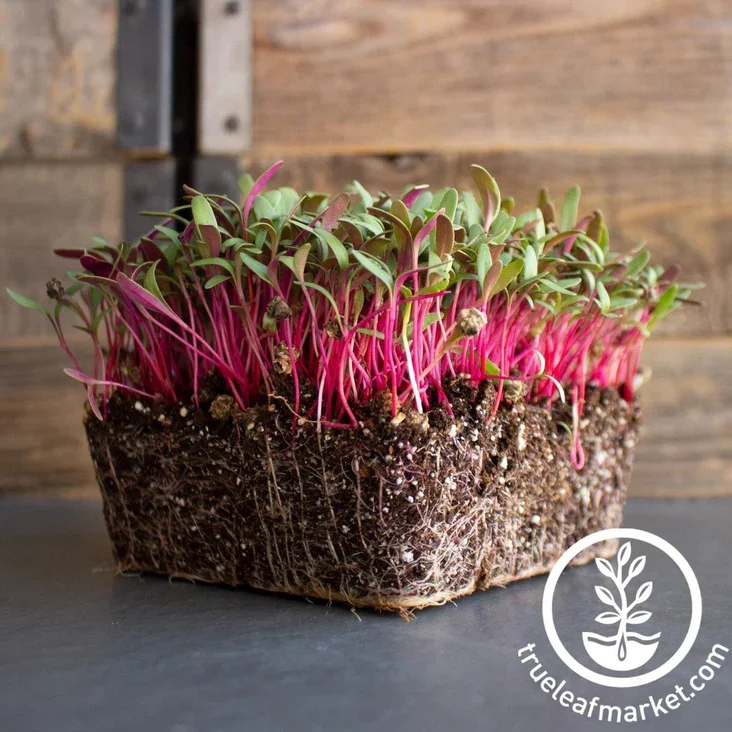
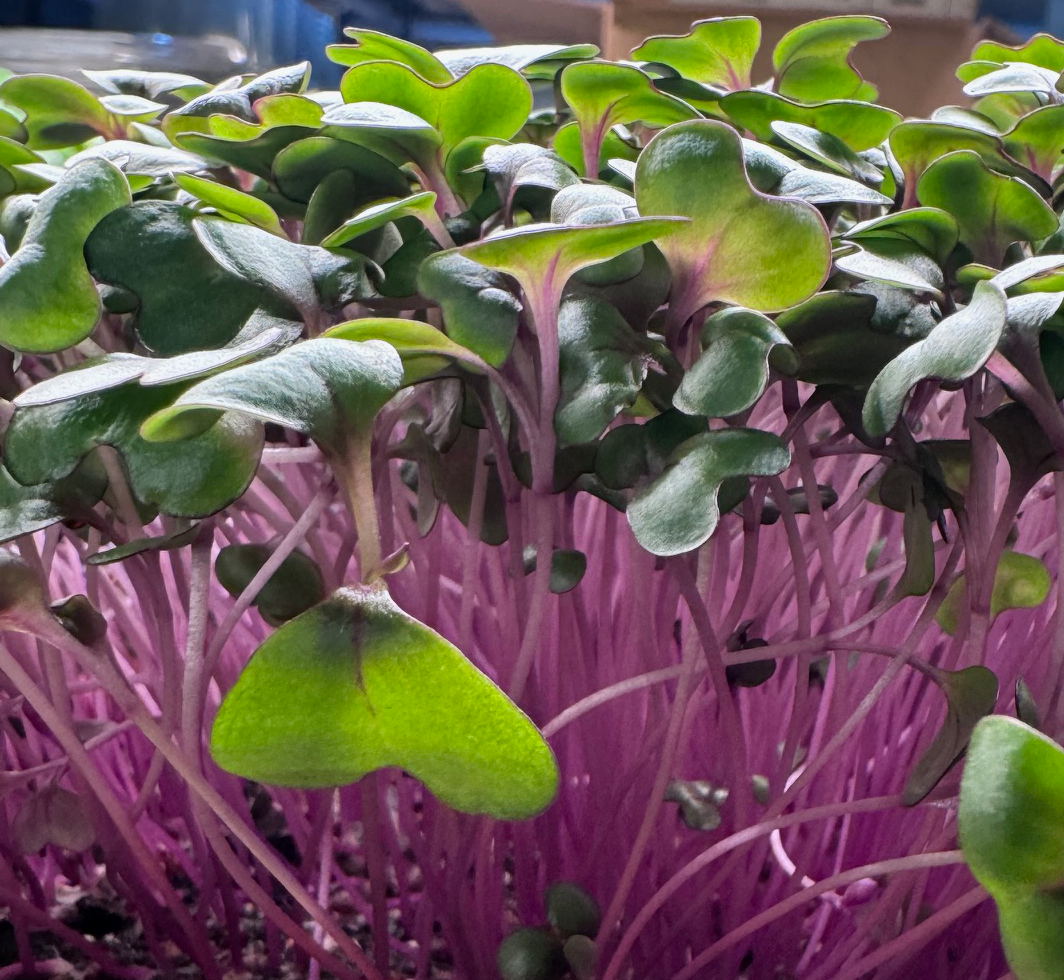
Wild cabbage originates from the Mediterranean region and the European Atlantic coast - from today’s countries of England, Ireland and France. The ancient Greeks and Romans already knew several varieties of cabbage, such as kale, but not yet a type with closed leaves like red cabbage. Red cabbage is a cultivated - i.e. bred - form of cabbage, that is known to have existed in Europe from around the Middle Ages.
Since the Middle Ages, red cabbage has also been cultivated in Germany. Red cabbage was first mentioned in the 12th century, in the writings of the polymath Hildegard von Bingen (1098-1179). She distinguished red cabbage "Rubeae caules" from white cabbage used for Sauerkraut.
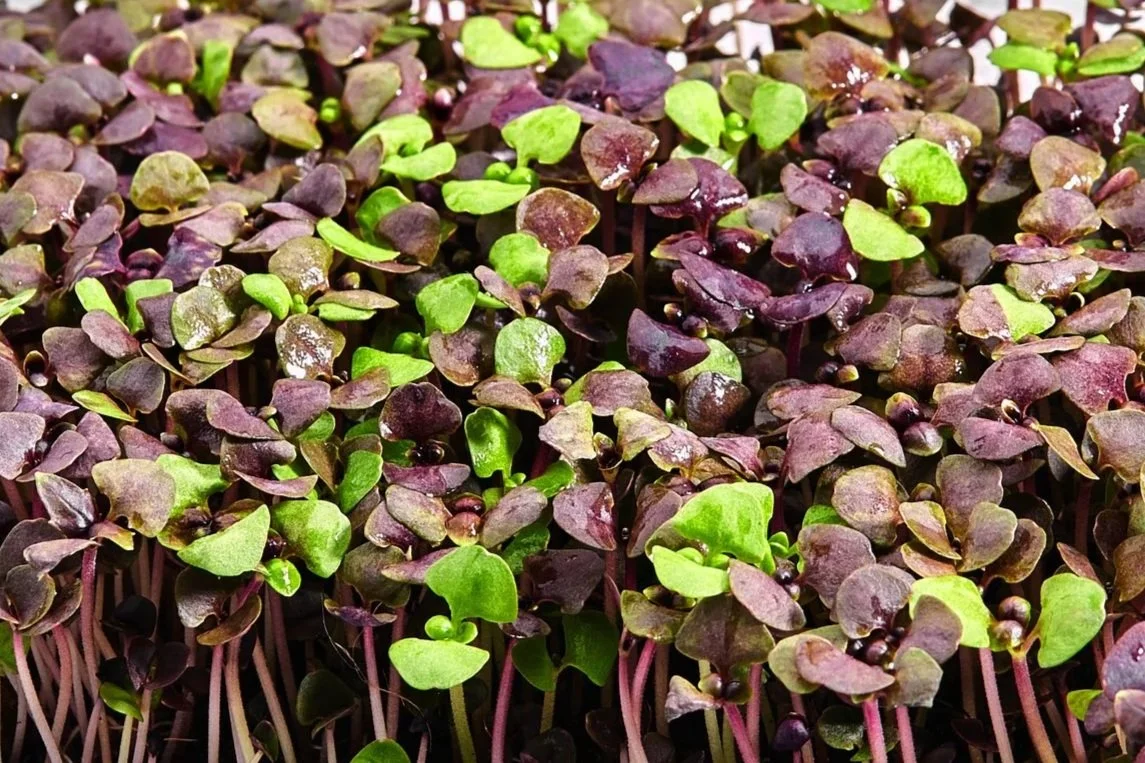
Red Cabbage Microgreens were created by Fresh Origins Farm in San Diego, California in the 1990s-2000s as a part of the growing microgreen trend.
Flavor Profile:
Mild, peppery, and slightly sweet flavor, with earthy undertones and a hint of tanginess. They are crunchy and offer a taste similar to mature red cabbage but are generally milder.
Suggested Uses:
Red cabbage microgreens are used as a fresh, nutritious, and colorful addition to a wide variety of dishes, such as salads, sandwiches, and wraps. They can also be sprinkled on top of soups, stews, and egg dishes, blended into smoothies, or used to garnish tacos. They also add texture and color texture and color to sushi or fresh spring rolls.
Nutrition:*not verified by FDA
Red cabbage microgreens are highly nutritious, packed with vitamins C, E, and K, as well as antioxidants, fiber, and minerals like iron, potassium, and magnesium. They can contain significantly more vitamins and antioxidants than mature red cabbage, with some studies showing up to 6 times the vitamin C and 40 times the vitamin E.
Vitamins: They are an excellent source of vitamins C, E, and K, and also contain B vitamins and vitamin A (as beta-carotene).
Antioxidants: They are rich in antioxidants, such as carotenoids and polyphenols, which help protect the body's cells from damage.
Minerals: They provide essential minerals including iron, potassium, calcium, magnesium, phosphorus, and sulfur.
Other compounds: They contain Vitamin U (a protein-bound compound), amino acids, and fiber.
Comparison to Full Grown Cabbage:
Vitamin C: Up to 6 times more.
Vitamin E: Up to 40 times more.
Carotenoids: Up to 260 times more.
Vitamin K: 69 times more.
Potential Health Benefits:*not verified by FDA
Antioxidant Power: The anthocyanins in red cabbage microgreens protect cells from oxidative damage, reducing the risk of chronic diseases like cancer and heart disease.
Improved Digestion: The high fiber content promotes regular bowel movements and improves gut health.
Enhanced Eye Health: The presence of lutein and zeaxanthin supports eye health and protects against age-related macular degeneration.
Reduced Inflammation: The anti-inflammatory properties of red cabbage microgreens may help reduce swelling and pain associated with arthritis and other conditions.
Heart Health: The combination of vitamins, antioxidants, and fiber in red cabbage microgreens contributes to maintaining a healthy cardiovascular system.
Blood Sugar Control: The low carbohydrate content and fiber in these microgreens may help regulate blood sugar levels.
Immune System Support: The high vitamin C content boosts the immune system and protects against infections.
Bone Health: The presence of vitamin K and calcium supports strong and healthy bones.
Disclaimer:Nutritional information and listed Health Benefits have not been evaluated by the Food and Drug Administration. This product is not intended to diagnose, treat, cure, or prevent any disease. The information on this website is for educational purposes only and not intended as medical advice.
History:
Wild cabbage originates from the Mediterranean region and the European Atlantic coast - from today’s countries of England, Ireland and France. The ancient Greeks and Romans already knew several varieties of cabbage, such as kale, but not yet a type with closed leaves like red cabbage. Red cabbage is a cultivated - i.e. bred - form of cabbage, that is known to have existed in Europe from around the Middle Ages.
Since the Middle Ages, red cabbage has also been cultivated in Germany. Red cabbage was first mentioned in the 12th century, in the writings of the polymath Hildegard von Bingen (1098-1179). She distinguished red cabbage "Rubeae caules" from white cabbage used for Sauerkraut.
Red Cabbage Microgreens were created by Fresh Origins Farm in San Diego, California in the 1990s-2000s as a part of the growing microgreen trend.
Flavor Profile:
Mild, peppery, and slightly sweet flavor, with earthy undertones and a hint of tanginess. They are crunchy and offer a taste similar to mature red cabbage but are generally milder.
Suggested Uses:
Red cabbage microgreens are used as a fresh, nutritious, and colorful addition to a wide variety of dishes, such as salads, sandwiches, and wraps. They can also be sprinkled on top of soups, stews, and egg dishes, blended into smoothies, or used to garnish tacos. They also add texture and color texture and color to sushi or fresh spring rolls.
Nutrition:*not verified by FDA
Red cabbage microgreens are highly nutritious, packed with vitamins C, E, and K, as well as antioxidants, fiber, and minerals like iron, potassium, and magnesium. They can contain significantly more vitamins and antioxidants than mature red cabbage, with some studies showing up to 6 times the vitamin C and 40 times the vitamin E.
Vitamins: They are an excellent source of vitamins C, E, and K, and also contain B vitamins and vitamin A (as beta-carotene).
Antioxidants: They are rich in antioxidants, such as carotenoids and polyphenols, which help protect the body's cells from damage.
Minerals: They provide essential minerals including iron, potassium, calcium, magnesium, phosphorus, and sulfur.
Other compounds: They contain Vitamin U (a protein-bound compound), amino acids, and fiber.
Comparison to Full Grown Cabbage:
Vitamin C: Up to 6 times more.
Vitamin E: Up to 40 times more.
Carotenoids: Up to 260 times more.
Vitamin K: 69 times more.
Potential Health Benefits:*not verified by FDA
Antioxidant Power: The anthocyanins in red cabbage microgreens protect cells from oxidative damage, reducing the risk of chronic diseases like cancer and heart disease.
Improved Digestion: The high fiber content promotes regular bowel movements and improves gut health.
Enhanced Eye Health: The presence of lutein and zeaxanthin supports eye health and protects against age-related macular degeneration.
Reduced Inflammation: The anti-inflammatory properties of red cabbage microgreens may help reduce swelling and pain associated with arthritis and other conditions.
Heart Health: The combination of vitamins, antioxidants, and fiber in red cabbage microgreens contributes to maintaining a healthy cardiovascular system.
Blood Sugar Control: The low carbohydrate content and fiber in these microgreens may help regulate blood sugar levels.
Immune System Support: The high vitamin C content boosts the immune system and protects against infections.
Bone Health: The presence of vitamin K and calcium supports strong and healthy bones.