 Image 1 of 1
Disclaimer:Nutritional information and listed Health Benefits have not been evaluated by the Food and Drug Administration. This product is not intended to diagnose, treat, cure, or prevent any disease. The information on this website is for educational purposes only and not intended as medical advice.
History:
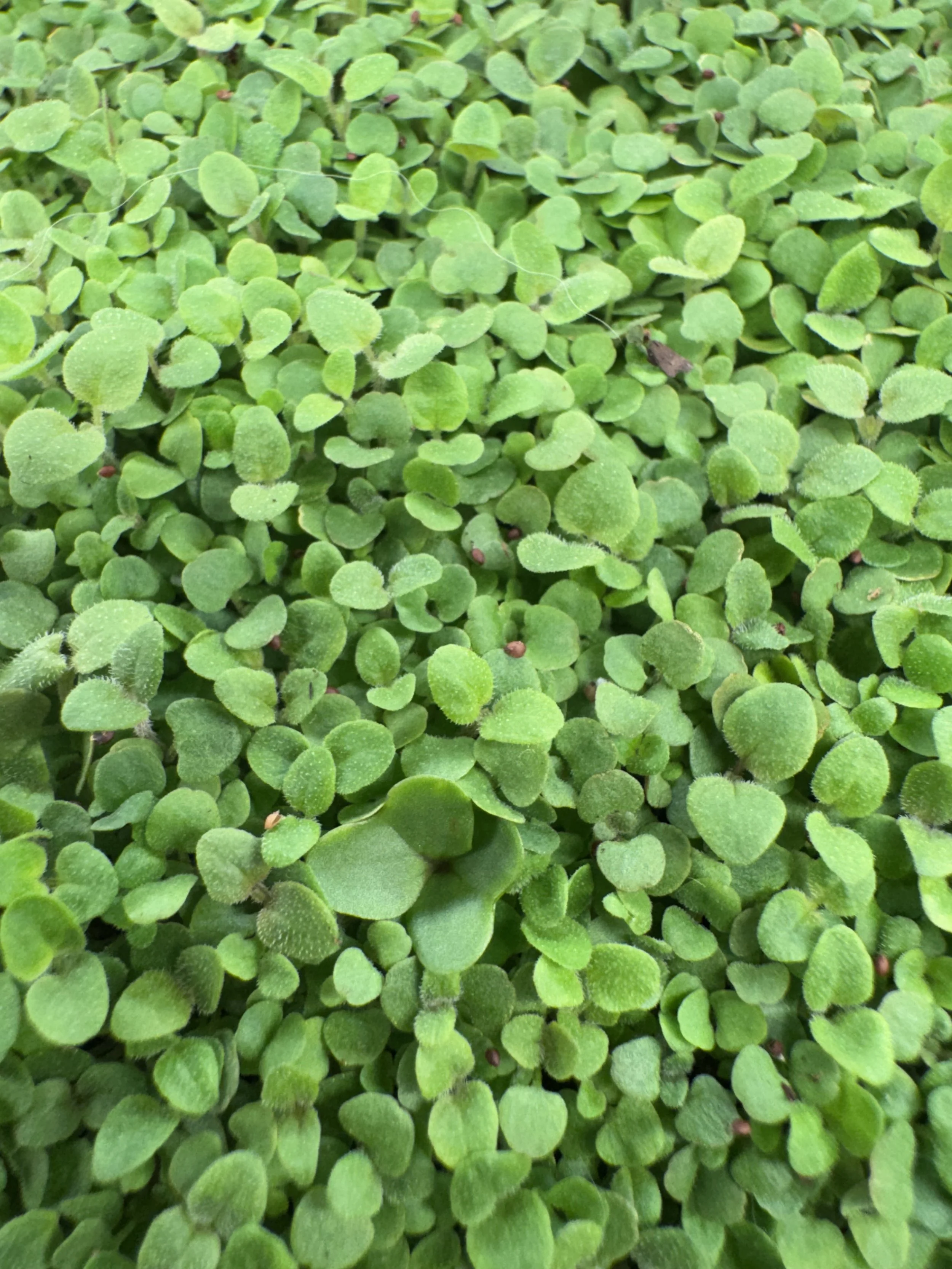
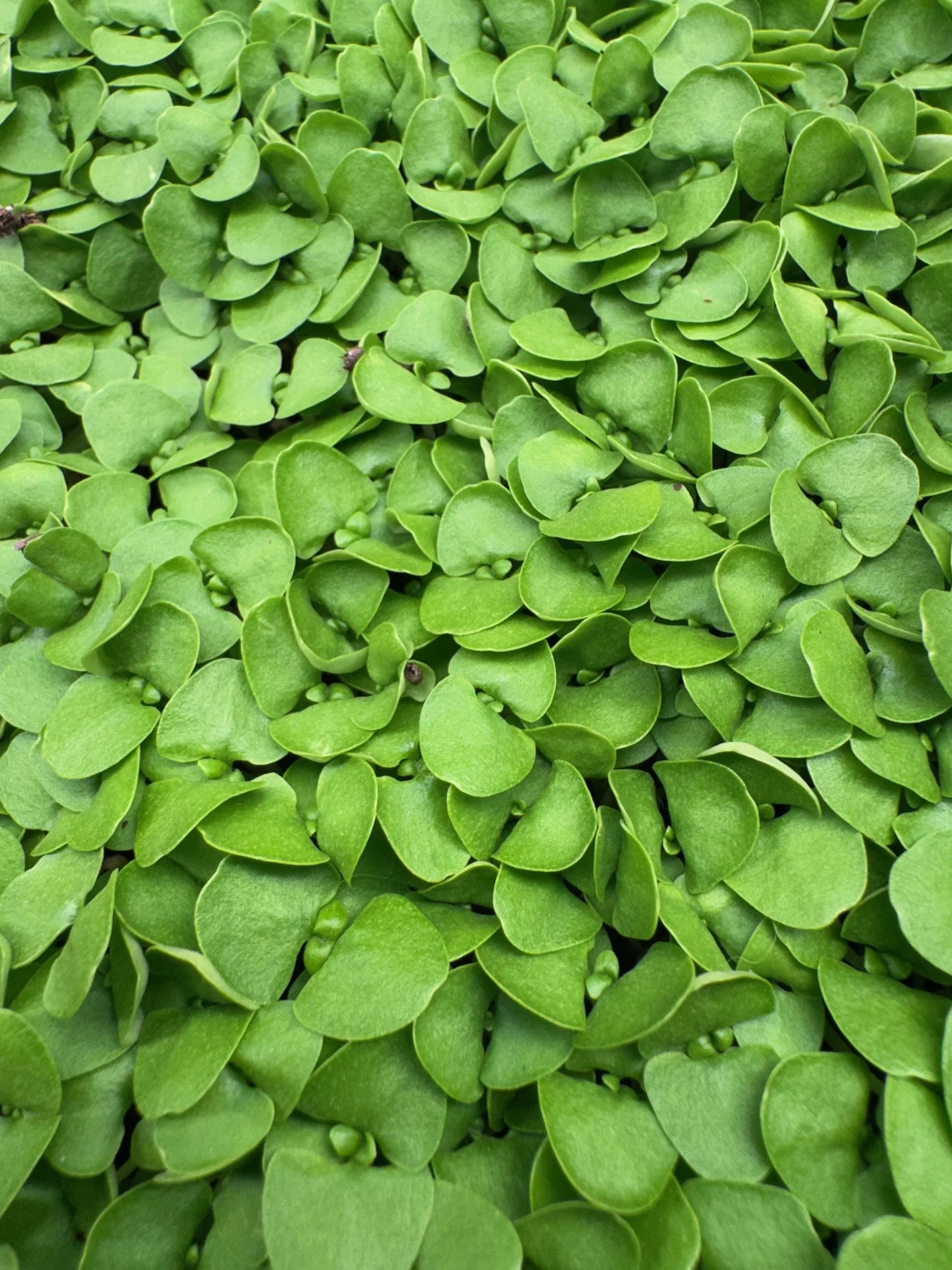
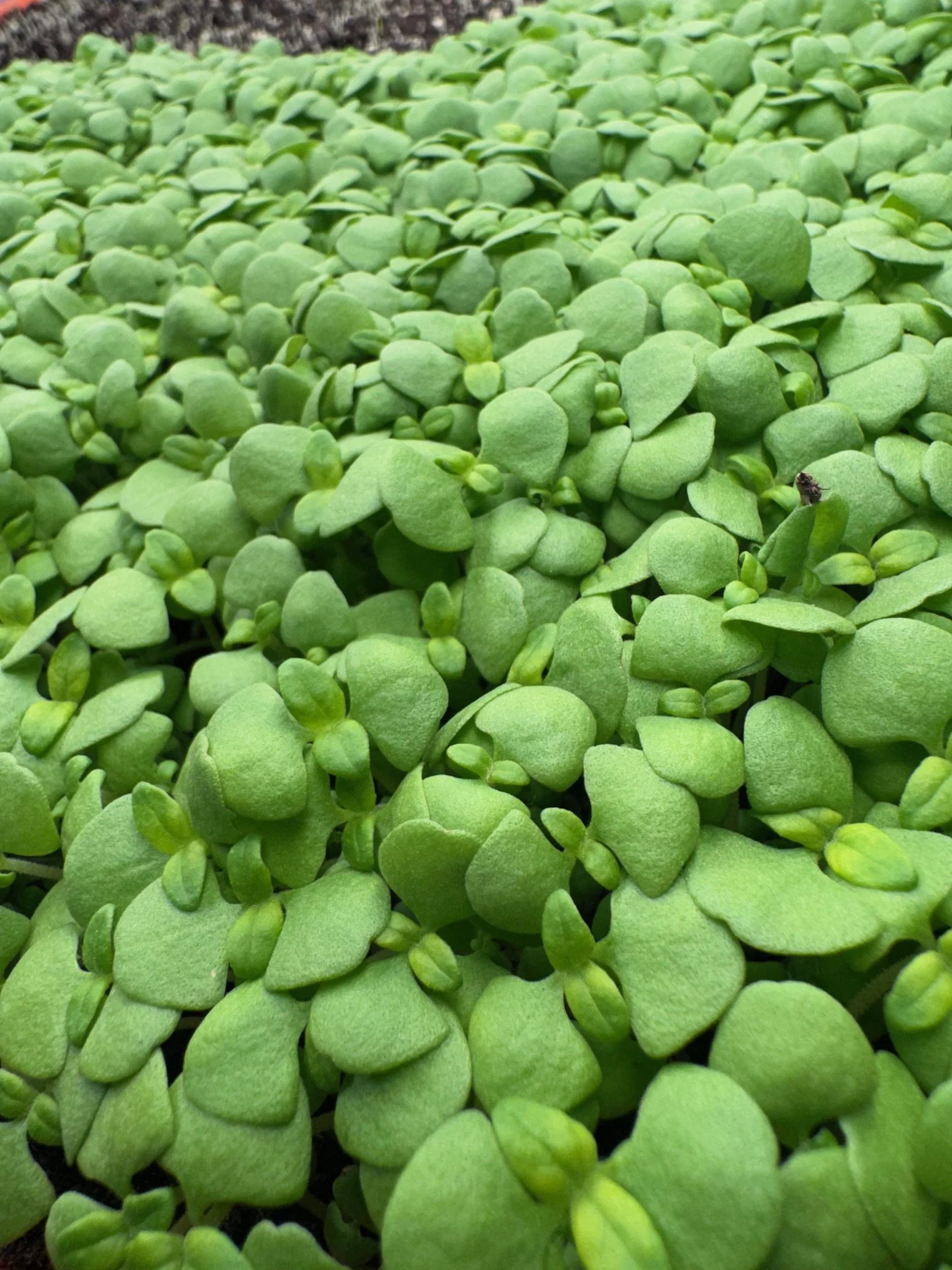
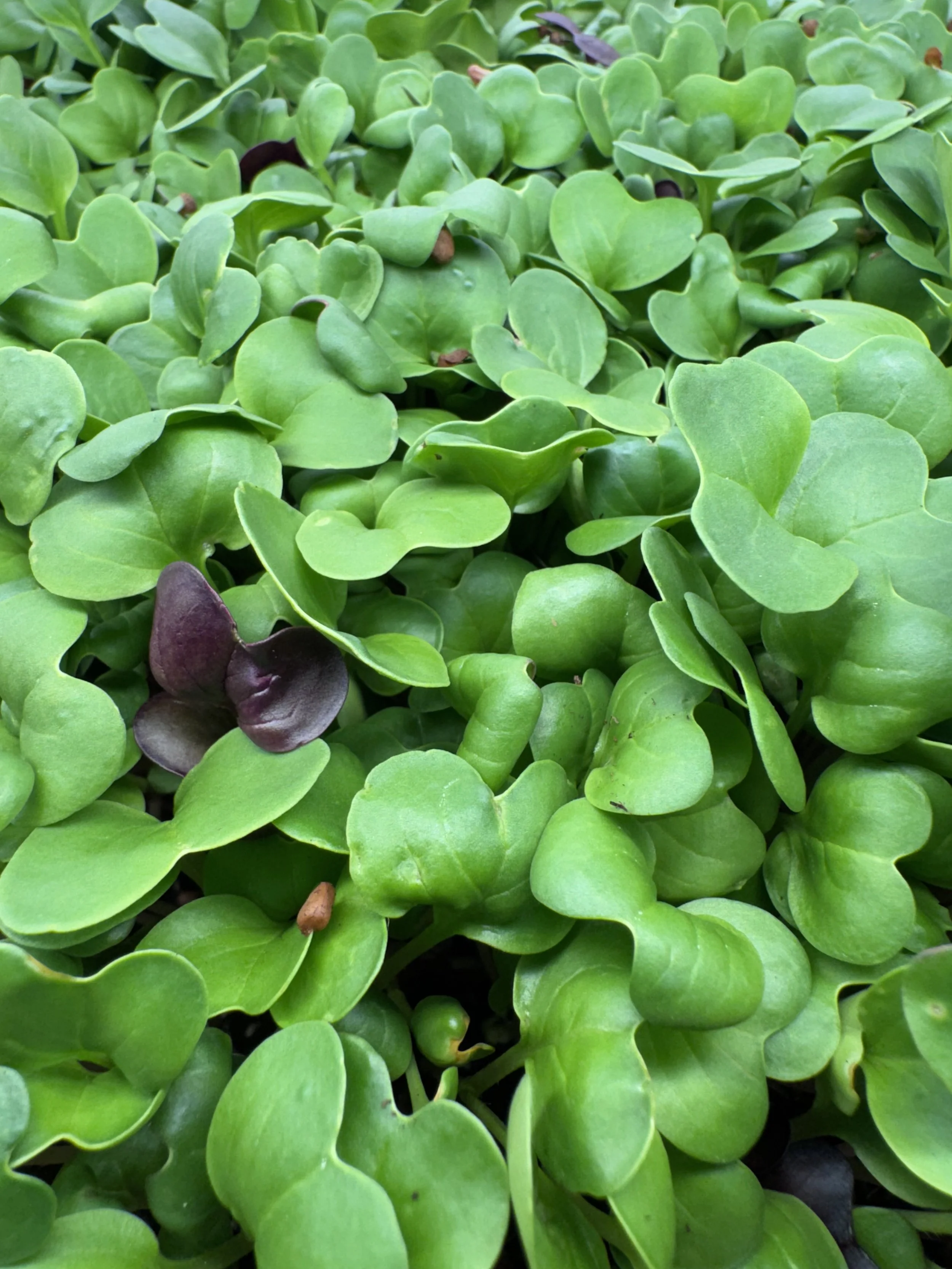
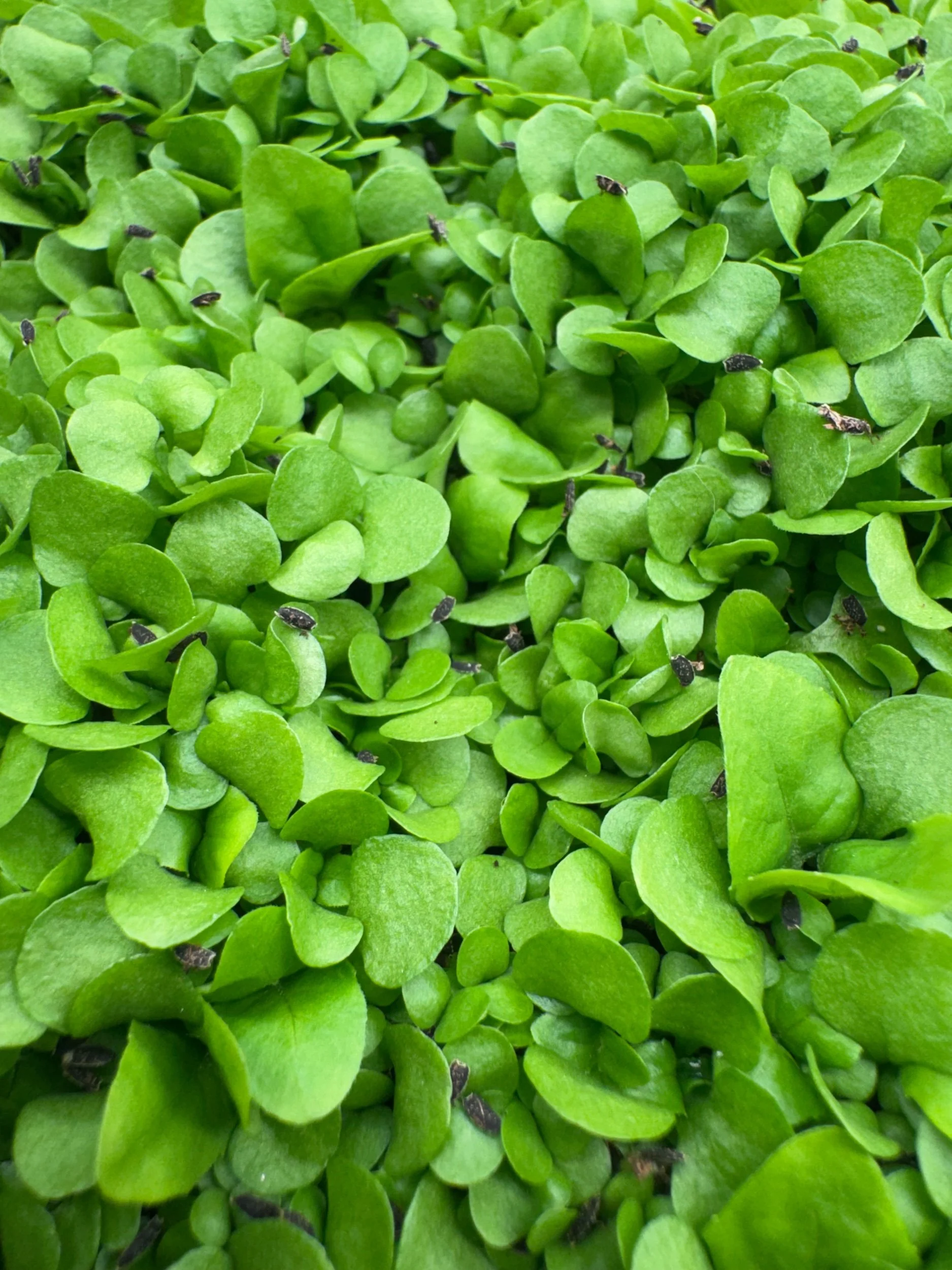
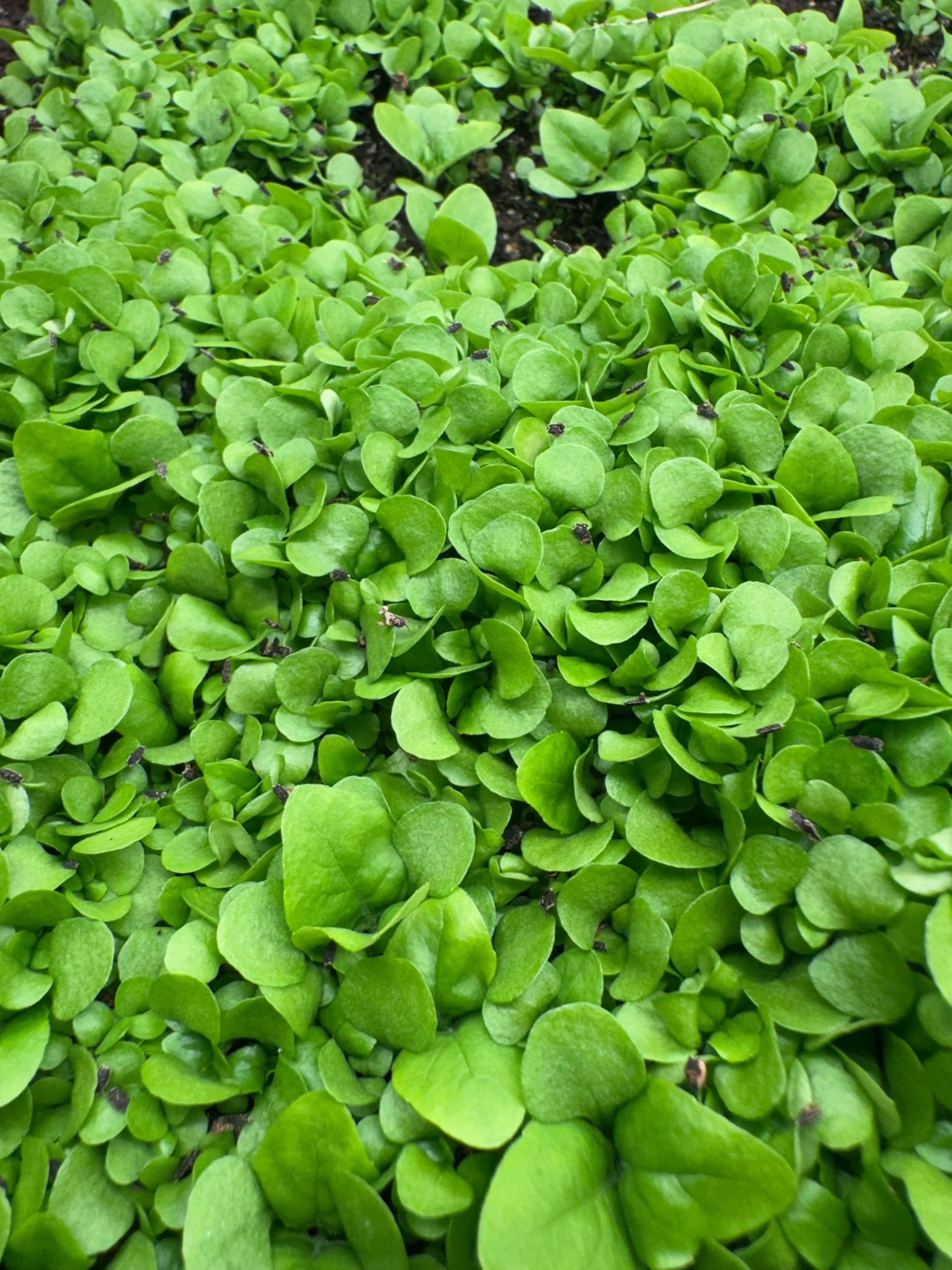
Oriental mustard microgreens, derived from Brassica juncea, share a deep, 5,000-year history originating in the Himalayan region of India and eastern Asia. Long cultivated for seeds and mature greens, the microgreen variation represents a modern culinary shift, popularizing the intense, pungent, and peppery flavor of immature mustard seedlings in salads and as garnishes.
Flavor Profile:
Bold, pungent, and sharply peppery flavor profile, closely resembling that of fresh wasabi or horseradish. These vibrant green, fast-growing greens offer an intense, immediate zesty heat that fades quickly, often leaving a pleasant, earthy finish.
Suggested Uses:
Oriental mustard microgreens are popular for their intense, pungent, and wasabi-like flavor, making them an excellent zesty, peppery addition to culinary dishes. They are commonly used raw in salads, as a punchy garnish on soups, sashimi, and sandwiches, or to add heat to stir-fries, egg dishes, and avocado toast.
Garnish: Top ramen, miso soup, salads, and rice bowls for a sharp, fresh, and savory flavor.
Sandwiches & Wraps: Enhance sandwiches, burgers, and wraps with a pungent, peppery crunch, acting as a functional alternative to lettuce.
Salads: Add a handful to salads to add a spicy twist and a boost of nutrition.
Savory Dishes: Pair with grilled meats, roast fish, eggs Benedict, and sushi.
Flavor Boosters: Mix into dips or blend into smoothies for a savory kick.
For Pets: *(always consult a vet before adding microgreens to your pet’s diet)
Bearded Dragons: Mustard microgreens are safe and highly nutritious for bearded dragons, making an excellent, nutrient-dense addition to their diet. They are rich in essential vitamins and minerals, lower in oxalates than many other greens, and provide a mild, tasty foraging option that can be offered regularly.
Cats: Not recommended for cats.
Dogs: Not recommended for dogs.
Guinea Pigs: Mustard microgreens are generally safe for guinea pigs in moderation, offering a nutrient-dense source of vitamins, but they should not be a staple food due to moderate calcium content. They are safe as part of a varied diet, often enjoyed by guinea pigs, but must be thoroughly washed to remove contaminants before feeding.
Rabbits: Mustard microgreens are generally safe for rabbits to eat, but they should only be given as a rare, small treat rather than a staple food. Due to their intense, peppery flavor and concentrated nutrients, they can cause digestive upset if overfed. They should never replace essential daily hay and should be introduced slowly.
Nutrition:*not verified by FDA
Oriental mustard microgreens are a nutrient-dense, spicy superfood, offering high levels of vitamins K, C, and A, alongside iron, calcium, and antioxidants. With only ~26 kcal per 100g, they are rich in glucosinolates and omega-3 fatty acids.
Nutritional Breakdown (per 100g)
Calories: ~26-30 kcal
Protein: ~3g
Fat: ~0.6g
Carbohydrates: ~4g
Fiber: ~1.5g
Key Nutrients
Vitamin K: Extremely high (up to 229% of Daily Value), essential for bone health and blood clotting.
Vitamin C: High (approx. 31-44% of Daily Value), supporting immune function.
Vitamin A: High (approx. 36% of Daily Value), crucial for eye health.
Minerals: Significant amounts of Calcium, Iron, Potassium, Phosphorus, Magnesium, and Zinc.
Antioxidants: Rich in carotenoids (beta-carotene), compounds that fight oxidative stress.
Potential Health Benefits:*not verified by FDA
Oriental Mustard support immune function, reduce inflammation, promote cardiovascular health, aid digestion, and may offer cancer-protective benefits.
Immune System Boost & Inflammation Reduction: Rich in vitamins C and A, which help boost immunity, while glucosinolates and antioxidants help reduce inflammation in the body.
Heart Health & Cholesterol Management: The fiber, potassium, and plant compounds present help lower cholesterol and support normal blood pressure.
Strong Bones & Nutrient Density: High levels of vitamin K and calcium contribute to improved bone health. They are also rich in iron, magnesium, and protein.
Digestive Aid & Detoxification: The high fiber content supports digestion. They act as a detoxifier for the liver and blood.
Respiratory & Skin Health: Known to relieve congestion, they can help with colds and allergies. They also promote healthy skin and hair.
Cancer Prevention Potential: Compounds found in mustard microgreens, such as glucosinolates, have been linked to inhibiting the growth of cancer cells.
Disclaimer:Nutritional information and listed Health Benefits have not been evaluated by the Food and Drug Administration. This product is not intended to diagnose, treat, cure, or prevent any disease. The information on this website is for educational purposes only and not intended as medical advice.
History:
Oriental mustard microgreens, derived from Brassica juncea, share a deep, 5,000-year history originating in the Himalayan region of India and eastern Asia. Long cultivated for seeds and mature greens, the microgreen variation represents a modern culinary shift, popularizing the intense, pungent, and peppery flavor of immature mustard seedlings in salads and as garnishes.
Flavor Profile:
Bold, pungent, and sharply peppery flavor profile, closely resembling that of fresh wasabi or horseradish. These vibrant green, fast-growing greens offer an intense, immediate zesty heat that fades quickly, often leaving a pleasant, earthy finish.
Suggested Uses:
Oriental mustard microgreens are popular for their intense, pungent, and wasabi-like flavor, making them an excellent zesty, peppery addition to culinary dishes. They are commonly used raw in salads, as a punchy garnish on soups, sashimi, and sandwiches, or to add heat to stir-fries, egg dishes, and avocado toast.
Garnish: Top ramen, miso soup, salads, and rice bowls for a sharp, fresh, and savory flavor.
Sandwiches & Wraps: Enhance sandwiches, burgers, and wraps with a pungent, peppery crunch, acting as a functional alternative to lettuce.
Salads: Add a handful to salads to add a spicy twist and a boost of nutrition.
Savory Dishes: Pair with grilled meats, roast fish, eggs Benedict, and sushi.
Flavor Boosters: Mix into dips or blend into smoothies for a savory kick.
For Pets: *(always consult a vet before adding microgreens to your pet’s diet)
Bearded Dragons: Mustard microgreens are safe and highly nutritious for bearded dragons, making an excellent, nutrient-dense addition to their diet. They are rich in essential vitamins and minerals, lower in oxalates than many other greens, and provide a mild, tasty foraging option that can be offered regularly.
Cats: Not recommended for cats.
Dogs: Not recommended for dogs.
Guinea Pigs: Mustard microgreens are generally safe for guinea pigs in moderation, offering a nutrient-dense source of vitamins, but they should not be a staple food due to moderate calcium content. They are safe as part of a varied diet, often enjoyed by guinea pigs, but must be thoroughly washed to remove contaminants before feeding.
Rabbits: Mustard microgreens are generally safe for rabbits to eat, but they should only be given as a rare, small treat rather than a staple food. Due to their intense, peppery flavor and concentrated nutrients, they can cause digestive upset if overfed. They should never replace essential daily hay and should be introduced slowly.
Nutrition:*not verified by FDA
Oriental mustard microgreens are a nutrient-dense, spicy superfood, offering high levels of vitamins K, C, and A, alongside iron, calcium, and antioxidants. With only ~26 kcal per 100g, they are rich in glucosinolates and omega-3 fatty acids.
Nutritional Breakdown (per 100g)
Calories: ~26-30 kcal
Protein: ~3g
Fat: ~0.6g
Carbohydrates: ~4g
Fiber: ~1.5g
Key Nutrients
Vitamin K: Extremely high (up to 229% of Daily Value), essential for bone health and blood clotting.
Vitamin C: High (approx. 31-44% of Daily Value), supporting immune function.
Vitamin A: High (approx. 36% of Daily Value), crucial for eye health.
Minerals: Significant amounts of Calcium, Iron, Potassium, Phosphorus, Magnesium, and Zinc.
Antioxidants: Rich in carotenoids (beta-carotene), compounds that fight oxidative stress.
Potential Health Benefits:*not verified by FDA
Oriental Mustard support immune function, reduce inflammation, promote cardiovascular health, aid digestion, and may offer cancer-protective benefits.
Immune System Boost & Inflammation Reduction: Rich in vitamins C and A, which help boost immunity, while glucosinolates and antioxidants help reduce inflammation in the body.
Heart Health & Cholesterol Management: The fiber, potassium, and plant compounds present help lower cholesterol and support normal blood pressure.
Strong Bones & Nutrient Density: High levels of vitamin K and calcium contribute to improved bone health. They are also rich in iron, magnesium, and protein.
Digestive Aid & Detoxification: The high fiber content supports digestion. They act as a detoxifier for the liver and blood.
Respiratory & Skin Health: Known to relieve congestion, they can help with colds and allergies. They also promote healthy skin and hair.
Cancer Prevention Potential: Compounds found in mustard microgreens, such as glucosinolates, have been linked to inhibiting the growth of cancer cells.