 Image 1 of 1
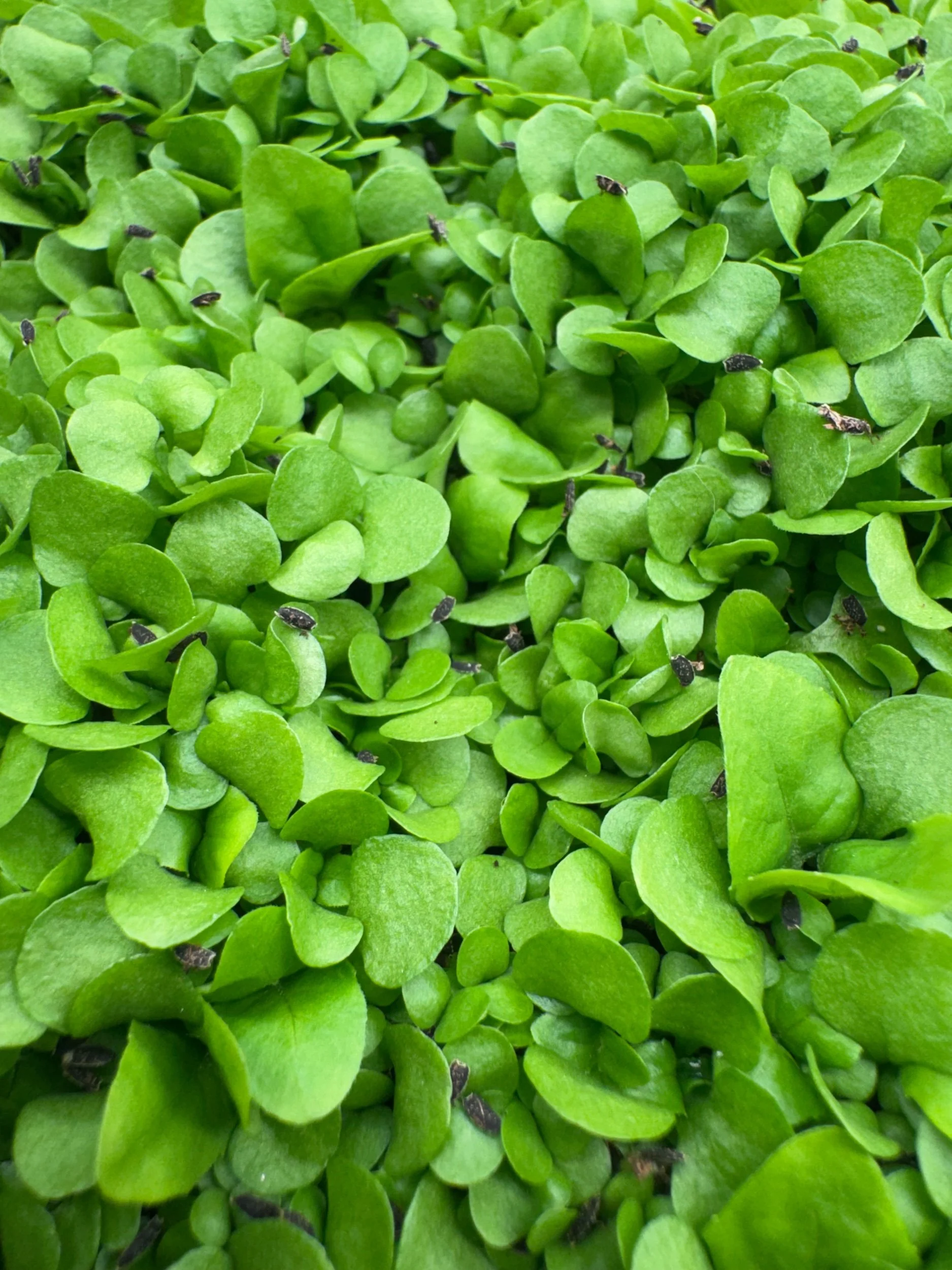
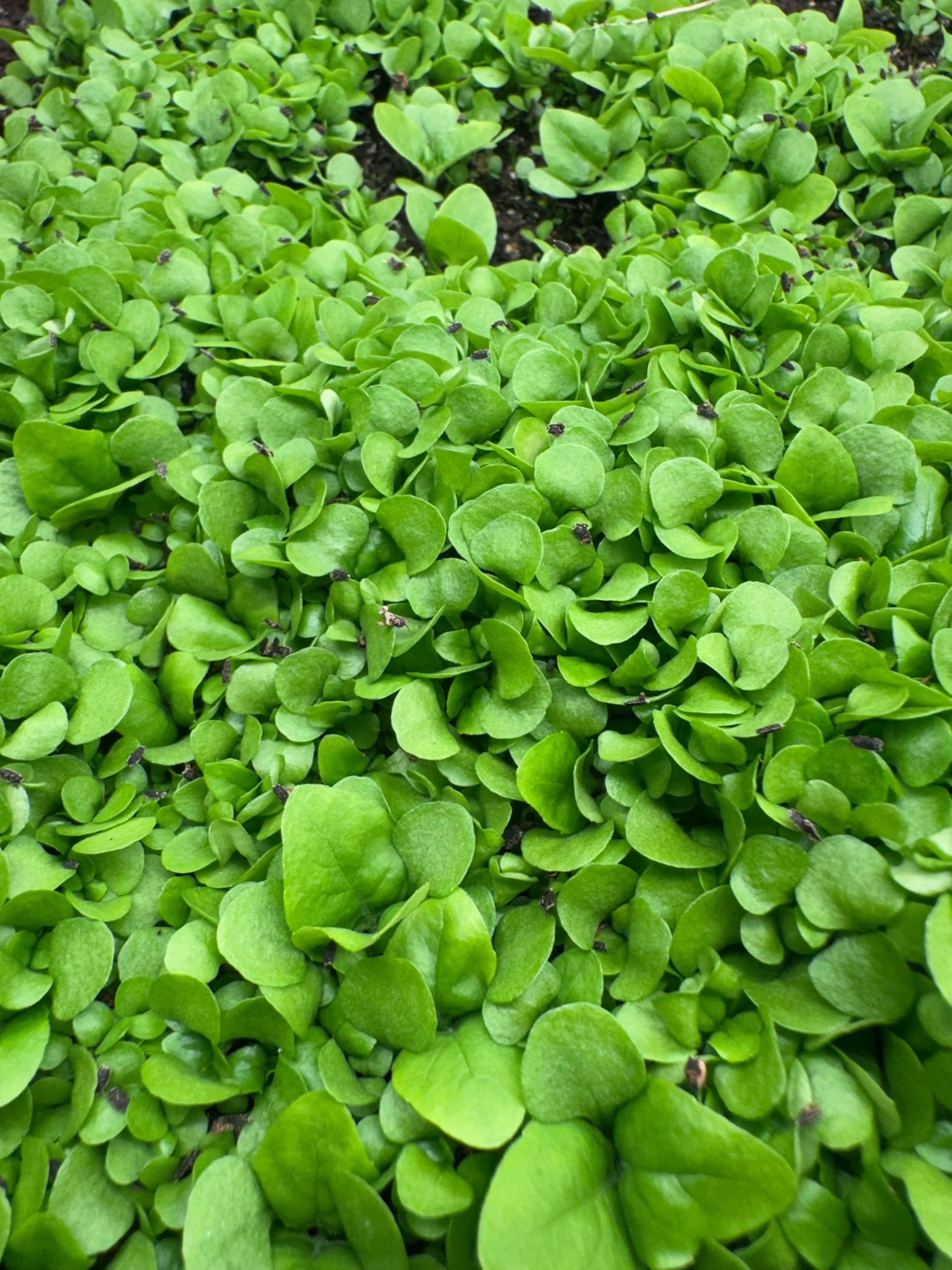
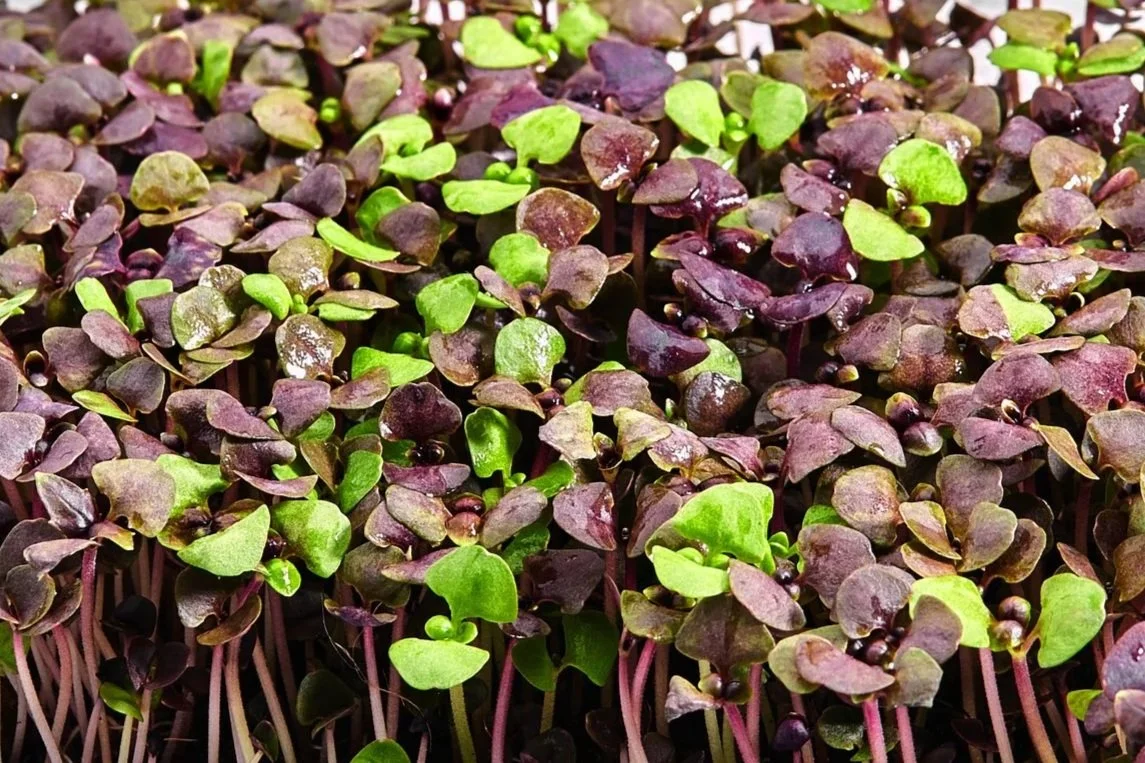
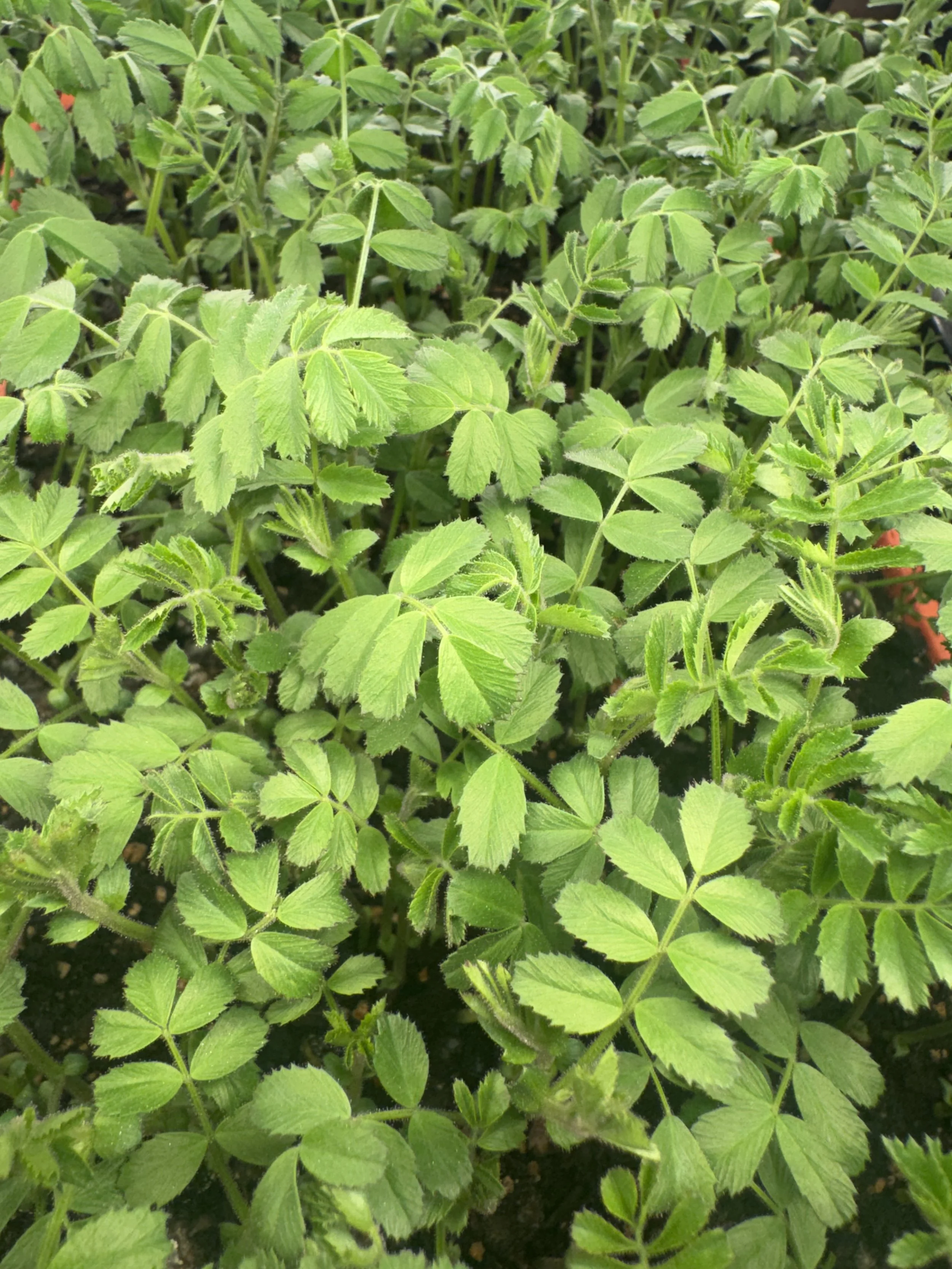
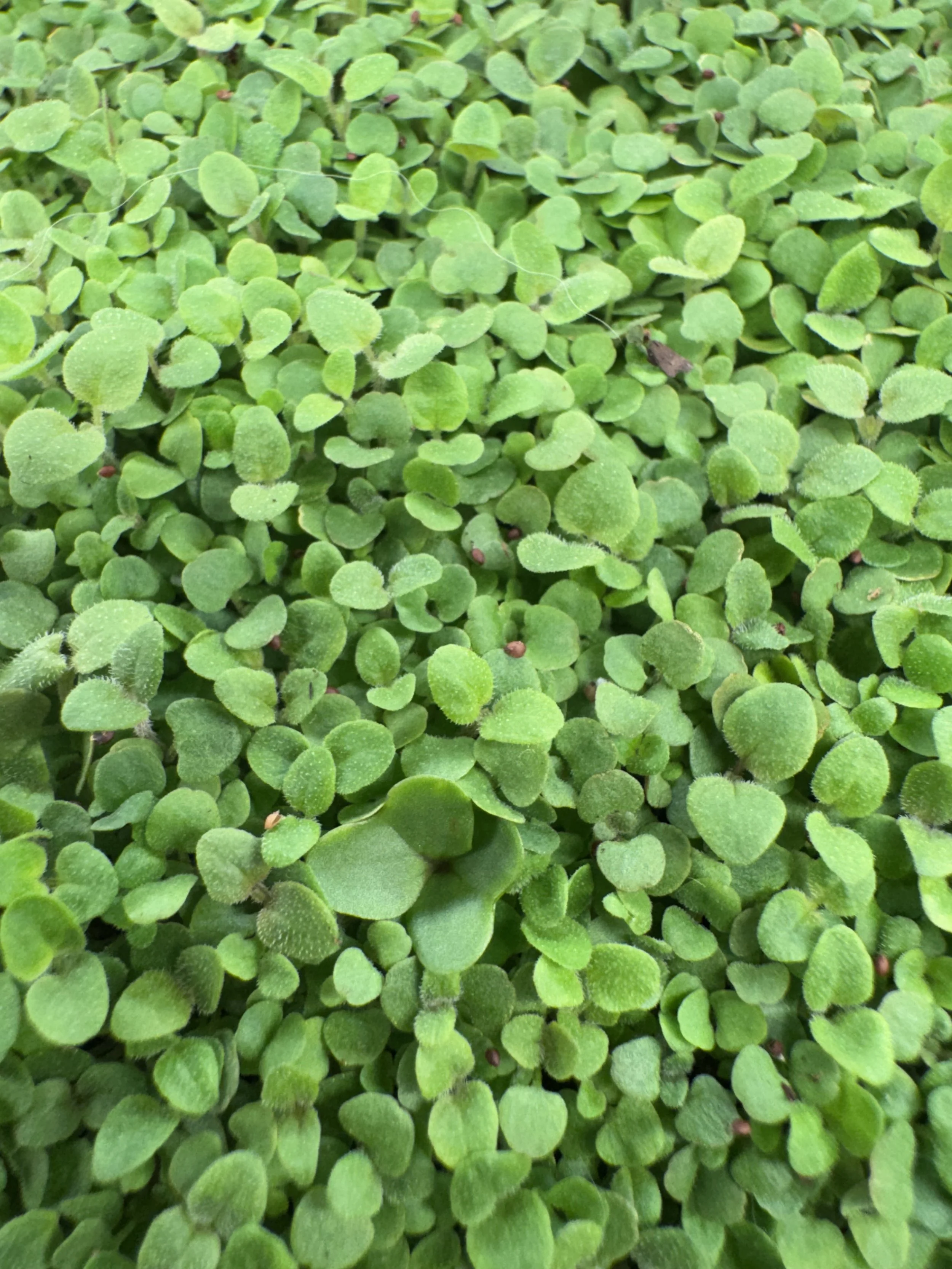
This item is grown to order. It is a slower growing variety and requires a 3 week lead time. We will grow a 10"x10" tray of these micros which we will cut and package for you when they are ready.
Disclaimer: Nutritional information and listed Health Benefits have not been evaluated by the Food and Drug Administration. This product is not intended to diagnose, treat, cure, or prevent any disease. The information on this website is for educational purposes only and not intended as medical advice.
History:
Greek oregano (Origanum vulgare hirtum) has deep roots in Mediterranean history, originating in Greece where it was cherished by ancient civilizations as a symbol of joy and happiness, legendarily created by Aphrodite. Known for its intense, spicy flavor, it was used in wedding wreaths for fertility and placed on graves, later becoming a staple medicinal herb for pain, infections, and digestive issues.
Flavor Profile:
Intense, aromatic, and savory flavor that perfectly mimics mature oregano but with a slightly sweeter, milder, and more peppery bite. Often described as having a bold, earthy aroma, they provide a strong Mediterranean punch to salads, pizzas, and Italian dishes.
Suggested Uses:
Greek oregano microgreens offer a concentrated, pungent, and spicy-sweet aroma, making them ideal as a premium, flavorful garnish for Mediterranean dishes, pizzas, pasta, and salads. Rich in antioxidants and vitamins A, C, E, and K, they enhance both the nutritional value and, through their intense flavor, the aesthetic appeal of gourmet dishes.
Garnish & Flavor Enhancement: Use as a fresh, peppery, and aromatic finish on pizza, pasta, tomato-based soups, and sauces.
Salads & Appetizers: Add to Greek salads, sprinkle over mozzarella and tomatoes, or use in bruschetta.
Pairings: Complements olive oil-based dishes, grilled vegetables, fish, and meat dishes.
Infusions: Use in salad dressings, herb marinades, or mixed into dips.
Nutrition:*not verified by FDA
Greek oregano microgreens are nutrient-dense, aromatic, and packed with high levels of antioxidants, vitamins A, C, and K, along with calcium, iron, and manganese.
High Antioxidant Content: They contain significant phytonutrients, with some studies suggesting they are more nutrient-dense than their mature counterparts.
Vitamin Boost: They are rich in vitamins K, C, and A, which are essential for bone strength, immunity, and vision.
Mineral Density: They provide manganese, iron, and calcium.
Bioavailability: The sprouting process improves the nutrient digestibility and bioaccessibility.
Potential Health Benefits:*not verified by FDA
Greek oregano microgreens are a nutrient-dense superfood packed with potent antioxidants, vitamins (A, C, K), and minerals like iron and calcium, which support immune function and bone health. They offer strong antibacterial, antimicrobial, and anti-inflammatory properties, useful for aiding digestion, reducing cholesterol, and soothing respiratory issues.
High Antioxidant Content: They contain compounds like carvacrol and thymol, which combat free radicals, reduce oxidative stress, and may help prevent chronic diseases.
Immune System Support: Rich in vitamins A and C, these microgreens may help boost the immune system and fight off infections like colds, flu, and sore throats.
Digestive Health: Known for anti-inflammatory properties, they can assist with indigestion, gas, and stomach viruses.
Antibacterial & Antiseptic Properties: Used traditionally to fight bacteria and parasites, with potential benefits for skin conditions and respiratory congestion.
Nutrient Density: They provide a concentrated source of essential nutrients such as vitamin K for blood clotting, calcium for bones, and manganese.
Usage and Considerations
Precautions: People with iron deficiencies should use them in moderation as they may interfere with iron absorption. They should also be avoided by those with allergies to plants in the mint family.
For maximum benefit, they are best consumed raw in salads or as a garnish to retain their volatile oils and nutritional value.
This item is grown to order. It is a slower growing variety and requires a 3 week lead time. We will grow a 10"x10" tray of these micros which we will cut and package for you when they are ready.
Disclaimer: Nutritional information and listed Health Benefits have not been evaluated by the Food and Drug Administration. This product is not intended to diagnose, treat, cure, or prevent any disease. The information on this website is for educational purposes only and not intended as medical advice.
History:
Greek oregano (Origanum vulgare hirtum) has deep roots in Mediterranean history, originating in Greece where it was cherished by ancient civilizations as a symbol of joy and happiness, legendarily created by Aphrodite. Known for its intense, spicy flavor, it was used in wedding wreaths for fertility and placed on graves, later becoming a staple medicinal herb for pain, infections, and digestive issues.
Flavor Profile:
Intense, aromatic, and savory flavor that perfectly mimics mature oregano but with a slightly sweeter, milder, and more peppery bite. Often described as having a bold, earthy aroma, they provide a strong Mediterranean punch to salads, pizzas, and Italian dishes.
Suggested Uses:
Greek oregano microgreens offer a concentrated, pungent, and spicy-sweet aroma, making them ideal as a premium, flavorful garnish for Mediterranean dishes, pizzas, pasta, and salads. Rich in antioxidants and vitamins A, C, E, and K, they enhance both the nutritional value and, through their intense flavor, the aesthetic appeal of gourmet dishes.
Garnish & Flavor Enhancement: Use as a fresh, peppery, and aromatic finish on pizza, pasta, tomato-based soups, and sauces.
Salads & Appetizers: Add to Greek salads, sprinkle over mozzarella and tomatoes, or use in bruschetta.
Pairings: Complements olive oil-based dishes, grilled vegetables, fish, and meat dishes.
Infusions: Use in salad dressings, herb marinades, or mixed into dips.
Nutrition:*not verified by FDA
Greek oregano microgreens are nutrient-dense, aromatic, and packed with high levels of antioxidants, vitamins A, C, and K, along with calcium, iron, and manganese.
High Antioxidant Content: They contain significant phytonutrients, with some studies suggesting they are more nutrient-dense than their mature counterparts.
Vitamin Boost: They are rich in vitamins K, C, and A, which are essential for bone strength, immunity, and vision.
Mineral Density: They provide manganese, iron, and calcium.
Bioavailability: The sprouting process improves the nutrient digestibility and bioaccessibility.
Potential Health Benefits:*not verified by FDA
Greek oregano microgreens are a nutrient-dense superfood packed with potent antioxidants, vitamins (A, C, K), and minerals like iron and calcium, which support immune function and bone health. They offer strong antibacterial, antimicrobial, and anti-inflammatory properties, useful for aiding digestion, reducing cholesterol, and soothing respiratory issues.
High Antioxidant Content: They contain compounds like carvacrol and thymol, which combat free radicals, reduce oxidative stress, and may help prevent chronic diseases.
Immune System Support: Rich in vitamins A and C, these microgreens may help boost the immune system and fight off infections like colds, flu, and sore throats.
Digestive Health: Known for anti-inflammatory properties, they can assist with indigestion, gas, and stomach viruses.
Antibacterial & Antiseptic Properties: Used traditionally to fight bacteria and parasites, with potential benefits for skin conditions and respiratory congestion.
Nutrient Density: They provide a concentrated source of essential nutrients such as vitamin K for blood clotting, calcium for bones, and manganese.
Usage and Considerations
Precautions: People with iron deficiencies should use them in moderation as they may interfere with iron absorption. They should also be avoided by those with allergies to plants in the mint family.
For maximum benefit, they are best consumed raw in salads or as a garnish to retain their volatile oils and nutritional value.