 Image 1 of 1
Disclaimer: Nutritional information and listed Health Benefits have not been evaluated by the Food and Drug Administration. This product is not intended to diagnose, treat, cure, or prevent any disease. The information on this website is for educational purposes only and not intended as medical advice.
History:
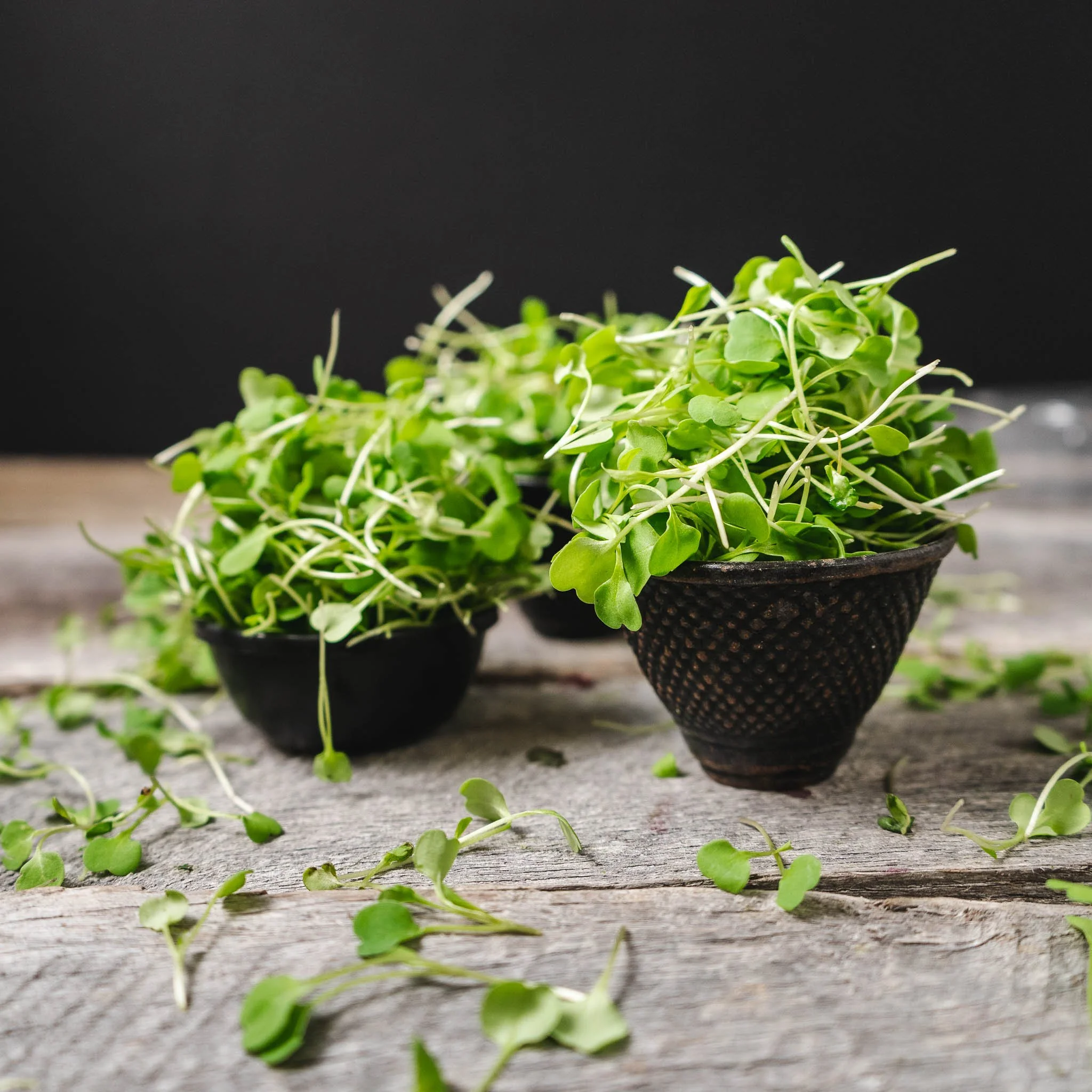
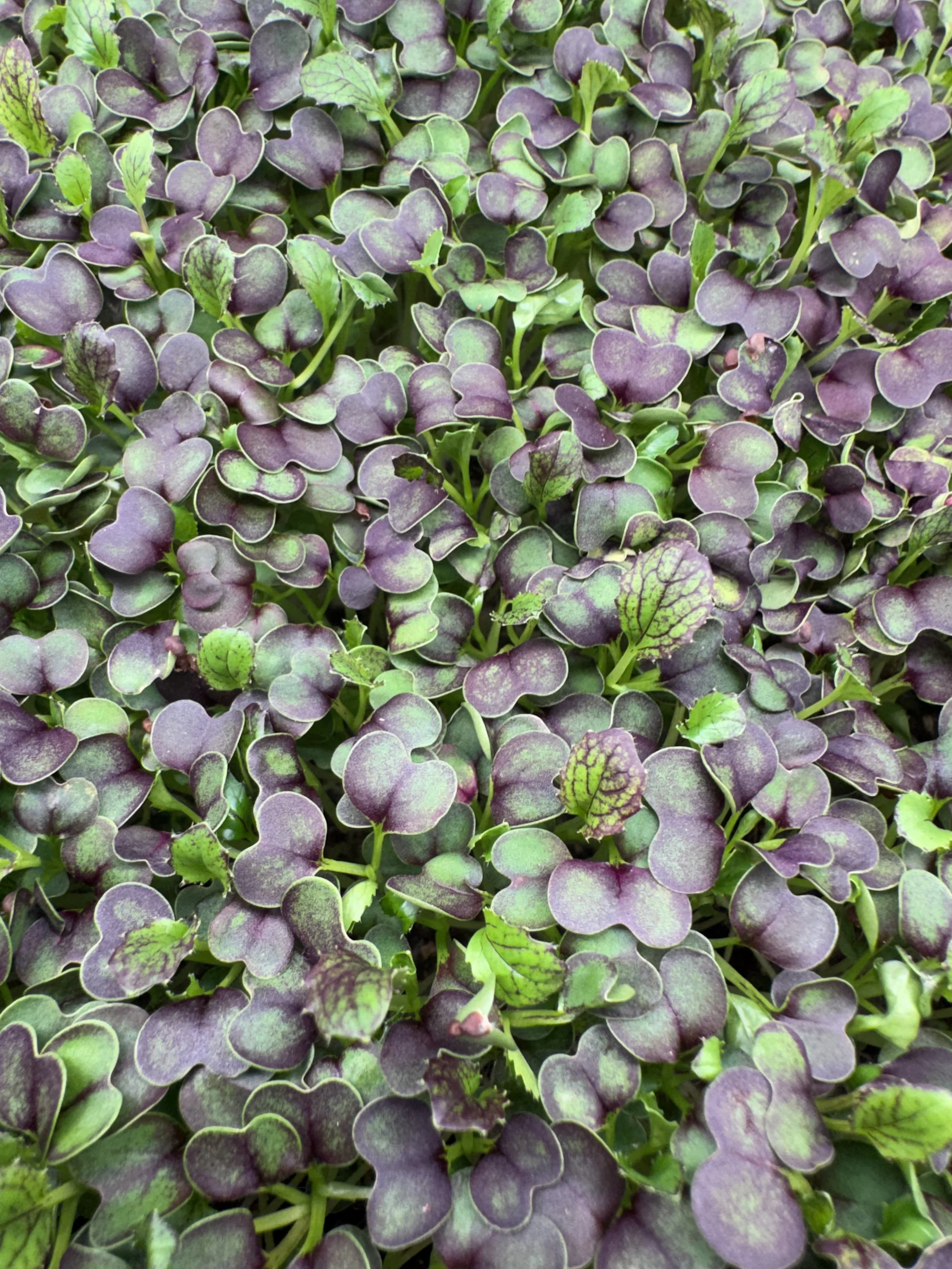
Mizuna (Brassica rapa var. niposinica), or "water greens," is an ancient Asian leafy green believed to have originated in China before being cultivated extensively in Japan since the 8th century. Often called Japanese mustard greens or spider mustard, it became a staple in Kyoto's cuisine, prized for its mild, pepper-mustard flavor and feathery, serrated leaves.
Flavor Profile:
Mizuna microgreens offer a mild, refreshing, and slightly tangy flavor, combining a gentle peppery bite with hints of mustard and a subtle, sweet, or nutty undertone. Often compared to a milder arugula or mustard green, these crisp and tender greens provide a vibrant, spicy, yet delicate flavor profile.
Suggested Uses:
Mizuna microgreens are versatile, mildly peppery, and crisp greens used primarily as a fresh, nutritious garnish for salads, sandwiches, pizzas, and soups, or to add a delicate mustard flavor to sushi and stir-fries. They are high in Vitamin K, antioxidants, and nutrients, making them a popular, nutrient-dense addition to both raw and cooked dishes.
Fresh Salads & Mixes: Often added to salads, mixed with other lettuce, or used in sandwiches and wraps to add a crunchy texture and slightly spicy flavor.
Garnish for Savory Dishes: Used to garnish pasta, risotto, pizza, roasted meats, grilled vegetables, and soups without wilting them.
Asian Cuisine: Ideal for topping hot pots, mixed into sushi, or stirred into ramen, miso-based broths, and fried rice.
Nutrient Boosters: Added to green juices, smoothies, or scattered over scrambled eggs and avocado toast.
Pairs Well With: Complements proteins like chicken, salmon, and pork, as well as cheese (goat, parmesan) and nuts.
For Pets: *(always consult a vet before adding microgreens to your pet’s diet)
Bearded Dragons: Mizuna microgreens are safe and highly nutritious for bearded dragons, providing a nutrient-dense food source up to 40% more packed with vitamins than mature veggies. They can be fed regularly as part of a varied salad, offering excellent vitamins and energy. Ensure they are washed and fed in moderation alongside other staple greens.
Cats: Mizuna microgreens are generally safe for cats to consume in small, moderate amounts. As a member of the Brassicaceae (mustard) family, mizuna is not on the list of toxic plants for cats, making them a safe, nutrient-dense treat that provides vitamins, antioxidants, and beneficial dietary fiber.
Dogs: Mizuna microgreens are safe and nutritious for dogs in moderation, offering vitamins and fiber. As a mild mustard green, they provide a peppery boost to food without the high sulfur content of mature greens. Always introduce them gradually and treat them as an occasional nutritional topper rather than a staple.
Guinea Pigs: Mizuna microgreens are safe for guinea pigs to eat in moderation. They are nutrient-dense, providing vitamins A, C, and D, making them a healthy addition to a varied diet. Introduce them slowly in small amounts—one or two leaves a day—to ensure they don't cause digestive upset.
Rabbits: Mizuna microgreens are generally safe for rabbits to eat. They are considered a nutritious, dark-leafy green that can be included in a balanced diet. Because microgreens are nutrient-dense, they should be fed in moderation, rather than as a primary meal component.
Nutrition:*not verified by FDA
Mizuna microgreens are a highly nutrient-dense, low-calorie superfood, packed with vitamins A, C, and K, as well as minerals like calcium, iron, and potassium.
Key Nutritional Profile (per 100g, approx.)
Calories: ~20–29 kcal
Protein: ~2.5–3 g
Vitamin K: Exceptionally high, often >300% of Daily Value (DV), supporting blood clotting and bone health
Vitamin A: Rich in carotenoids (Beta-carotene) for eye health and immune support
Vitamin C: High levels for immune system strengthening
Minerals: Good source of calcium, iron, magnesium, and potassium
Potential Health Benefits:*not verified by FDA
Mizuna microgreens significantly boost immunity, support bone health and blood clotting, improve eye health, and provide anti-inflammatory effects that may reduce chronic disease risks.
Immune System Support: High in Vitamin C and potent antioxidants which help fight infections and combat oxidative stress.
Bone Health and Density: They are an excellent source of Vitamin K, with some studies suggesting they provide three times the daily requirement, which is essential for bone metabolism and Calcium balance.
Eye Health and Vision: Rich in carotenoids and lutein, which are known to support long-term eye health.
Anti-inflammatory and Cancer Prevention: Contains glucosinolates, compounds associated with reducing inflammation and potentially protecting against certain cancers.
Heart Health and Digestion: They may help reduce cholesterol, improve blood circulation, and contain fiber that aids in gut health.
Blood Health: Provides iron, which is crucial for producing hemoglobin and transporting oxygen throughout the body.
Disclaimer: Nutritional information and listed Health Benefits have not been evaluated by the Food and Drug Administration. This product is not intended to diagnose, treat, cure, or prevent any disease. The information on this website is for educational purposes only and not intended as medical advice.
History:
Mizuna (Brassica rapa var. niposinica), or "water greens," is an ancient Asian leafy green believed to have originated in China before being cultivated extensively in Japan since the 8th century. Often called Japanese mustard greens or spider mustard, it became a staple in Kyoto's cuisine, prized for its mild, pepper-mustard flavor and feathery, serrated leaves.
Flavor Profile:
Mizuna microgreens offer a mild, refreshing, and slightly tangy flavor, combining a gentle peppery bite with hints of mustard and a subtle, sweet, or nutty undertone. Often compared to a milder arugula or mustard green, these crisp and tender greens provide a vibrant, spicy, yet delicate flavor profile.
Suggested Uses:
Mizuna microgreens are versatile, mildly peppery, and crisp greens used primarily as a fresh, nutritious garnish for salads, sandwiches, pizzas, and soups, or to add a delicate mustard flavor to sushi and stir-fries. They are high in Vitamin K, antioxidants, and nutrients, making them a popular, nutrient-dense addition to both raw and cooked dishes.
Fresh Salads & Mixes: Often added to salads, mixed with other lettuce, or used in sandwiches and wraps to add a crunchy texture and slightly spicy flavor.
Garnish for Savory Dishes: Used to garnish pasta, risotto, pizza, roasted meats, grilled vegetables, and soups without wilting them.
Asian Cuisine: Ideal for topping hot pots, mixed into sushi, or stirred into ramen, miso-based broths, and fried rice.
Nutrient Boosters: Added to green juices, smoothies, or scattered over scrambled eggs and avocado toast.
Pairs Well With: Complements proteins like chicken, salmon, and pork, as well as cheese (goat, parmesan) and nuts.
For Pets: *(always consult a vet before adding microgreens to your pet’s diet)
Bearded Dragons: Mizuna microgreens are safe and highly nutritious for bearded dragons, providing a nutrient-dense food source up to 40% more packed with vitamins than mature veggies. They can be fed regularly as part of a varied salad, offering excellent vitamins and energy. Ensure they are washed and fed in moderation alongside other staple greens.
Cats: Mizuna microgreens are generally safe for cats to consume in small, moderate amounts. As a member of the Brassicaceae (mustard) family, mizuna is not on the list of toxic plants for cats, making them a safe, nutrient-dense treat that provides vitamins, antioxidants, and beneficial dietary fiber.
Dogs: Mizuna microgreens are safe and nutritious for dogs in moderation, offering vitamins and fiber. As a mild mustard green, they provide a peppery boost to food without the high sulfur content of mature greens. Always introduce them gradually and treat them as an occasional nutritional topper rather than a staple.
Guinea Pigs: Mizuna microgreens are safe for guinea pigs to eat in moderation. They are nutrient-dense, providing vitamins A, C, and D, making them a healthy addition to a varied diet. Introduce them slowly in small amounts—one or two leaves a day—to ensure they don't cause digestive upset.
Rabbits: Mizuna microgreens are generally safe for rabbits to eat. They are considered a nutritious, dark-leafy green that can be included in a balanced diet. Because microgreens are nutrient-dense, they should be fed in moderation, rather than as a primary meal component.
Nutrition:*not verified by FDA
Mizuna microgreens are a highly nutrient-dense, low-calorie superfood, packed with vitamins A, C, and K, as well as minerals like calcium, iron, and potassium.
Key Nutritional Profile (per 100g, approx.)
Calories: ~20–29 kcal
Protein: ~2.5–3 g
Vitamin K: Exceptionally high, often >300% of Daily Value (DV), supporting blood clotting and bone health
Vitamin A: Rich in carotenoids (Beta-carotene) for eye health and immune support
Vitamin C: High levels for immune system strengthening
Minerals: Good source of calcium, iron, magnesium, and potassium
Potential Health Benefits:*not verified by FDA
Mizuna microgreens significantly boost immunity, support bone health and blood clotting, improve eye health, and provide anti-inflammatory effects that may reduce chronic disease risks.
Immune System Support: High in Vitamin C and potent antioxidants which help fight infections and combat oxidative stress.
Bone Health and Density: They are an excellent source of Vitamin K, with some studies suggesting they provide three times the daily requirement, which is essential for bone metabolism and Calcium balance.
Eye Health and Vision: Rich in carotenoids and lutein, which are known to support long-term eye health.
Anti-inflammatory and Cancer Prevention: Contains glucosinolates, compounds associated with reducing inflammation and potentially protecting against certain cancers.
Heart Health and Digestion: They may help reduce cholesterol, improve blood circulation, and contain fiber that aids in gut health.
Blood Health: Provides iron, which is crucial for producing hemoglobin and transporting oxygen throughout the body.