 Image 1 of 1
Disclaimer:Nutritional information and listed Health Benefits have not been evaluated by the Food and Drug Administration. This product is not intended to diagnose, treat, cure, or prevent any disease. The information on this website is for educational purposes only and not intended as medical advice.
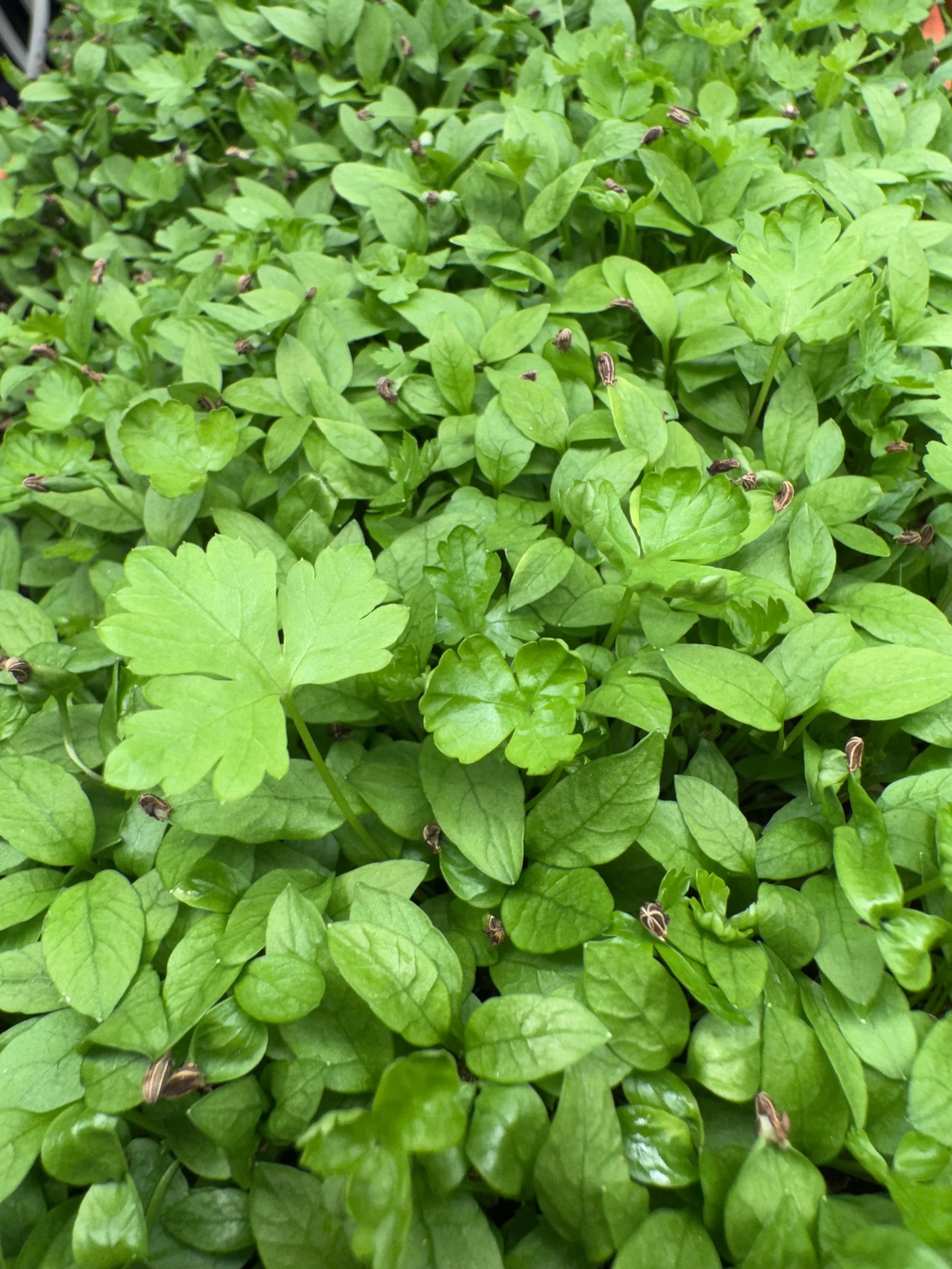
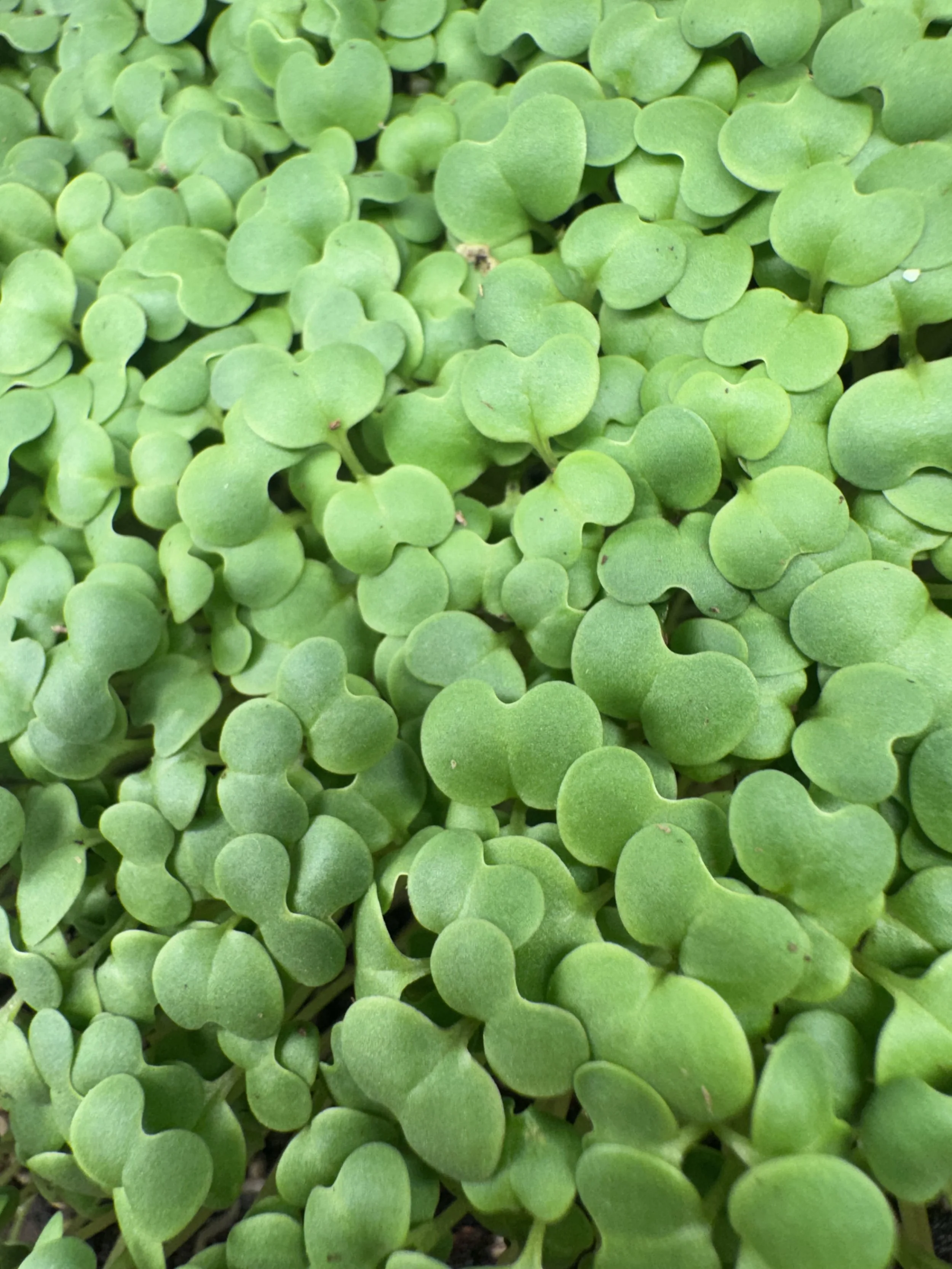
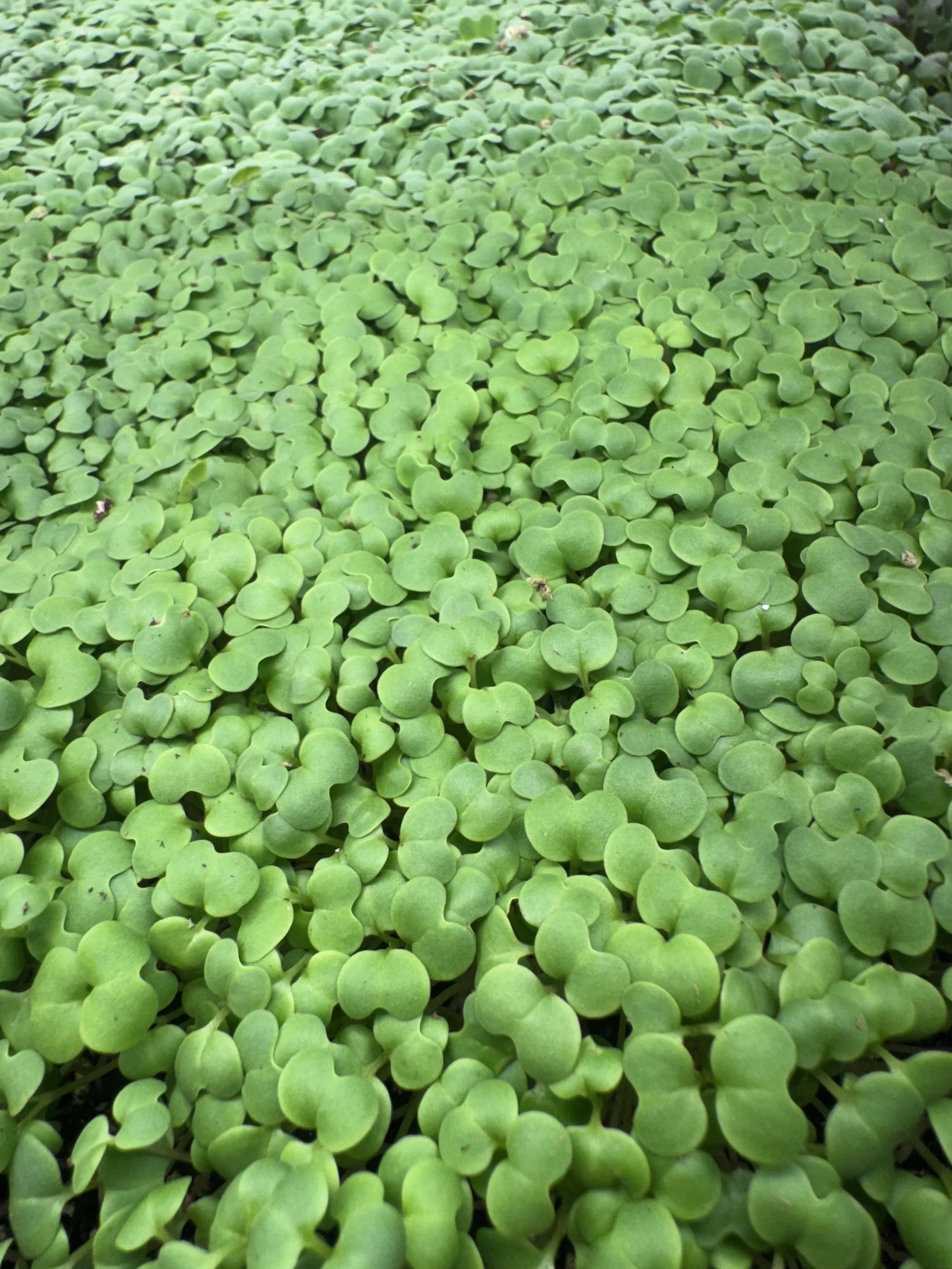
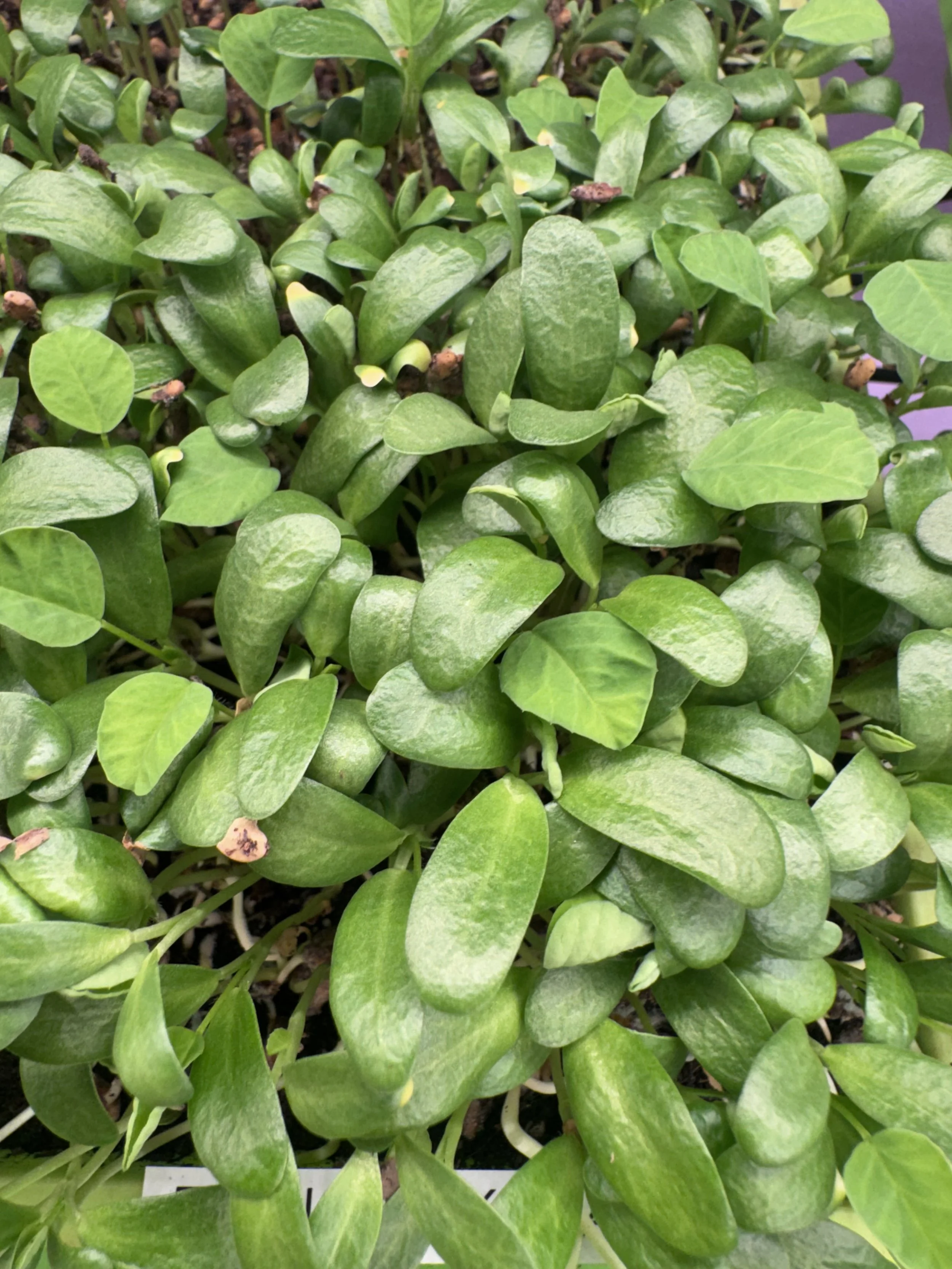
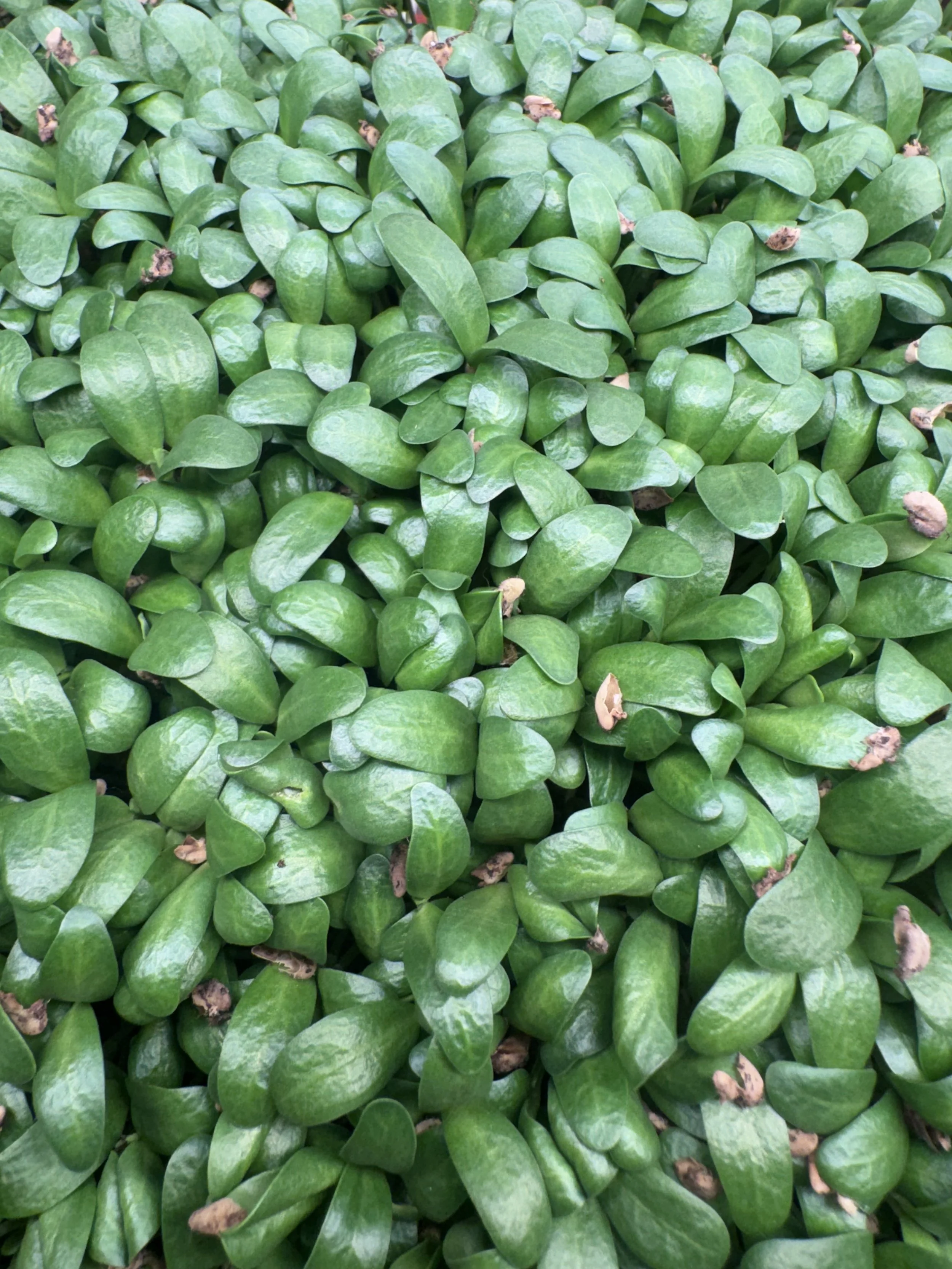
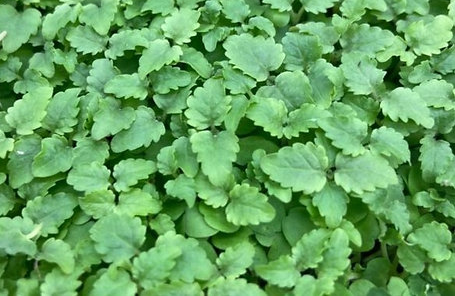
This item is grown to order and requires a longer 4 week lead time due to its slow growth rate. We will grow a 10"x10" tray of these micros which we will cut and package for you when they are ready.
History:
Lemon balm has a history of over 2,000 years, originating in the Mediterranean and western Asia before spreading across Europe and to North America. It was first cultivated for medicinal properties, attracting bees, and as a strewing herb, with its use documented by ancient Greek, Roman, and medieval physicians like Dioscorides and Avicenna. Historically, it has been used for its calming and mood-boosting effects, digestive aid, and to treat ailments like headaches and cold sores.
Flavor Profile:
Lemon balm microgreens have a bright, citrusy flavor with a refreshing minty and slightly sweet finish. They can also have a hint of bitterness that balances the lemon flavor. The taste is intense but mild compared to mature leaves, making them versatile for use in both savory dishes and desserts.
Suggested Uses:
Lemon balm microgreens can be used to add a fresh, citrusy, and slightly sweet flavor to a wide variety of dishes and drinks, including salads, cocktails, teas, and desserts. It's best to add them at the end of cooking or as a garnish to preserve their flavor and nutrients. They can be used raw in salads and sandwiches, blended into drinks like spritzers or mojitos, or used to finish both savory and sweet plates.
Culinary uses
Salads and sandwiches: Use as a fresh garnish to add a zesty flavor.
Cocktails and drinks: Muddle with other ingredients for a spritzer or mojito, or use as a garnish for drinks like gin and tonic.
Desserts: Incorporate into sweet preparations for desserts, sorbets, and ice creams.
Teas: Steep fresh leaves to make a calming herbal tea, though some flavor may be lost compared to the full plant.
Savory dishes: Add to marinades, vinaigrettes, or as a finishing garnish for poultry, fish, or Asian-inspired dishes.
Tips for use
Add at the end of cooking: To maintain their delicate flavor and nutrients, add lemon balm microgreens just before serving or use them raw.
Chop or tear: If a stronger flavor is desired, the leaves can be chiffonade and scattered over a dish.
Pairings: They pair well with other fruits, especially strawberries and raspberries, and flavors like honey, white chocolate, and citrus.
Nutrition:*not verified by FDA
Lemon balm microgreens are a nutritious food, rich in antioxidants, and containing vitamins A, B complex, C, D, and E, along with minerals like calcium, iron, magnesium, potassium, and phosphorus. They are also packed with beneficial phytonutrients such as flavonoids and phenolic compounds, which contribute to anti-inflammatory and antioxidant properties. These microgreens can support immune function, aid digestion, and may help reduce anxiety due to their calming effects.
Vitamins: A, B complex, C, D, and E
Minerals: Calcium, iron, magnesium, potassium, and phosphorus
Antioxidants: Flavonoids and phenolic compounds
Other: Low in calories and fat, with some fiber and water content
Potential Health Benefits:*not verified by FDA
Lemon balm microgreens offer benefits including antioxidant, anti-inflammatory, and antiviral properties, which can help improve mood, reduce anxiety, and aid digestion. They also contain vitamins, minerals, and beneficial plant compounds like rosmarinic acid that support immune function, skin health, and cardiovascular health.
Mental and cognitive well-being
Stress and anxiety: Lemon balm is known for its calming effects, which may help reduce stress and anxiety.
Mood and focus: Some research suggests it can improve mood and cognitive performance, including tasks related to concentration, memory, and mathematics.
Sleep: It may help improve sleep quality by easing restlessness.
Digestive health
Indigestion: Lemon balm has been shown to help alleviate symptoms of indigestion.
Gut flora: It may support overall digestive health.
Immune and cellular support
Antioxidants: They are rich in antioxidants, which protect cells from oxidative damage.
Immune support: Vitamins like C and A, along with other compounds, support immune function.
Antiviral properties: Lemon balm contains compounds that may help fight off viruses, such as the herpes simplex virus that causes cold sores.
Other health benefits
Anti-inflammatory: The microgreens possess anti-inflammatory properties that can benefit various conditions.
Skin health: Antioxidants and anti-inflammatory properties may help protect and soothe skin.
Heart health: Compounds like potassium help support cardiovascular health.
Nutrient-rich: They are a good source of various vitamins and minerals, including vitamins A, C, E, and K, as well as folate, calcium, and magnesium.
Disclaimer:Nutritional information and listed Health Benefits have not been evaluated by the Food and Drug Administration. This product is not intended to diagnose, treat, cure, or prevent any disease. The information on this website is for educational purposes only and not intended as medical advice.
This item is grown to order and requires a longer 4 week lead time due to its slow growth rate. We will grow a 10"x10" tray of these micros which we will cut and package for you when they are ready.
History:
Lemon balm has a history of over 2,000 years, originating in the Mediterranean and western Asia before spreading across Europe and to North America. It was first cultivated for medicinal properties, attracting bees, and as a strewing herb, with its use documented by ancient Greek, Roman, and medieval physicians like Dioscorides and Avicenna. Historically, it has been used for its calming and mood-boosting effects, digestive aid, and to treat ailments like headaches and cold sores.
Flavor Profile:
Lemon balm microgreens have a bright, citrusy flavor with a refreshing minty and slightly sweet finish. They can also have a hint of bitterness that balances the lemon flavor. The taste is intense but mild compared to mature leaves, making them versatile for use in both savory dishes and desserts.
Suggested Uses:
Lemon balm microgreens can be used to add a fresh, citrusy, and slightly sweet flavor to a wide variety of dishes and drinks, including salads, cocktails, teas, and desserts. It's best to add them at the end of cooking or as a garnish to preserve their flavor and nutrients. They can be used raw in salads and sandwiches, blended into drinks like spritzers or mojitos, or used to finish both savory and sweet plates.
Culinary uses
Salads and sandwiches: Use as a fresh garnish to add a zesty flavor.
Cocktails and drinks: Muddle with other ingredients for a spritzer or mojito, or use as a garnish for drinks like gin and tonic.
Desserts: Incorporate into sweet preparations for desserts, sorbets, and ice creams.
Teas: Steep fresh leaves to make a calming herbal tea, though some flavor may be lost compared to the full plant.
Savory dishes: Add to marinades, vinaigrettes, or as a finishing garnish for poultry, fish, or Asian-inspired dishes.
Tips for use
Add at the end of cooking: To maintain their delicate flavor and nutrients, add lemon balm microgreens just before serving or use them raw.
Chop or tear: If a stronger flavor is desired, the leaves can be chiffonade and scattered over a dish.
Pairings: They pair well with other fruits, especially strawberries and raspberries, and flavors like honey, white chocolate, and citrus.
Nutrition:*not verified by FDA
Lemon balm microgreens are a nutritious food, rich in antioxidants, and containing vitamins A, B complex, C, D, and E, along with minerals like calcium, iron, magnesium, potassium, and phosphorus. They are also packed with beneficial phytonutrients such as flavonoids and phenolic compounds, which contribute to anti-inflammatory and antioxidant properties. These microgreens can support immune function, aid digestion, and may help reduce anxiety due to their calming effects.
Vitamins: A, B complex, C, D, and E
Minerals: Calcium, iron, magnesium, potassium, and phosphorus
Antioxidants: Flavonoids and phenolic compounds
Other: Low in calories and fat, with some fiber and water content
Potential Health Benefits:*not verified by FDA
Lemon balm microgreens offer benefits including antioxidant, anti-inflammatory, and antiviral properties, which can help improve mood, reduce anxiety, and aid digestion. They also contain vitamins, minerals, and beneficial plant compounds like rosmarinic acid that support immune function, skin health, and cardiovascular health.
Mental and cognitive well-being
Stress and anxiety: Lemon balm is known for its calming effects, which may help reduce stress and anxiety.
Mood and focus: Some research suggests it can improve mood and cognitive performance, including tasks related to concentration, memory, and mathematics.
Sleep: It may help improve sleep quality by easing restlessness.
Digestive health
Indigestion: Lemon balm has been shown to help alleviate symptoms of indigestion.
Gut flora: It may support overall digestive health.
Immune and cellular support
Antioxidants: They are rich in antioxidants, which protect cells from oxidative damage.
Immune support: Vitamins like C and A, along with other compounds, support immune function.
Antiviral properties: Lemon balm contains compounds that may help fight off viruses, such as the herpes simplex virus that causes cold sores.
Other health benefits
Anti-inflammatory: The microgreens possess anti-inflammatory properties that can benefit various conditions.
Skin health: Antioxidants and anti-inflammatory properties may help protect and soothe skin.
Heart health: Compounds like potassium help support cardiovascular health.
Nutrient-rich: They are a good source of various vitamins and minerals, including vitamins A, C, E, and K, as well as folate, calcium, and magnesium.