 Image 1 of 1
Disclaimer:Nutritional information and listed Health Benefits have not been evaluated by the Food and Drug Administration. This product is not intended to diagnose, treat, cure, or prevent any disease. The information on this website is for educational purposes only and not intended as medical advice.
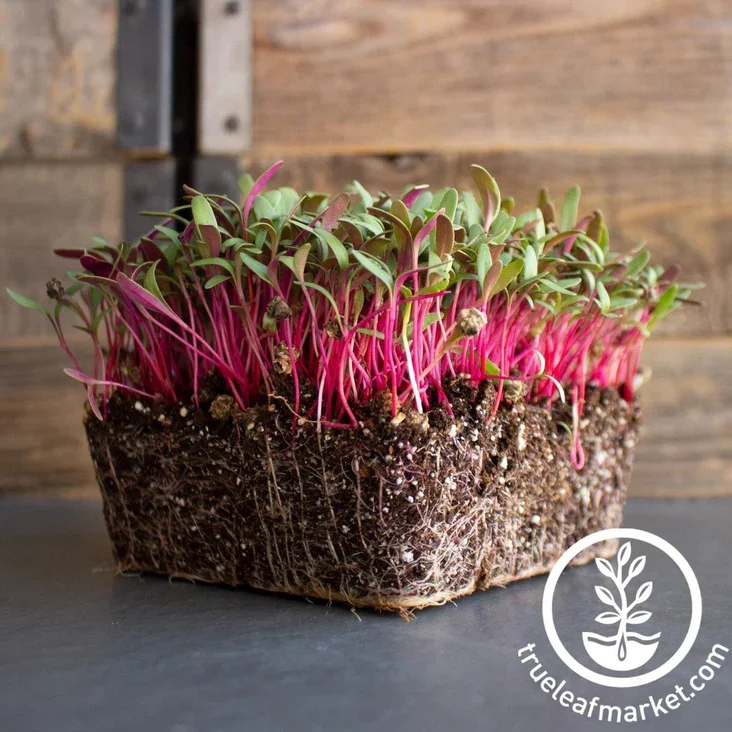
This item is grown to order and requires a 2 week lead time. We will grow a 10"x10" tray of these micros which we will cut and package for you when they are ready.
History:
Kohlrabi originated in northern Europe and was first documented in 1554, spreading to the Mediterranean, Asia, and the Americas. Its name comes from the German words "kohl" (cabbage) and "rabi" (turnip), reflecting its resemblance to a turnip but its origin from the wild cabbage family (Brassica oleracea). It has been a staple in some cuisines, such as northern India, and was formally mentioned in the U.S. in 1806.
Flavor Profile:
Kohlrabi microgreens have a mild, slightly sweet flavor reminiscent of cabbage, broccoli, and turnip. Some varieties, like the purple kohlrabi, can have a slightly peppery kick, but they are generally not overpowering and are a versatile addition to many dishes.
Suggested Uses:
Kohlrabi microgreens can be used as a fresh, nutritious garnish for countless dishes, adding a mild, sweet crunch to salads, sandwiches, wraps, and soups. They can also be blended into smoothies or used to elevate dishes like avocado toast, veggie bowls, and pasta.
Garnishes: Sprinkle on top of almost any meal for added flavor, texture, and color, such as on top of soups, nachos, or tacos.
Salads and slaws: Add to salads for a fresh element, or use them in place of or in addition to lettuce in coleslaws.
Sandwiches and wraps: Layer them inside to replace lettuce for a mild crunch and pop of color.
Avocado toast: Use as a vibrant topping for avocado toast, along with other ingredients like tomatoes and balsamic glaze.
Veggie bowls: Enhance veggie bowls with the added flavor, texture, and nutrients they provide.
Pasta dishes: Garnish pasta and pasta sauces to add a burst of freshness.
Smoothies: Blend into smoothies for a nutritional boost.
Egg dishes: Incorporate into scrambled eggs or other egg-based meals.
Nutrition:*not verified by FDA
Kohlrabi microgreens are rich in vitamins A, C, and K, as well as minerals like calcium, potassium, and phosphorus, and are packed with antioxidants like glucosinolates and carotenoids. These nutrients can help protect against cell damage, support healthy vision, aid digestion, and have been linked to improved heart health.
Vitamins and minerals
Vitamin A: Supports healthy vision
Vitamin C: An important antioxidant
Vitamin E: Another antioxidant
Vitamin K: Essential for blood clotting and bone health
B Vitamins: Including B6, B9 (Folate), and B1 (Thiamin)
Minerals: Calcium, potassium, phosphorus, and magnesium
Other beneficial compounds
Antioxidants: High levels of antioxidants such as carotenoids, flavonoids, and polyphenols help protect cells from damage.
Glucosinolates: These compounds are found in cruciferous vegetables like kohlrabi and are known for their health benefits, including potential cancer-fighting properties.
Fiber: Promotes healthy digestion and satiety.
Potential Health Benefits:
Kohlrabi microgreens are a nutritious food that can boost your immune system, improve heart and skin health, and support bone and digestive health. They are rich in vitamins (A, C, B6, K), minerals (calcium, potassium, iron), and antioxidants that help combat oxidative stress and inflammation.
Boosts immune system: Their high vitamin C content helps strengthen the immune system, making the body better at fighting off infections.
Supports heart health: Rich in fiber, potassium, and antioxidants, they can help maintain healthy blood pressure and support cardiovascular function.
Promotes digestive health: The fiber in kohlrabi microgreens aids digestion and promotes a healthy gut microbiome.
Enhances skin health: Antioxidants and vitamins contribute to healthier, more radiant skin.
Strengthens bones: Significant amounts of vitamin K and calcium help maintain strong bones.
Provides antioxidants: They are packed with antioxidants like anthocyanins (in purple varieties) and other compounds that protect against cellular damage.
Anti-inflammatory properties: Compounds in kohlrabi microgreens may have anti-inflammatory effects, which could help reduce the risk of chronic inflammatory conditions.
Disclaimer:Nutritional information and listed Health Benefits have not been evaluated by the Food and Drug Administration. This product is not intended to diagnose, treat, cure, or prevent any disease. The information on this website is for educational purposes only and not intended as medical advice.
This item is grown to order and requires a 2 week lead time. We will grow a 10"x10" tray of these micros which we will cut and package for you when they are ready.
History:
Kohlrabi originated in northern Europe and was first documented in 1554, spreading to the Mediterranean, Asia, and the Americas. Its name comes from the German words "kohl" (cabbage) and "rabi" (turnip), reflecting its resemblance to a turnip but its origin from the wild cabbage family (Brassica oleracea). It has been a staple in some cuisines, such as northern India, and was formally mentioned in the U.S. in 1806.
Flavor Profile:
Kohlrabi microgreens have a mild, slightly sweet flavor reminiscent of cabbage, broccoli, and turnip. Some varieties, like the purple kohlrabi, can have a slightly peppery kick, but they are generally not overpowering and are a versatile addition to many dishes.
Suggested Uses:
Kohlrabi microgreens can be used as a fresh, nutritious garnish for countless dishes, adding a mild, sweet crunch to salads, sandwiches, wraps, and soups. They can also be blended into smoothies or used to elevate dishes like avocado toast, veggie bowls, and pasta.
Garnishes: Sprinkle on top of almost any meal for added flavor, texture, and color, such as on top of soups, nachos, or tacos.
Salads and slaws: Add to salads for a fresh element, or use them in place of or in addition to lettuce in coleslaws.
Sandwiches and wraps: Layer them inside to replace lettuce for a mild crunch and pop of color.
Avocado toast: Use as a vibrant topping for avocado toast, along with other ingredients like tomatoes and balsamic glaze.
Veggie bowls: Enhance veggie bowls with the added flavor, texture, and nutrients they provide.
Pasta dishes: Garnish pasta and pasta sauces to add a burst of freshness.
Smoothies: Blend into smoothies for a nutritional boost.
Egg dishes: Incorporate into scrambled eggs or other egg-based meals.
Nutrition:*not verified by FDA
Kohlrabi microgreens are rich in vitamins A, C, and K, as well as minerals like calcium, potassium, and phosphorus, and are packed with antioxidants like glucosinolates and carotenoids. These nutrients can help protect against cell damage, support healthy vision, aid digestion, and have been linked to improved heart health.
Vitamins and minerals
Vitamin A: Supports healthy vision
Vitamin C: An important antioxidant
Vitamin E: Another antioxidant
Vitamin K: Essential for blood clotting and bone health
B Vitamins: Including B6, B9 (Folate), and B1 (Thiamin)
Minerals: Calcium, potassium, phosphorus, and magnesium
Other beneficial compounds
Antioxidants: High levels of antioxidants such as carotenoids, flavonoids, and polyphenols help protect cells from damage.
Glucosinolates: These compounds are found in cruciferous vegetables like kohlrabi and are known for their health benefits, including potential cancer-fighting properties.
Fiber: Promotes healthy digestion and satiety.
Potential Health Benefits:
Kohlrabi microgreens are a nutritious food that can boost your immune system, improve heart and skin health, and support bone and digestive health. They are rich in vitamins (A, C, B6, K), minerals (calcium, potassium, iron), and antioxidants that help combat oxidative stress and inflammation.
Boosts immune system: Their high vitamin C content helps strengthen the immune system, making the body better at fighting off infections.
Supports heart health: Rich in fiber, potassium, and antioxidants, they can help maintain healthy blood pressure and support cardiovascular function.
Promotes digestive health: The fiber in kohlrabi microgreens aids digestion and promotes a healthy gut microbiome.
Enhances skin health: Antioxidants and vitamins contribute to healthier, more radiant skin.
Strengthens bones: Significant amounts of vitamin K and calcium help maintain strong bones.
Provides antioxidants: They are packed with antioxidants like anthocyanins (in purple varieties) and other compounds that protect against cellular damage.
Anti-inflammatory properties: Compounds in kohlrabi microgreens may have anti-inflammatory effects, which could help reduce the risk of chronic inflammatory conditions.