 Image 1 of 1
Disclaimer: Nutritional information and listed Health Benefits have not been evaluated by the Food and Drug Administration. This product is not intended to diagnose, treat, cure, or prevent any disease. The information on this website is for educational purposes only and not intended as medical advice.
History:
Kale has a history spanning over 2,000 years, originating in the eastern Mediterranean or Asia Minor, and spread through Europe and Asia. It was brought to the Americas by English settlers in the 17th century and was initially used for decoration and as a food source for the poor or livestock. Kale became popular again in the 1990s and 2000s as a "superfood" due to its nutritional value, a rise often credited to a marketing campaign and increased celebrity endorsement.
Flavor Profile:
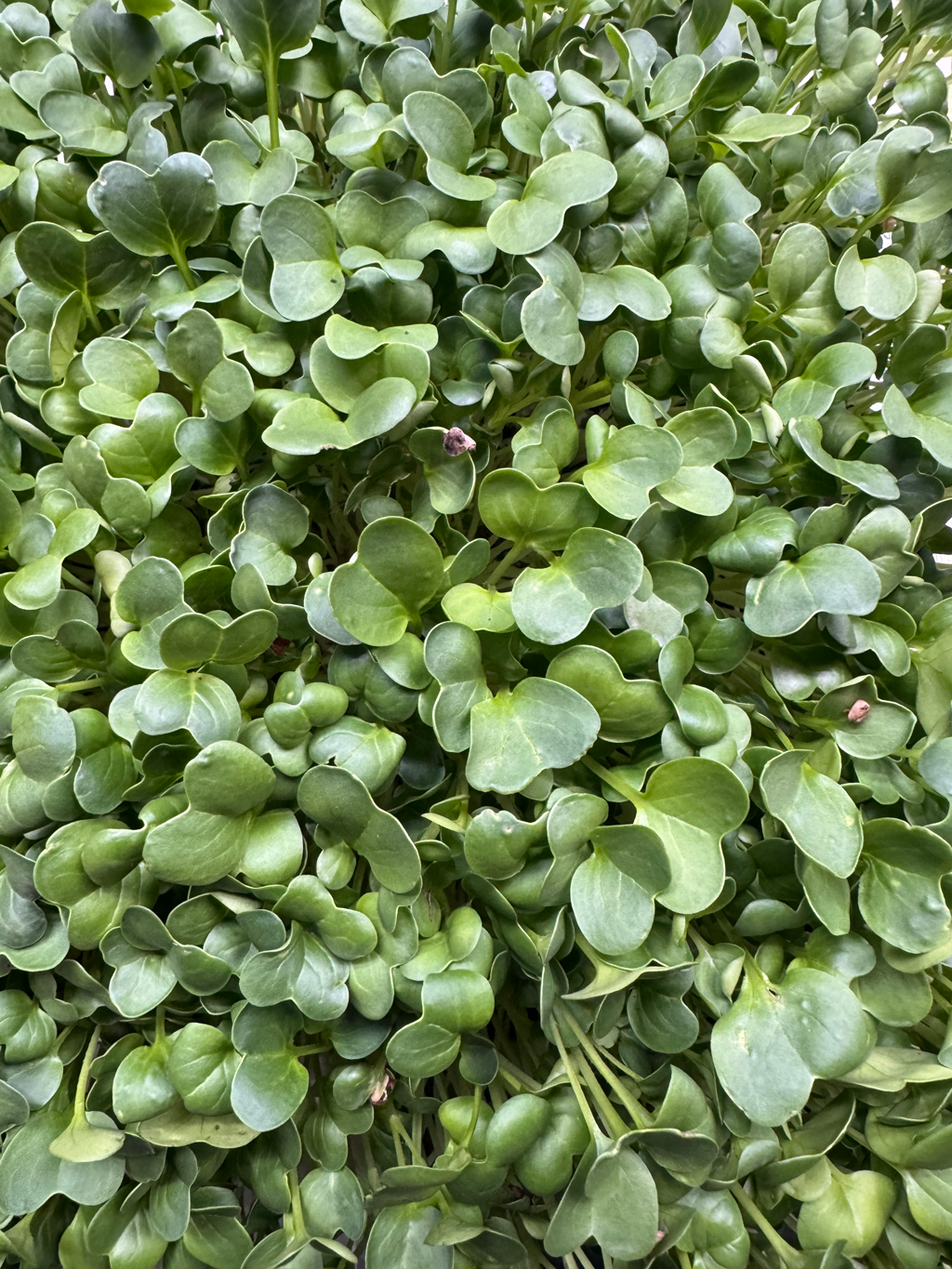
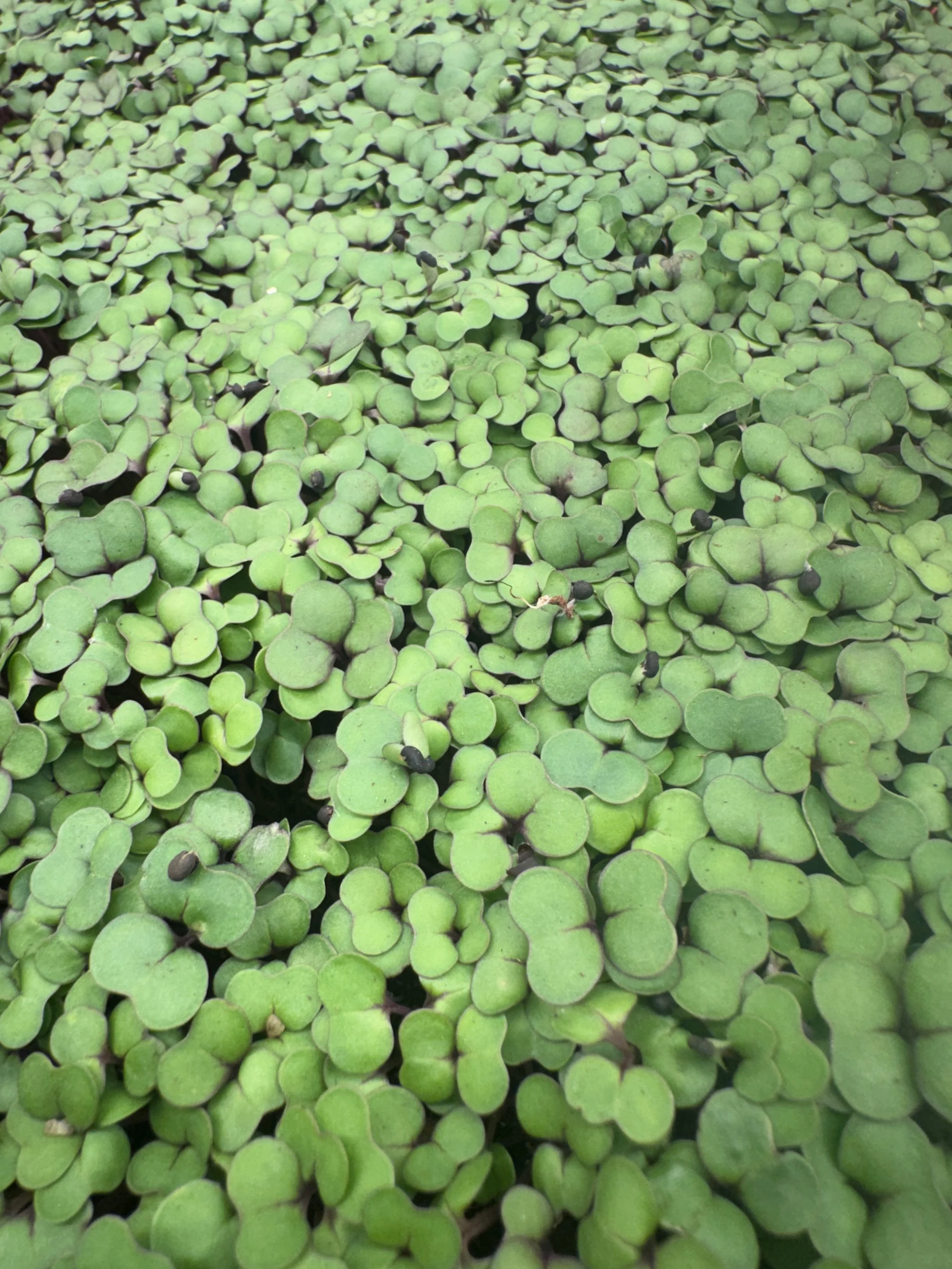
Kale microgreens have a mild, earthy, and slightly sweet flavor that is much less bitter than mature kale, often with hints of broccoli or cabbage.
Suggested Uses:
Kale microgreens can be used as a fresh, nutritious, and colorful addition to a wide variety of dishes, including salads, sandwiches, smoothies, and as a garnish for soups, omelets, and pasta. Their tender texture and mild flavor make them an easy way to add extra vitamins and minerals without overpowering the taste of a meal.
Salads and bowls: Toss them into fresh green salads or use as a topping for grain bowls, Buddha bowls, or veggie bowls.
Sandwiches and wraps: Substitute for lettuce to add flavor and nutrients to sandwiches, wraps, or veggie burgers.
Smoothies and juices: Blend them into smoothies or add to fresh juices for a nutrient boost.
Garnishes: Sprinkle on top of soups, stews, omelets, or pasta dishes just before serving.
Toast: Layer on top of avocado toast, which is a popular and easy way to use them.
Other dishes: Add to pizzas, baked potatoes, or casseroles for a fresh, vibrant touch.
For Pets: *(always consult a vet before adding microgreens to your pet’s diet)
Bearded Dragons: Kale microgreens are generally safe and nutritious for bearded dragons to eat as part of a varied diet. They provide vitamins A, C, and K, though they should be fed in moderation (1-2 times per week) to avoid potential issues with goitrogens, which can affect thyroid function.
Cats: Yes, kale microgreens are generally safe for cats in small, infrequent amounts, providing fiber and vitamins. However, they are not a natural part of a feline diet and should only be given as a treat. Because kale is part of the brassica family, large amounts can potentially cause thyroid issues or anemia (Heinz body anemia) in cats.
Dogs: Kale microgreens are safe and nutritious for dogs in moderation, providing vitamins A, C, K, and antioxidants that support immune health and combat aging. They are highly digestible and act as a nutrient-dense snack, but should only make up a small portion (roughly 10%) of a dog's diet to avoid digestive upset or kidney/bladder stones.
Guinea Pigs: Kale microgreens are generally safe and nutritious for guinea pigs in moderation, as they are packed with vitamins A and C, which are excellent for immunity and organ health. However, due to their relatively high calcium content, they should be fed sparingly to avoid bladder stones.
Rabbits: Kale microgreens are generally safe for rabbits to eat, but they should only be given in small, infrequent amounts (as a treat or mix-in) rather than a staple daily food. While packed with vitamins, kale microgreens can cause gas, bloating, or digestive upset in sensitive rabbits if overfed.
Nutrition:*not verified by FDA
Kale microgreens are a nutrient-dense food, containing high concentrations of vitamins and minerals, particularly vitamins A, C, and K, and minerals like calcium, iron, and potassium. They also provide antioxidants such as lutein and zeaxanthin, which are important for eye health. The nutrient levels in microgreens can be significantly higher than in mature kale plants, sometimes up to 40 times more.
Vitamins: Kale microgreens are an excellent source of Vitamin K (over 300% of the daily value) and also provide high amounts of Vitamin C and Vitamin A. They are also rich in other B vitamins, including folate, riboflavin, niacin, and B6.
Minerals: They are packed with essential minerals, including high amounts of calcium, iron, and potassium. Other minerals present include magnesium, phosphorus, zinc, and manganese.
Antioxidants: Kale microgreens are loaded with antioxidants, especially the carotenoids lutein and zeaxanthin, which are crucial for eye health and may help protect against age-related vision problems like cataracts and macular degeneration.
Fiber: They are a good source of dietary fiber, which aids in digestion.
Protein: Kale microgreens contain a decent amount of protein.
Potential Health Benefits:*not verified by FDA
Rich in nutrients: A concentrated source of vitamins A, C, and K, as well as calcium, iron, and magnesium, which are vital for overall health.
Boosts immune function: High levels of vitamins A and C support a healthy immune system.
Supports bone health: Provide essential vitamins and minerals like vitamin K and calcium, which are crucial for strong bones and preventing osteoporosis.
Heart-healthy: May help maintain healthy cholesterol levels and support cardiovascular wellness due to their potassium, magnesium, and fiber content.
Rich in antioxidants: Packed with antioxidants like lutein and zeaxanthin that protect cells from damage, reduce inflammation, and lower the risk of chronic diseases.
Improves eye health: Contain antioxidants that help protect eyes from damage and can improve vision.
Aids digestion: High in fiber, which promotes gut health and smooth digestion.
Detoxifying properties: Contain compounds like sulforaphane, known for their ability to help detoxify the body.
Disclaimer: Nutritional information and listed Health Benefits have not been evaluated by the Food and Drug Administration. This product is not intended to diagnose, treat, cure, or prevent any disease. The information on this website is for educational purposes only and not intended as medical advice.
History:
Kale has a history spanning over 2,000 years, originating in the eastern Mediterranean or Asia Minor, and spread through Europe and Asia. It was brought to the Americas by English settlers in the 17th century and was initially used for decoration and as a food source for the poor or livestock. Kale became popular again in the 1990s and 2000s as a "superfood" due to its nutritional value, a rise often credited to a marketing campaign and increased celebrity endorsement.
Flavor Profile:
Kale microgreens have a mild, earthy, and slightly sweet flavor that is much less bitter than mature kale, often with hints of broccoli or cabbage.
Suggested Uses:
Kale microgreens can be used as a fresh, nutritious, and colorful addition to a wide variety of dishes, including salads, sandwiches, smoothies, and as a garnish for soups, omelets, and pasta. Their tender texture and mild flavor make them an easy way to add extra vitamins and minerals without overpowering the taste of a meal.
Salads and bowls: Toss them into fresh green salads or use as a topping for grain bowls, Buddha bowls, or veggie bowls.
Sandwiches and wraps: Substitute for lettuce to add flavor and nutrients to sandwiches, wraps, or veggie burgers.
Smoothies and juices: Blend them into smoothies or add to fresh juices for a nutrient boost.
Garnishes: Sprinkle on top of soups, stews, omelets, or pasta dishes just before serving.
Toast: Layer on top of avocado toast, which is a popular and easy way to use them.
Other dishes: Add to pizzas, baked potatoes, or casseroles for a fresh, vibrant touch.
For Pets: *(always consult a vet before adding microgreens to your pet’s diet)
Bearded Dragons: Kale microgreens are generally safe and nutritious for bearded dragons to eat as part of a varied diet. They provide vitamins A, C, and K, though they should be fed in moderation (1-2 times per week) to avoid potential issues with goitrogens, which can affect thyroid function.
Cats: Yes, kale microgreens are generally safe for cats in small, infrequent amounts, providing fiber and vitamins. However, they are not a natural part of a feline diet and should only be given as a treat. Because kale is part of the brassica family, large amounts can potentially cause thyroid issues or anemia (Heinz body anemia) in cats.
Dogs: Kale microgreens are safe and nutritious for dogs in moderation, providing vitamins A, C, K, and antioxidants that support immune health and combat aging. They are highly digestible and act as a nutrient-dense snack, but should only make up a small portion (roughly 10%) of a dog's diet to avoid digestive upset or kidney/bladder stones.
Guinea Pigs: Kale microgreens are generally safe and nutritious for guinea pigs in moderation, as they are packed with vitamins A and C, which are excellent for immunity and organ health. However, due to their relatively high calcium content, they should be fed sparingly to avoid bladder stones.
Rabbits: Kale microgreens are generally safe for rabbits to eat, but they should only be given in small, infrequent amounts (as a treat or mix-in) rather than a staple daily food. While packed with vitamins, kale microgreens can cause gas, bloating, or digestive upset in sensitive rabbits if overfed.
Nutrition:*not verified by FDA
Kale microgreens are a nutrient-dense food, containing high concentrations of vitamins and minerals, particularly vitamins A, C, and K, and minerals like calcium, iron, and potassium. They also provide antioxidants such as lutein and zeaxanthin, which are important for eye health. The nutrient levels in microgreens can be significantly higher than in mature kale plants, sometimes up to 40 times more.
Vitamins: Kale microgreens are an excellent source of Vitamin K (over 300% of the daily value) and also provide high amounts of Vitamin C and Vitamin A. They are also rich in other B vitamins, including folate, riboflavin, niacin, and B6.
Minerals: They are packed with essential minerals, including high amounts of calcium, iron, and potassium. Other minerals present include magnesium, phosphorus, zinc, and manganese.
Antioxidants: Kale microgreens are loaded with antioxidants, especially the carotenoids lutein and zeaxanthin, which are crucial for eye health and may help protect against age-related vision problems like cataracts and macular degeneration.
Fiber: They are a good source of dietary fiber, which aids in digestion.
Protein: Kale microgreens contain a decent amount of protein.
Potential Health Benefits:*not verified by FDA
Rich in nutrients: A concentrated source of vitamins A, C, and K, as well as calcium, iron, and magnesium, which are vital for overall health.
Boosts immune function: High levels of vitamins A and C support a healthy immune system.
Supports bone health: Provide essential vitamins and minerals like vitamin K and calcium, which are crucial for strong bones and preventing osteoporosis.
Heart-healthy: May help maintain healthy cholesterol levels and support cardiovascular wellness due to their potassium, magnesium, and fiber content.
Rich in antioxidants: Packed with antioxidants like lutein and zeaxanthin that protect cells from damage, reduce inflammation, and lower the risk of chronic diseases.
Improves eye health: Contain antioxidants that help protect eyes from damage and can improve vision.
Aids digestion: High in fiber, which promotes gut health and smooth digestion.
Detoxifying properties: Contain compounds like sulforaphane, known for their ability to help detoxify the body.