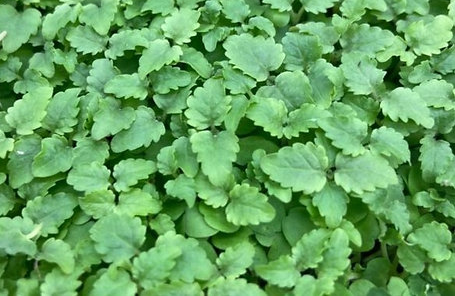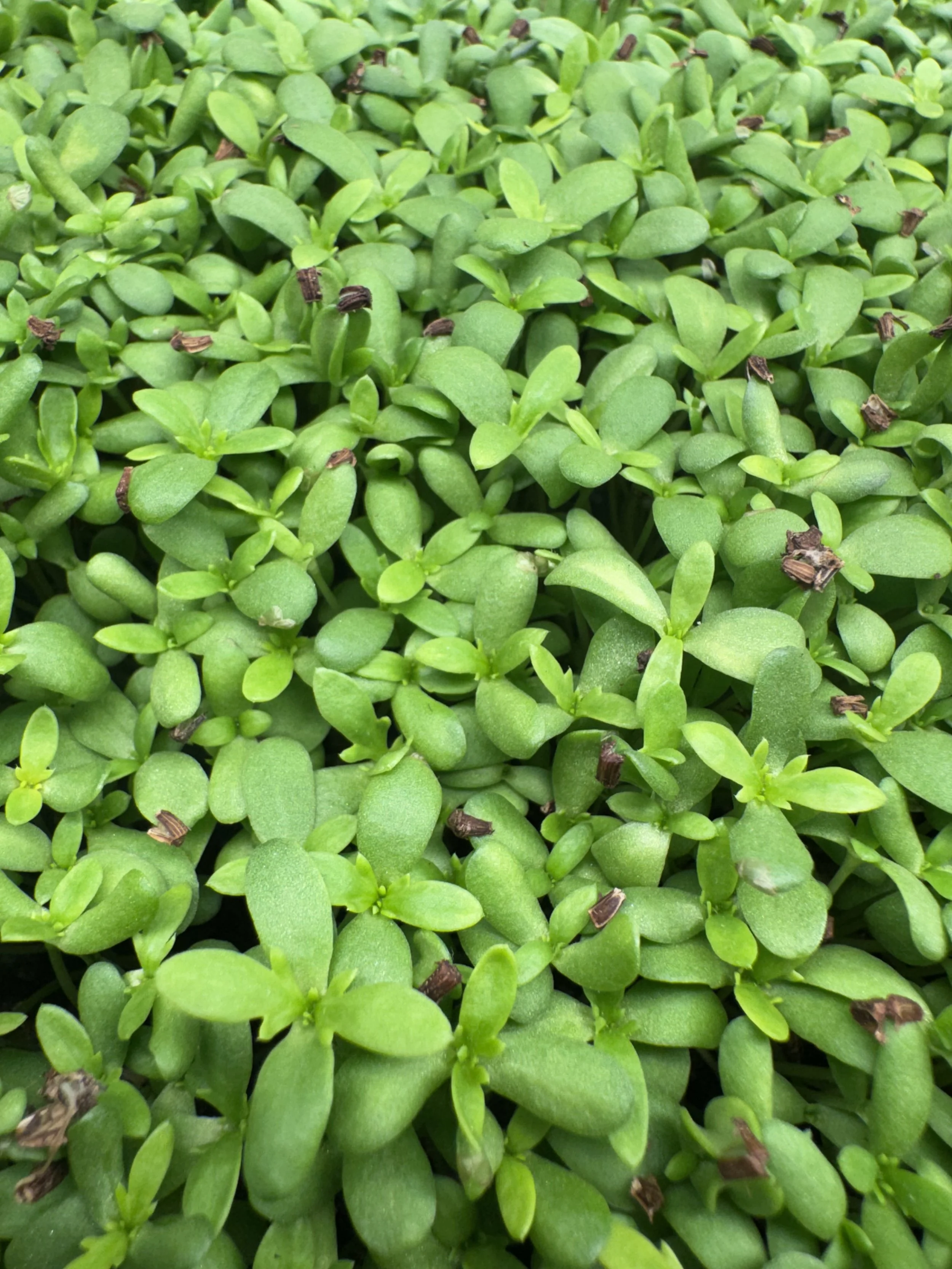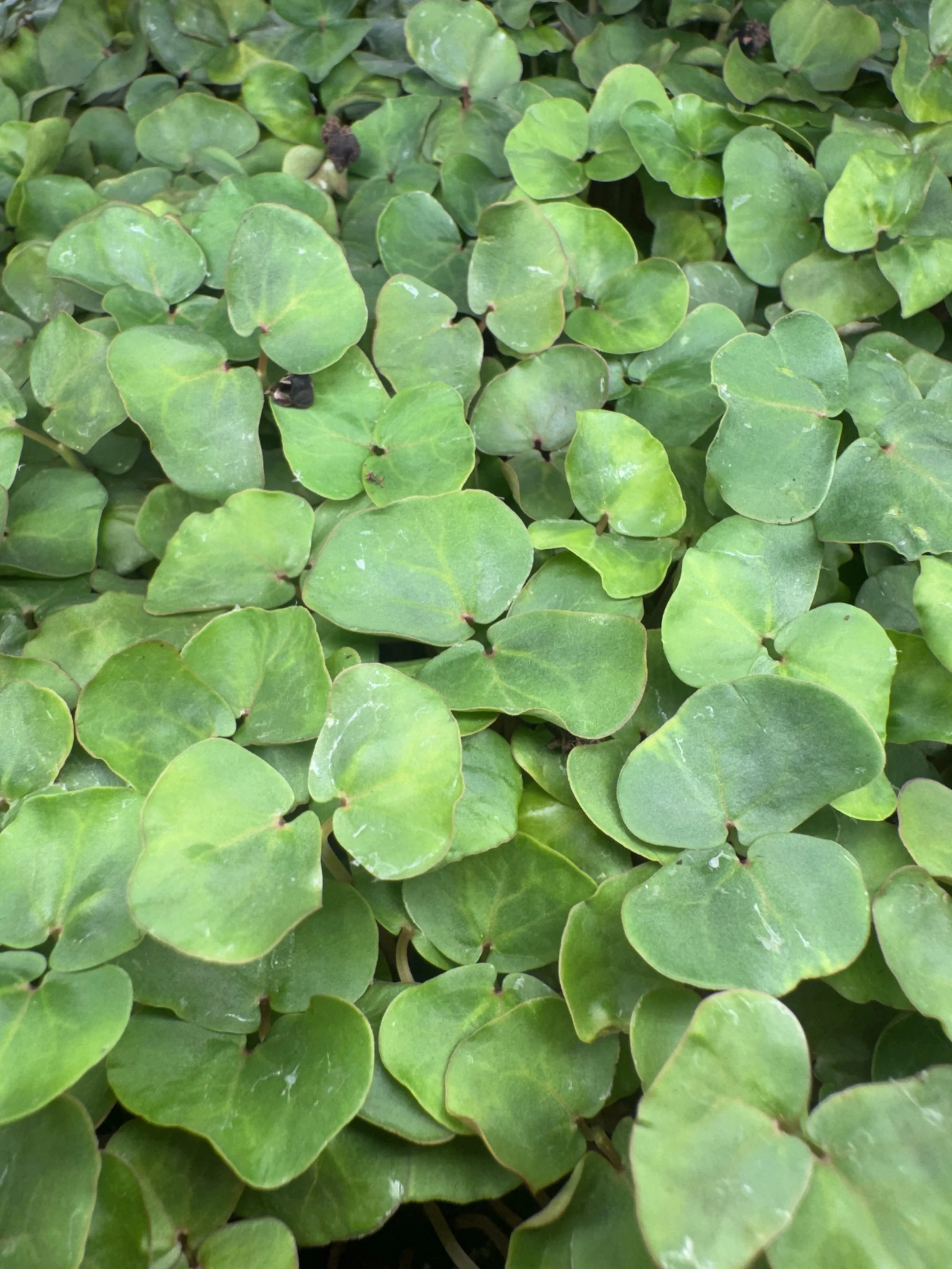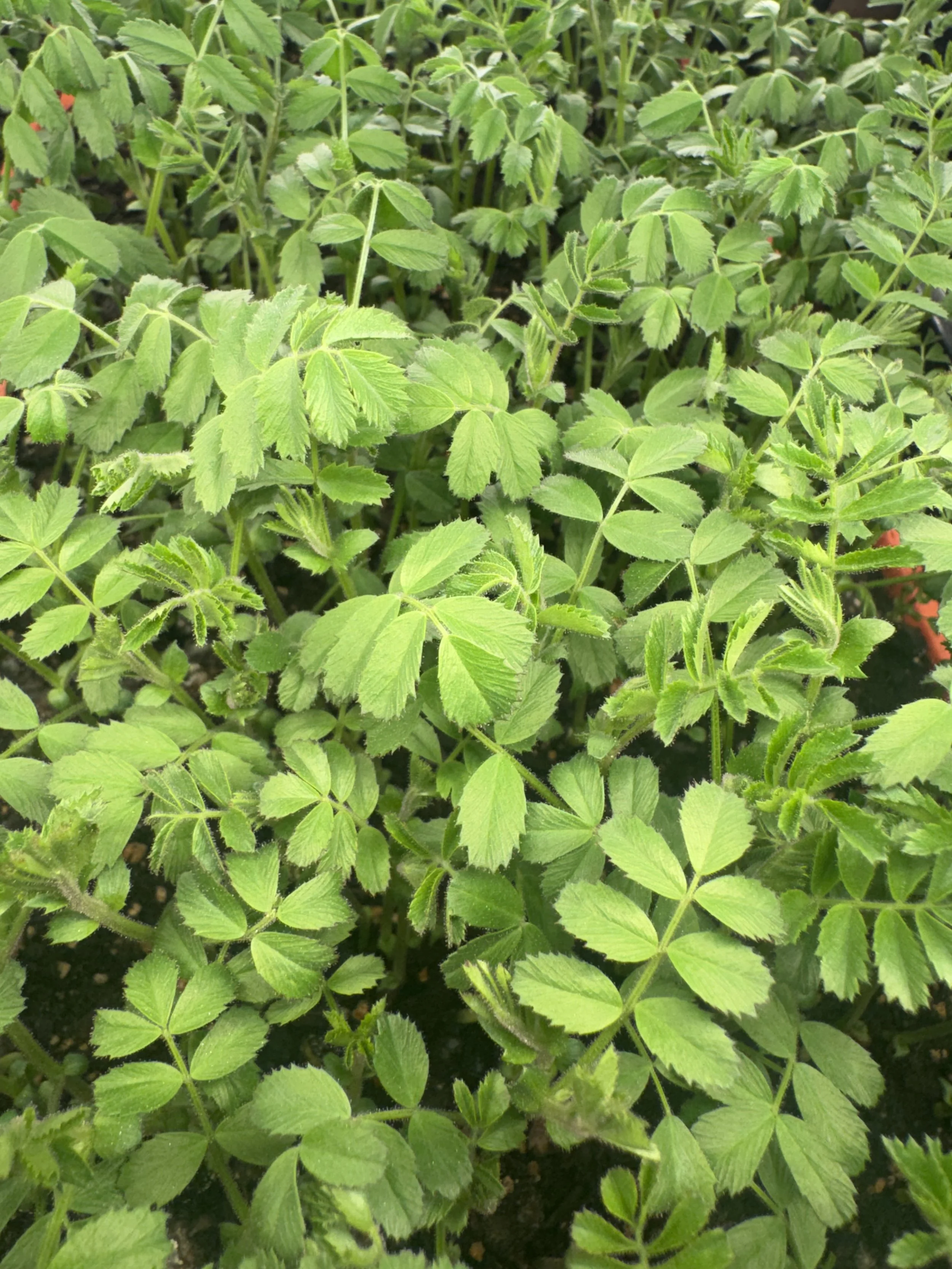
 Image 1 of 2
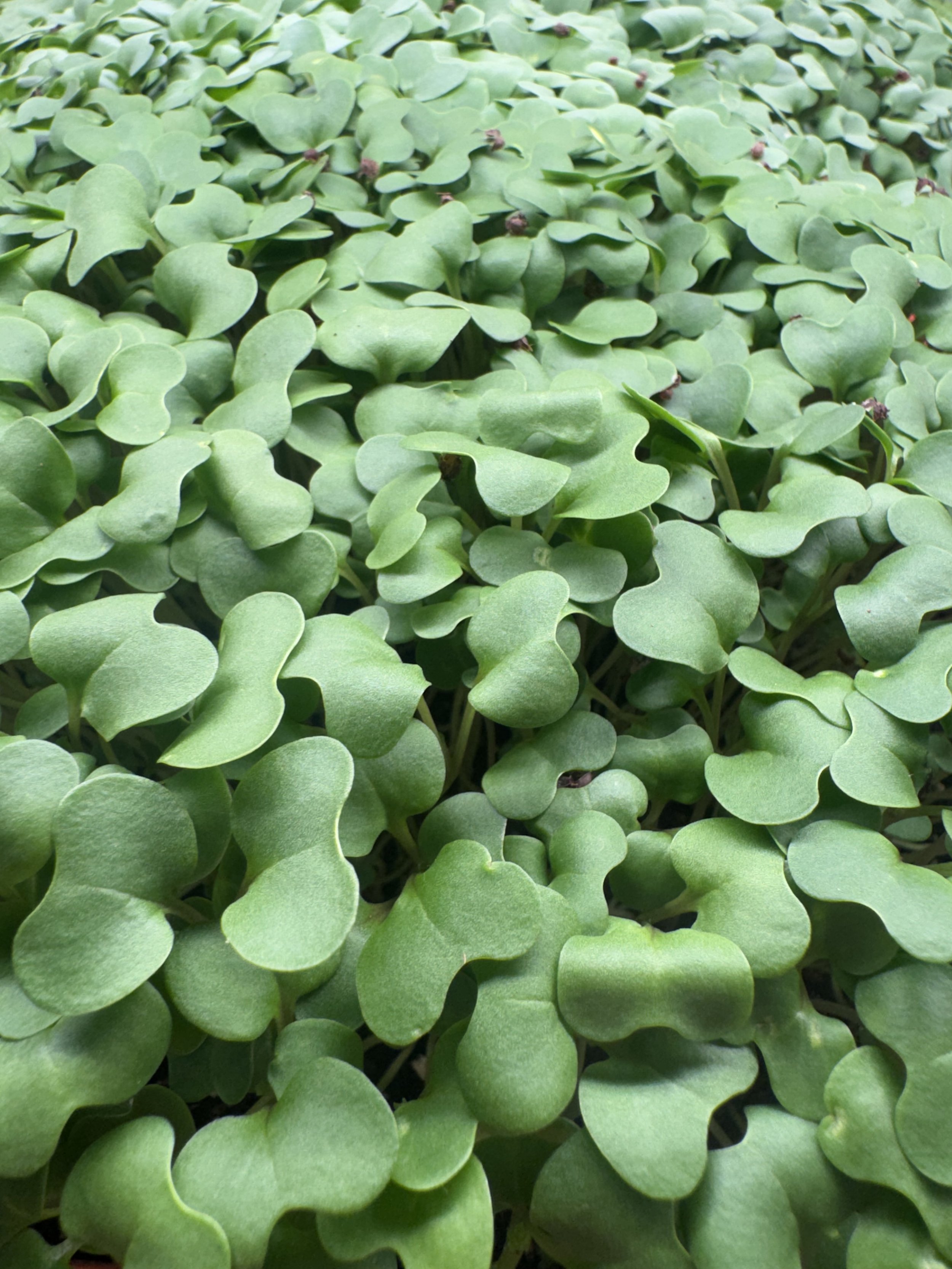 Image 2 of 2
Disclaimer:Nutritional information and listed Health Benefits have not been evaluated by the Food and Drug Administration. This product is not intended to diagnose, treat, cure, or prevent any disease. The information on this website is for educational purposes only and not intended as medical advice.
History:
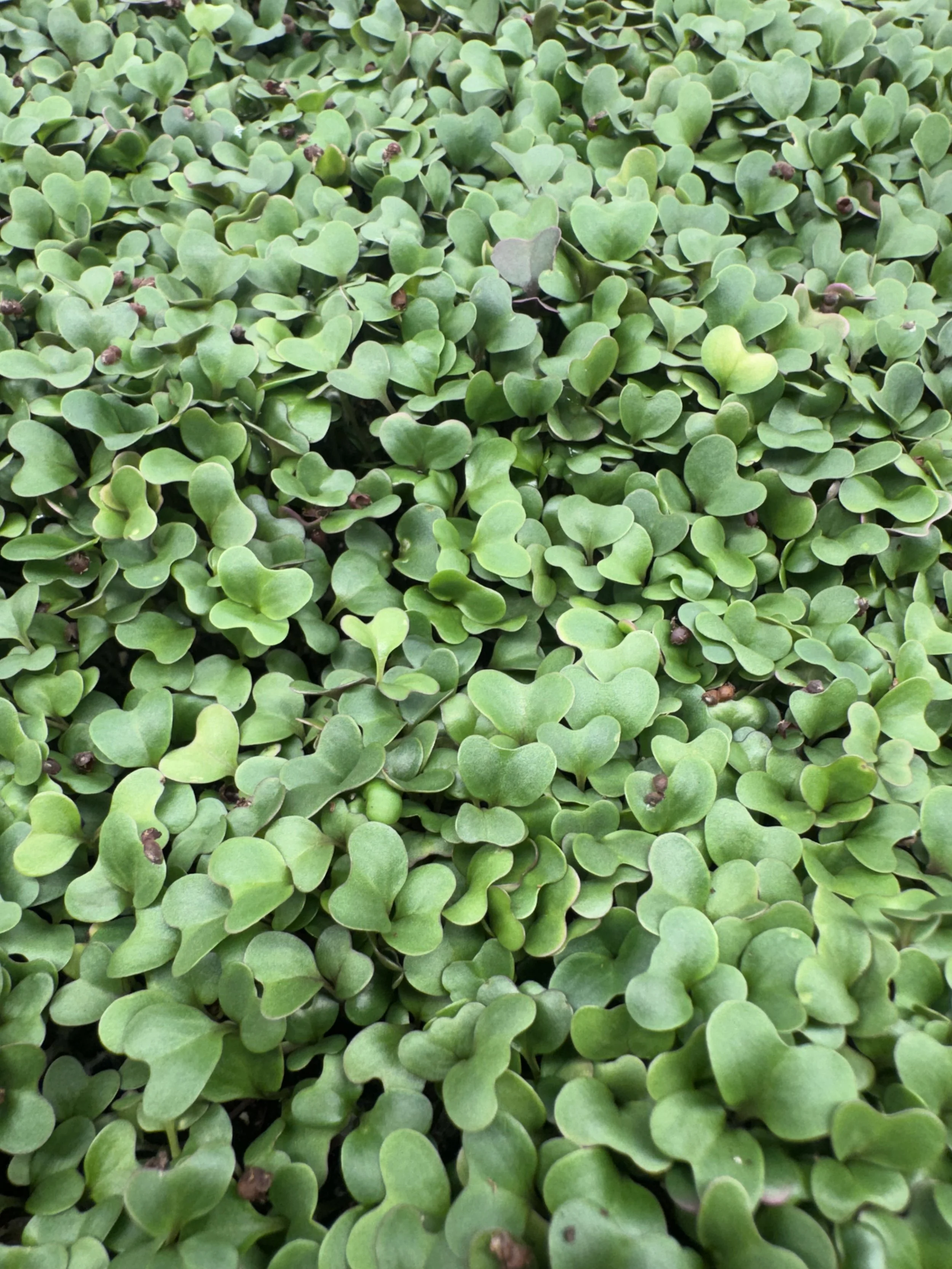
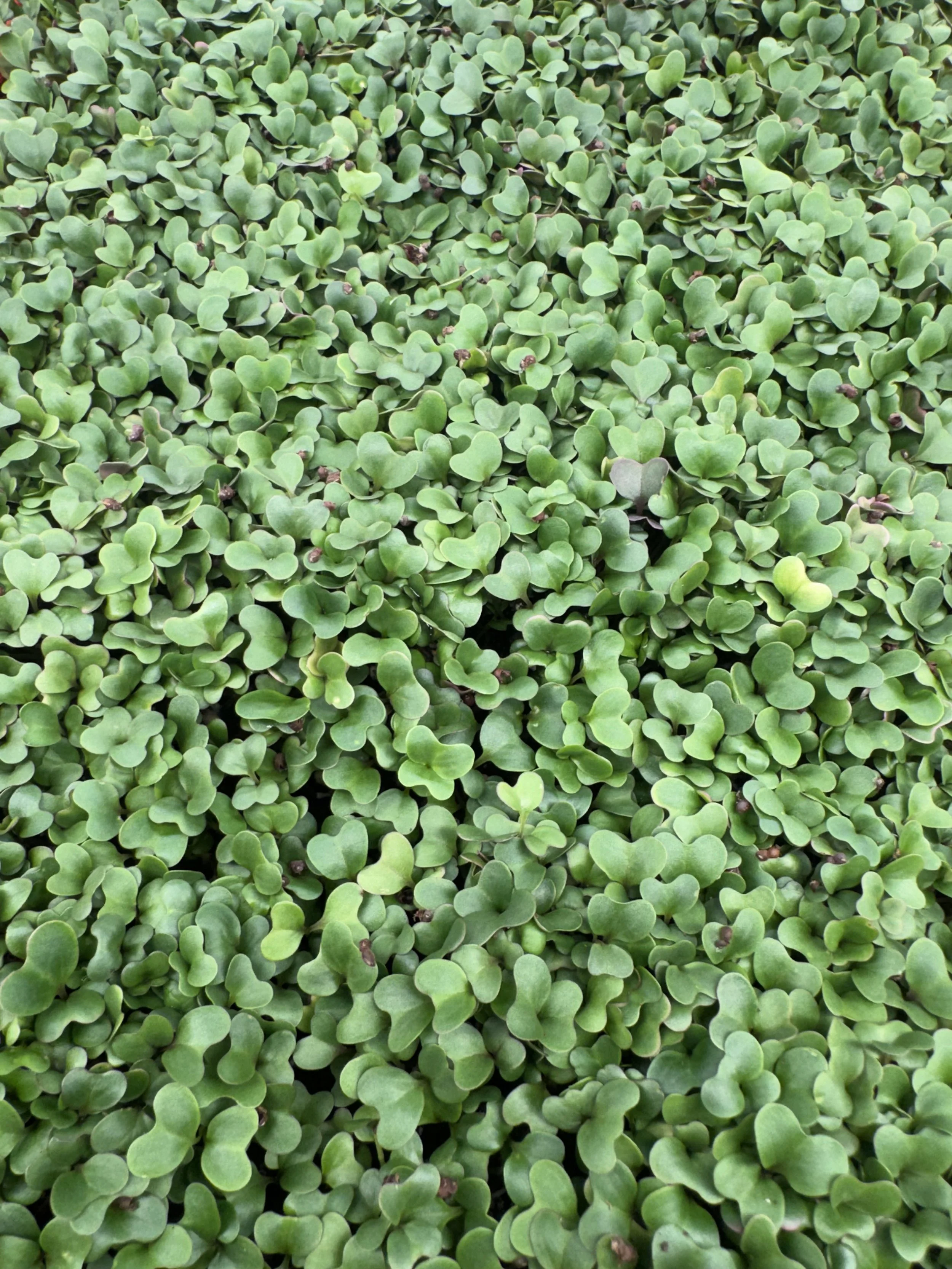
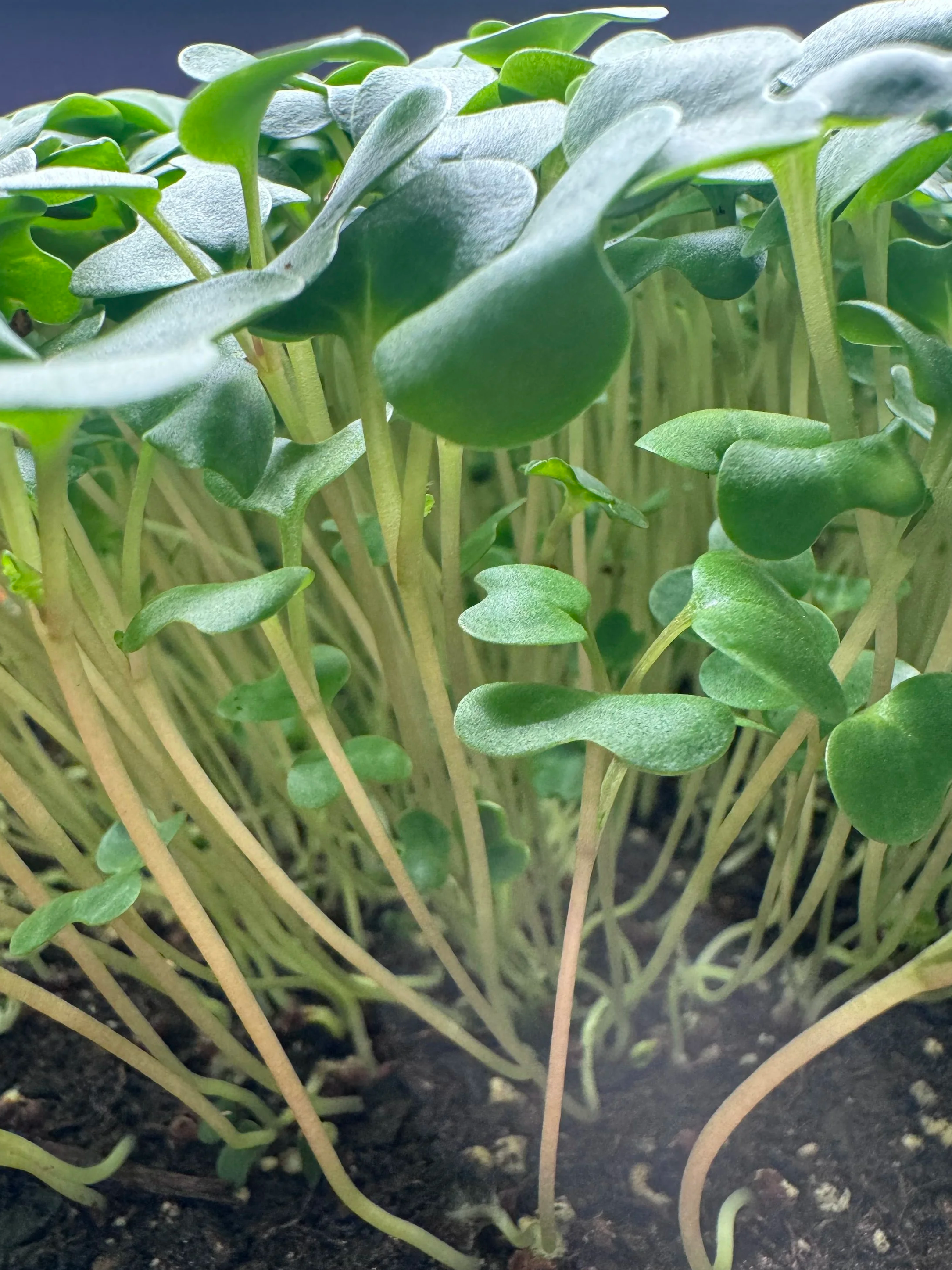
Garlic Kale is another name given to Texsel Greens. Also known as Ethiopian Kale or Abyssinian mustard, Texsel originated in Ethiopia and the Horn of Africa, where it has been cultivated for centuries as both a leaf vegetable and an oilseed. The variety gained its name "Texsel" after being introduced to the US and selected for its leaf qualities in the 1960s and 70s, with the TAMU Tex Sel variety released in Texas in 1972. While it remains underutilized commercially, its rapid growth and resilience have led to its growing recognition for both home gardens and other applications.
Flavor Profile:
Texsel microgreens have a robust, earthy flavor with a strong garlic and kale taste.
Suggested Uses:
Garlic Kale (Texsel) microgreens can be used in a variety of ways, such as adding them to salads, sandwiches, wraps, and smoothies for a fresh flavor and nutrient boost. They can also be used as a garnish for soups, omelets, pasta, and pizzas, or even blended into purées for a side dish. Their vibrant color also makes them a good natural food coloring.
Salads: Add a handful of microgreens to any salad for extra flavor, color, and texture.
Sandwiches and wraps: Substitute them for lettuce in sandwiches, wraps, tacos, and burritos for a crisp, fresh bite.
Soups and stews: Sprinkle them on top of hot soups, stews, or noodle bowls just before serving for added flavor and crunch.
Smoothies: Blend them into smoothies for an extra boost of nutrients without significantly altering the taste.
Egg dishes: Top scrambled eggs, omelets, or frittatas with microgreens for a fresh and vibrant garnish.
Garnish: Use them to garnish a wide range of dishes, including pizza, pasta, and rice dishes.
Purées: Blend them into purées to create a flavorful and nutrient-rich side dish, such as a pea and microgreen purée.
Nutrition:*not verified by FDA
Texsel microgreens are a nutrient-dense food, rich in vitamins A, B complex, D, and E, as well as minerals like calcium, iron, magnesium, potassium, and phosphorus. Like other microgreens, they provide a concentrated source of vitamins, minerals, and antioxidants, which may support overall health and reduce the risk of certain diseases.
Vitamins: Rich in Vitamins A, B-complex, C, D, and E.
Vitamin C: Supports the immune system and wound healing.
Vitamin K: Essential for blood clotting and bone health.
Minerals: Good sources of calcium, iron, magnesium, potassium, and phosphorus.
Iron: Plays a vital role in energy production and red blood cell formation.
Potassium: Supports heart, muscle, and nervous system function.
Antioxidants: Contain beneficial compounds like carotenoids and polyphenols.
Other benefits:*not verified by FDA
Provide a good source of fiber.
Contain complete protein, including all eight essential amino acids, in some varieties like pea microgreens.
Potential Health Benefits:*not verified by FDA
Immune System Support: The high vitamin C content helps strengthen the immune system and supports wound healing.
Heart Health: Antioxidants and anti-inflammatory compounds help improve cholesterol levels, lower blood pressure, and reduce heart disease risk.
Anti-Inflammatory & Antioxidant Power: Packed with polyphenols and other antioxidants that combat free radicals and chronic low-grade inflammation.
Bone and Skin Health: Rich in vitamin K for bone health and collagen-producing nutrients for skin vitality.
Digestive Health: Provides fiber that supports a healthy gut microbiome.
Disclaimer:Nutritional information and listed Health Benefits have not been evaluated by the Food and Drug Administration. This product is not intended to diagnose, treat, cure, or prevent any disease. The information on this website is for educational purposes only and not intended as medical advice.
History:
Garlic Kale is another name given to Texsel Greens. Also known as Ethiopian Kale or Abyssinian mustard, Texsel originated in Ethiopia and the Horn of Africa, where it has been cultivated for centuries as both a leaf vegetable and an oilseed. The variety gained its name "Texsel" after being introduced to the US and selected for its leaf qualities in the 1960s and 70s, with the TAMU Tex Sel variety released in Texas in 1972. While it remains underutilized commercially, its rapid growth and resilience have led to its growing recognition for both home gardens and other applications.
Flavor Profile:
Texsel microgreens have a robust, earthy flavor with a strong garlic and kale taste.
Suggested Uses:
Garlic Kale (Texsel) microgreens can be used in a variety of ways, such as adding them to salads, sandwiches, wraps, and smoothies for a fresh flavor and nutrient boost. They can also be used as a garnish for soups, omelets, pasta, and pizzas, or even blended into purées for a side dish. Their vibrant color also makes them a good natural food coloring.
Salads: Add a handful of microgreens to any salad for extra flavor, color, and texture.
Sandwiches and wraps: Substitute them for lettuce in sandwiches, wraps, tacos, and burritos for a crisp, fresh bite.
Soups and stews: Sprinkle them on top of hot soups, stews, or noodle bowls just before serving for added flavor and crunch.
Smoothies: Blend them into smoothies for an extra boost of nutrients without significantly altering the taste.
Egg dishes: Top scrambled eggs, omelets, or frittatas with microgreens for a fresh and vibrant garnish.
Garnish: Use them to garnish a wide range of dishes, including pizza, pasta, and rice dishes.
Purées: Blend them into purées to create a flavorful and nutrient-rich side dish, such as a pea and microgreen purée.
Nutrition:*not verified by FDA
Texsel microgreens are a nutrient-dense food, rich in vitamins A, B complex, D, and E, as well as minerals like calcium, iron, magnesium, potassium, and phosphorus. Like other microgreens, they provide a concentrated source of vitamins, minerals, and antioxidants, which may support overall health and reduce the risk of certain diseases.
Vitamins: Rich in Vitamins A, B-complex, C, D, and E.
Vitamin C: Supports the immune system and wound healing.
Vitamin K: Essential for blood clotting and bone health.
Minerals: Good sources of calcium, iron, magnesium, potassium, and phosphorus.
Iron: Plays a vital role in energy production and red blood cell formation.
Potassium: Supports heart, muscle, and nervous system function.
Antioxidants: Contain beneficial compounds like carotenoids and polyphenols.
Other benefits:*not verified by FDA
Provide a good source of fiber.
Contain complete protein, including all eight essential amino acids, in some varieties like pea microgreens.
Potential Health Benefits:*not verified by FDA
Immune System Support: The high vitamin C content helps strengthen the immune system and supports wound healing.
Heart Health: Antioxidants and anti-inflammatory compounds help improve cholesterol levels, lower blood pressure, and reduce heart disease risk.
Anti-Inflammatory & Antioxidant Power: Packed with polyphenols and other antioxidants that combat free radicals and chronic low-grade inflammation.
Bone and Skin Health: Rich in vitamin K for bone health and collagen-producing nutrients for skin vitality.
Digestive Health: Provides fiber that supports a healthy gut microbiome.