 Image 1 of 2
 Image 2 of 2
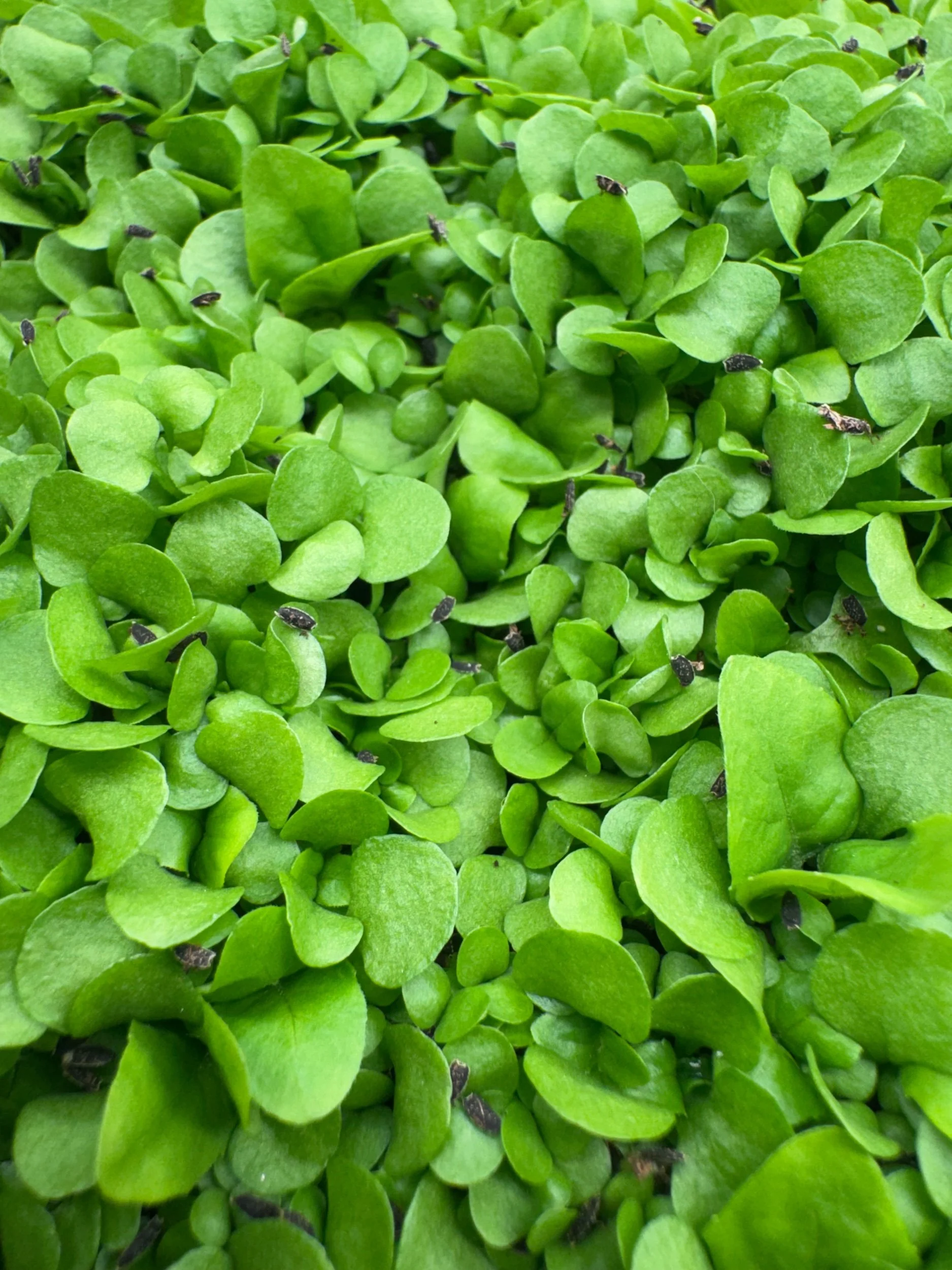
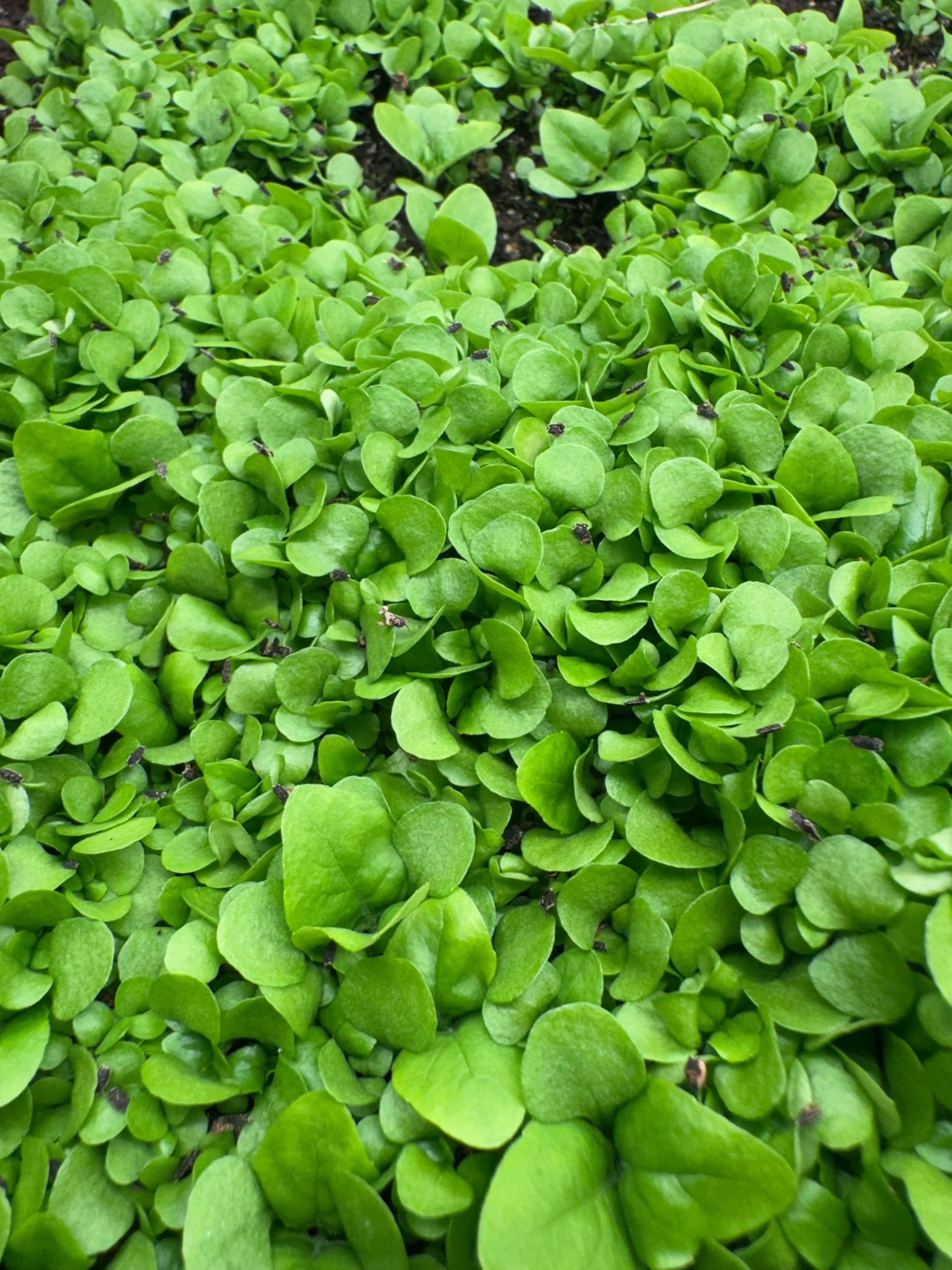
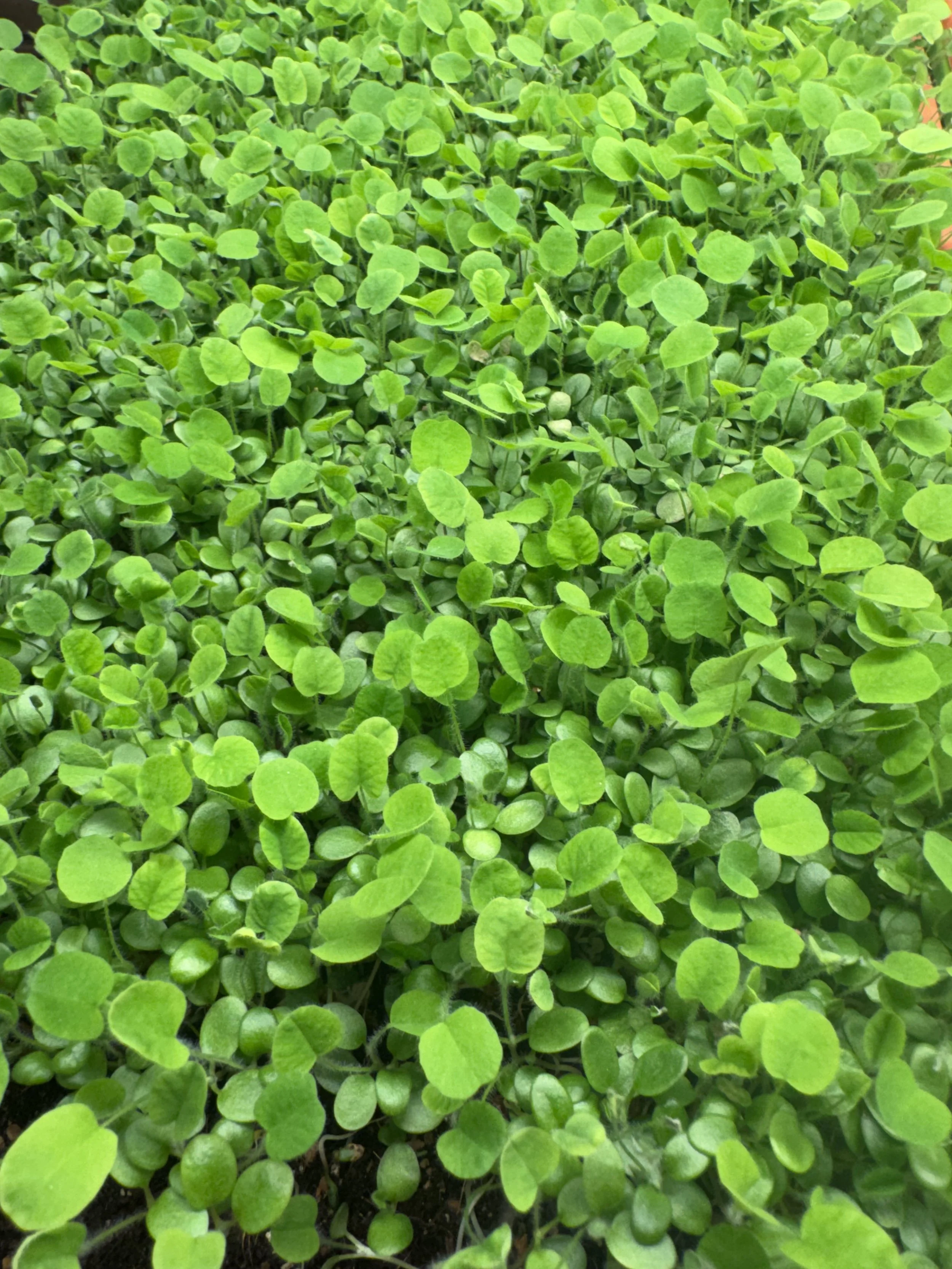
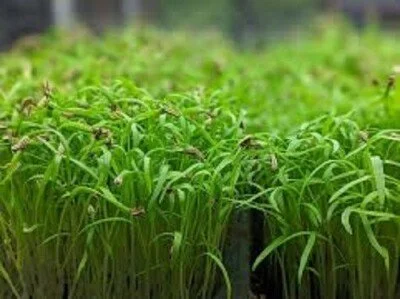
This item is grown to order and requires a 2 week lead time. We will grow a 10"x10" tray of these micros which we will cut and package for you when they are ready.
Disclaimer: Nutritional information and listed Health Benefits have not been evaluated by the Food and Drug Administration. This product is not intended to diagnose, treat, cure, or prevent any disease. The information on this website is for educational purposes only and not intended as medical advice.
History:
Fennel has a long history, originating in the Mediterranean and used by ancient Greeks and Romans as food, medicine, and a symbol of courage and victory. Its history is tied to the Battle of Marathon, and it was cultivated extensively in Europe under Charlemagne's rule. Across cultures, it has been used medicinally for a variety of ailments, in culinary traditions, and even had magical and protective uses.
Ancient origins and mythology
Greek and Roman use: Ancient Greeks and Romans highly valued fennel, using it as a food and medicine.
Symbol of victory: The Greeks called fennel "marathon" because the Battle of Marathon was fought in a fennel field. Romans used fennel to crown winners in games, and it was a symbol of success.
Medicinal claims: Roman writer Pliny the Elder noted fennel's ability to sharpen eyesight and believed it could help serpents improve their vision after shedding their skin. Ancient Egyptians used it as a contraceptive and in medicines.
Medieval and European history
Charlemagne's mandate: Holy Roman Emperor Charlemagne ordered that fennel be grown on all imperial farms.
Protective charm: In medieval times, fennel was hung over doorways to ward off evil spirits and was believed to have magic powers.
Medieval cuisine: It was a staple in medieval households and was used in cooking, particularly for Lenten dishes, because it was believed to allay hunger.
Global and modern history
Asian traditions: Fennel has a long history in traditional Chinese medicine and the Indian Ayurvedic system.
Spread to North America: Spanish missionaries brought fennel to their medical gardens in North America, and English settlers cultivated it in the New England colonies.
Absinthe and spices: Florence fennel is a key ingredient in absinthe, an alcoholic beverage that originated as a medicinal elixir. Fennel seeds are also a traditional spice in Scandinavian brännvin (spirits).
Flavor Profile:
Fennel microgreens have a mild, sweet, and licorice-like flavor, similar to anise, but are milder and sweeter than fully grown fennel. They can also have peppery or slightly bitter notes and a hint of celery. Their fresh, aromatic taste makes them a versatile garnish or ingredient for both sweet and savory dishes.
Suggested Uses:
Fennel microgreens are primarily used as a raw, fresh garnish for salads, soups, seafood, and sandwiches to add a mild anise-like flavor. They can also be incorporated into dips, sauces, and smoothies, or sprinkled over dishes like pasta and pizza.
Culinary uses
Garnishes: Use them as a fresh topping for salads, soups, seafood, meats, and even fruity desserts.
Salads: Toss into fresh salads for added flavor and texture, pairing well with ingredients like apples, oranges, beets, and cheese.
Dips and sauces: Mix into dips and sauces to enhance their flavor profile.
Sandwiches and wraps: Add to sandwiches and wraps for a burst of freshness.
Other dishes: Sprinkle over pasta, pizza, or any dish where a hint of anise flavor is desired.
Smoothies: Blend into smoothies for an extra nutritional boost.
Cuisine: They pair well with Italian and Indian dishes.
Ingredient pairings: Complement ingredients such as apples, beets, chicken, mussels, potatoes, and tomatoes.
Nutrition:*not verified by FDA
Fennel microgreens are a nutritious food, rich in vitamins A, C, E, and K, and minerals like potassium, calcium, and iron. They also contain beneficial antioxidants and fiber, which support immune function, bone health, and digestion.
Health Benefits:*not verified by FDA
Fennel microgreens are packed with vitamins C, E, and K, and minerals like calcium, iron, potassium, and magnesium, supporting immune health, bone strength, and energy. They also contain antioxidants and the compound anethole, which may provide anti-inflammatory, digestive, and potential anti-cancer benefits.
Digestive health: May help relieve issues like bloating, gas, and constipation. The live enzymes present in the sprouts also help unlock nutritional components, making them more accessible to the body.
Immune support: The high vitamin C content helps strengthen the immune system.
Bone health: Calcium and magnesium work together to promote strong bones and prevent issues like osteoporosis.
Heart health: Potassium helps maintain healthy blood pressure, and fiber can help lower cholesterol.
Skin and hair health: Antioxidants like vitamin E protect skin from oxidative stress and aging.
Energy boost: Nutrients like iron and potassium help the body metabolize energy more efficiently, providing sustained energy.
Cancer prevention: Some compounds, like anethole and limonene, have been shown to exhibit anti-cancer activity and protect against certain chronic diseases.
This item is grown to order and requires a 2 week lead time. We will grow a 10"x10" tray of these micros which we will cut and package for you when they are ready.
Disclaimer: Nutritional information and listed Health Benefits have not been evaluated by the Food and Drug Administration. This product is not intended to diagnose, treat, cure, or prevent any disease. The information on this website is for educational purposes only and not intended as medical advice.
History:
Fennel has a long history, originating in the Mediterranean and used by ancient Greeks and Romans as food, medicine, and a symbol of courage and victory. Its history is tied to the Battle of Marathon, and it was cultivated extensively in Europe under Charlemagne's rule. Across cultures, it has been used medicinally for a variety of ailments, in culinary traditions, and even had magical and protective uses.
Ancient origins and mythology
Greek and Roman use: Ancient Greeks and Romans highly valued fennel, using it as a food and medicine.
Symbol of victory: The Greeks called fennel "marathon" because the Battle of Marathon was fought in a fennel field. Romans used fennel to crown winners in games, and it was a symbol of success.
Medicinal claims: Roman writer Pliny the Elder noted fennel's ability to sharpen eyesight and believed it could help serpents improve their vision after shedding their skin. Ancient Egyptians used it as a contraceptive and in medicines.
Medieval and European history
Charlemagne's mandate: Holy Roman Emperor Charlemagne ordered that fennel be grown on all imperial farms.
Protective charm: In medieval times, fennel was hung over doorways to ward off evil spirits and was believed to have magic powers.
Medieval cuisine: It was a staple in medieval households and was used in cooking, particularly for Lenten dishes, because it was believed to allay hunger.
Global and modern history
Asian traditions: Fennel has a long history in traditional Chinese medicine and the Indian Ayurvedic system.
Spread to North America: Spanish missionaries brought fennel to their medical gardens in North America, and English settlers cultivated it in the New England colonies.
Absinthe and spices: Florence fennel is a key ingredient in absinthe, an alcoholic beverage that originated as a medicinal elixir. Fennel seeds are also a traditional spice in Scandinavian brännvin (spirits).
Flavor Profile:
Fennel microgreens have a mild, sweet, and licorice-like flavor, similar to anise, but are milder and sweeter than fully grown fennel. They can also have peppery or slightly bitter notes and a hint of celery. Their fresh, aromatic taste makes them a versatile garnish or ingredient for both sweet and savory dishes.
Suggested Uses:
Fennel microgreens are primarily used as a raw, fresh garnish for salads, soups, seafood, and sandwiches to add a mild anise-like flavor. They can also be incorporated into dips, sauces, and smoothies, or sprinkled over dishes like pasta and pizza.
Culinary uses
Garnishes: Use them as a fresh topping for salads, soups, seafood, meats, and even fruity desserts.
Salads: Toss into fresh salads for added flavor and texture, pairing well with ingredients like apples, oranges, beets, and cheese.
Dips and sauces: Mix into dips and sauces to enhance their flavor profile.
Sandwiches and wraps: Add to sandwiches and wraps for a burst of freshness.
Other dishes: Sprinkle over pasta, pizza, or any dish where a hint of anise flavor is desired.
Smoothies: Blend into smoothies for an extra nutritional boost.
Cuisine: They pair well with Italian and Indian dishes.
Ingredient pairings: Complement ingredients such as apples, beets, chicken, mussels, potatoes, and tomatoes.
Nutrition:*not verified by FDA
Fennel microgreens are a nutritious food, rich in vitamins A, C, E, and K, and minerals like potassium, calcium, and iron. They also contain beneficial antioxidants and fiber, which support immune function, bone health, and digestion.
Health Benefits:*not verified by FDA
Fennel microgreens are packed with vitamins C, E, and K, and minerals like calcium, iron, potassium, and magnesium, supporting immune health, bone strength, and energy. They also contain antioxidants and the compound anethole, which may provide anti-inflammatory, digestive, and potential anti-cancer benefits.
Digestive health: May help relieve issues like bloating, gas, and constipation. The live enzymes present in the sprouts also help unlock nutritional components, making them more accessible to the body.
Immune support: The high vitamin C content helps strengthen the immune system.
Bone health: Calcium and magnesium work together to promote strong bones and prevent issues like osteoporosis.
Heart health: Potassium helps maintain healthy blood pressure, and fiber can help lower cholesterol.
Skin and hair health: Antioxidants like vitamin E protect skin from oxidative stress and aging.
Energy boost: Nutrients like iron and potassium help the body metabolize energy more efficiently, providing sustained energy.
Cancer prevention: Some compounds, like anethole and limonene, have been shown to exhibit anti-cancer activity and protect against certain chronic diseases.