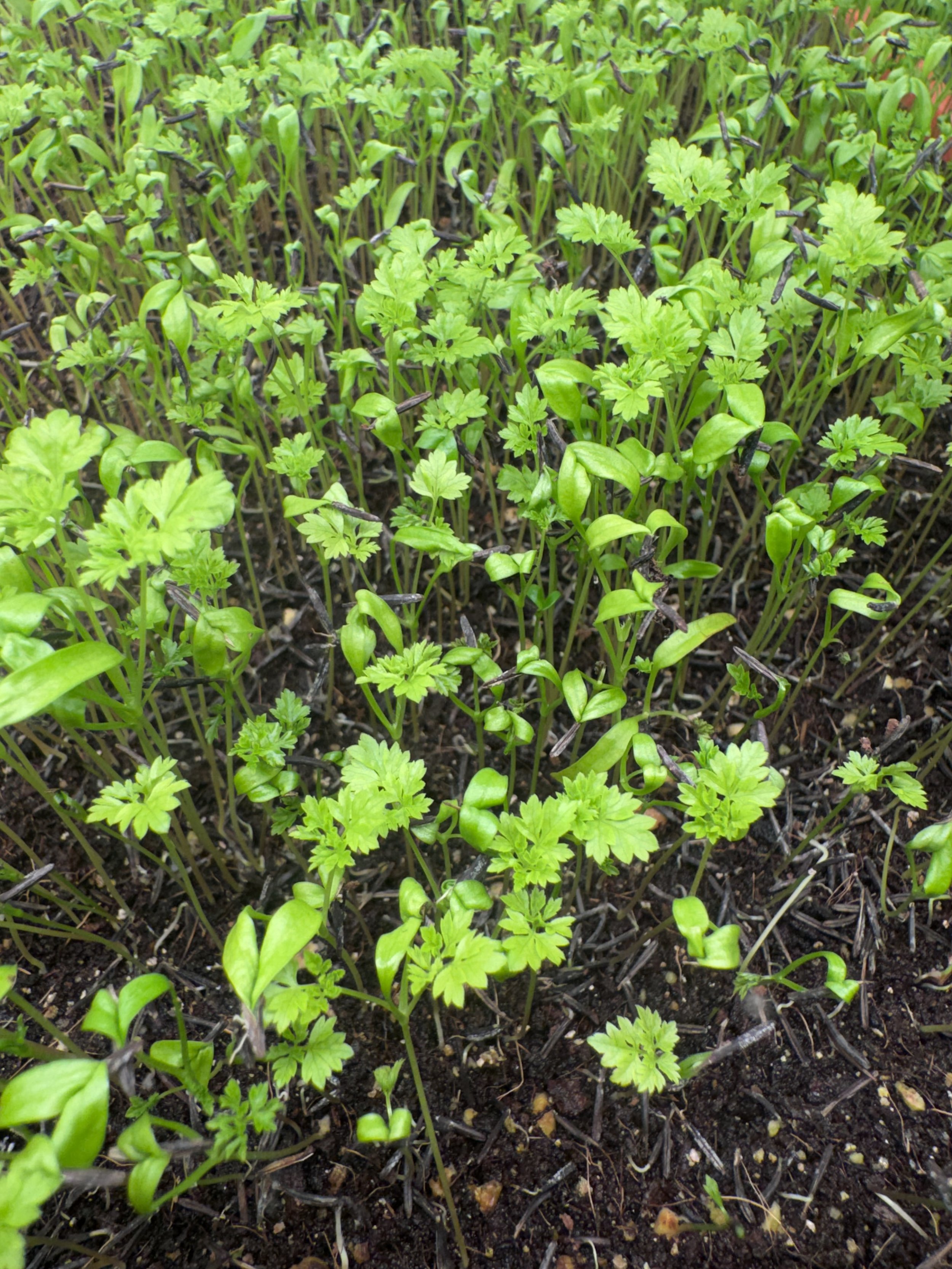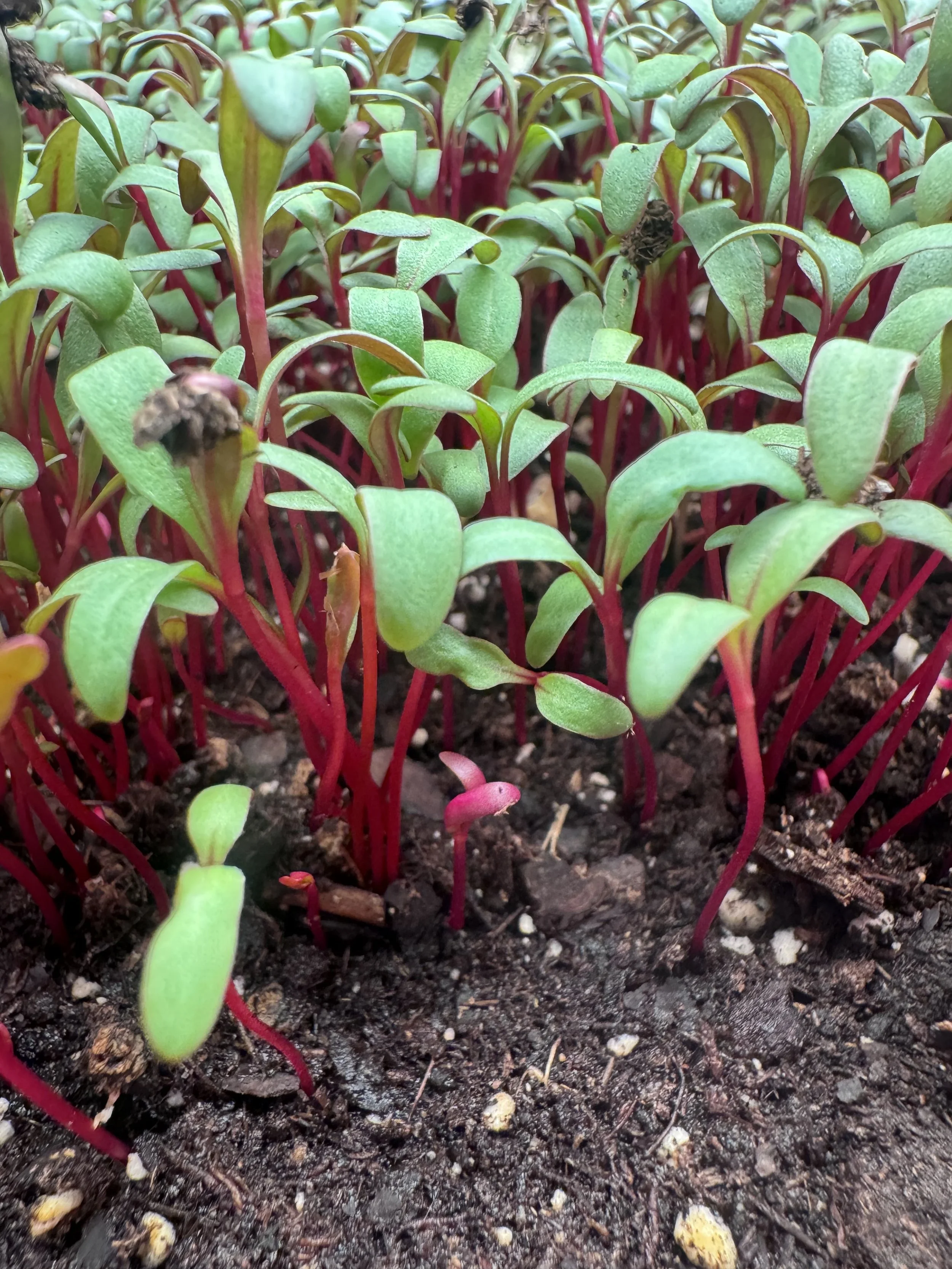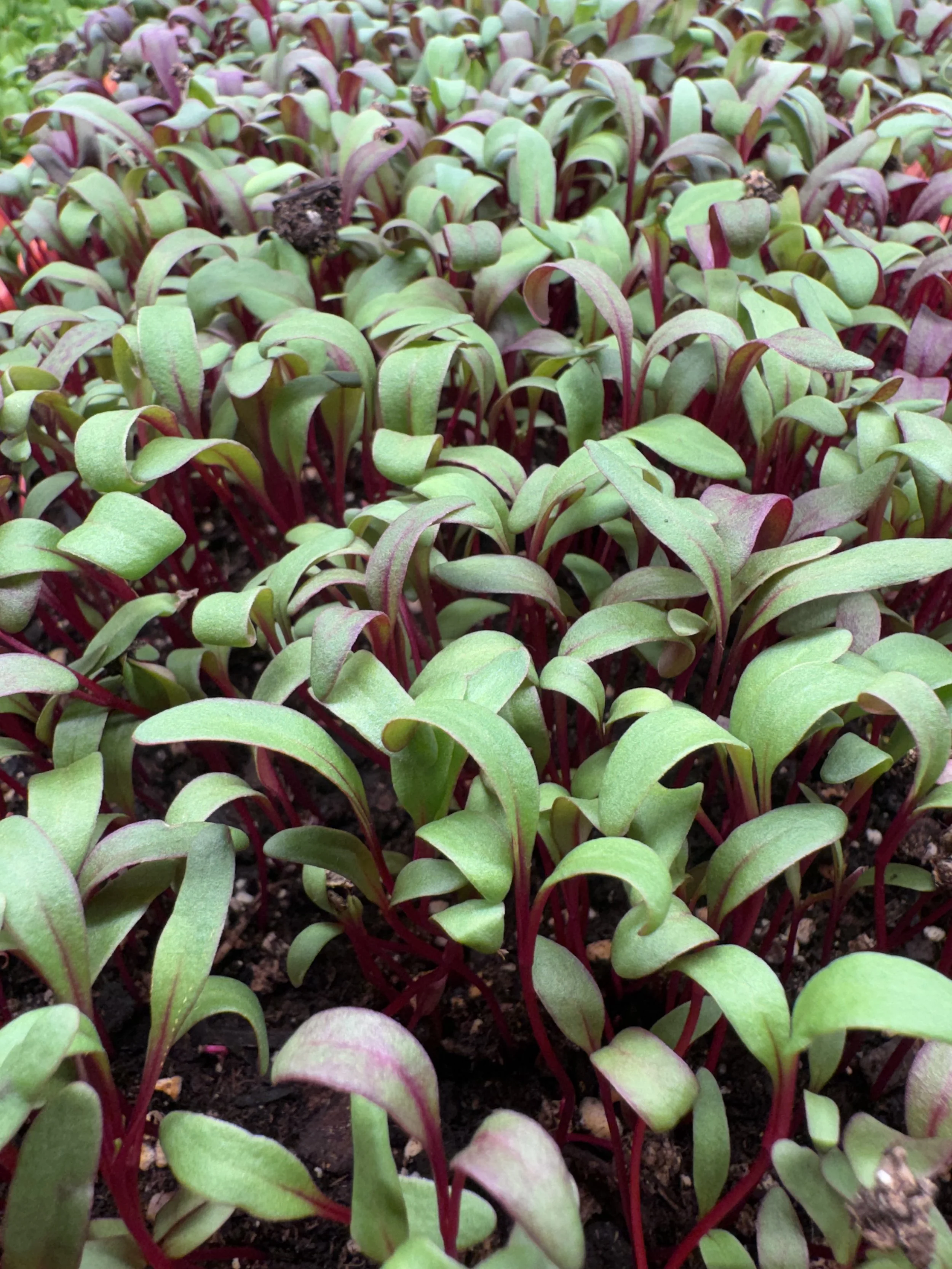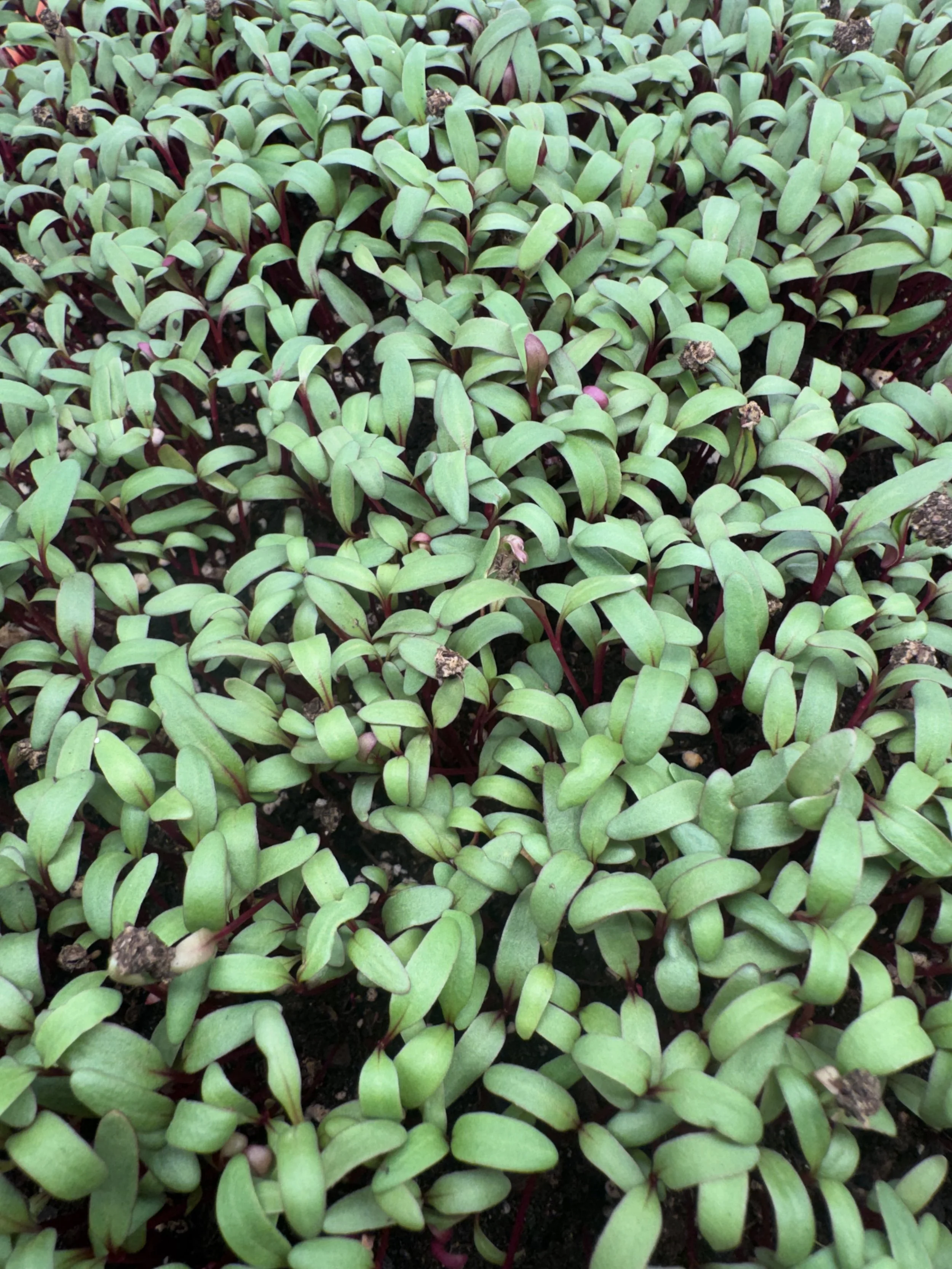
 Image 1 of 1
Disclaimer: Nutritional information and listed Health Benefits have not been evaluated by the Food and Drug Administration. This product is not intended to diagnose, treat, cure, or prevent any disease. The information on this website is for educational purposes only and not intended as medical advice.
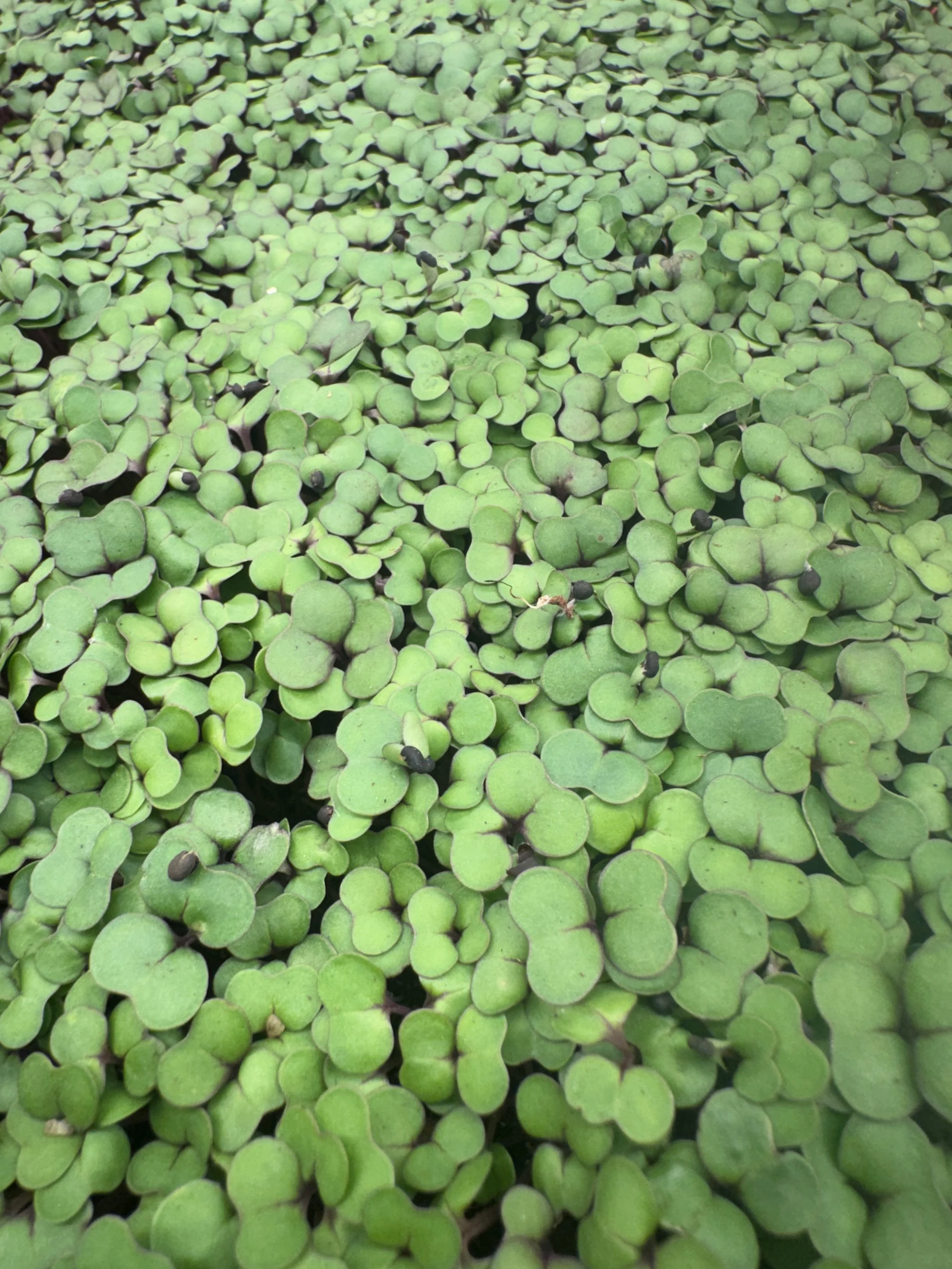
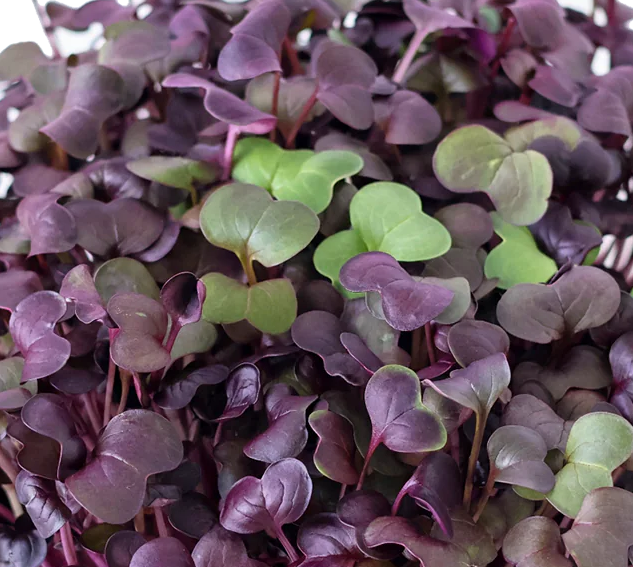
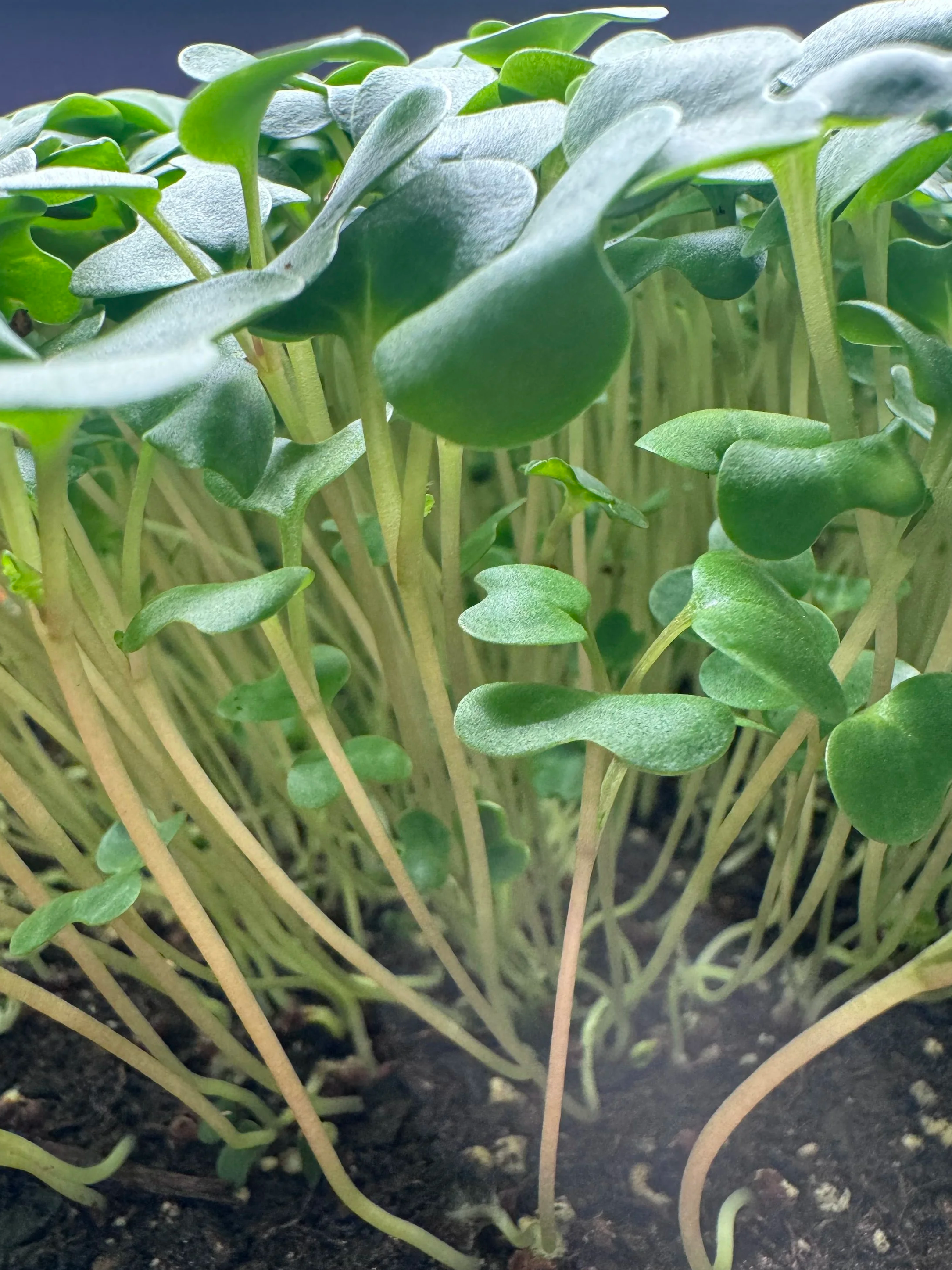
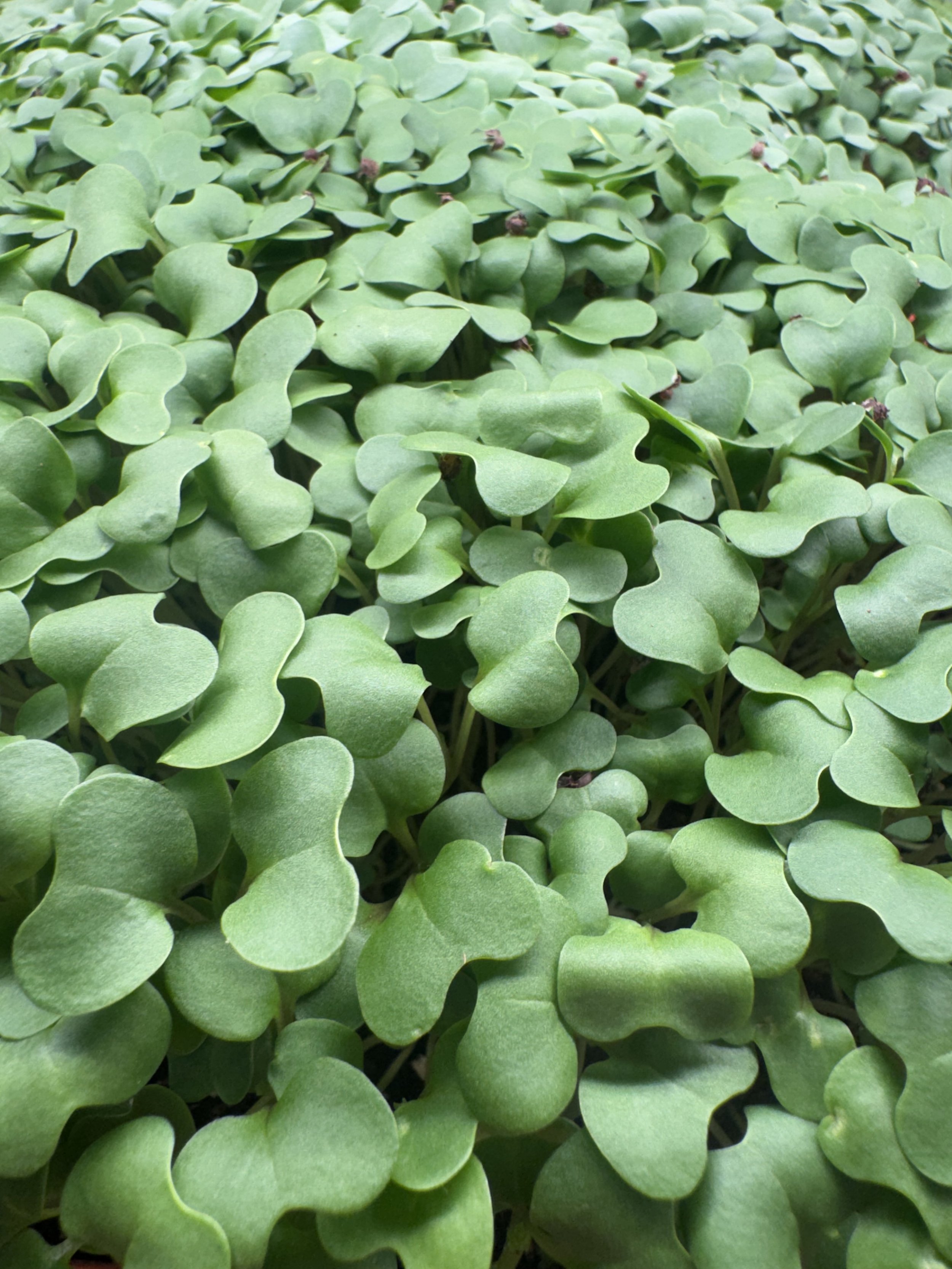
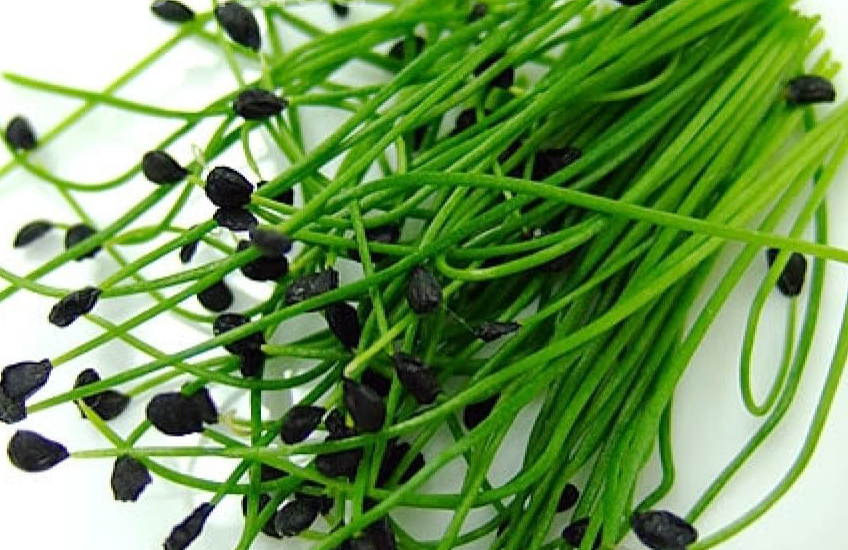
This item is grown to order and requires a 4 week lead time due to a longer growing time. We will grow a 10"x10" tray of these micros which we will cut and package for you when they are ready.
History:
Chives have a long history, with uses dating back to at least 3000 BCE in China and Egypt, where they were cultivated for both culinary and medicinal purposes. They spread to Europe, where they were used in monasteries during the Middle Ages and became a staple in French cuisine during the Renaissance. European settlers then brought them to North America.
Flavor Profile:
Chive microgreens have a mild onion-like flavor that is often described as a blend of roasted garlic and caramelized onion, with a hint of saltiness and sweetness. They offer a robust, savory taste that is more intense than regular chives but still delicate, providing a crunchy and juicy bite.
Suggested Uses:
Chives microgreens are used as a garnish for both raw and cooked dishes to add a mild, oniony flavor and visual appeal. They are excellent in omelets, on salads, and as a topping for soups, baked potatoes, and pasta. Unlike mature chives, they are typically kept whole and added at the end of cooking to maintain their delicate texture. They can also be blended into sauces or butter.
Garnish: Sprinkle on top of dishes like omelets, salads, pasta, soups, and baked potatoes for a pop of color and flavor.
As a topping: Ideal for avocado toast, bagels with cream cheese, bruschetta, and crostini.
In raw preparations: Use them whole in sushi rolls or mixed into fresh salads.
In cooked dishes: Add to vegetable sautés or beef stews, but add at the very end to avoid wilting.
In sauces and butters: Blend into sauces like remoulade or mix into softened butter for extra flavor.
Pairing suggestions
Eggs: Omelets, scrambled eggs.
Vegetables: Potatoes, artichokes, carrots.
Meats and fish: Beef, chicken, and seafood.
Cheese: Pair well with ricotta, cheddar, and other fresh cheeses.
Other herbs: Complement flavors from tarragon, chervil, and parsley.
Nutrition:*not verified by FDA
Chives microgreens are a nutritious food, packed with vitamins A, B, C, and E, as well as minerals like potassium, iron, and calcium. They offer various health benefits, including immune system support, improved bone health, and antioxidant properties that help fight inflammation. These microgreens contain allicin, a compound that can support heart health by helping to lower bad cholesterol, and they are also a good source of fiber, which aids digestion.
Vitamins: A, B (especially B1 and B2), C, E, and K
Minerals: Calcium, iron, potassium, magnesium, zinc, and phosphorus
Other nutrients: Fiber, antioxidants, and allicin
Potential Health Benefits:*not verified by FDA
Chive microgreens offer concentrated health benefits due to their high nutrient density, including antioxidants, vitamins, and minerals, which can support immune function, bone health, and cognitive function. They are rich in compounds like vitamin C for immunity and vitamin K for bone density, as well as choline and folate which aid brain health. Microgreens, in general, can have significantly higher nutrient levels than their mature counterparts.
Boosts immune system: Chives contain vitamin C, which supports immune function, and allicin and quercetin, which have immune-boosting and anti-inflammatory properties.
Supports bone health: They are a good source of vitamin K, which is essential for bone density and may help reduce the risk of osteoporosis.
Enhances cognitive function: The presence of choline and folate may improve memory and cognitive function, while also helping to protect against neurodegenerative diseases like Alzheimer's.
Provides powerful antioxidants: Chives are rich in antioxidants like flavonoids and polyphenols that help neutralize harmful free radicals, reducing oxidative stress linked to chronic diseases.
May improve heart health: The compound allicin found in chives may help lower LDL ("bad") cholesterol, supporting cardiovascular health.
Aids digestion: They contain compounds that can help improve digestion and reduce digestive issues.
Disclaimer: Nutritional information and listed Health Benefits have not been evaluated by the Food and Drug Administration. This product is not intended to diagnose, treat, cure, or prevent any disease. The information on this website is for educational purposes only and not intended as medical advice.
This item is grown to order and requires a 4 week lead time due to a longer growing time. We will grow a 10"x10" tray of these micros which we will cut and package for you when they are ready.
History:
Chives have a long history, with uses dating back to at least 3000 BCE in China and Egypt, where they were cultivated for both culinary and medicinal purposes. They spread to Europe, where they were used in monasteries during the Middle Ages and became a staple in French cuisine during the Renaissance. European settlers then brought them to North America.
Flavor Profile:
Chive microgreens have a mild onion-like flavor that is often described as a blend of roasted garlic and caramelized onion, with a hint of saltiness and sweetness. They offer a robust, savory taste that is more intense than regular chives but still delicate, providing a crunchy and juicy bite.
Suggested Uses:
Chives microgreens are used as a garnish for both raw and cooked dishes to add a mild, oniony flavor and visual appeal. They are excellent in omelets, on salads, and as a topping for soups, baked potatoes, and pasta. Unlike mature chives, they are typically kept whole and added at the end of cooking to maintain their delicate texture. They can also be blended into sauces or butter.
Garnish: Sprinkle on top of dishes like omelets, salads, pasta, soups, and baked potatoes for a pop of color and flavor.
As a topping: Ideal for avocado toast, bagels with cream cheese, bruschetta, and crostini.
In raw preparations: Use them whole in sushi rolls or mixed into fresh salads.
In cooked dishes: Add to vegetable sautés or beef stews, but add at the very end to avoid wilting.
In sauces and butters: Blend into sauces like remoulade or mix into softened butter for extra flavor.
Pairing suggestions
Eggs: Omelets, scrambled eggs.
Vegetables: Potatoes, artichokes, carrots.
Meats and fish: Beef, chicken, and seafood.
Cheese: Pair well with ricotta, cheddar, and other fresh cheeses.
Other herbs: Complement flavors from tarragon, chervil, and parsley.
Nutrition:*not verified by FDA
Chives microgreens are a nutritious food, packed with vitamins A, B, C, and E, as well as minerals like potassium, iron, and calcium. They offer various health benefits, including immune system support, improved bone health, and antioxidant properties that help fight inflammation. These microgreens contain allicin, a compound that can support heart health by helping to lower bad cholesterol, and they are also a good source of fiber, which aids digestion.
Vitamins: A, B (especially B1 and B2), C, E, and K
Minerals: Calcium, iron, potassium, magnesium, zinc, and phosphorus
Other nutrients: Fiber, antioxidants, and allicin
Potential Health Benefits:*not verified by FDA
Chive microgreens offer concentrated health benefits due to their high nutrient density, including antioxidants, vitamins, and minerals, which can support immune function, bone health, and cognitive function. They are rich in compounds like vitamin C for immunity and vitamin K for bone density, as well as choline and folate which aid brain health. Microgreens, in general, can have significantly higher nutrient levels than their mature counterparts.
Boosts immune system: Chives contain vitamin C, which supports immune function, and allicin and quercetin, which have immune-boosting and anti-inflammatory properties.
Supports bone health: They are a good source of vitamin K, which is essential for bone density and may help reduce the risk of osteoporosis.
Enhances cognitive function: The presence of choline and folate may improve memory and cognitive function, while also helping to protect against neurodegenerative diseases like Alzheimer's.
Provides powerful antioxidants: Chives are rich in antioxidants like flavonoids and polyphenols that help neutralize harmful free radicals, reducing oxidative stress linked to chronic diseases.
May improve heart health: The compound allicin found in chives may help lower LDL ("bad") cholesterol, supporting cardiovascular health.
Aids digestion: They contain compounds that can help improve digestion and reduce digestive issues.