 Image 1 of 1
Disclaimer: Nutritional information and listed Health Benefits have not been evaluated by the Food and Drug Administration. This product is not intended to diagnose, treat, cure, or prevent any disease. The information on this website is for educational purposes only and not intended as medical advice.
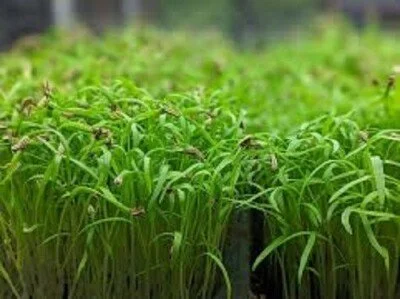
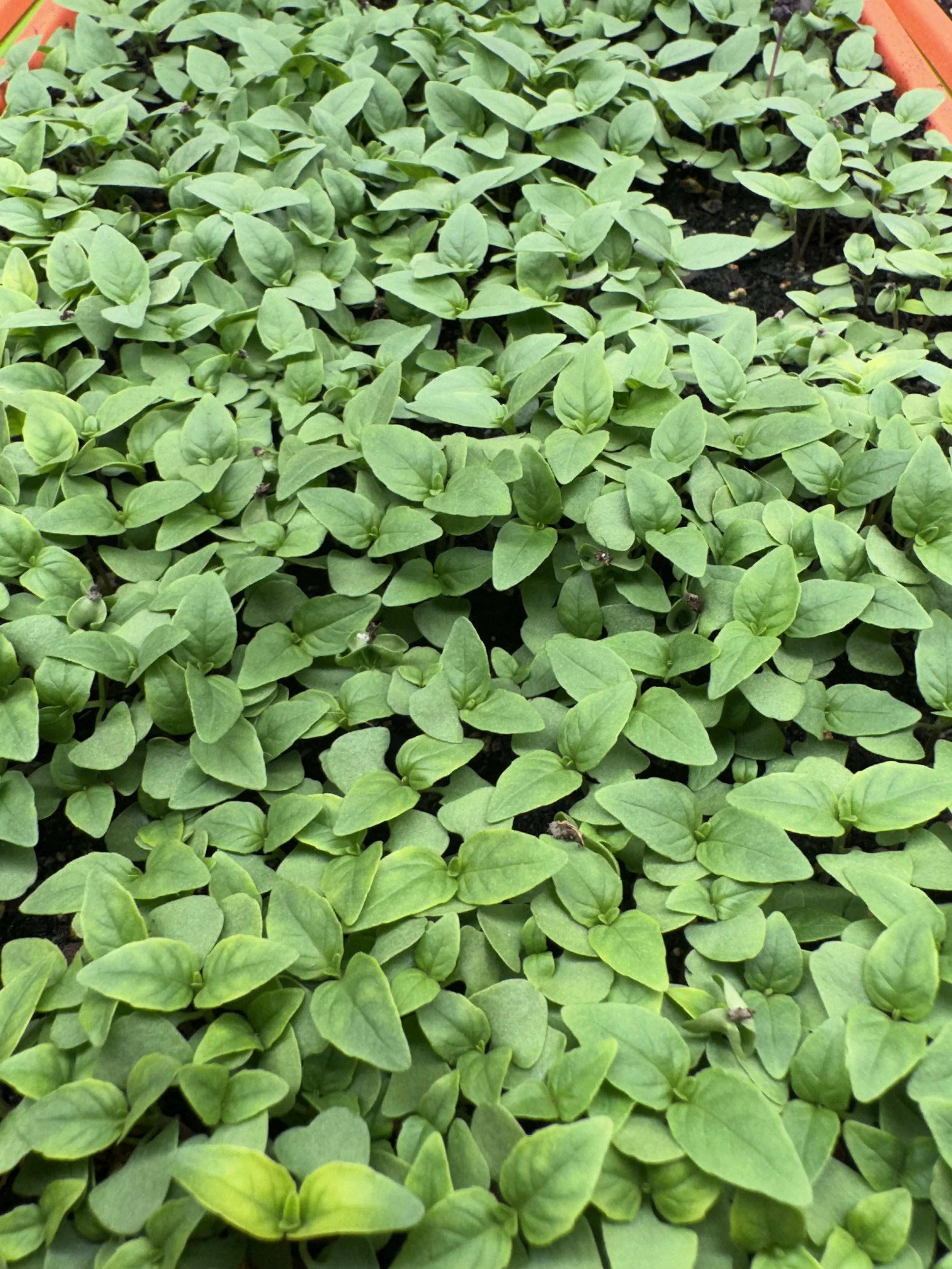
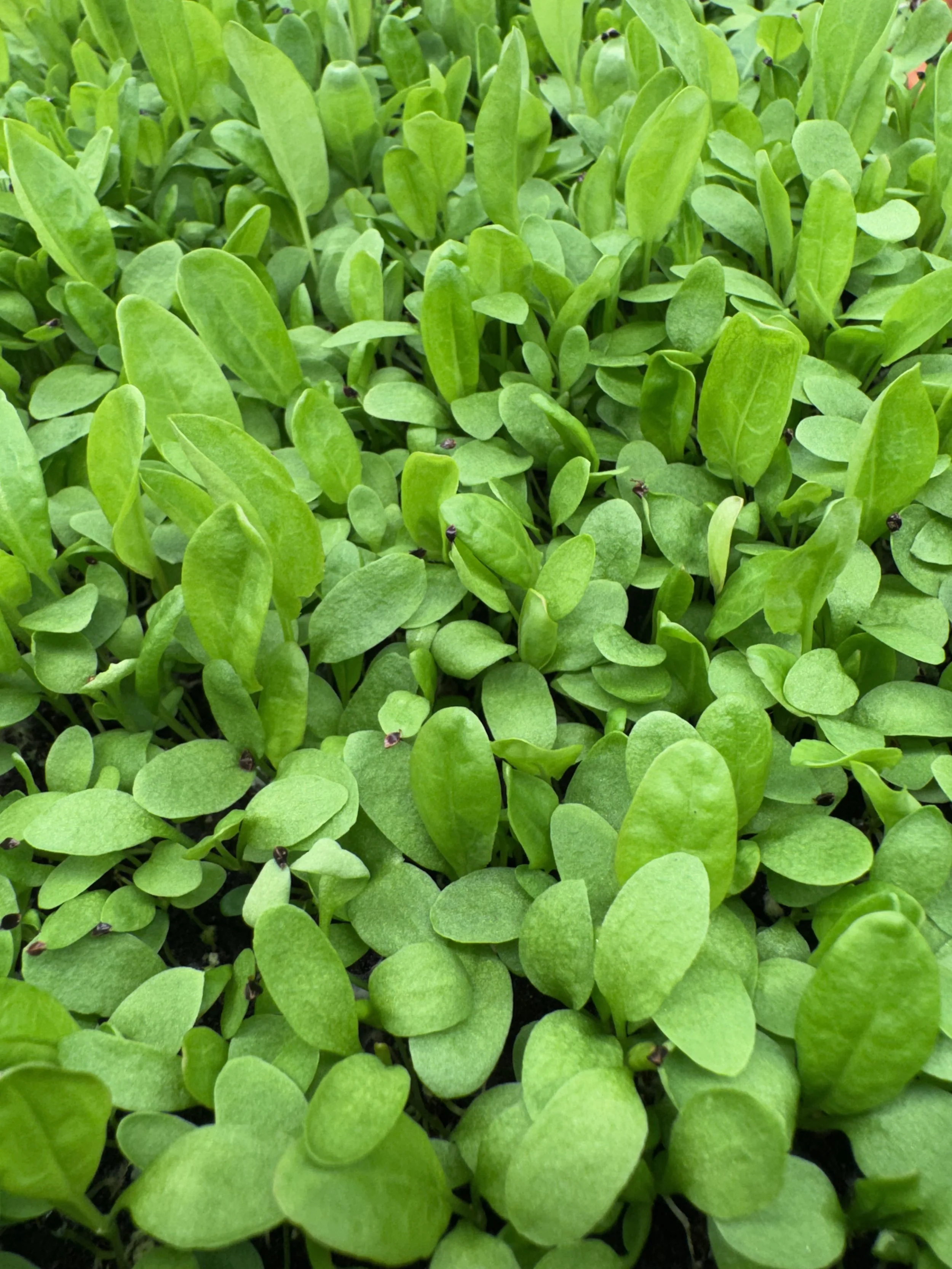
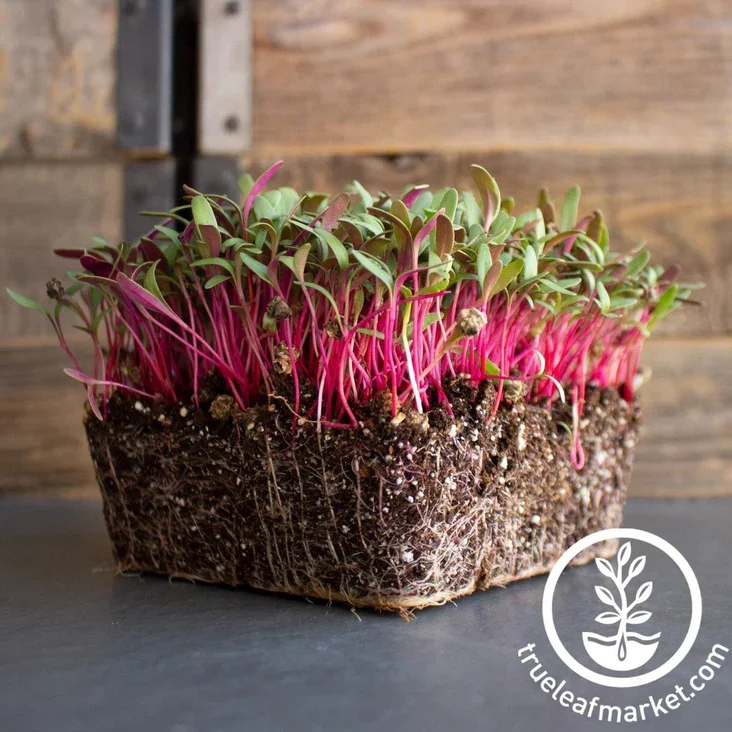
This item is grown to order. It is a slower growing variety and requires a 3 week lead time. We will grow a 10"x10" tray of these micros which we will cut and package for you when they are ready.
History:
Swiss chard (Beta vulgaris subsp. vulgaris) originated in the Mediterranean, particularly Sicily, and has been cultivated since ancient times, featuring in both Greek and Roman cuisines. Despite the name, it is not native to Switzerland; 19th-century European seed merchants coined the term to differentiate it from French spinach varieties.
Flavor Profile:
Swiss chard microgreens possess a mild, earthy flavor with a subtle, delicate sweetness similar to raw beets or spinach.
Suggested Uses:
Swiss Chard Microgreens are primarily used raw to add color and texture to salads, sandwiches, wraps, and avocado toast. They also serve as nutritious garnishes for soups, pizza, omelets, and smoothies.
Salads & Mixes: Their mild flavor and colorful stems (especially Rainbow variety) enhance green salads and brighten salads.
Sandwiches & Wraps: Added to sandwiches, wraps, and burgers for a fresh, crunchy texture.
Garnish: Used as a visually appealing, healthy garnish on pizzas, curries, and soups.
Smoothies & Juices: Excellent for boosting the nutritional value of blended smoothies without overpowering the taste.
Gourmet Dishes: Popular in restaurants for elevating dishes with a splash of color and nutrition.
Nutrition: *not verified by FDA
Swiss chard microgreens are highly concentrated sources of nutrients, offering up to 3x more Vitamin K and 2.5x more magnesium than mature chard, packed with heart-healthy antioxidants like betalains, lutein, and zeaxanthin.
Vitamins: High concentrations of vitamin K, vitamin A, and vitamin C.
Minerals: Rich in magnesium, iron, potassium, calcium, and zinc.
Antioxidants: Rich in betalains (responsible for the red stem color), lutein, and zeaxanthin.
Bioactive Compounds: Contains polyphenols such as quercetin.
Potential Health Benefits: *not verified by FDA
Swiss Chard microgreens offer significant health benefits, including boosting heart health by lowering blood pressure, aiding bone health, improving eye health, reducing inflammation, and stabilizing blood sugar.
Heart Health & Blood Pressure: They contain high levels of nitrates, which help widen blood vessels, improve blood flow, lower blood pressure, and reduce cholesterol.
Bone Health: They are a rich source of vitamin K, which is essential for bone mineralization and reducing osteoporosis risk.
Antioxidant Powerhouse: They contain vitamins C and A, along with phytonutrients like betalains, which reduce oxidative stress and combat free radicals in the body.
Blood Sugar Management: They are high in fiber, which slows digestion and helps regulate blood sugar levels.
Immune System & Eye Health: They are rich in Vitamin A, necessary for maintaining healthy vision and strengthening the immune system.
Nutrient-Dense: They are a good source of iron, magnesium, and zinc, which are crucial for energy levels and preventing fatigue.
Disclaimer: Nutritional information and listed Health Benefits have not been evaluated by the Food and Drug Administration. This product is not intended to diagnose, treat, cure, or prevent any disease. The information on this website is for educational purposes only and not intended as medical advice.
This item is grown to order. It is a slower growing variety and requires a 3 week lead time. We will grow a 10"x10" tray of these micros which we will cut and package for you when they are ready.
History:
Swiss chard (Beta vulgaris subsp. vulgaris) originated in the Mediterranean, particularly Sicily, and has been cultivated since ancient times, featuring in both Greek and Roman cuisines. Despite the name, it is not native to Switzerland; 19th-century European seed merchants coined the term to differentiate it from French spinach varieties.
Flavor Profile:
Swiss chard microgreens possess a mild, earthy flavor with a subtle, delicate sweetness similar to raw beets or spinach.
Suggested Uses:
Swiss Chard Microgreens are primarily used raw to add color and texture to salads, sandwiches, wraps, and avocado toast. They also serve as nutritious garnishes for soups, pizza, omelets, and smoothies.
Salads & Mixes: Their mild flavor and colorful stems (especially Rainbow variety) enhance green salads and brighten salads.
Sandwiches & Wraps: Added to sandwiches, wraps, and burgers for a fresh, crunchy texture.
Garnish: Used as a visually appealing, healthy garnish on pizzas, curries, and soups.
Smoothies & Juices: Excellent for boosting the nutritional value of blended smoothies without overpowering the taste.
Gourmet Dishes: Popular in restaurants for elevating dishes with a splash of color and nutrition.
Nutrition: *not verified by FDA
Swiss chard microgreens are highly concentrated sources of nutrients, offering up to 3x more Vitamin K and 2.5x more magnesium than mature chard, packed with heart-healthy antioxidants like betalains, lutein, and zeaxanthin.
Vitamins: High concentrations of vitamin K, vitamin A, and vitamin C.
Minerals: Rich in magnesium, iron, potassium, calcium, and zinc.
Antioxidants: Rich in betalains (responsible for the red stem color), lutein, and zeaxanthin.
Bioactive Compounds: Contains polyphenols such as quercetin.
Potential Health Benefits: *not verified by FDA
Swiss Chard microgreens offer significant health benefits, including boosting heart health by lowering blood pressure, aiding bone health, improving eye health, reducing inflammation, and stabilizing blood sugar.
Heart Health & Blood Pressure: They contain high levels of nitrates, which help widen blood vessels, improve blood flow, lower blood pressure, and reduce cholesterol.
Bone Health: They are a rich source of vitamin K, which is essential for bone mineralization and reducing osteoporosis risk.
Antioxidant Powerhouse: They contain vitamins C and A, along with phytonutrients like betalains, which reduce oxidative stress and combat free radicals in the body.
Blood Sugar Management: They are high in fiber, which slows digestion and helps regulate blood sugar levels.
Immune System & Eye Health: They are rich in Vitamin A, necessary for maintaining healthy vision and strengthening the immune system.
Nutrient-Dense: They are a good source of iron, magnesium, and zinc, which are crucial for energy levels and preventing fatigue.