 Image 1 of 2
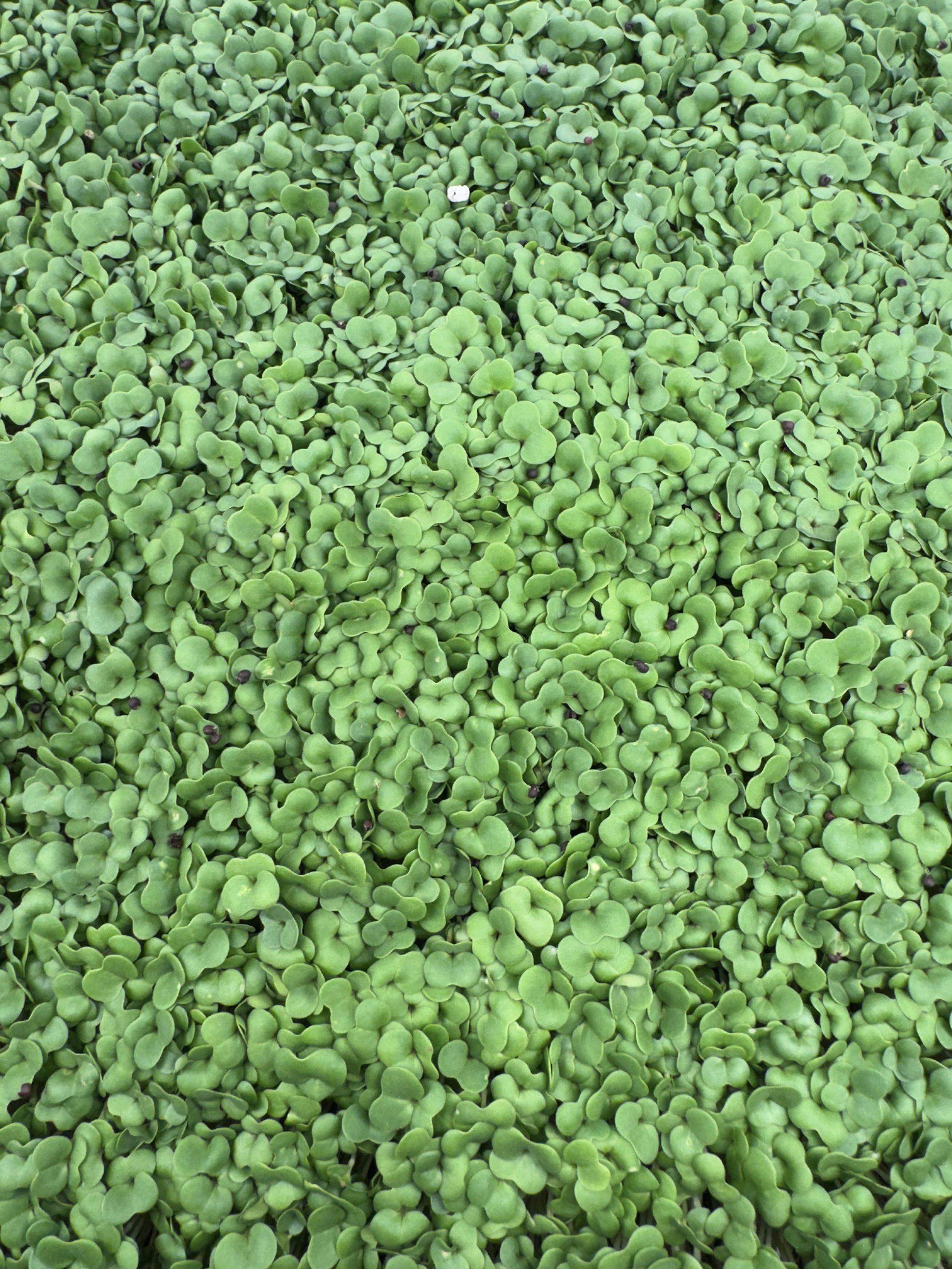 Image 2 of 2
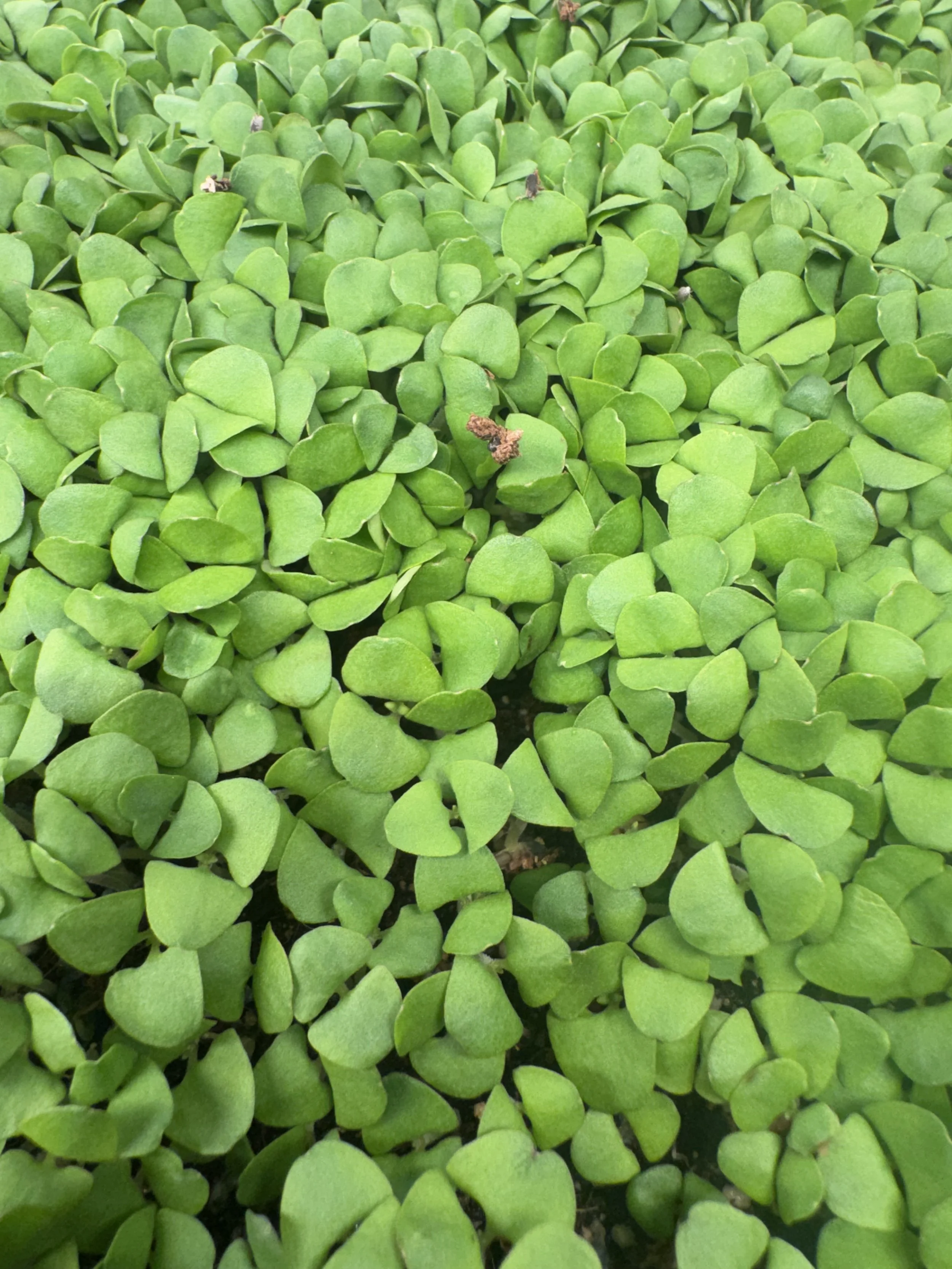
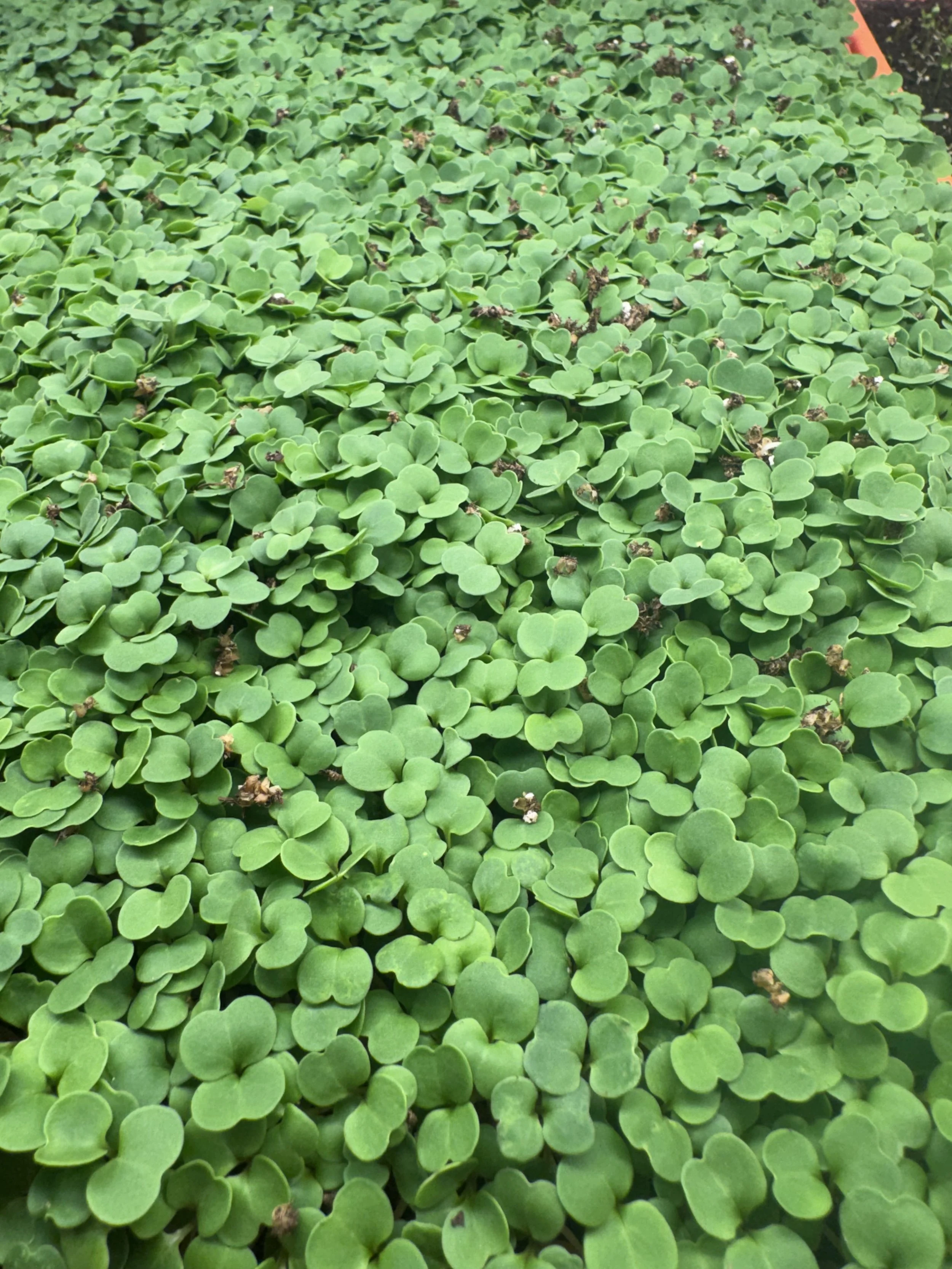
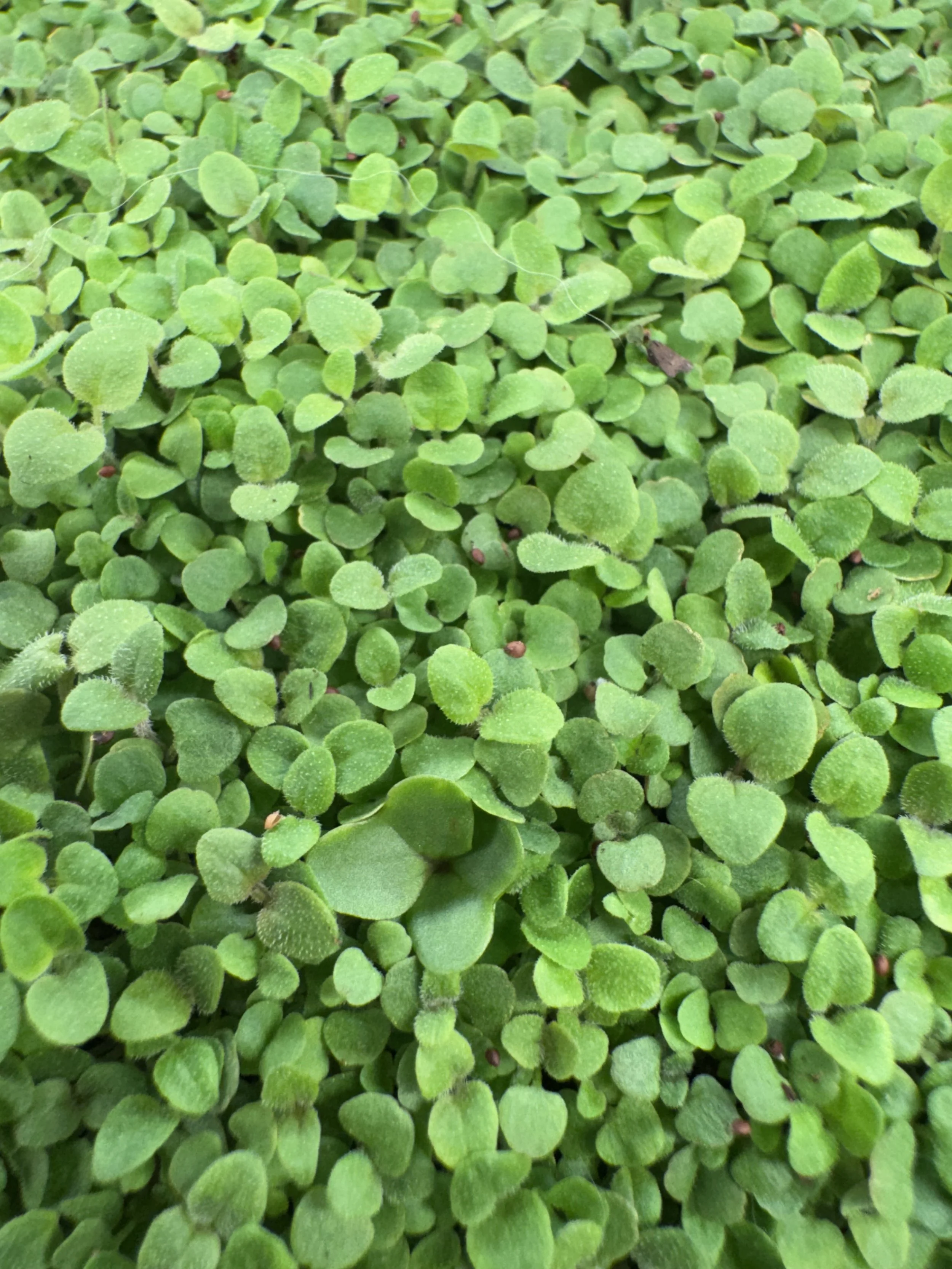
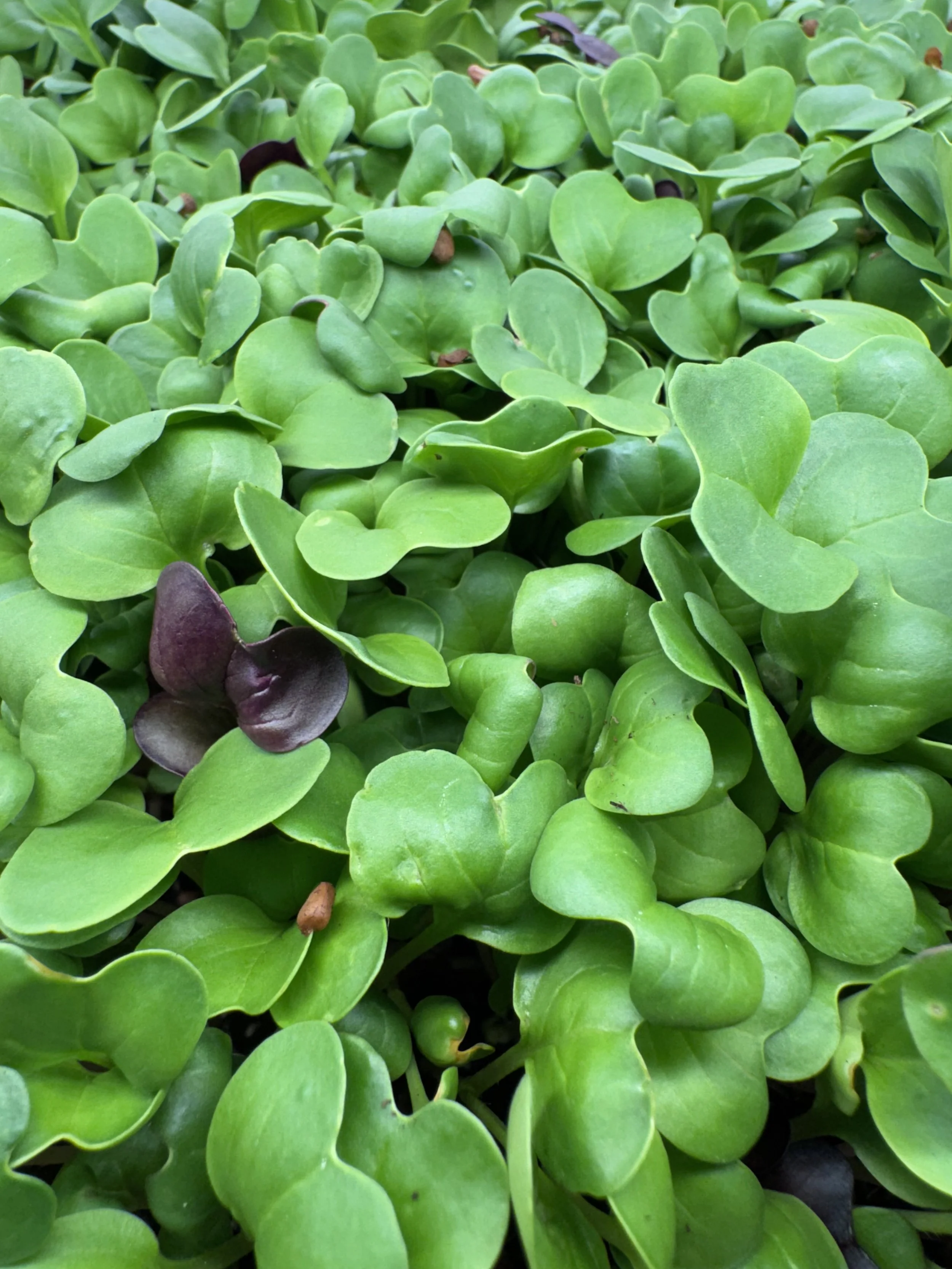
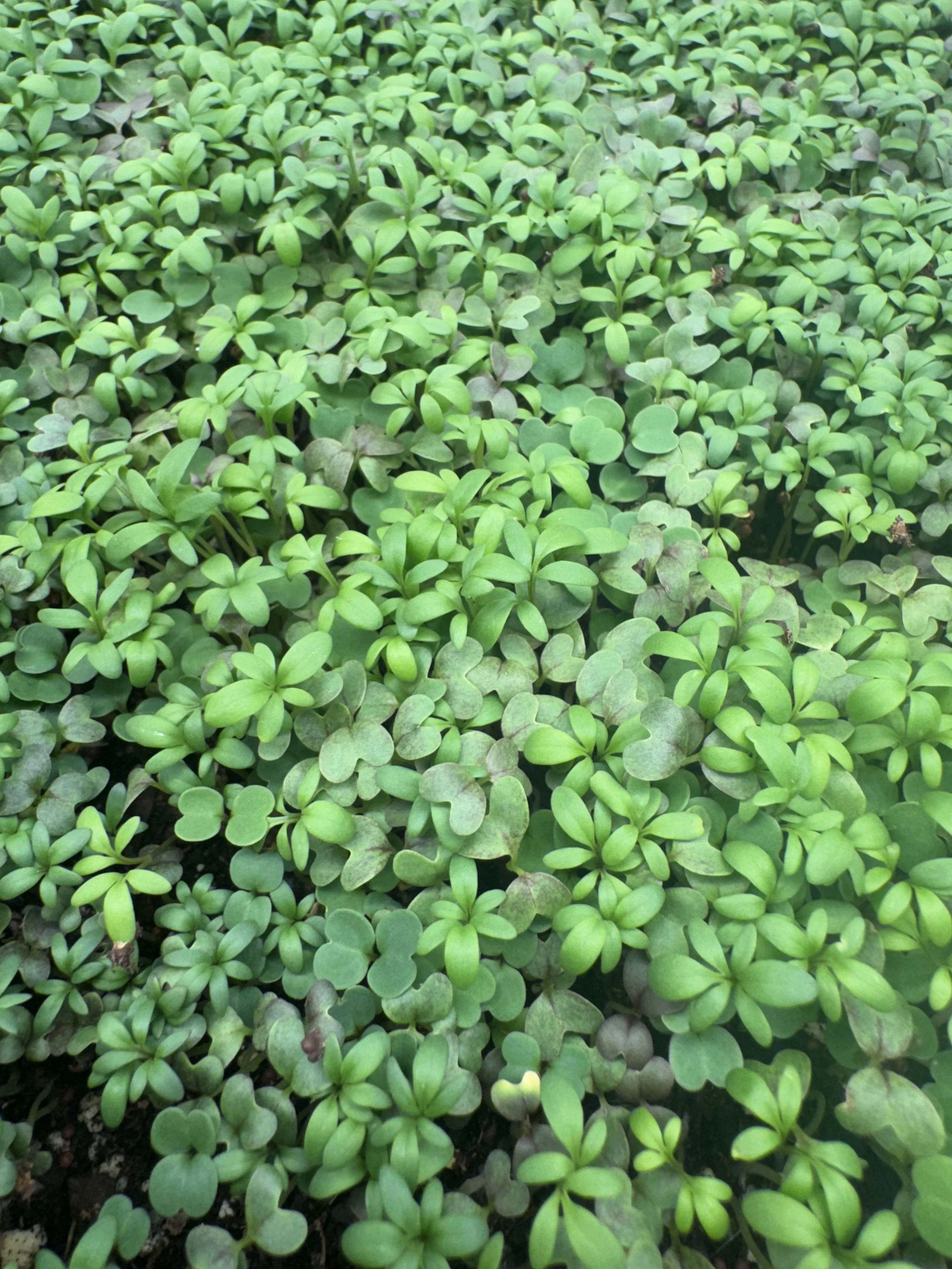
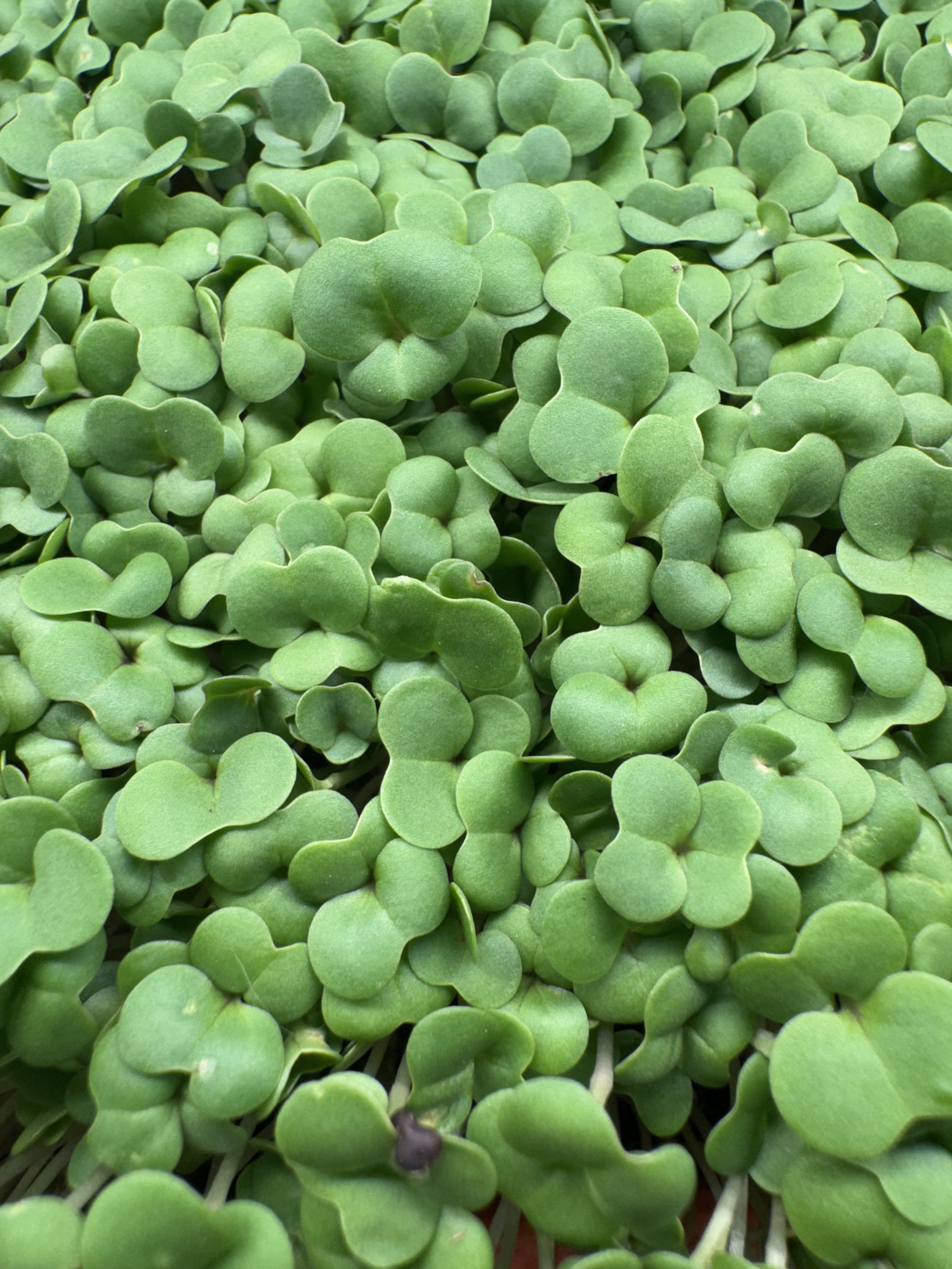
This item is grown to order and requires a 2 week lead time. We will grow a 10"x10" tray of these micros which we will cut and package for you when they are ready.
Disclaimer: Nutritional information and listed Health Benefits have not been evaluated by the Food and Drug Administration. This product is not intended to diagnose, treat, cure, or prevent any disease. The information on this website is for educational purposes only and not intended as medical advice.
History:
The rutabaga (Brassica napobrassica) originated in Northern Europe (likely Sweden, Finland, or Russia) around the 16th or 17th century as a natural hybrid of turnip and cabbage. Known as "rotabagge" (root lump) in Swedish, it was introduced to England around 1750 and later became a crucial famine food in Europe, particularly during the WWI "Turnip Winter".
It is a cross between a turnip (Brassica rapa) and cabbage (Brassica oleracea), first scientifically documented by Swiss botanist Gaspard Bauhin in 1620 as growing wild in Sweden.
Flavor Profile:
Rutabaga microgreens have a distinct flavor profile that is mildly zesty, peppery, and robust, often described as a sharper, more concentrated version of kale, spinach, or broccoli.
Suggested Uses:
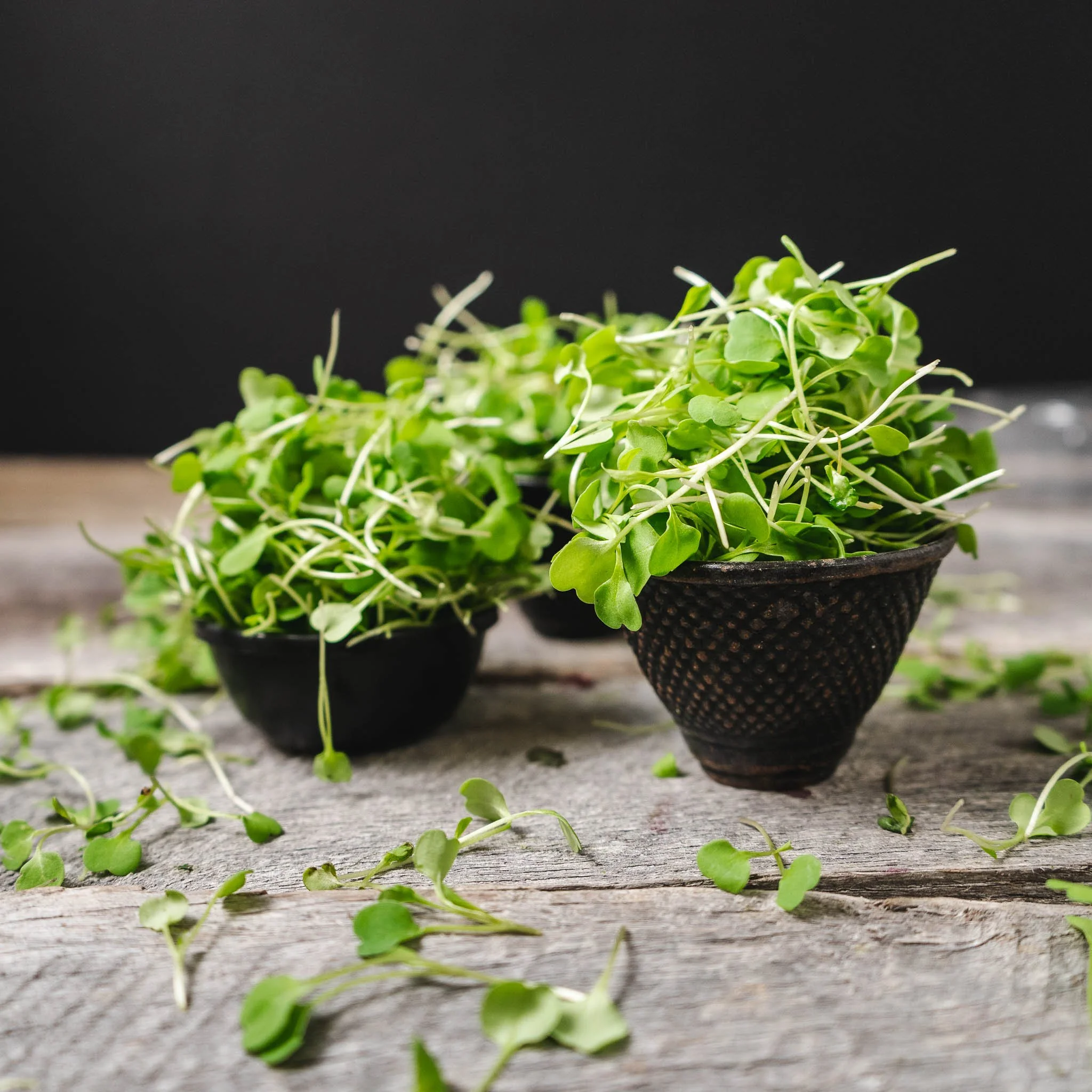
Rutabaga microgreens are best used raw as a garnish for soups and sandwiches, mixed into salads, or added to wraps for a crisp, zesty flavor boost.
Garnish: Adds color and flavor to soups, ramens, tacos, and savory dishes.
Salads/Wraps: Adds a peppery, crisp bite to leafy salads and wraps.
Sandwiches & Burgers: Provides a fresh, zesty crunch.
Smoothies: Added for a nutritional punch of vitamins.
Warm Dishes: Used as a topping for omelets or ramen noodles.
Nutrition:*not verified by FDA
Rutabaga microgreens are considered "immunity-detox" powerhouses, containing significantly higher concentrations of certain vitamins and beneficial plant compounds than the mature root vegetable. While they share the same basic nutritional profile as mature rutabagas, the microgreen form is a more concentrated source of antioxidants like glucosinolates.
Vitamins: Rich in Vitamin C for immune support, as well as Vitamins A, B6, E, and K.
Minerals: A good source of Potassium, Calcium, Magnesium, and Phosphorus, along with trace minerals like Iron and Zinc.
Antioxidants: High levels of Glucosinolates, sulfur-containing compounds known for their potential to reduce inflammation and inhibit cancer growth.
Phytonutrients: Contains carotenoids (like lutein and beta-carotene) which support eye health, and essential amino acids.
Health Benefits:*not verified by FDA
Rutabaga microgreens provide a variety of essential vitamins and minerals in a small, nutrient-dense package:
Vitamins: Rich in Vitamin C for immune support, as well as Vitamins A, B6, E, and K.
Minerals: A good source of Potassium, Calcium, Magnesium, and Phosphorus, along with trace minerals like Iron and Zinc.
Antioxidants: High levels of Glucosinolates, sulfur-containing compounds known for their potential to reduce inflammation and inhibit cancer growth.
Phytonutrients: Contains carotenoids (like lutein and beta-carotene) which support eye health, and essential amino acids.
This item is grown to order and requires a 2 week lead time. We will grow a 10"x10" tray of these micros which we will cut and package for you when they are ready.
Disclaimer: Nutritional information and listed Health Benefits have not been evaluated by the Food and Drug Administration. This product is not intended to diagnose, treat, cure, or prevent any disease. The information on this website is for educational purposes only and not intended as medical advice.
History:
The rutabaga (Brassica napobrassica) originated in Northern Europe (likely Sweden, Finland, or Russia) around the 16th or 17th century as a natural hybrid of turnip and cabbage. Known as "rotabagge" (root lump) in Swedish, it was introduced to England around 1750 and later became a crucial famine food in Europe, particularly during the WWI "Turnip Winter".
It is a cross between a turnip (Brassica rapa) and cabbage (Brassica oleracea), first scientifically documented by Swiss botanist Gaspard Bauhin in 1620 as growing wild in Sweden.
Flavor Profile:
Rutabaga microgreens have a distinct flavor profile that is mildly zesty, peppery, and robust, often described as a sharper, more concentrated version of kale, spinach, or broccoli.
Suggested Uses:
Rutabaga microgreens are best used raw as a garnish for soups and sandwiches, mixed into salads, or added to wraps for a crisp, zesty flavor boost.
Garnish: Adds color and flavor to soups, ramens, tacos, and savory dishes.
Salads/Wraps: Adds a peppery, crisp bite to leafy salads and wraps.
Sandwiches & Burgers: Provides a fresh, zesty crunch.
Smoothies: Added for a nutritional punch of vitamins.
Warm Dishes: Used as a topping for omelets or ramen noodles.
Nutrition:*not verified by FDA
Rutabaga microgreens are considered "immunity-detox" powerhouses, containing significantly higher concentrations of certain vitamins and beneficial plant compounds than the mature root vegetable. While they share the same basic nutritional profile as mature rutabagas, the microgreen form is a more concentrated source of antioxidants like glucosinolates.
Vitamins: Rich in Vitamin C for immune support, as well as Vitamins A, B6, E, and K.
Minerals: A good source of Potassium, Calcium, Magnesium, and Phosphorus, along with trace minerals like Iron and Zinc.
Antioxidants: High levels of Glucosinolates, sulfur-containing compounds known for their potential to reduce inflammation and inhibit cancer growth.
Phytonutrients: Contains carotenoids (like lutein and beta-carotene) which support eye health, and essential amino acids.
Health Benefits:*not verified by FDA
Rutabaga microgreens provide a variety of essential vitamins and minerals in a small, nutrient-dense package:
Vitamins: Rich in Vitamin C for immune support, as well as Vitamins A, B6, E, and K.
Minerals: A good source of Potassium, Calcium, Magnesium, and Phosphorus, along with trace minerals like Iron and Zinc.
Antioxidants: High levels of Glucosinolates, sulfur-containing compounds known for their potential to reduce inflammation and inhibit cancer growth.
Phytonutrients: Contains carotenoids (like lutein and beta-carotene) which support eye health, and essential amino acids.