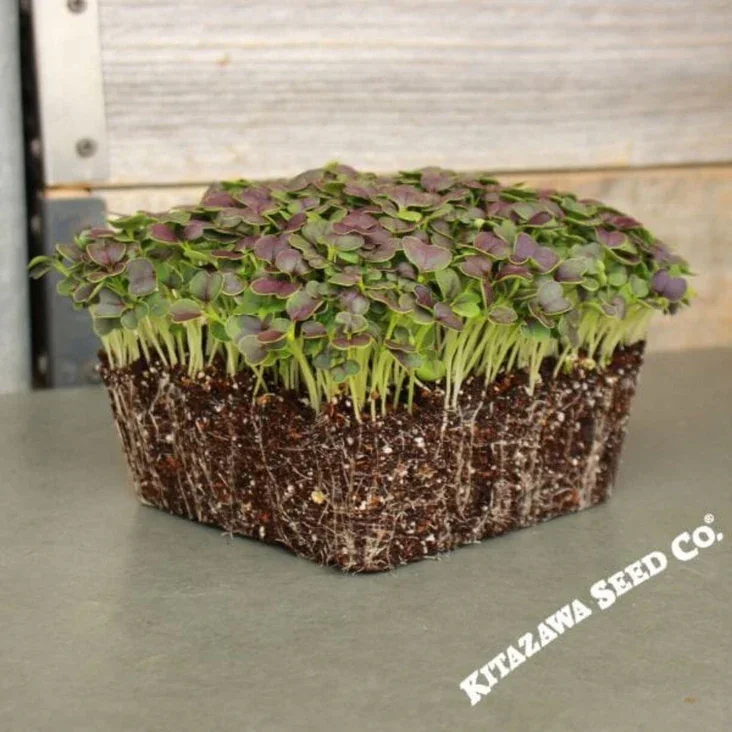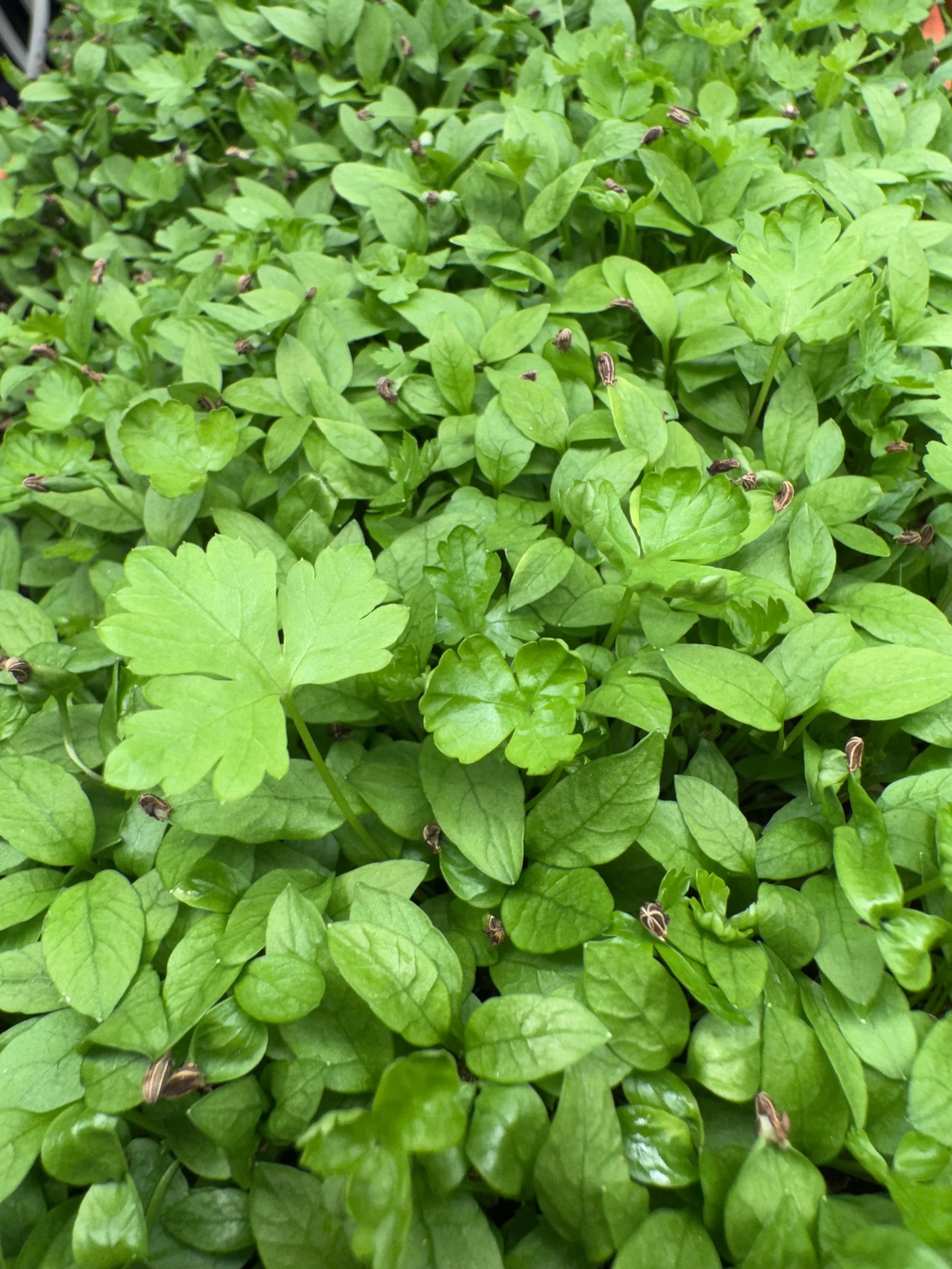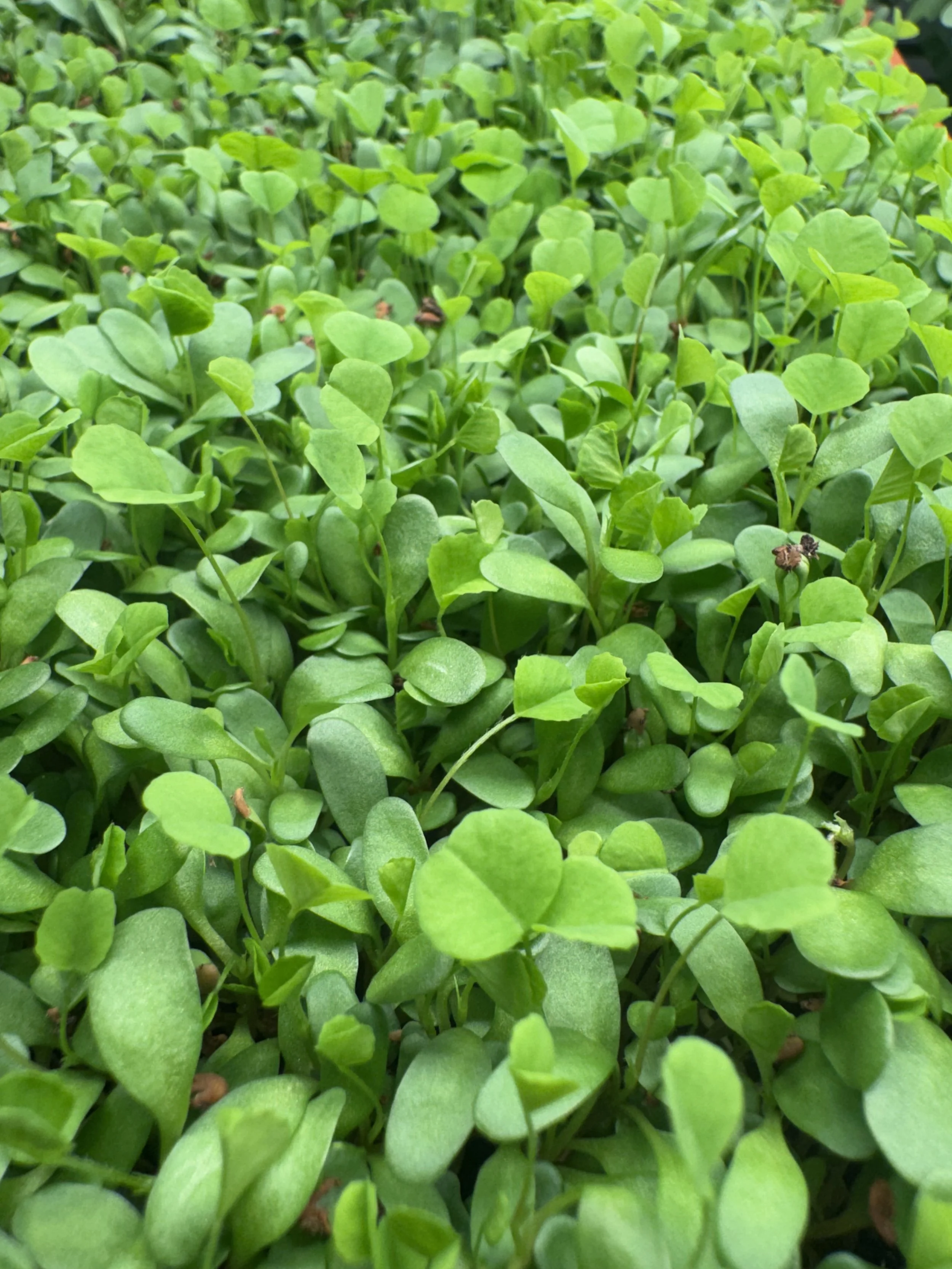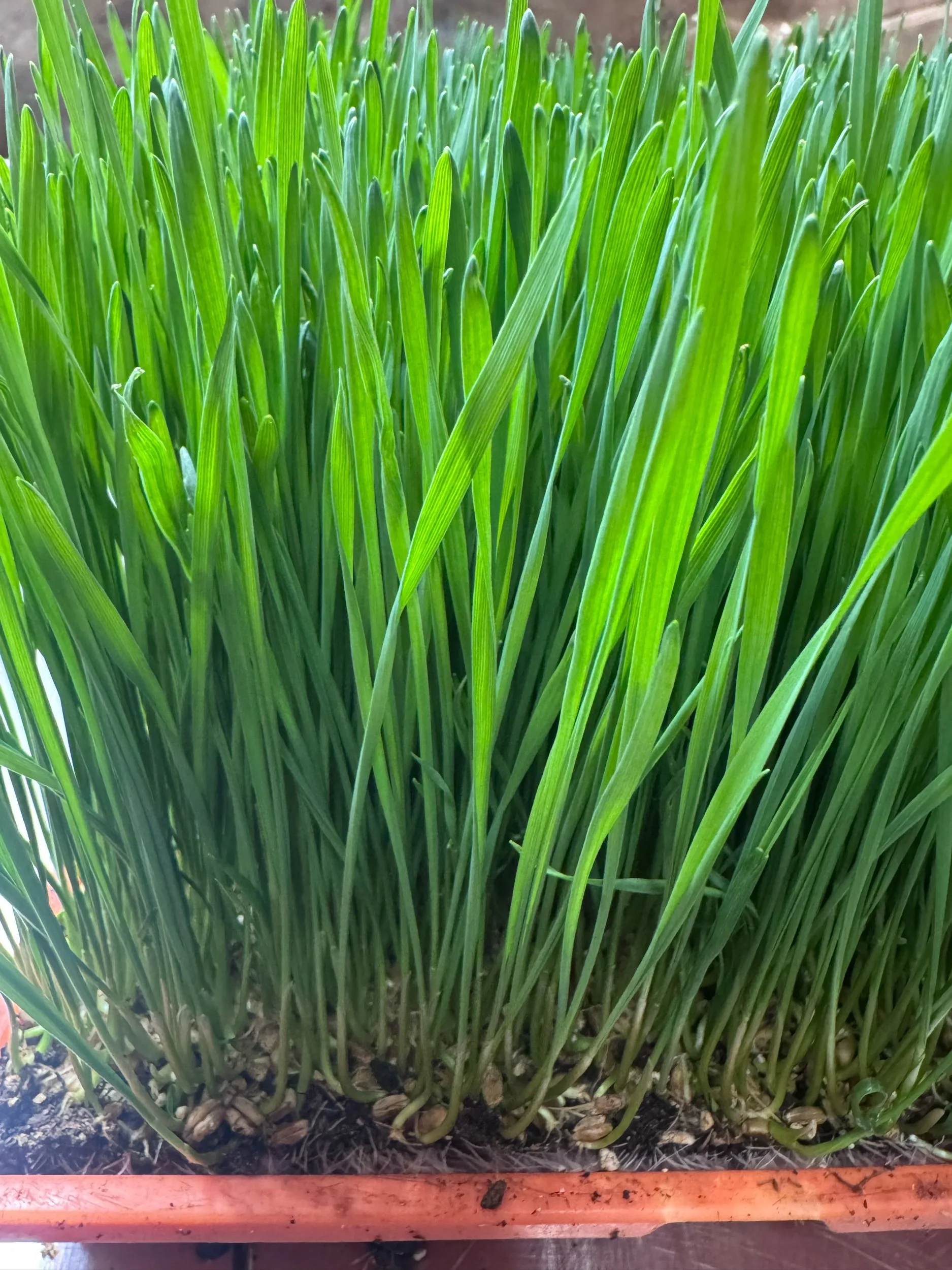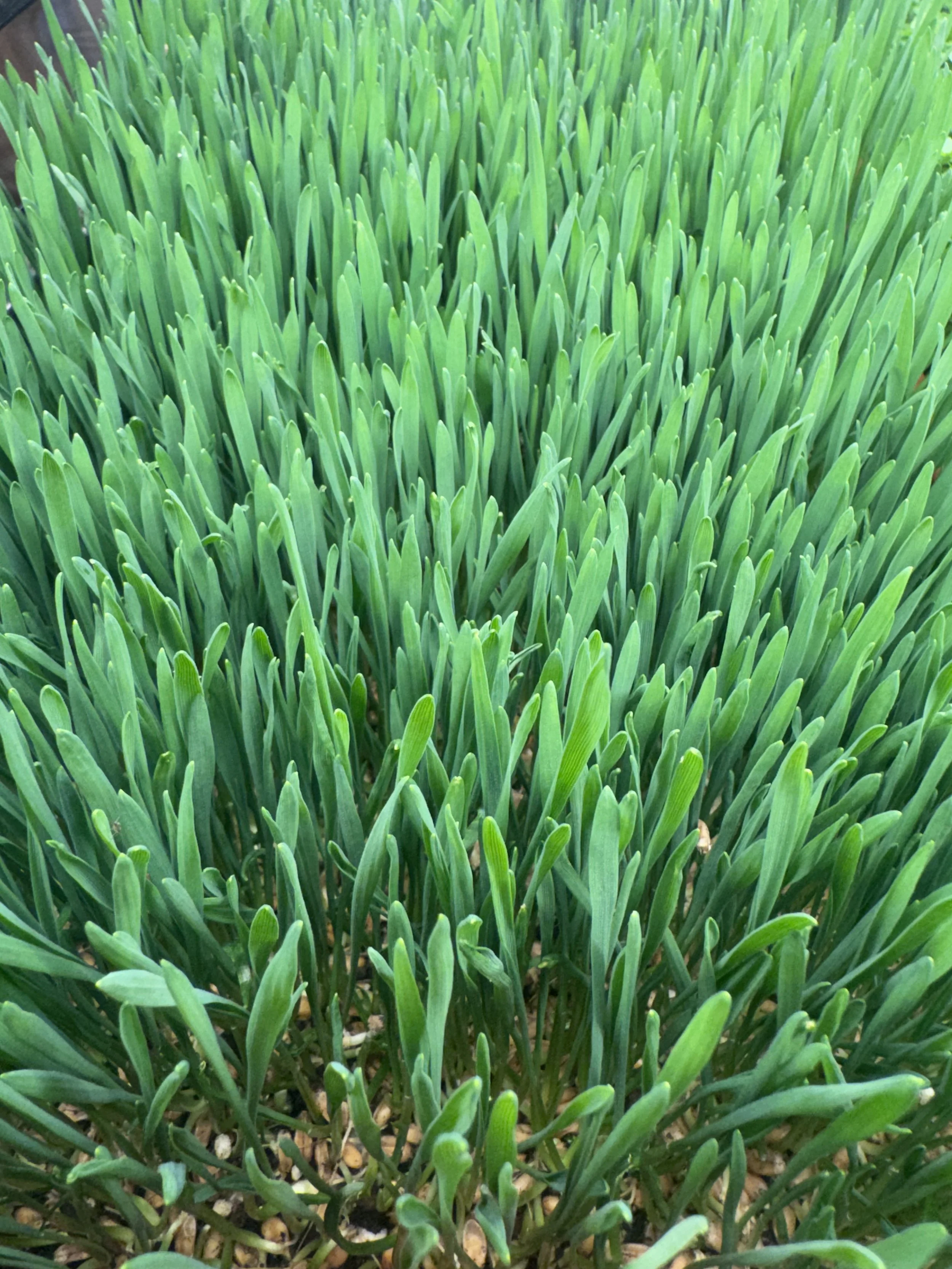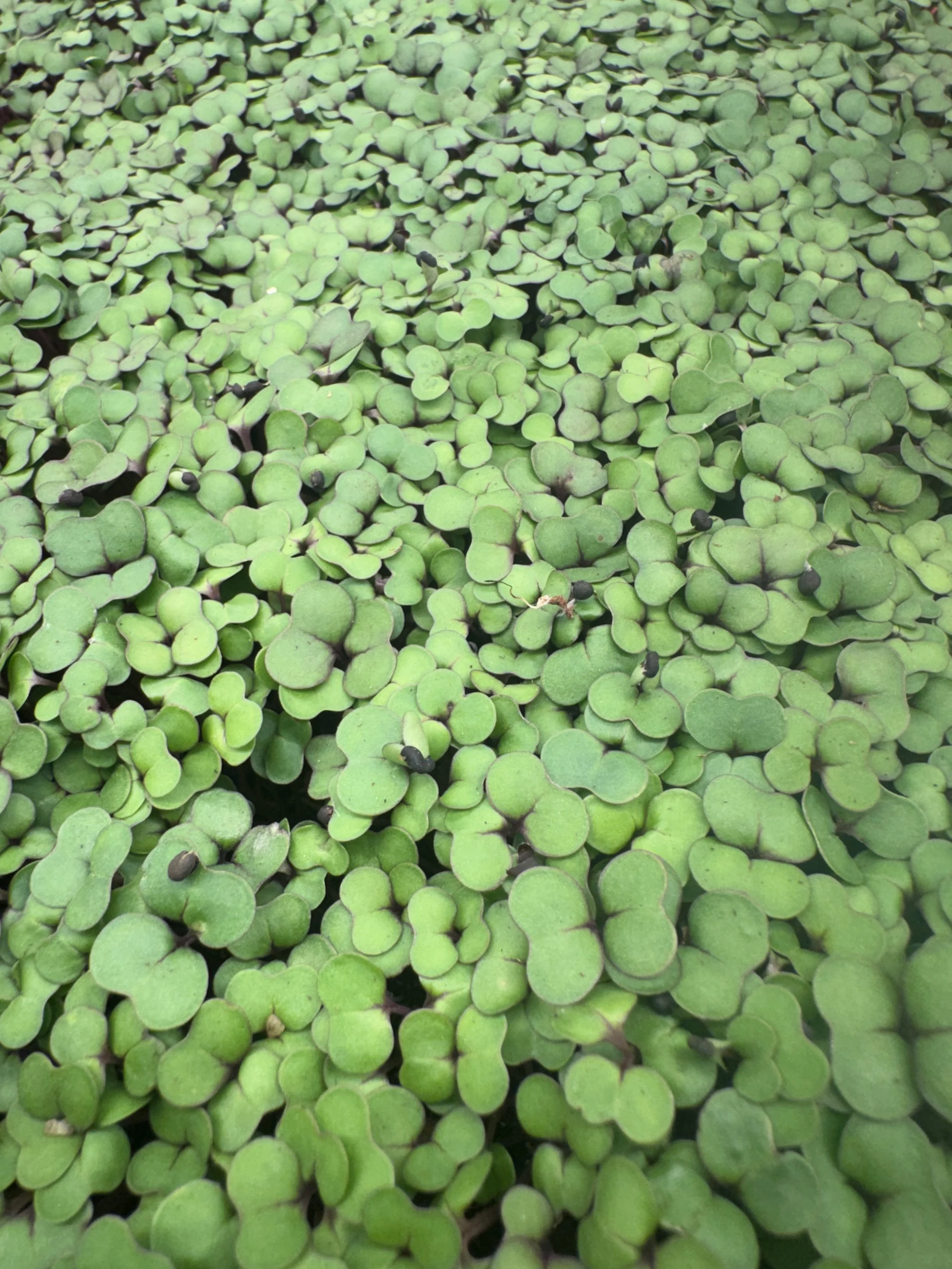
 Image 1 of 2
 Image 2 of 2
Disclaimer:Nutritional information and listed Health Benefits have not been evaluated by the Food and Drug Administration. This product is not intended to diagnose, treat, cure, or prevent any disease. The information on this website is for educational purposes only and not intended as medical advice.
History:
Sunflowers (Helianthus annuus) are native to North America, domesticated by Indigenous peoples around 3000–2600 BCE, likely earlier than corn, in areas of modern-day Arizona, New Mexico, and Mexico. Originally, they were used for food (flour, oil, snacks), dye, and in ceremonies. Spanish explorers brought them to Europe around 1510, with significant commercial development occurring later in Russia.
Flavor Profile:
Distinct, fresh, and slightly sweet flavor reminiscent of nutty, raw sunflower seeds, featuring a thick, juicy stem that provides a satisfying, crisp crunch.
Suggested Uses:
Sunflower microgreens are nutrient-dense, crunchy, and nutty-flavored shoots used raw in salads, sandwiches, wraps, and smoothies, or as a garnish for soups and pizzas.
Salads: They act as a base or addition to green salads, providing a fresh, crunchy texture.
Sandwiches & Wraps: A popular alternative to lettuce, adding a nutty flavor and texture to sandwiches, burgers, and wraps.
Smoothies & Juicing: Blend easily into green smoothies or juices for a nutritional boost without altering flavor significantly.
Garnish: Used to add color and nutrients to soups, tacos, avocado toast, and pizzas.
Pesto: Can be blended with garlic, olive oil, and parmesan for a unique pesto.
For Pets: *(always consult a vet before adding microgreens to your pet’s diet)
Bearded Dragons: Sunflower microgreens are safe, nutritious, and edible for bearded dragons, making them an excellent, healthy green treat. They are packed with vitamins and minerals, providing a nutrient-dense addition to a balanced diet when offered in moderation alongside staples like collard greens
Cats: Sunflower microgreens are safe and non-toxic for cats, making them a healthy, nutrient-rich treat. They are packed with protein, healthy fats, and vitamins, providing digestive fiber for cats. They are an excellent alternative to wheatgrass and can be introduced by chopping a few and mixing them into food.
Dogs: Sunflower microgreens are safe and nutritious for dogs, providing a rich source of plant protein, essential fatty acids, and vitamins A, B, D, and E to promote a healthy coat and immune system. They are considered non-toxic, but should be given in moderation, making up no more than 10% of their daily calorie intake.
Guinea Pigs: Sunflower microgreens (shoots) are safe and nutritious for guinea pigs in moderation. They are a rich source of vitamins A, C, and D, helping to boost nutrient intake. However, they should only be treated as a supplement to their regular diet, not a primary food source, and given sparingly due to their mineral content.
Rabbits: Sunflower microgreens are safe and nutritious for rabbits to eat in moderation, often reported as a well-liked, crunchy treat. They can be incorporated into a balanced diet of hay and leafy greens, but should be given sparingly as a topper or treat rather than a primary food source.
Nutrition:*not verified by FDA
Sunflower microgreens are highly nutritious, low-calorie, and nutrient-dense, providing significant amounts of iron, protein, and essential vitamins (A, C, E, K, and B complex). They are especially rich in chlorophyll, fiber, and minerals like magnesium, potassium, and calcium, supporting bone health, immune function, and digestion.
Protein: High in protein (roughly 25–30% of their dry weight) and contain all 8 essential amino acids.
Minerals: Excellent source of Iron (50% DV), Phosphorus (100% DV), Magnesium (70% DV), and Copper (200% DV).
Vitamins: Rich in Vitamin E, Vitamin K, Vitamin C, and Vitamin A.
Low-Calorie: A 64g serving typically contains only 25 calories, with 2g of fiber and 2g of protein.
Potential Health Benefits:*not verified by FDA
These crunchy, nutty greens provide complete plant-based protein, support cardiovascular health, help boost immunity, aid digestion, and contain chlorophyll for detoxification.
Heart Health & Circulation: Rich in healthy fats, lecithin, and magnesium, they help reduce cardiovascular disease risk, help improve circulation, and aid in cleaning artery deposits.
Immune System Support: High concentrations of Vitamins A, C, and E strengthen the immune system and protect against oxidative stress.
Bone & Muscle Health: The high calcium and magnesium content supports strong bones and healthy muscle function.
Nutrient-Dense Protein: They contain all essential amino acids, making them an excellent protein source for vegetarians and vegans.
Improved Digestion: They are a good source of fiber and enzymes that aid in digestion and gut health.
Anti-inflammatory and Anti-aging: Polyphenols and antioxidants reduce inflammation and fight free radicals, promoting skin health.
Blood Sugar & Energy: They possess a low glycemic index and help stabilize energy levels.
Disclaimer:Nutritional information and listed Health Benefits have not been evaluated by the Food and Drug Administration. This product is not intended to diagnose, treat, cure, or prevent any disease. The information on this website is for educational purposes only and not intended as medical advice.
History:
Sunflowers (Helianthus annuus) are native to North America, domesticated by Indigenous peoples around 3000–2600 BCE, likely earlier than corn, in areas of modern-day Arizona, New Mexico, and Mexico. Originally, they were used for food (flour, oil, snacks), dye, and in ceremonies. Spanish explorers brought them to Europe around 1510, with significant commercial development occurring later in Russia.
Flavor Profile:
Distinct, fresh, and slightly sweet flavor reminiscent of nutty, raw sunflower seeds, featuring a thick, juicy stem that provides a satisfying, crisp crunch.
Suggested Uses:
Sunflower microgreens are nutrient-dense, crunchy, and nutty-flavored shoots used raw in salads, sandwiches, wraps, and smoothies, or as a garnish for soups and pizzas.
Salads: They act as a base or addition to green salads, providing a fresh, crunchy texture.
Sandwiches & Wraps: A popular alternative to lettuce, adding a nutty flavor and texture to sandwiches, burgers, and wraps.
Smoothies & Juicing: Blend easily into green smoothies or juices for a nutritional boost without altering flavor significantly.
Garnish: Used to add color and nutrients to soups, tacos, avocado toast, and pizzas.
Pesto: Can be blended with garlic, olive oil, and parmesan for a unique pesto.
For Pets: *(always consult a vet before adding microgreens to your pet’s diet)
Bearded Dragons: Sunflower microgreens are safe, nutritious, and edible for bearded dragons, making them an excellent, healthy green treat. They are packed with vitamins and minerals, providing a nutrient-dense addition to a balanced diet when offered in moderation alongside staples like collard greens
Cats: Sunflower microgreens are safe and non-toxic for cats, making them a healthy, nutrient-rich treat. They are packed with protein, healthy fats, and vitamins, providing digestive fiber for cats. They are an excellent alternative to wheatgrass and can be introduced by chopping a few and mixing them into food.
Dogs: Sunflower microgreens are safe and nutritious for dogs, providing a rich source of plant protein, essential fatty acids, and vitamins A, B, D, and E to promote a healthy coat and immune system. They are considered non-toxic, but should be given in moderation, making up no more than 10% of their daily calorie intake.
Guinea Pigs: Sunflower microgreens (shoots) are safe and nutritious for guinea pigs in moderation. They are a rich source of vitamins A, C, and D, helping to boost nutrient intake. However, they should only be treated as a supplement to their regular diet, not a primary food source, and given sparingly due to their mineral content.
Rabbits: Sunflower microgreens are safe and nutritious for rabbits to eat in moderation, often reported as a well-liked, crunchy treat. They can be incorporated into a balanced diet of hay and leafy greens, but should be given sparingly as a topper or treat rather than a primary food source.
Nutrition:*not verified by FDA
Sunflower microgreens are highly nutritious, low-calorie, and nutrient-dense, providing significant amounts of iron, protein, and essential vitamins (A, C, E, K, and B complex). They are especially rich in chlorophyll, fiber, and minerals like magnesium, potassium, and calcium, supporting bone health, immune function, and digestion.
Protein: High in protein (roughly 25–30% of their dry weight) and contain all 8 essential amino acids.
Minerals: Excellent source of Iron (50% DV), Phosphorus (100% DV), Magnesium (70% DV), and Copper (200% DV).
Vitamins: Rich in Vitamin E, Vitamin K, Vitamin C, and Vitamin A.
Low-Calorie: A 64g serving typically contains only 25 calories, with 2g of fiber and 2g of protein.
Potential Health Benefits:*not verified by FDA
These crunchy, nutty greens provide complete plant-based protein, support cardiovascular health, help boost immunity, aid digestion, and contain chlorophyll for detoxification.
Heart Health & Circulation: Rich in healthy fats, lecithin, and magnesium, they help reduce cardiovascular disease risk, help improve circulation, and aid in cleaning artery deposits.
Immune System Support: High concentrations of Vitamins A, C, and E strengthen the immune system and protect against oxidative stress.
Bone & Muscle Health: The high calcium and magnesium content supports strong bones and healthy muscle function.
Nutrient-Dense Protein: They contain all essential amino acids, making them an excellent protein source for vegetarians and vegans.
Improved Digestion: They are a good source of fiber and enzymes that aid in digestion and gut health.
Anti-inflammatory and Anti-aging: Polyphenols and antioxidants reduce inflammation and fight free radicals, promoting skin health.
Blood Sugar & Energy: They possess a low glycemic index and help stabilize energy levels.