 Image 1 of 1
Pre-Order your TY Yellow Mimi cherry tomato plant(s) today. These plants will be available in mid to late May.
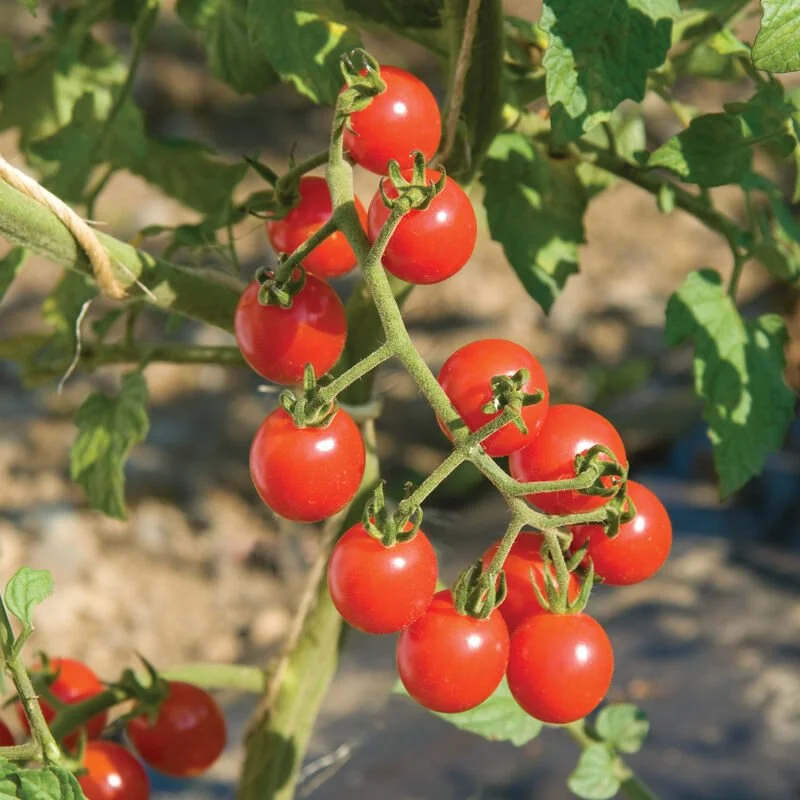
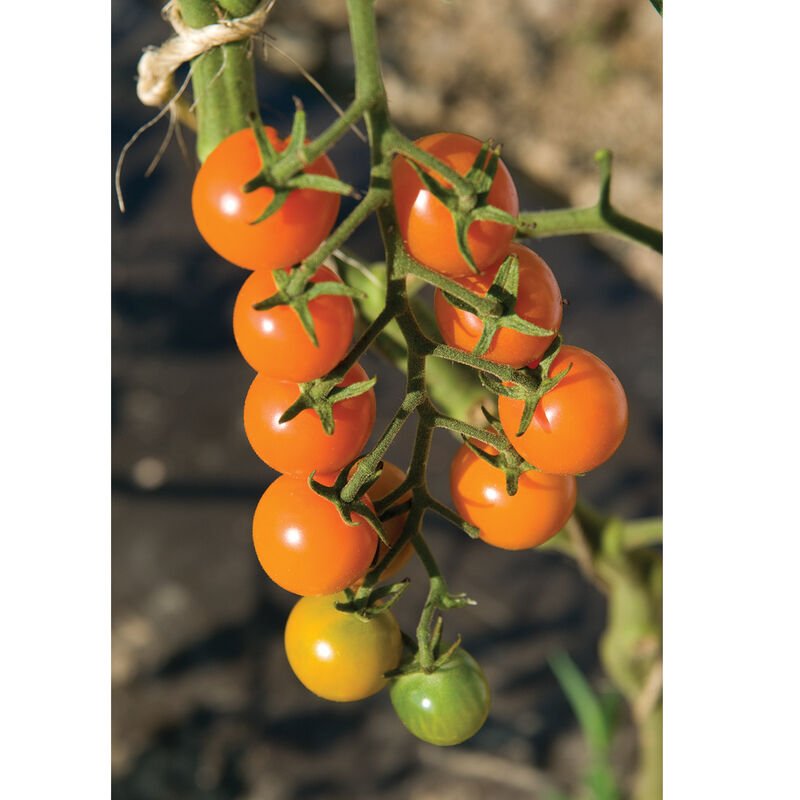
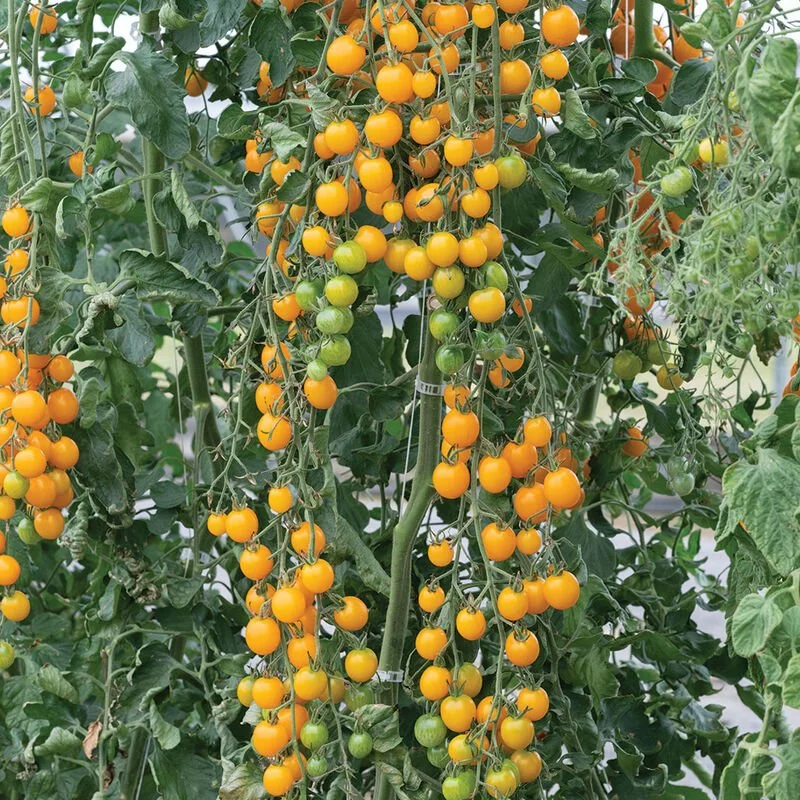
TY Yellow Mimi cherry tomatoes produce large clusters of crack-resistant 15 to 20 gram yellow cherry tomatoes. These are indeterminate plants which will require trellising.
TY Yellow Mimi tomato plants are grown from conventional seed. All of our potting soil is Certified for Organic Use.
Certified Naturally Grown using Regenerative techniques.
DTM (days to maturity): 60 days from transplant
Growing Instructions:
Avoid exposing unprotected plants to consecutive nightly temperatures below 45°F.
Plant in rows 4–6ft apart, space 24–36in between plants.
Plant deeply to encourage rooting.
Water seedlings with a high-phosphate fertilizer solution at planting to help boost early yields.
Pruning:
Indeterminates likely benefit by removing all suckers under the first strong branch directly below the first flower cluster.
The lower bottom suckers often miss trellis supports, set fruit closer to soil, take energy from upper parts, and encourage spread of disease from soil.
If needed later in season, consider thinning out leaves to increase airflow or topping plants to help finish ripening last fruits.
Pre-Order your TY Yellow Mimi cherry tomato plant(s) today. These plants will be available in mid to late May.
TY Yellow Mimi cherry tomatoes produce large clusters of crack-resistant 15 to 20 gram yellow cherry tomatoes. These are indeterminate plants which will require trellising.
TY Yellow Mimi tomato plants are grown from conventional seed. All of our potting soil is Certified for Organic Use.
Certified Naturally Grown using Regenerative techniques.
DTM (days to maturity): 60 days from transplant
Growing Instructions:
Avoid exposing unprotected plants to consecutive nightly temperatures below 45°F.
Plant in rows 4–6ft apart, space 24–36in between plants.
Plant deeply to encourage rooting.
Water seedlings with a high-phosphate fertilizer solution at planting to help boost early yields.
Pruning:
Indeterminates likely benefit by removing all suckers under the first strong branch directly below the first flower cluster.
The lower bottom suckers often miss trellis supports, set fruit closer to soil, take energy from upper parts, and encourage spread of disease from soil.
If needed later in season, consider thinning out leaves to increase airflow or topping plants to help finish ripening last fruits.